
The main difference between a quality audit and a quality inspection is that an audit is a systematic process that assesses whether quality activities and results comply with planned arrangements and whether these arrangements are implemented effectively and are suitable for achieving objectives. Meanwhile, quality inspection is the process of measuring, examining, and testing products to determine whether they meet specified requirements.
A quality audit should cover all, including quality planning, quality control, quality assurance, and quality improvement. The findings of a quality audit can be used to improve the effectiveness of an organization’s quality management system and help prevent problems in the future. There are two main types of quality audits: first-party audits and second-party audits.
- First-party audits are conducted by an organization’s own internal quality assurance staff.
- Second-party audits are conducted by an external body, such as a certification body or a customer.
The scope of these audits can vary depending on the purpose of the audit. For example, a certification body may conduct a comprehensive audit of an organization’s entire QMS, while a customer may only audit a specific part of the QMS that pertains to their product or service.
Quality Inspection Definition
Another aspect of quality management is inspections. But first, what are they:
- Inspection is a process of verifying whether a project meets specified requirements. It is a formal review process that is conducted at predetermined intervals during the project lifecycle. The purpose of the inspection is to identify errors, defects, or non-conformities in the project deliverables so that corrective action can be taken to address them.
- Inspection is a key component of project quality management and is typically carried out by independent quality assurance inspectors. The results of inspections are typically recorded in a report, which is then shared with the project team.
Quality Audit Definition
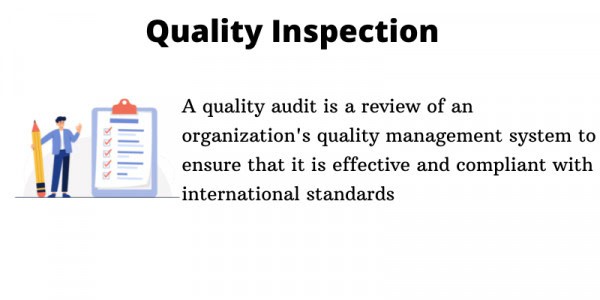
A quality audit is a review of an organization’s quality management system to ensure that it is effective and compliant with international standards. This is a systematic review of an organization’s quality management system (QMS) to verify that it conforms to the requirements of a standard or other regulatory requirements. It can also be used to assess the effectiveness of the QMS and identify any areas in need of improvement.

It can be conducted internally by an organization’s quality assurance team or externally by an independent body. The purpose of a quality audit is to assess the effectiveness of an organization’s quality management system and identify any areas that need improvement. Here are some tips to keep in mind:
- Audits are conducted regularly, while inspections are carried out at specific intervals.
- Audits cover all aspects of quality management, while inspections focus on a specific product or process.
- Audits are conducted by an independent third party, while the company itself usually carries out inspections.
- Audits are used to assess compliance with quality standards, while inspections are used to confirm whether products meet specified requirements.
When to Conduct a Quality Audit?
Determining the right time to conduct a project quality audit is crucial for project success. Strategic timing ensures that quality standards are maintained throughout the project lifecycle while maximizing the audit’s effectiveness. Consider project size, complexity, and development stage when scheduling audits to identify issues early and maintain compliance with quality requirements.
Key Timing Considerations:
- Project Size: Larger projects require more frequent audits than smaller initiatives to maintain oversight
- Project Complexity: Complex projects with multiple dependencies need more regular quality assessments
- Project Lifecycle Stage: Early stages demand frequent audits due to rapid changes; frequency can decrease as the project stabilizes
- Risk Level: High-risk projects warrant more frequent audits to catch potential issues before they escalate
- Regulatory Requirements: Compliance-driven projects may require audits at specific milestones or intervals
- Stakeholder Expectations: Client or sponsor requirements may dictate audit frequency and timing
- Quality Trends: Previous quality issues or defect patterns should trigger more frequent audits
- Milestone Completion: Conduct audits after major deliverables or phase completions to verify quality standards
- Pre-Delivery Assessment: Final audits before project closure ensure all quality requirements are met
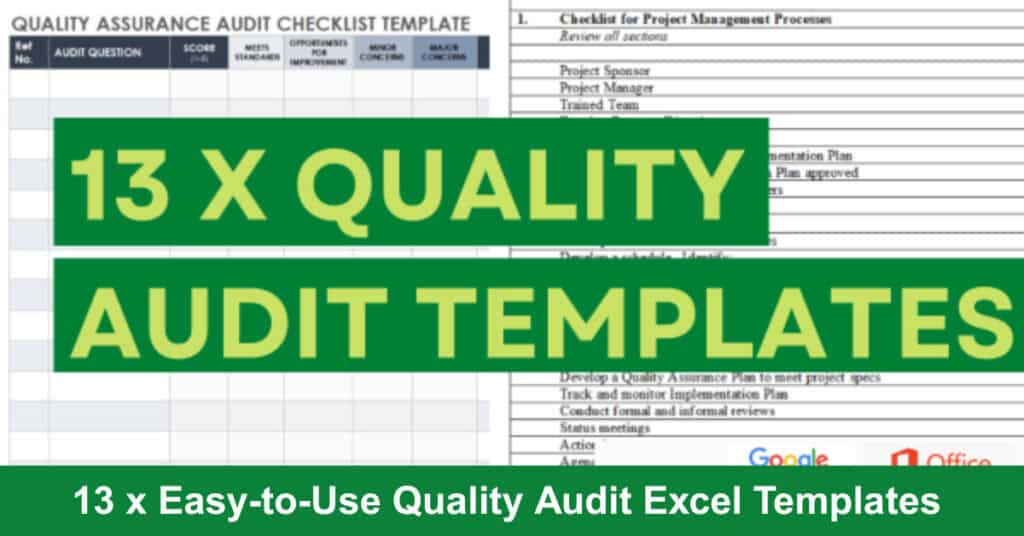
Quality Audit Template Excel
It can be conducted at different stages of the project lifecycle, but is typically done towards the end of the project to assess whether the quality requirements have been met. There are a few different factors to consider when deciding when to conduct quality audits.
- First, you will need to consider the size and scope of your project. Larger projects will require more frequent audits than smaller projects.
- Secondly, you will also need to consider the complexity of your project. More complex projects will require more frequent audits than simpler projects.
The frequency of quality audits will also depend on the stage of your project.
- For example, you will likely need to conduct more quality audits during the early stages of your project, when more changes are being made. As your project moves closer to completion, the frequency of audits can be reduced.

Examples of Quality Audits vs Inspections
There are many different types of quality audits, but some common examples include:
- Reviews of project documentation (e.g, requirements, plans, etc.)
- Inspections of project deliverables (e.g, code, designs, etc.)
- Interviews with project stakeholders (e.g, project manager, developers, etc.)
Another view can be in IT:
An example of a quality audit in the IT industry (x4) would be to ensure that all software products meet the minimum quality standards set by the company. This would involve testing the software products against these standards and then reporting any findings to the management team.
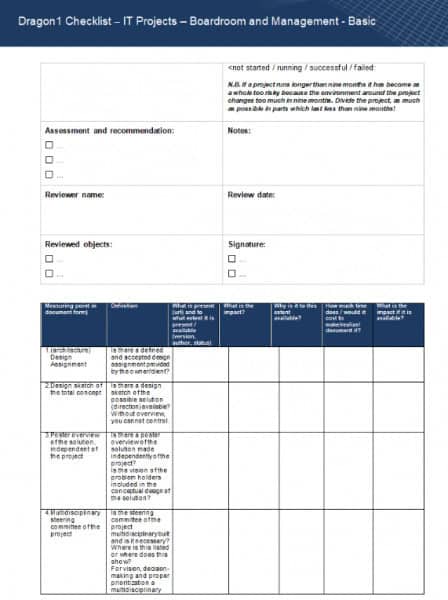
Quality Audit Templates Word

Another example of an audit in IT would be to assess the effectiveness of the company’s quality management system. This would involve auditing the system itself and then interviewing employees to see how well it is working. Once again, any findings would be reported to management.
Role of a Quality Manager
Within a structured audit process, clear roles and responsibilities are essential for ensuring effectiveness, objectivity, and actionable outcomes. While a Quality Manager typically oversees the broader quality management system, the execution of a specific project or process audit often falls under the stewardship of a dedicated project manager. This individual acts as the crucial facilitator and coordinator, bridging the gap between the auditing team and the project’s operational reality. Their primary objective is to create the optimal environment for a successful audit, from initial planning through to the presentation of findings.
The project manager acts as the audit’s chief enabler, responsible for all logistical, communicative, and administrative support. The roles of the project manager in facilitating a Quality Audit include:
- Audit Resourcing & Planning:
- Securing and providing all necessary resources for the audit team.
- Coordinating schedules between the auditors and project personnel.
- Appointing specific project team members to support audit tasks and interviews.
- Ensuring the audit team can complete their work within the agreed timeframe.
- Stakeholder Communication & Access:
- Serving as the primary point of contact and communicating audit timelines and needs to all relevant stakeholders.
- Guaranteeing the audit team has unobstructed access to the project site, personnel, and all necessary information.
- Providing auditors with all relevant project documents, data, and records promptly.
- Process Coordination & Monitoring:
- Monitoring the progress of the audit activities to ensure smooth execution.
- Addressing logistical or access issues promptly to prevent disruptions.
- In rare instances, may be directly responsible for conducting the audit, though this is not typical.
- Report Review & Action Management:
- Reviewing the draft audit report for clarity and accuracy from a project perspective.
- Ensuring all audit findings are acknowledged and transferred into the project’s action tracking system.
- Overseeing the development and implementation of corrective action plans by the project team.
- Presentation of Outcomes:
- Presenting the audit’s findings, conclusions, and recommended actions to the project sponsor and key stakeholders.
- Advocating for necessary changes and securing stakeholder commitment to address audit findings.
Video About Inspections Vs Audits
Understanding the distinction between inspections and audits is crucial for effective project quality management. This video breaks down the key differences between these two essential quality control processes, helping project managers implement the right approach at the right time. Learn how inspections focus on product verification while audits assess system compliance and effectiveness.
Conclusion
Quality audits and inspections form the backbone of effective project quality management, serving distinct yet complementary roles in ensuring project success. While inspections verify that specific deliverables meet requirements, audits provide a systematic evaluation of your entire quality management system’s effectiveness and compliance. Success lies in understanding when to apply each approach, considering factors like project size, complexity, lifecycle stage, and risk level.
The project manager’s facilitation role proves crucial, coordinating resources, stakeholder communication, and follow-up actions to transform audit findings into meaningful improvements. By strategically integrating both quality audits and inspections throughout your project lifecycle, you create a robust framework for continuous improvement, risk mitigation, and consistent delivery of high-quality results that satisfy stakeholder expectations and organizational standards.
FAQs
What is a quality audit in project management?
In project management, a quality audit is a type of quality check of project activities and deliverables to ensure that they meet quality standards. They can be conducted at various stages of the project lifecycle, from planning to execution to closure.
Why is it important for your organization?
There are a few different reasons why you might want to conduct a quality audit. For example, you might want to check that the quality management system is being followed and that it is effective in managing risks and ensuring that deliverables meet the required quality standards. Alternatively, you might want to use a quality audit as part of a project review to identify areas for improvement.
What are the main differences between inspection and audit in project quality management?
An audit is usually conducted by an external body, while a quality inspection is typically conducted by the company itself. Another one is that A quality audit assesses procedures, while a quality inspection assesses the product itself. And finally, an audit is typically conducted regularly, while an inspection is conducted as needed.
Suggested articles:
- Google Doc Quality Control Measurement Template + Checklist
- 15 Quality Metrics Every Project Manager Needs to Know
- 17+ Quality Assurance Plan Templates Word, Google, PDF

Shane Drumm, holding certifications in PMP®, PMI-ACP®, CSM, and LPM, is the author behind numerous articles featured here. Hailing from County Cork, Ireland, his expertise lies in implementing Agile methodologies with geographically dispersed teams for software development projects. In his leisure, he dedicates time to web development and Ironman triathlon training. Find out more about Shane on shanedrumm.com and please reach out and connect with Shane on LinkedIn.