
A risk management plan is a critical component of any successful project, regardless of size or complexity. It enables project managers to proactively identify potential risks, assess their likelihood and impact, and develop clear strategies to mitigate them before they disrupt progress. Without a structured approach to risk management, projects are far more likely to experience delays, cost overruns, and misalignment between stakeholders.
This document should be created during the planning phase and treated as a living document that evolves alongside the project. While Agile environments often favor lightweight risk logs, there are many situations where a more detailed and structured risk management plan becomes essential for maintaining control and clarity.
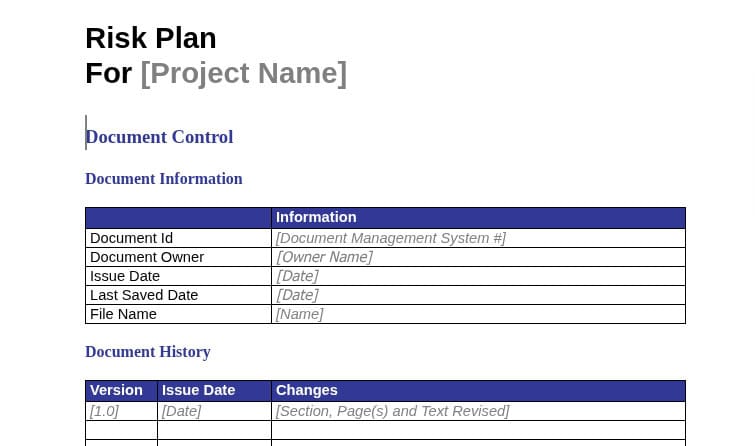
Components of Risk Management Plan
Understanding the core components of a risk management plan is essential for building a structured and effective approach to managing uncertainty. This section outlines the foundational elements that ensure risks are clearly defined, properly assessed, and consistently managed throughout the project lifecycle, helping teams stay aligned and prepared for potential challenges.
Key Components Include:
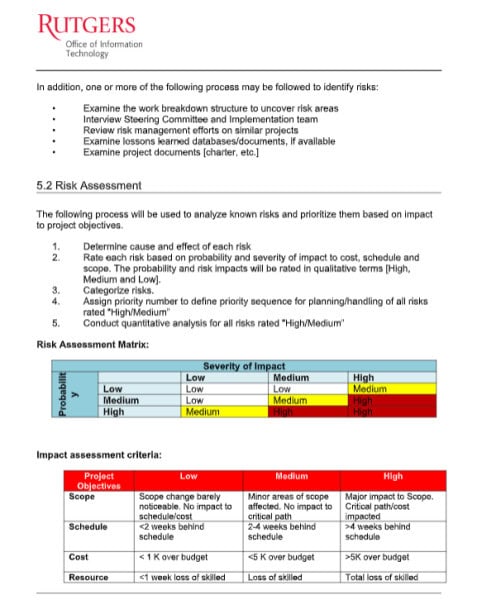
- Types of Risks: This involves identifying and documenting potential risks along with predicted scenarios and mitigation strategies. By using probability and impact assessments, teams can categorize risks into Low, Medium, or High levels, enabling better prioritization and decision-making.
- Objective of the Plan: This clearly defines the purpose of the risk management plan and outlines how it supports the overall project objectives. It ensures alignment between risk management activities and business goals.
- Executive Summary: This section provides a high-level overview of the project, including its scope, timeline, and major milestones. It also introduces key risks early, giving stakeholders immediate visibility into potential challenges.
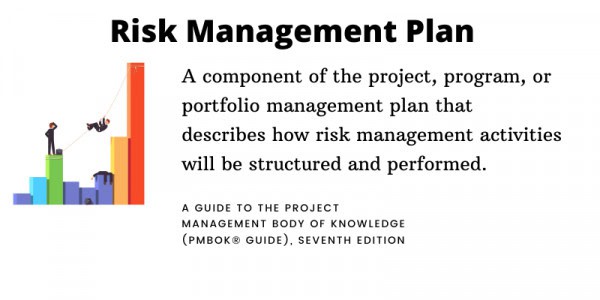
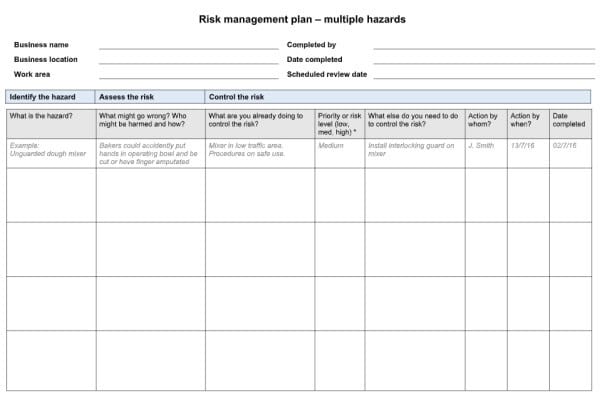
Risk Management Plan Template Word
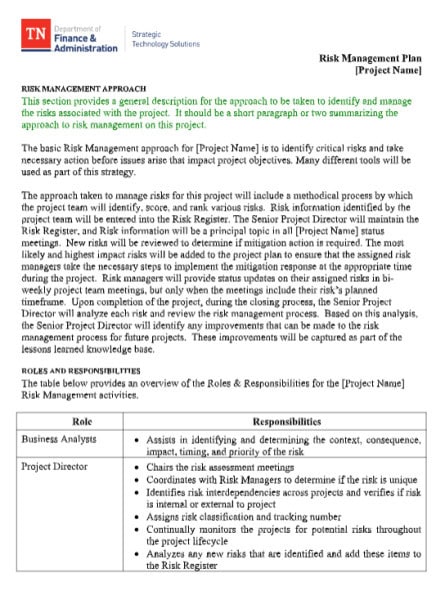
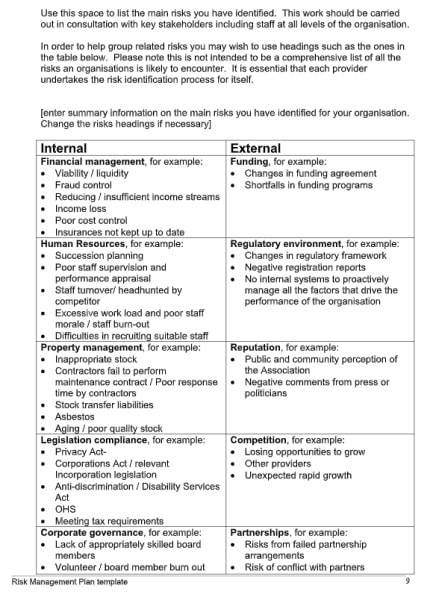
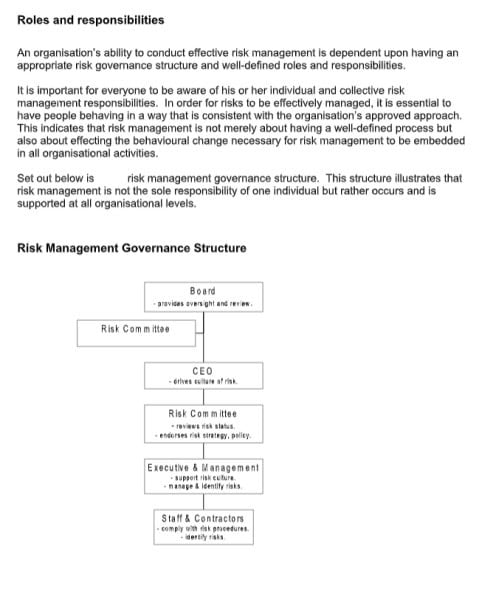
Microsoft Word templates are commonly used for creating detailed and structured risk management plans, particularly in traditional project environments. Word templates support standardized documentation, improve clarity, and make it easier for stakeholders to review and approve risk-related information across different stages of a project.
Benefits of Using Word Templates:
- Structured Documentation Format: Word templates provide a clear and professional layout, ensuring that all risks, mitigation strategies, and responsibilities are documented in a consistent and organized manner.
- Easy Customization: These templates can be easily modified to align with specific project requirements, organizational standards, or industry regulations without requiring advanced technical skills.
- Clear Stakeholder Communication: A well-formatted Word document is easy to distribute, review, and present, making it ideal for engaging stakeholders and securing approvals.

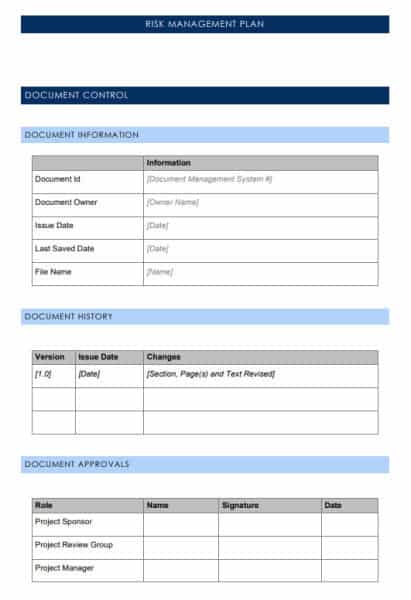
How To Create a Risk Management Plan
Creating a risk management plan requires a systematic and well-structured approach to ensure all potential risks are identified, assessed, and addressed effectively. This section breaks down the process into actionable steps that help project managers improve planning, enhance team collaboration, and maintain control over uncertainties throughout the project lifecycle.
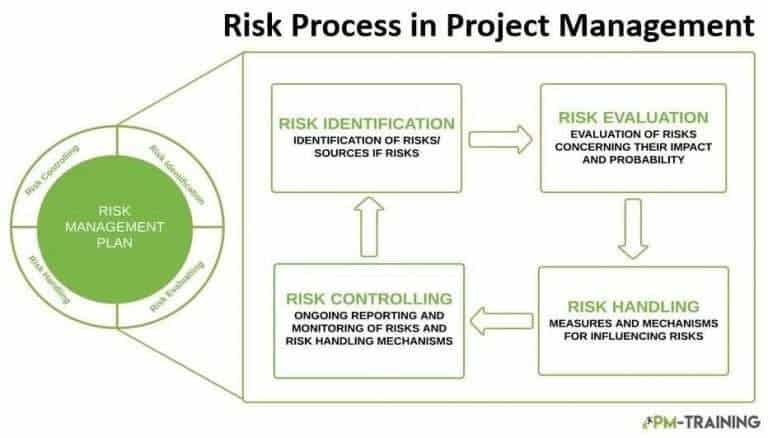
Identify the Risk
Identifying risks is the foundation of any effective risk management strategy. This step ensures that potential threats are recognized early, allowing teams to prepare proactively rather than reactively. A thorough identification process involves collaboration, historical analysis, and the use of structured tools to capture both obvious and hidden risks.
- Engage Team Members: Team members often have first-hand knowledge of potential risks based on their roles and experience. Involving them ensures that practical, real-world risks are captured early.
- Review Past Projects: Looking at historical data and previous project outcomes helps identify recurring issues and common pitfalls that can be proactively addressed.
- Use Analytical Tools: Techniques such as SWOT analysis, brainstorming sessions, and risk registers can help uncover both obvious and hidden risks.
Analyze the Risk
Once risks are identified, analyzing them provides a deeper understanding of their potential impact and likelihood. This step enables teams to prioritize risks effectively and allocate resources where they are needed most. A structured risk analysis ensures that decision-making is based on data rather than assumptions.
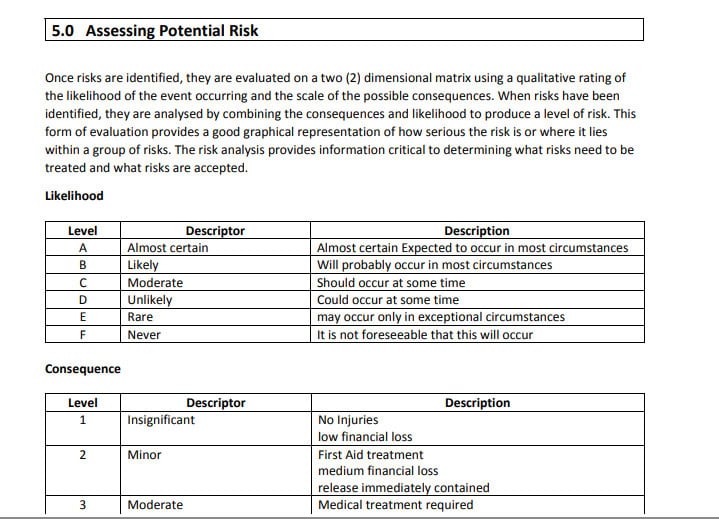
- Likelihood of Occurrence: Evaluates how probable it is that a risk will occur, helping prioritize high-risk scenarios.
- Potential Impact: Assesses the severity of the consequences if the risk materializes, including financial, operational, and reputational effects.
- Time Frame: Identifies when the risk is most likely to occur, allowing teams to prepare at the right stage of the project.
- Level of Uncertainty: Considers how predictable or unpredictable the risk is, which influences planning and mitigation strategies.
- Degree of Control: Determines how much influence the team has over the risk and whether it can be managed internally or requires external support.
Evaluate the Risk
Evaluating risks involves prioritizing them based on their severity and determining the most appropriate response strategies. This step ensures that the most critical risks receive immediate attention while less significant risks are monitored. Effective evaluation helps optimize resource allocation and supports better strategic decision-making.
- Assess Risk Probability: Helps rank risks based on how likely they are to occur, ensuring focus on high-probability threats.
- Define Mitigation Actions: Identifies specific steps that can reduce the likelihood of the risk occurring or minimize its impact.
- Reduce Impact: Focuses on contingency planning to limit damage if the risk does occur.
- Determine Risk Strategy: Based on analysis, decide whether to accept, transfer, or mitigate the risk, depending on its severity and business priorities.
Treat the Risk
Treating risks involves implementing strategies to manage or eliminate them based on the evaluation outcomes. This step transforms analysis into action, ensuring that risks are addressed proactively. Choosing the right treatment approach depends on the nature of the risk, available resources, and overall project objectives.
- Avoid the Risk: Modify project plans or scope to eliminate the risk entirely, often by removing high-risk elements.
- Reduce the Risk: Take proactive steps to lower the likelihood or impact, such as improving processes or adding safeguards.
- Transfer the Risk: Shift responsibility to a third party, such as outsourcing or insurance, to reduce direct exposure.
- Accept the Risk: Acknowledge the risk and prepare contingency plans when it is unavoidable or of low priority.
Monitor and Control the Risk
Risk management is an ongoing process that extends beyond planning and implementation. Continuous monitoring ensures that risks remain under control and that new risks are identified promptly. This step is essential for maintaining project stability and ensuring that mitigation strategies remain effective throughout the lifecycle.
- Establish Monitoring Systems: Implement tools and processes to track risks, ensuring mitigation strategies are being followed and remain effective.
- Report and Investigate Incidents: Create clear reporting mechanisms to identify issues early and prevent them from escalating into major problems.
- Continuously Improve Processes: Use insights gained from monitoring to refine risk management practices and improve future project performance.
Risk Management Plan Template Excel
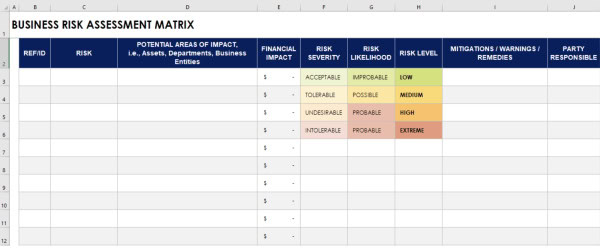
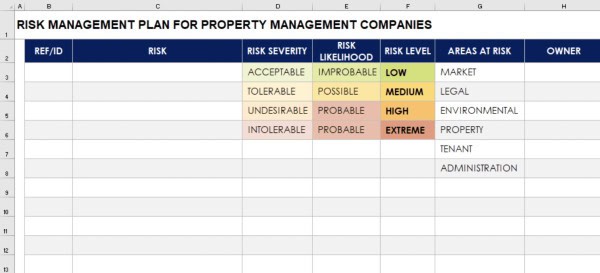
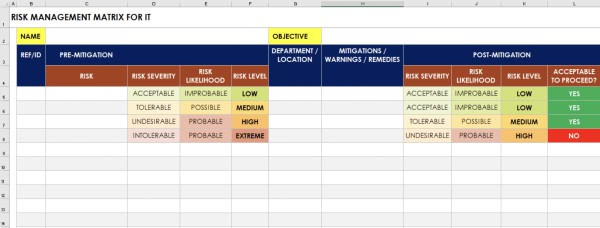
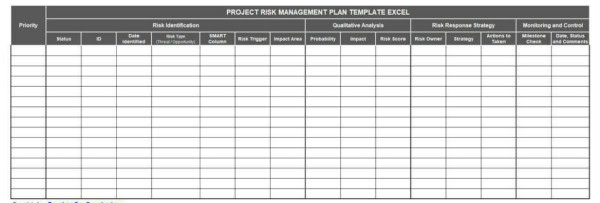
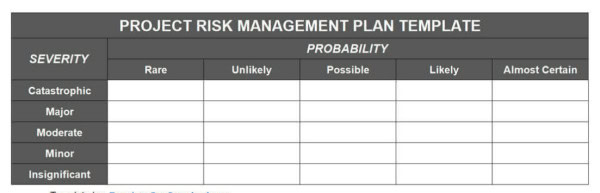
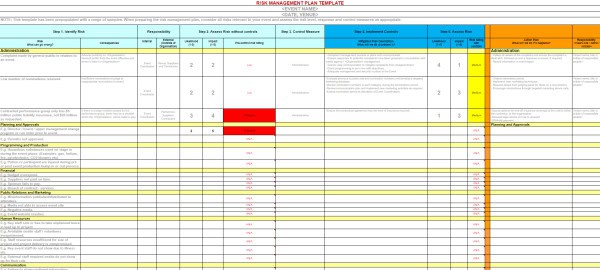
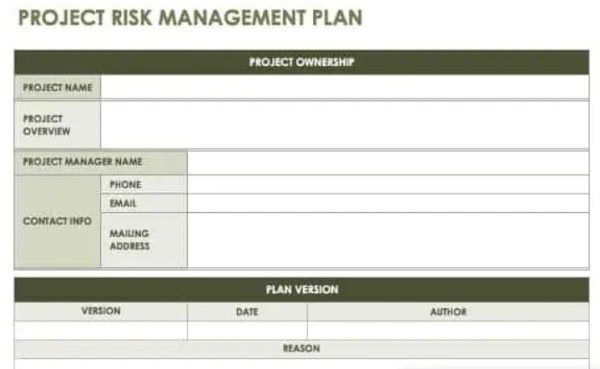
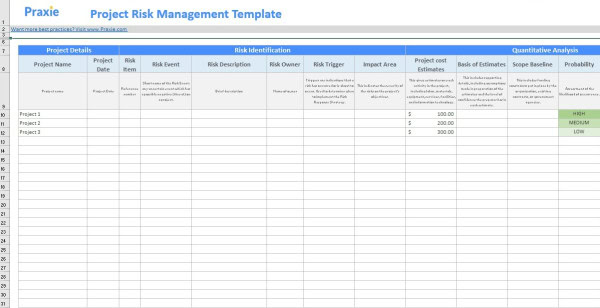
Excel templates provide a practical and flexible way to manage risks using structured data and visual tools. Excel can be used to track, analyze, and report risks efficiently, making it a valuable solution for project managers who require both simplicity and scalability.
Advantages of Excel Templates:
- Data Organization: Excel enables structured tracking of risks, including probability, impact, and mitigation strategies, all in one place.
- Customizable Dashboards: Visual tools such as charts and conditional formatting make it easier to identify high-risk areas quickly.
- Scalability: Excel templates can be adapted to suit projects of varying complexity, from simple initiatives to enterprise-level programs.
Risk Management Plan Template PDF
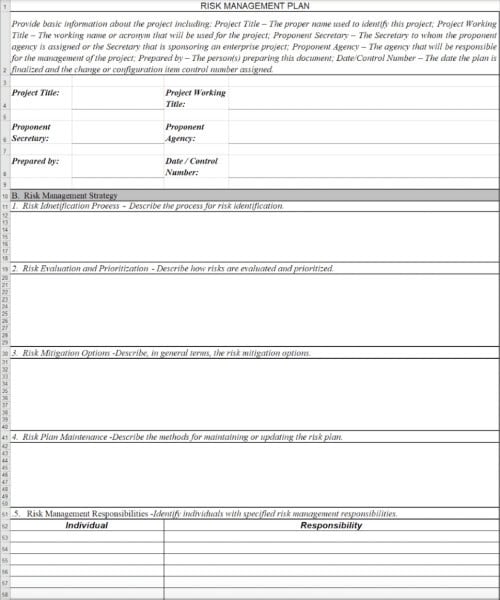
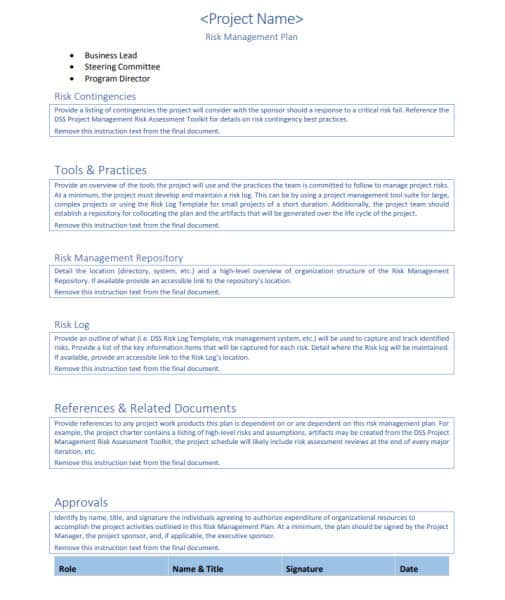
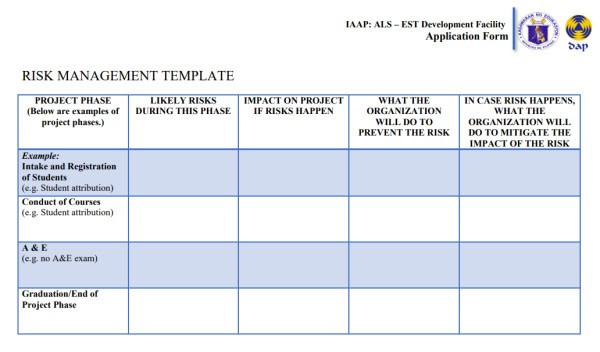
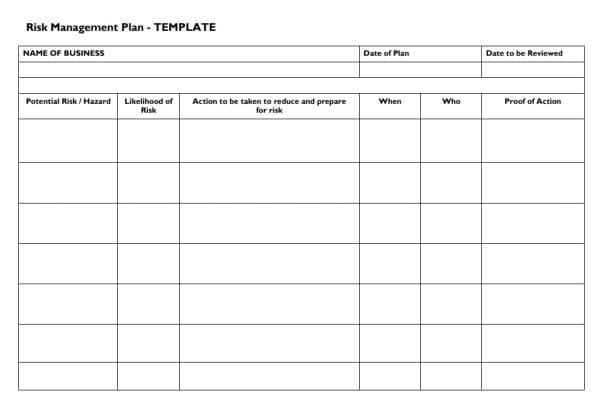
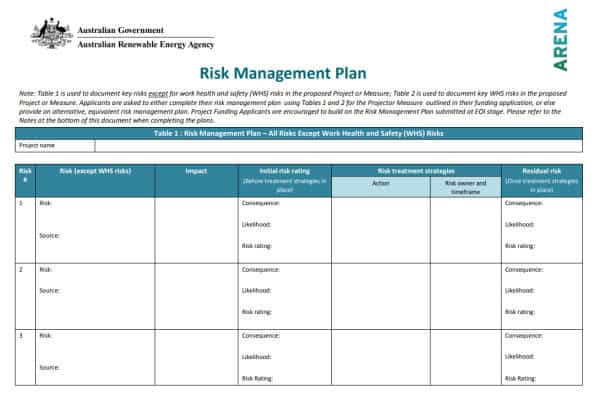
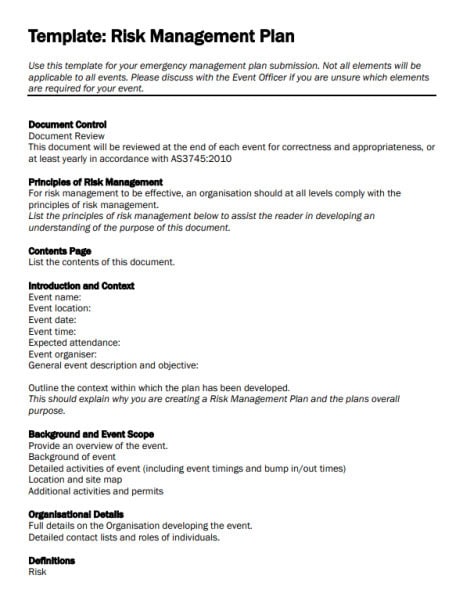
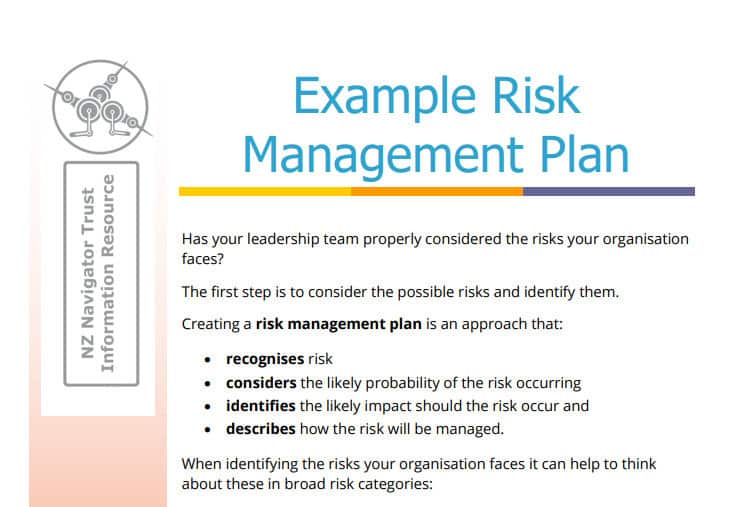
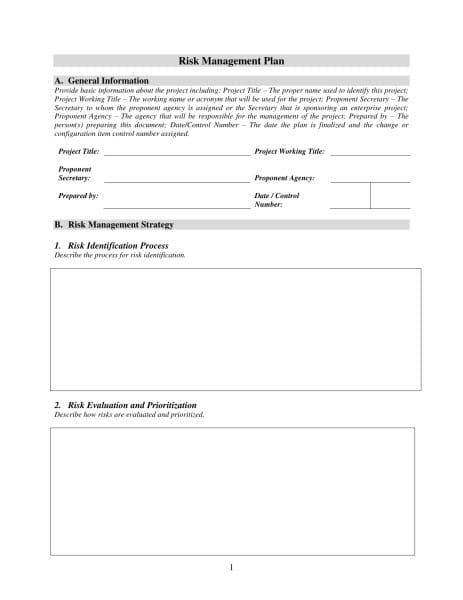
PDF templates are ideal for sharing finalized risk management plans in a secure and consistent format. PDF formats are useful, particularly in environments where document control and version consistency are critical for compliance and stakeholder communication.
When to Use PDF Templates:
- Final Documentation: Ideal for distributing approved versions of the risk management plan.
- Stakeholder Sharing: Ensures that all recipients view the same version without accidental changes.
- Compliance Requirements: Often required in regulated industries where documentation must remain unchanged.
Risk Management Plan Template Online Tools
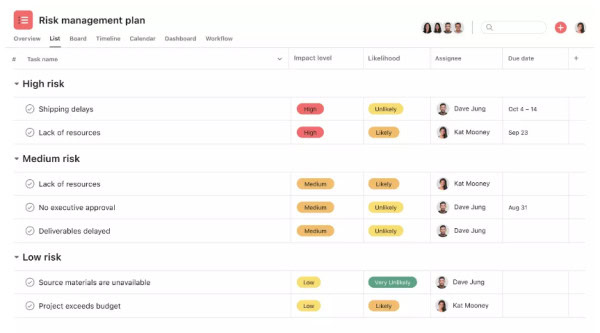
Online tools offer dynamic and collaborative environments for managing risks in real time, especially for remote and distributed teams. These platforms improve visibility, streamline communication, and integrate seamlessly with project management systems to enhance overall efficiency.
Popular Use Cases:
- Real-Time Collaboration: Multiple team members can update and track risks simultaneously, improving transparency and speed.
- Centralized Risk Management: Provides a single source of truth where all risks, updates, and mitigation plans are stored.
- Integration With Project Tools: Seamlessly connects with task management and workflow systems, improving overall efficiency.
Utilize risk management to identify opportunities
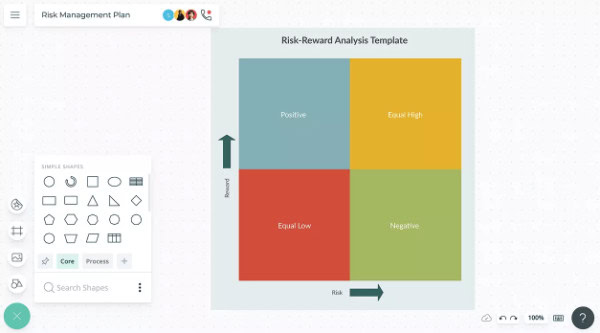
Risk management is often associated with minimizing negative outcomes, but it also plays a critical role in uncovering opportunities. This section focuses on how a proactive approach to risk can reveal strategic advantages, improve innovation, and enhance overall project performance when risks are viewed from a broader perspective.
- Turn Risks Into Opportunities: Some risks can lead to innovation, process improvements, or competitive advantages when approached strategically.
- Enhance Decision-Making: A deeper understanding of risks enables more informed and confident decisions.
- Increase Project Success Rates: Proactive risk management improves planning accuracy and overall project performance.
Identifying opportunities
What happens when you identify an opportunity during the risk management process? How do you know if it’s worth pursuing? By improving the risk management plan, project managers can improve the chances of project success. Here are a few things to look for when you’re trying to identify an opportunity during risk management:
- A risk that can be turned into an opportunity
- A risk that has a low likelihood of happening
- A risk that would have a positive impact if it did happen
If you see a risk that meets all three of these criteria, then it’s worth considering as an opportunity. Pursuing opportunities during risk management can help you boost your organization’s performance and better manage risks.
Video About Risk Management Plan
Conclusion
A well-structured risk management plan is essential for navigating the uncertainties that come with any project. By identifying, analyzing, evaluating, and treating risks early, project managers can minimize disruptions and keep projects on track. Whether you use Word, Excel, PDF, or online tools, having the right template ensures your team remains aligned, informed, and prepared to respond effectively to challenges throughout the project lifecycle.
Beyond minimizing threats, risk management also unlocks valuable opportunities that can drive innovation and improve overall project outcomes. By adopting a proactive mindset and leveraging the templates and strategies outlined in this guide, project managers can transform uncertainty into a competitive advantage. Start building your risk management plan today and set your projects up for long-term success.
FAQs
What is risk management?
Risk management is the process of identifying, analyzing, and responding to potential risks to minimize their impact on a project. It involves proactive planning, continuous monitoring, and implementing strategies to reduce uncertainty and protect project objectives, timelines, and budgets.
How to create a risk management plan?
A risk management plan document contains the objective of the plan, the executive summary, and the types and levels of risk identified. It should also outline mitigation strategies, assign risk owners, define monitoring processes, and be regularly updated throughout the project lifecycle.
What are the five levels of risk?
There are five levels of risk in project management: identify, analyze, evaluate, mitigate, and implement and control the risk. Each level builds on the previous one, ensuring risks are systematically discovered, assessed, prioritized, addressed, and continuously monitored for effective project risk management.
What is an opportunity in risk management?
Opportunities in risk management are identified by reviewing the current plan to find areas where risks can be turned into positive outcomes. This review highlights gaps, recommends improvements, and helps project managers leverage favorable conditions to boost performance, drive innovation, and achieve better project results.
Suggested articles:
- Risk Management Plan Template: Pull Key Risks from PDF Audits
- Project Risk Management Guide
- PMs Understanding Risk Exposure in Risk Management

Shane Drumm, holding certifications in PMP®, PMI-ACP®, CSM, and LPM, is the author behind numerous articles featured here. Hailing from County Cork, Ireland, his expertise lies in implementing Agile methodologies with geographically dispersed teams for software development projects. In his leisure, he dedicates time to web development and Ironman triathlon training. Find out more about Shane on shanedrumm.com and please reach out and connect with Shane on LinkedIn.