
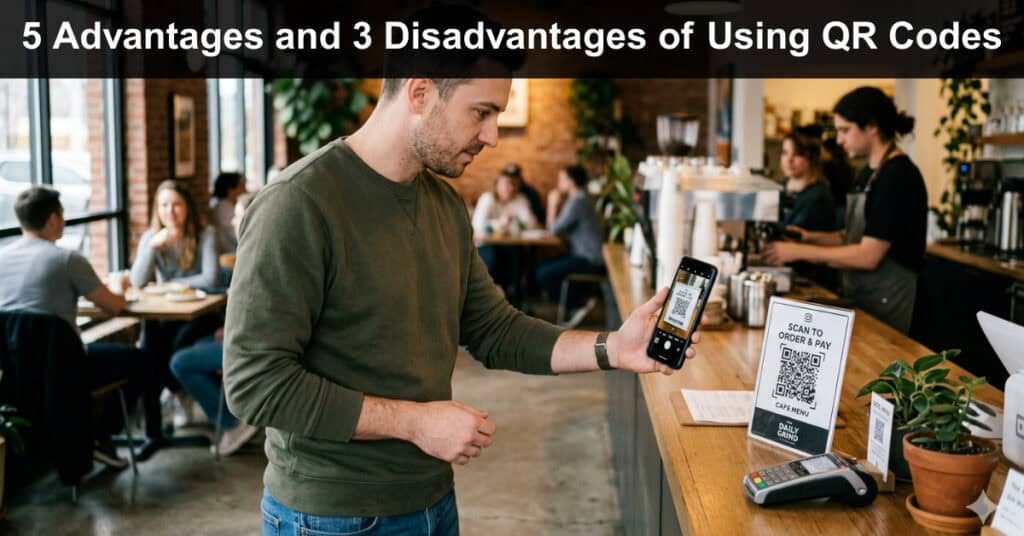
In a time when instant access to information is essential, QR codes have revolutionized how we interact with our surroundings. These square, pixelated images are now ubiquitous across industries, simplifying tasks like payments, accessing information, and even signing up for events. However, while they offer numerous advantages, there are also a few minor considerations to take into account.
In this article, we’ll focus on QR codes’ multiple benefits while also touching on some of their limitations, which do little to detract from their overall usefulness.
Top 5 Advantages of QR Codes
QR codes are used worldwide because they provide solutions to a variety of needs. Their versatility and functionality have made them a favorite in marketing, education, healthcare, and other sectors. Below, we highlight five key advantages of QR codes and how it makes everyday processes smoother and more efficient.
1. Instant Access to Information with One Scan
QR codes provide instant access to vast amounts of information, whether it’s a webpage, video, or an interactive form. For video-based content specifically, a video QR code can give users direct access to tutorials, demonstrations, promotional videos, or other visual resources with a single scan. The user experience is simplified because scanning a QR code removes the need to type in long URLs or search for information manually.
This is particularly useful for businesses looking to engage with customers quickly and effectively. For example, instead of handing out brochures at an event, you can provide a custom QR code that directs attendees to your website or promotional content. This reduces paper waste and allows for instant, effortless information access.
Real-life Example: A small business owner participating in a local trade show wants to engage visitors without the hassle of printing and distributing brochures. Using a QR code generator free online, they create a QR code that links directly to their website, where customers can access detailed product information, special promotions, and even sign-up forms for newsletters. Visitors at the booth simply scan the code on their smartphones, instantly accessing all the relevant information without the need for physical materials. This not only saves time but also provides a seamless customer experience.
2. Highly Customizable to Match Your Brand
Another fantastic advantage of QR codes is their ability to be customized, ensuring that they align perfectly with your branding. By using a free QR code creator, businesses can tailor their QR codes to reflect:
- Colors;
- Logos;
- Overall brand identity.
Customization not only makes the QR codes more visually appealing but also ensures that they match the company’s overall aesthetic and branding strategy. Custom QR codes that feature brand colors or logos make them more recognizable and consistent with the company’s visual language, making it easier for customers to identify the brand at a glance.
By employing a free QR generator, companies can create dynamic codes that evolve. For instance, they can update the link behind the QR code to reflect new promotional offers or direct users to different content without having to create a new QR code. This ability to modify the digital destination without changing the code is incredibly valuable, especially for marketing campaigns that shift frequently or need continuous updates.
Real-Life Example: A boutique coffee chain launching a seasonal menu wants to maintain brand consistency across all its marketing materials. Their designer creates a custom QR code using the brand’s signature green color and embeds the company logo in the center. The code is printed on coffee cups, loyalty cards, and window stickers. When the winter menu launches, they simply update the link destination to the new menu page — no need to reprint anything. Customers recognize the branded code instantly and trust it because it reflects the café’s familiar visual identity.
3. Cost-Effective and Environmentally Friendly
One of the greatest advantages of QR codes is that they are highly cost-effective. Creating a free QR code eliminates the need for expensive printed materials, such as brochures, flyers, or physical advertisements. QR codes serve as a digital alternative in industries like hospitality and retail, where printed menus or product lists would otherwise be necessary. This not only reduces the costs associated with printing but also aligns with environmentally conscious initiatives by minimizing paper waste.
Real-Life Example: A mid-sized restaurant chain previously spent thousands of dollars each year reprinting laminated menus whenever prices changed or seasonal dishes were added. After switching to QR code menus placed on each table, they eliminated printing costs. Customers scan the code to view an always-up-to-date digital menu on their smartphones. The restaurant estimates saving over $8,000 annually in printing costs while also reducing its environmental footprint, a win both financially and for sustainability-minded diners.
4. Wide Range of Applications Across Industries
One of QR codes’ strongest points is their versatility. QR codes are not limited to any specific industry but instead offer solutions to a wide variety of sectors, including healthcare, education, retail, real estate, and more. In the retail industry, QR codes are used to enhance the in-store shopping experience by allowing customers to scan products and receive detailed descriptions or even customer reviews. In real estate, QR codes provide potential buyers with detailed property listings, floor plans, and even virtual tours, all accessible through a simple scan.
Real-Life Example: A regional hospital system introduced QR codes on patient wristbands to streamline care. Nurses and doctors scan the code at the bedside to instantly pull up the patient’s medical history, current medications, and allergy information, eliminating the need to manually search records or risk miscommunication between shifts. The system reduced medication errors by 30% in its first year and significantly improved the speed of care during busy emergency room hours.
5. Easy to Use and Compatible with Modern Devices
One of the most significant advantages of QR codes is their simplicity. Nearly all smartphones have built-in QR code scanning capabilities, making them user-friendly for a broad audience. Downloading additional apps is unnecessary, and scanning a QR code takes only a few seconds. This ease of use extends across many platforms, meaning users can access digital content on mobile devices, tablets, or even smartwatches.
For businesses, the fact that customers already have the tools they need to scan a QR code means that implementing QR code solutions is seamless and doesn’t require training or technical support. The quick response that QR codes provide gives users immediate access to digital content, allowing businesses to engage their audience more effectively.
Real-Life Example: A public library system rolled out QR codes on bookmarks and shelf labels throughout its branches. Patrons of all ages, from teenagers to senior citizens, simply point their phone camera at the code to access audiobook versions, author interviews, reading lists, and event registrations. Library staff reported that even members who were initially hesitant about technology found the one-step scanning process intuitive and easy to use, leading to a 45% increase in digital resource engagement within three months.
Top 3 Disadvantages of QR Codes
While QR codes are overwhelmingly positive in terms of their benefits, it’s important to acknowledge a few minor considerations. These limitations are small and easily addressed with proper planning.
1. Technology Dependency
QR codes require access to smartphones or devices with a camera and QR code scanning capabilities. Although the vast majority of people possess such devices, there may be a small subset of the population that does not. However, as smartphone adoption continues to grow globally, this limitation is becoming less of an issue.
Real-Life Example: A rural community health clinic implemented QR codes on appointment reminder cards to allow patients to confirm or reschedule visits online. While most patients found this convenient, a segment of older patients without smartphones was unable to use the feature. The clinic resolved this by keeping a traditional phone-in option alongside the QR code, ensuring no patient was left without a way to manage their appointments.
Solution: Always pair QR codes with a fallback option. Include a short URL, phone number, or printed instructions alongside every QR code so that users without compatible devices are never left without a path forward. Designing for inclusivity from the start ensures your QR code strategy works for the widest possible audience.
2. Potential for Aesthetic Disruption
While QR codes can be customized, their square, pixelated design may not always complement certain visual styles. Some businesses may find QR codes distracting or out of place in high-end branding or elegant designs. However, this concern can be mitigated by incorporating logos or colors into the custom QR code design.
Real-Life Example: A luxury hotel chain wanted to offer guests a digital concierge experience but found that standard black-and-white QR codes clashed with the refined aesthetic of their printed room directories and menus. Their design team worked with a custom QR code service to create elegant, gold-toned codes embedded with the hotel’s crest. The result was a code that felt like a natural extension of the brand’s premium look rather than an afterthought, and guest engagement with the digital concierge increased significantly.
Solution: Invest in a custom QR code design rather than using default black-and-white generators. Tools that allow color matching, logo embedding, and shape customization can transform a QR code from a visual interruption into a polished brand element. When in doubt, work with a graphic designer to integrate the code naturally into your existing layout rather than placing it as an afterthought.
3. Security Concerns
While QR codes are safe to use when provided by trusted sources, there is a slight risk of users scanning codes from unknown sources that may lead to malicious websites. To mitigate this, users should be educated to only scan codes from reputable and known organizations, reducing the risk of security concerns.
Real-Life Example: In a well-documented case, fraudsters placed fake QR code stickers over legitimate parking payment codes in several city lots, redirecting drivers to a spoofed payment site designed to steal credit card information. The city responded by launching a public awareness campaign educating residents to verify QR code sources before scanning, use official city apps for payments, and report any suspicious stickers. This incident highlighted the importance of user education and physical security around QR code placements in public spaces.
Solution: Businesses can take several proactive steps to protect their customers. Use tamper-evident labels on physical QR codes so any interference is immediately visible. Display your QR codes only on verified, branded materials and educate your audience to look for your logo or branding before scanning. For high-risk environments like payments, pair QR codes with a visible URL preview so users can confirm the destination before proceeding. Regularly audit your physical QR placements to check for unauthorized stickers or tampering.
Conclusion
Overall, the pros of QR codes significantly outweigh their minor limitations. They provide an innovative way to connect physical and digital worlds, allowing businesses and individuals to share information seamlessly. With tools like me-qr.com, companies can easily create qr code free and integrate them into their marketing, operations, and customer engagement strategies.
As technology continues to evolve, QR codes are likely to become even more embedded in our everyday lives. Their ease of use, cost-effectiveness, and ability to bridge physical and digital experiences make them a valuable tool for any business or individual looking to stay connected in the digital age.
Suggested articles:
- Top 10 Pros and Cons of Using Dynamic QR Codes in Project Management
- How QR Codes Are Revolutionising PM Workflows
- Top 10 Benefits of Using Digital Business Cards in Business Network

Daniel Raymond, a project manager with over 20 years of experience, is the former CEO of a successful software company called Websystems. With a strong background in managing complex projects, he applied his expertise to develop AceProject.com and Bridge24.com, innovative project management tools designed to streamline processes and improve productivity. Throughout his career, Daniel has consistently demonstrated a commitment to excellence and a passion for empowering teams to achieve their goals.