
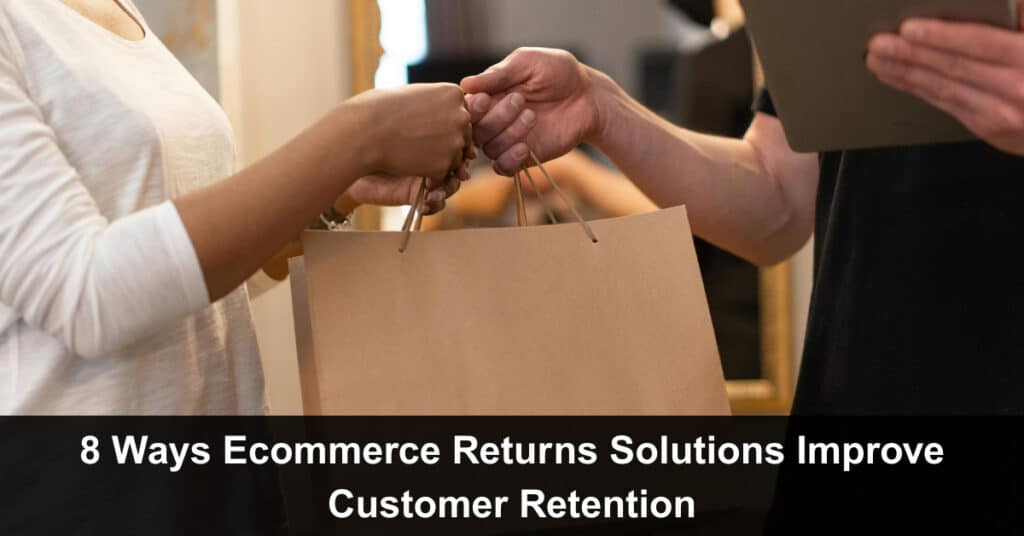
Customers are more likely to return as repeat customers when they feel they can return an item without hassle. Customers can be lost due to inadequate return management, but by gaining their trust, they could become repeat customers with an e-commerce return solution. Through the following examples, you will learn the ways that the solutions to e-commerce returns strengthen retention.
1. Clear and Easy Return Policies
When customers assess their options, they are usually more likely to look at more complex return policies that they want instead of returning them. Customers will feel more confident when using e-commerce return solutions, displaying some return policies. This means that customers can be guided through the refund process, providing time limits for the exchange process, and stating the policies. Transparency is achieved by:
- Simplifying legal jargon into plain language that any shopper can understand.
- Highlighting the return window clearly on the product page and checkout screen.
- Providing a dedicated FAQ section for common return-related questions.
Real-Life Example: A high-end fashion retailer simplified their 10-page legal return document into a three-step infographic. By making the rules easy to digest, they reduced customer service inquiries by 30%. Shoppers felt more secure making expensive purchases, knowing exactly how to send items back, which directly led to a noticeable increase in first-time buyer conversion rates.
2. Automated Return Processing
Always remember that managing returns manually takes a lot of time and can lead to many mistakes. That’s why using ecommerce returns solutions automates generating return labels, tracking requests, and updating inventory. Moreover, streamlining workflows gives teams a chance to focus on assisting buyers and gives customers a return experience that is hassle-free and reinforces trust in your brand. Automation improves the flow by:
- Generating instant shipping labels that customers can print at home or at a kiosk.
- Syncing inventory levels in real-time so returned items are available for resale faster.
- Triggering internal alerts for warehouse staff to prioritize incoming return packages.
Real-Life Example: An electronics store moved from manual email-based returns to an automated portal. Previously, it took three days to issue a return label; now, it takes seconds. This efficiency saved the staff twenty hours a week and eliminated human error in shipping addresses. Customers praised the speed, significantly boosting the brand’s Net Promoter Score and repeat orders.
3. Flexible Return Options
Solutions provide a variety of options, such as returning the product to the store, pickup with the courier, or returning the product to a collaborating location. When people have flexible choices, they are satisfied with the process because they can choose the return process that is the most convenient. Offering customers a hassle-free experience is motivating and will likely result in repeat purchases. Flexibility is offered through:
- “Buy Online, Return In-Store” (BORIS) programs to drive physical foot traffic.
- Printerless returns using QR codes at local drop-off points or lockers.
- Scheduled doorstep pickups for heavy or bulky items like furniture.
Real-Life Example: A popular shoe brand partnered with local grocery stores to serve as “drop-off hubs.” Customers loved the convenience of returning boots while doing their weekly shopping without needing a box or tape. This flexible approach lowered the brand’s shipping costs and increased customer satisfaction scores, as the return process finally fit into the user’s daily routine.
4. Instant Refund or Exchange Notifications
When a return is made, communication is very important, and when it is done in less time, it shows good organisation. Automatic notifications are sent to customers to confirm they received the return, the approval, and all other steps of the return process. The less time customers have to wait, the less uncertainty, and customers will recognise the order and organised process of your business. Communication is strengthened by:
- Sending SMS alerts the moment a return package is scanned by the carrier.
- Providing a tracking link specifically for the return journey to the warehouse.
- Confirming refund processing immediately upon inspection approval.
Real-Life Example: A skincare company implemented automated “status updates” for returns. Customers received a text when their package was received and an email when the refund was initiated. This proactive communication reduced “Where is my refund?” calls by 50%. By keeping customers informed, the brand eliminated the anxiety of the “black hole” return, fostering deeper consumer loyalty.
5. Data-Driven Insights on Returns
Keep in mind that product returns can teach us about product quality, sizing, or even the buyer. Returns management solutions learn and describe patterns, helping you analyse trends and make solutions. This could refine descriptions and change the quantity or quality of the control. Data-driven decisions involve:
- Identifying “serial returners” to tailor marketing or loyalty program access.
- Spotting high-defect items to pull them from the site before more complaints arrive.
- Analyzing sizing feedback to provide better “true to size” recommendations.
Real-Life Example: An online apparel brand used return data to discover that a specific dress had a 60% return rate because it “ran small.” They updated the product description with a sizing warning and adjusted their manufacturing specs for the next batch. Returns for that item dropped by 25%, saving the brand thousands in shipping and restocking fees.
6. Reduced Friction Across Channels
Customers can make returns from different sales channels, such as via marketplaces or social media. E-commerce returns management solutions centralise all requests, and maintain simplicity and uniformity, no matter which sales channel customers use. Don’t forget that having this simple approach enhances the brand equity and ensures that the returns are quicker from every sales channel. Omnichannel consistency is managed by:
- Centralizing all return data into a single dashboard for customer support.
- Maintaining the same return window across Amazon, eBay, and your own site.
- Using unified branding on all return portals and communication emails.
Real-Life Example: A kitchenware brand selling on Instagram and its own website integrated a centralized return system. Regardless of where the customer bought the pan, the return process looked and felt identical. This consistency eliminated confusion and reinforced the brand’s professional image, encouraging social media shoppers to eventually transition into direct customers on the main website.
7. Encouraging Repeat Purchases
The opportunity to streamline return services creates a negative experience and turns it into a positive experience, driving customers to make more purchases. With return services, it is common to offer store credit or even put discount coupons to encourage them to make a purchase. Turning returns into sales happens by:
- Offering “Instant Credit” so shoppers can buy a replacement before the return is processed.
- Suggesting similar items during the digital return process to spark an exchange.
- Providing a “Bonus Credit” (e.g., $5 extra) if the user chooses store credit over a refund.
Real-Life Example: An athletic wear brand offered customers an extra $10 in credit if they chose an exchange instead of a cash refund. 40% of returning customers took the credit and spent an average of $25 more than their original purchase. This strategy transformed a potential loss into a revenue-generating event while keeping the customer in the ecosystem.
8. Cost Control and Fraud Prevention
Returns can quickly eat into profits when left unmanaged. E-commerce return solutions help set rules, flag unusual return behaviour, and reduce unnecessary refunds. By controlling who qualifies for returns and tracking patterns, your business limits abuse while keeping policies fair. Protection is built in by:
- Setting “non-returnable” rules for final sale or hygiene-sensitive items.
- Blacklisting accounts that exhibit fraudulent “wardrobing” behavior.
- Verifying product condition via photo uploads before approving a return label.
Real-Life Example: A luxury handbag site implemented a “photo-verification” step in their return portal. Customers had to upload three photos showing that the bag was unused. This simple step deterred fraudulent returns and “wardrobing” (buying for one-time use). The brand saved 15% on return costs annually by only shipping labels for verified, resalable items, protecting their bottom line.
Transform Returns Into Loyalty Drivers
By offering clear policies, automation, flexible options, consistent communication, and actionable insights, you create an experience that reassures buyers and encourages repeat business. When returns are managed effectively, customers feel valued and understood, strengthening trust in your brand. Investing in the right solution transforms returns from a potential problem into a strategic advantage.
Suggested articles:
- 10 Best Tech Solutions for Your E-Commerce Startup
- Integrating Advanced Tech in Your Customer Service Strategy
- Reward Program Psychology: How Businesses Drive Customer Engagement

Daniel Raymond, a project manager with over 20 years of experience, is the former CEO of a successful software company called Websystems. With a strong background in managing complex projects, he applied his expertise to develop AceProject.com and Bridge24.com, innovative project management tools designed to streamline processes and improve productivity. Throughout his career, Daniel has consistently demonstrated a commitment to excellence and a passion for empowering teams to achieve their goals.