
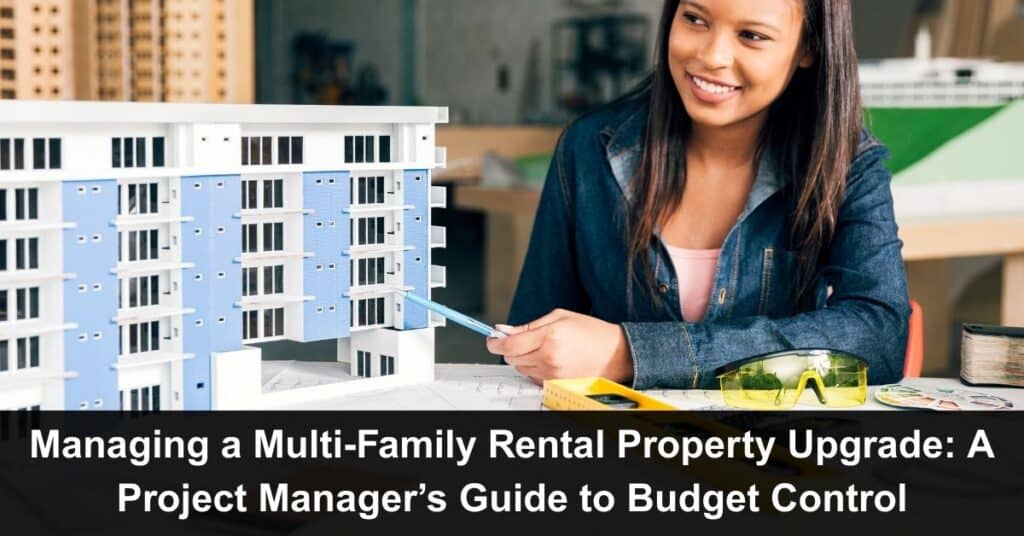
Running a renovation project for a multi-family complex is a completely different beast from fixing up a single-family home. The math works differently here. When you are dealing with a single house, a small pricing error on a cabinet handle might cost you fifty bucks. However, on a 100-unit apartment complex, miscalculating that same item by just five dollars creates a $500 hole in your budget instantly. That multiplier effect is dangerous.
To keep a project like this on the rails, you need more than just a clipboard and a deadline. It requires a specific mix of financial rigidity and creative scheduling. You have to ensure that every dollar you push out the door is doing two things: making the tenants happier and improving the asset’s financial standing.
Nail Down the Scope of Work
The quickest way to blow a budget is to start with a vague plan. Before you even talk to a contractor, you need an absolutely bulletproof specification sheet. If you just write “install new flooring” on a bid request, you are asking for trouble. One contractor might quote you for cheap laminate, while another quotes for high-end tile. You have to get specific.
- The scope needs to list the exact product details, such as “Luxury Vinyl Plank, 20 mil wear layer, Heritage Oak finish.”
- When contractors see vague instructions, they get nervous.
- Consequently, they often pad their bids with extra money to protect themselves from the unknown.
By spending the extra time to pick out specific model numbers (SKUs) for your lights, faucets, and appliances, you eliminate that wiggle room. This allows you to compare bids apples-to-apples (i.e., making sure everyone is pricing the same work).
Pick the Right Team for the Volume
Once you know what you want, you need people who can actually pull it off. In the multi-family game, the cheapest bid is usually a trap. A small-time contractor might give you a great price, but if they don’t have the crew to handle ten units at once, you will lose money on lost rent. When you are vetting people, look for these traits:
- Manpower: Do they have enough crew members to turn units quickly without stalling?
- Cash Flow: Can they buy materials without needing a huge deposit upfront?
- Track Record: Have they successfully renovated a complex of this size in the last 12 months?
Since you are dealing with repetitive updates (e.g., 50 identical bathrooms), you should also look at buying materials yourself. If you go directly to a wholesaler for 50 toilets and 50 vanities, you can often get a bulk discount that a general contractor might not pass on to you.
Leverage the Tax Code for Cash Flow
Smart project managers look at renovations differently. They don’t just see expenses; they see capital improvements that can be used to lower the tax bill. This is a major factor right now because the rules have shifted in favor of investors. The “Big Beautiful Bill” restored 100% bonus depreciation, which significantly changes the math for upgrades.
If you classify your renovations correctly, you don’t have to wait 27.5 years to write off the costs. Many things you buy for a renovation, like carpets or appliances, can be written off much faster. By planning your upgrades around these rules and keeping tight records, you can unlock massive tax savings for apartment owners. For example:
- A $500,000 renovation project on inherited property could potentially trigger $150,000 or more in accelerated depreciation.
- That is real cash that stays in your pocket instead of going to the IRS.
- You can then use that liquidity to pay down debt or fund the next phase of construction, making your budget go much further than you originally planned.
Focus on High-Impact Items
To get the best rental increases and the best tax treatment, you should focus your budget on items that fall into the “5-year property” category. These are assets that the tax code allows you to depreciate very quickly, and they happen to be the things tenants care about most. You should look at incorporating items such as:
- Tech Upgrades: Things like smart locks, USB outlets, and electronic access systems are relatively cheap but add high perceived value.
- Amenities: New gym equipment, pool furniture, or package lockers for deliveries.
- Interior Finishes: Removable floor coverings (like LVP), window blinds, and specialized lighting.
While you obviously have to maintain the mundane stuff like plumbing and roofs, these 5-year items give you a double win: tenants pay more for them, and you get a faster tax write-off.
Obsessive Record Keeping
If you want to stay on budget, you have to track everything. This goes way beyond tossing receipts in a folder. You need to act like a librarian for your project data. Every invoice needs to be broken down. You need to know exactly how much labor was and how much the materials were, and which specific unit the work was for.
This detail is crucial for two reasons:
- First, it lets you see if you are bleeding money in real-time so you can fix it.
- Second, when tax season comes around, or if you hire an engineer for a cost segregation study, you have the proof you need to claim those deductions we talked about earlier.
You should also take photos constantly. Snap pictures of the walls before they get closed up, and take photos of the new appliances once they are installed. These photos are your proof that the work was done and the assets exist.
The “Just in Case” Fund
Construction never goes exactly to plan. You might open a wall and find old, dangerous wiring, or dig up a parking lot and hit a drainage issue. If your budget doesn’t have a safety net, you are setting yourself up to fail. For a multi-family project, you need a contingency fund of at least 10% to 20%. This money needs to be set aside and untouched unless there is a genuine emergency. It is not for adding cool new features halfway through the project; it is for fixing problems you didn’t see coming.
If you get to the end of the renovation and you haven’t touched that money, great. You can use it to upgrade the last few units or just put it back in the bank. But viewing that contingency as a survival tool rather than extra spending money is the only way to ensure you don’t run out of cash before the job is done.
Conclusion
Managing a renovation at this scale is complex, but it is manageable if you stay organized. By defining your scope clearly, hiring the right people, and using the tax code to your advantage, you can turn a stressful project into a profitable one. The key is maintaining discipline throughout the process, tracking every expense meticulously, and staying flexible when unexpected challenges arise. With proper planning and execution, your multi-family renovation will deliver strong returns.
Suggested articles:
- What Project Managers Can Learn From Real Estate Productization
- The Role of Project Management in Real Estate Development
- The Role of Project Managers in Real Estate Investment Success

Daniel Raymond, a project manager with over 20 years of experience, is the former CEO of a successful software company called Websystems. With a strong background in managing complex projects, he applied his expertise to develop AceProject.com and Bridge24.com, innovative project management tools designed to streamline processes and improve productivity. Throughout his career, Daniel has consistently demonstrated a commitment to excellence and a passion for empowering teams to achieve their goals.