
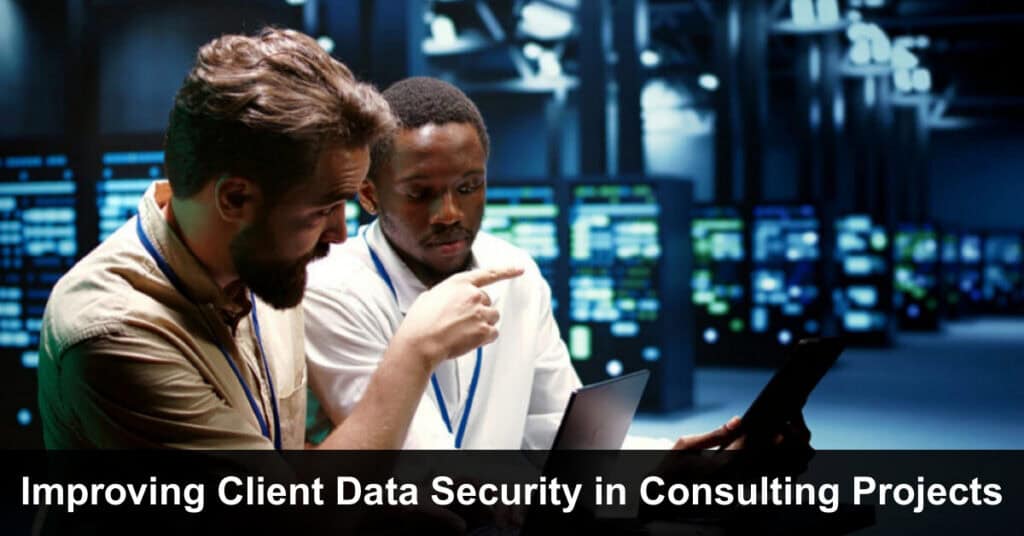
In the modern consulting environment, data is one of the most critical assets shared between consultants and their clients. Consulting projects frequently involve confidential financial details, internal strategies, intellectual property, and personal information. As digital collaboration, cloud systems, and remote work continue to expand, the risks associated with data exposure and cyber threats have grown as well. Protecting client information is no longer just a technical task; it is a fundamental responsibility for consulting firms.
To address these challenges, many firms are turning to advanced security solutions such as TSplus Advanced Security. By adopting strong security practices from the beginning of a project, consulting teams can reduce vulnerabilities, protect sensitive information, and demonstrate a strong commitment to client confidentiality throughout the engagement.
The Unique Security Challenges in Consulting Projects
Consulting projects are often fast-paced and flexible, with teams forming and evolving quickly. Consultants may need short-term access to client systems, work across different regions, and connect using various devices. This constant movement creates multiple potential entry points for cyber threats if security is not tightly managed. Another challenge lies in the temporary nature of access rights. Consultants may be granted elevated permissions to complete specific tasks, but if these permissions are not properly reviewed and revoked, they can remain active long after a project ends.
Cybercriminals are aware of these weaknesses and increasingly target consulting firms as gateways to multiple organizations. This makes structured and well-managed security controls essential. Given the fluid structure of consulting engagements and the temporary yet elevated access consultants often receive, security must be designed to adapt in real time rather than remain static.
- Project Onboarding Risk Assessment: Every engagement should begin with a defined security checklist outlining access scope, device standards, and compliance requirements before any credentials are issued.
- Device Standardization Policies: Consultants working from personal or mixed-use devices should meet predefined security baselines, including patch levels and endpoint protection.
- Exit Protocol Enforcement: A mandatory offboarding workflow should automatically trigger credential audits, access revocation, and confirmation logs at project completion.
Encryption as the Foundation of Data Protection
Encryption is one of the most important elements of protecting client data. It ensures that information remains unreadable to unauthorized users, even if it is intercepted or accessed without permission. In consulting projects, data is constantly being shared, stored, and accessed remotely, making encryption a vital safeguard. Secure encryption protects sensitive documents, credentials, and communications during remote access sessions.
Consultants often need to connect to client systems from different locations, and encrypted connections help prevent data exposure during these interactions. By making encryption a standard practice, consulting firms can significantly reduce the risk of data compromise. With sensitive information continuously moving between consultants, clients, and cloud systems, encryption must function as a default safeguard rather than an optional layer.
- End-To-End Encryption Standards: Ensure encryption covers both data in transit and at rest, including backups and archived materials.
- Key Management Discipline: Secure handling and rotation of encryption keys prevents internal vulnerabilities from undermining strong encryption protocols.
- Encrypted Collaboration Platforms: File-sharing and messaging tools used during projects should enforce encryption automatically to eliminate human error.
The Role of Multi-Factor Authentication
Relying solely on passwords is no longer sufficient in today’s threat landscape. Weak or reused passwords remain one of the most common causes of security breaches. Multi-factor authentication adds an extra layer of protection by requiring additional verification steps beyond a simple password. For consulting teams that frequently work remotely or across multiple platforms, multi-factor authentication is especially valuable.
Even if login credentials are stolen, attackers are far less likely to gain access without the additional verification factor. This approach helps protect sensitive systems and client data throughout the consulting lifecycle. Since identity-based attacks remain one of the most common breach methods, strengthening authentication is no longer a precaution—it is a requirement.
- Adaptive Authentication Policies: Implement risk-based authentication that triggers additional verification for unusual login behavior or unfamiliar locations.
- Hardware-Based Authentication Options: Physical security keys provide stronger protection than SMS-based verification methods.
- MFA Enforcement Across All Systems: Multi-factor authentication should extend to VPNs, cloud dashboards, project management tools, and administrative portals without exception.
Access Control Policies and the Principle of Least Privilege
Effective access control is a cornerstone of secure consulting operations. The principle of least privilege ensures that users only have access to the information and systems they need to perform their tasks. This limits the potential impact of both accidental mistakes and intentional misuse. By implementing role-based access controls, consulting firms can tailor permissions based on responsibilities, project scope, and duration.
When roles change or projects conclude, access can be adjusted or removed quickly. This structured approach reduces unnecessary exposure and helps maintain a clean and secure access environment. Controlling who can access systems is only effective when permissions are continuously evaluated and aligned with actual project needs.
- Scheduled Permission Audits: Quarterly or project-phase reviews ensure access rights remain accurate and justified.
- Segmentation of Sensitive Environments: Critical financial or strategic data should exist in restricted environments separated from general collaboration areas.
- Approval-Based Privilege Escalation: Temporary elevated access should require documented justification and automatic expiration timelines.
Advanced Security Tools for Proactive Threat Prevention
As cyber threats become more sophisticated, proactive security measures are increasingly important. Advanced security tools can identify unusual behavior, block suspicious login attempts, and prevent attacks such as brute-force intrusions or ransomware before they cause harm. For consulting firms, these tools provide continuous protection across multiple projects and client environments.
Centralized monitoring and alerting also give IT teams greater visibility into system activity, allowing faster response to potential incidents. This proactive stance helps maintain both security and compliance with industry regulations. Because modern threats evolve faster than manual oversight can handle, automated detection and response mechanisms are essential.
- Behavioral Analytics Monitoring: Systems that learn normal usage patterns can flag anomalies before damage occurs.
- Centralized Security Dashboards: Consolidating logs across projects simplifies oversight and reduces blind spots.
- Incident Simulation Exercises: Running internal breach simulations strengthens readiness and exposes procedural weaknesses.
Building Client Trust Through Strong Security Practices
Strong data security directly contributes to client confidence. Clients expect consulting firms to handle their information responsibly and securely. Demonstrating the use of advanced security measures reassures clients that their data is protected at every stage of the project. A single security incident can lead to financial losses, legal challenges, and long-term damage to client relationships.
For firms handling sensitive or regulated data, where that information physically lives is part of this conversation too—working with a colocation facility built around security and resilience adds a layer of assurance that software controls alone cannot provide. By prioritising security at every level, consulting firms reinforce their credibility and professionalism.
- Transparent Security Communication: Providing clients with clear explanations of protective measures builds confidence.
- Security Certifications and Compliance Alignment: Demonstrating adherence to recognized standards strengthens credibility.
- Post-Project Security Reporting: Offering a final security summary reassures clients that all access was properly closed.
Integrating Security Into the Consulting Workflow
For security measures to be effective, they must fit naturally into everyday consulting activities. Solutions like TSplus Advanced Security are designed to enhance protection without disrupting productivity, allowing consultants to work efficiently while maintaining strong defenses. For security to be sustainable, it must support productivity instead of obstructing it.
- Continuous Improvement Reviews: Periodic evaluation of security processes ensures policies evolve alongside technology and project demands.
- Security-First Onboarding Training: Consultants should receive structured guidance on secure system use before engaging with client data.
- Workflow Automation for Security Tasks: Automating access requests, approvals, and logging reduces administrative friction.
Conclusion
Ultimately, improving client data security in consulting projects requires a comprehensive strategy. Encryption, multi-factor authentication, controlled access policies, and advanced security tools all play a vital role. By embedding these practices into their workflows and maintaining a proactive approach, consulting firms can protect sensitive client data and confidently operate in increasingly digital and remote environments.
Suggested articles:
- The Business Owner’s Guide to Cybersecurity: Keeping Data and Systems Safe
- Inside the Vault: Advanced Security Features of Virtual Data Rooms
- Cybersecurity for SMBs: 10 Tips That Won’t Break the Bank

Daniel Raymond, a project manager with over 20 years of experience, is the former CEO of a successful software company called Websystems. With a strong background in managing complex projects, he applied his expertise to develop AceProject.com and Bridge24.com, innovative project management tools designed to streamline processes and improve productivity. Throughout his career, Daniel has consistently demonstrated a commitment to excellence and a passion for empowering teams to achieve their goals.