

A project administrator is a professional who is responsible for planning, executing, and monitoring the progress of a project. They work closely with the project manager to ensure that the project stays on track and is completed within the agreed-upon timeframe. This includes the coordination and management of project resources, as well as the development and implementation of project plans. The project administrator is also responsible for tracking the progress of the project and ensuring that it is on track to meet its goals.
Project administrators also play a vital role in communicating updates and project changes to all stakeholders. As you can see, project administrators play a crucial role in the success of a project. If you are thinking of starting a project, be sure to find a qualified project administrator who can help you plan and execute your project flawlessly. This includes the coordination and management of project resources, as well as the development and implementation of project plans.
Here are five essential skills every project administrator should master to ensure project success:
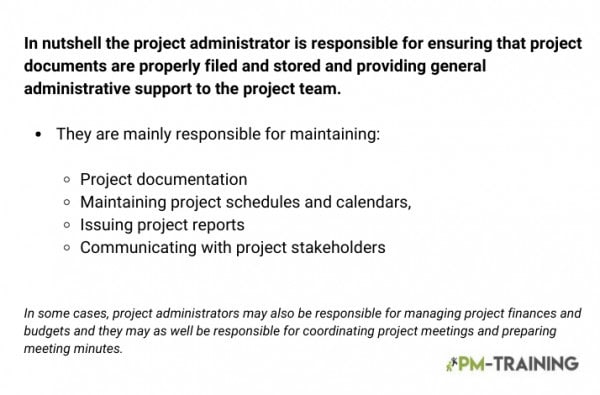
Duties of a Project Administrator
Project administrators play a vital role in keeping projects on track and ensuring that they are completed on time and within budget. They should also be able to work well under pressure and handle multiple tasks simultaneously. Here are five things that project administrators do:
- Develop Comprehensive Project Plans and Schedules: A project administrator is responsible for creating detailed project plans that outline the scope, timeline, and deliverables of a project. These plans serve as a roadmap for the entire team, ensuring that everyone is aligned and working towards the same goals.
- Track Project Deadlines, Milestones, and Risks: Monitoring project progress is a critical responsibility. Project administrators must keep a close eye on deadlines and milestones while proactively identifying and assessing potential risks that could impact the project’s success. Early risk detection allows for timely mitigation strategies to be put in place.
- Assign and Delegate Tasks to Team Members: Effective task delegation is key to a project’s success. Project administrators are responsible for assigning the right tasks to the right team members based on their skills and availability, ensuring that work is distributed efficiently and deadlines are met.
- Communicate Effectively with Clients and Coordinate Team Members: Clear and consistent communication is essential in project administration. Project administrators act as the primary point of contact between clients and the project team, ensuring that all parties are kept informed of progress, changes, and updates throughout the project lifecycle.
- Manage and Optimize Project Resources: Project administrators are responsible for ensuring that all project resources, including personnel, budget, and equipment, are allocated and utilized efficiently. Effective resource management helps to minimize waste and keep the project on track and within budget.
- Create, Maintain, and Distribute Project Reports: Regular reporting is vital for keeping stakeholders informed. Project administrators are responsible for generating accurate and comprehensive reports that reflect the current status of the project, highlighting achievements, challenges, and upcoming milestones.
- Organize and Manage Project Files and Documentation: Maintaining well-organized project files and documentation is essential for ensuring that all project information is easily accessible and up to date. Project administrators are responsible for managing all project-related documents, from contracts and agreements to meeting minutes and progress reports.
As you can see, they are responsible for a wide range of activities, from developing project schedules to tracking progress and managing risks. In short, project administrators are the backbone of any successful project.
How to Become a Project Administrator
Becoming a project administrator requires both experience and training. If you have experience working on projects, that’s a great place to start. You can also look into taking classes or getting a certification in project management. With the right experience and training, you can become a project administrator and help ensure that projects are completed on time and within budget.
If you are organized and efficient and have excellent communication and interpersonal skills, you may be well-suited for a career as a project administrator. Here are a few tips on how to become a project administrator:
- Get a degree in project management or a related field.
- Gain experience by working on small projects or volunteering for larger projects.
- Develop strong time management, communication, and interpersonal skills.
- Be able to work well under pressure and handle multiple tasks simultaneously.
The Difference Between the Project Manager and Administrator
The terms project manager and administrator are often used interchangeably, but there is a big difference between the two roles. The main difference between a project manager and an administrator is the level of responsibility they have:
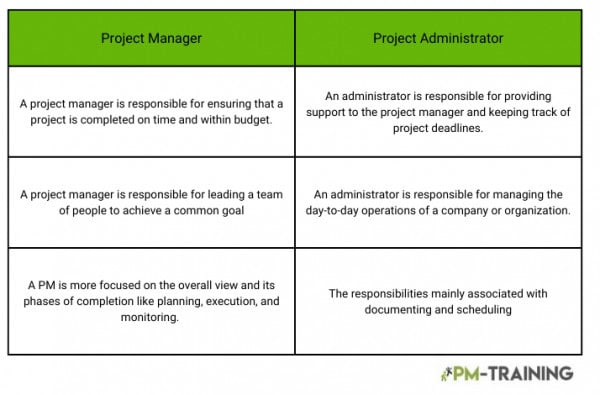
So which role is right for you? It depends on your skills and interests. If you’re good with numbers and enjoy planning and organizing, then a career as a project administrator could be a good fit for you. If you’re more interested in the big picture and enjoy problem-solving, then a career as a project manager would be better.
What are the Skills of a Project Administrator?
Project administrators need to wear many hats, including handling finances, scheduling, risk management, and more. They work across diverse personality types, resolve conflicts, and keep projects moving. Below are five essential skills every project administrator should develop to thrive in this demanding, multifaceted role.
1. Communication Skills
A project administrator must communicate clearly with every stakeholder involved, from team members and clients to executives and vendors. This means actively listening, distilling complex information into plain language, and tailoring messages to different audiences. Strong communicators prevent misunderstandings before they become costly problems, and they keep everyone aligned throughout the project lifecycle.
Effective communication goes beyond talking; it’s about building trust and clarity at every stage:
- Facilitate regular status updates and check-ins to maintain team alignment
- Use written summaries after key meetings to create a shared record
- Adapt your communication style to suit technical and non-technical audiences
- Practice active listening to surface concerns before they escalate
2. Strong Organizational Skills
Keeping a project on track requires exceptional organization. A project administrator must manage detailed project plans, monitor deadlines, log risks, and track issues, all simultaneously. Without a structured system, critical tasks fall through the cracks. Organization isn’t just about tidiness; it’s the infrastructure that allows a project to run smoothly from kickoff to delivery.
Great organization is a habit built through consistent systems and tools:
- Maintain a single source of truth for project documentation and timelines
- Use task management software to assign ownership and track progress
- Build in regular review checkpoints to catch gaps early
- Create standardized templates for recurring project processes
3. Problem-Solving
Projects rarely go exactly as planned. A project administrator must quickly diagnose what’s going wrong, identify the root cause, and implement a fix, often under pressure. Whether it’s a missed dependency, a resource gap, or a shifting client requirement, effective problem-solvers anticipate issues proactively and respond decisively when the unexpected happens.
Strong problem-solving skills combine analytical thinking with creative flexibility:
- Develop a risk register to identify and track potential issues in advance
- Use structured frameworks like root cause analysis when issues arise
- Involve the right stakeholders early to avoid siloed decision-making
- Document lessons learned so the same problems don’t recur
4. Time Management
Project administrators operate under constant deadline pressure. They must manage not only their own time but also coordinate the schedules and deliverables of an entire team. This means setting realistic timelines, reprioritizing when things shift, and building buffer time for the inevitable surprises. Flexibility is just as important as structure; rigidity in scheduling often creates more problems than it solves.
Mastering time management means planning ahead while staying adaptable:
- Break large milestones into smaller, time-boxed tasks with clear owners
- Use prioritization frameworks to focus on high-impact work first
- Build contingency time into project schedules from the outset
- Reassess and re-baseline timelines when scope or resources change
5. Attention to Detail
A project administrator who misses the small things risks derailing the big ones. From budget line items and contract terms to meeting minutes and status reports, precision matters at every level. Detail-oriented administrators catch errors before they escalate, ensure compliance with requirements, and maintain the accuracy that keeps stakeholders confident in the project’s progress.
Sharpening your attention to detail protects the project from preventable setbacks:
- Review deliverables against original requirements before marking them complete
- Use checklists for recurring processes to reduce human error
- Establish a peer-review step for critical documents and reports
- Stay current on changing priorities so details are always in the right context
If you’re looking to be a better project administrator, then you should start by developing these skills.
Education and Training to Become a Project Administrator
This career path can be a good choice for those with strong organizational skills and an interest in project management. Project administrators typically have a college degree in business or a related field. Many companies also require project administrators to have experience working in project management or a related field. The median project administrator salary is $60,000 per year but of course, salaries can vary based on experience, education, and location.
Conclusion
Mastering the five core skills of communication, organization, problem-solving, time management, and attention to detail is what separates a good project administrator from a great one. These competencies form the foundation of every successful project, ensuring that tasks are completed on time, resources are used wisely, and stakeholders remain confident throughout the project lifecycle.
Whether you are just starting your career or looking to sharpen your existing expertise, investing in these skills will pay dividends in every project you manage. Pair that with the right education, certifications, and hands-on experience, and you’ll be well on your way to becoming an indispensable part of any project team. The journey to becoming an exceptional project administrator starts with a commitment to continuous learning and growth.
Frequently Asked Questions
What does a project administrator do?
A project administrator oversees a project from initiation to closeout, ensuring everything runs smoothly behind the scenes. Their responsibilities include building and maintaining project schedules, assigning tasks to team members, tracking progress against milestones, managing documentation, coordinating communication between stakeholders, and flagging risks before they become bigger problems.
What are the differences between a project administrator and a project coordinator?
While the two roles often overlap, a project administrator tends to focus on the structural and administrative backbone of a project, maintaining documentation, managing files, tracking budgets, and keeping schedules up to date. A project coordinator operates more on the ground level, handling day-to-day task coordination, following up with team members, and ensuring deadlines are actively met. In larger organizations, both roles may exist simultaneously and work closely together.
What are the main differences between a project administrator and a project manager?
A project manager holds strategic and leadership responsibility; they define the project vision, make key decisions, manage stakeholder relationships, and are ultimately accountable for the project’s success or failure. A project administrator supports leadership by handling the operational and administrative details that keep everything organized and on track. Think of the project manager as the decision-maker and the project administrator as the engine that keeps the machine running.
What qualifications do you need to become a project administrator?
Most project administrator roles require a bachelor’s degree in business administration, management, or a related field, though some organizations hire based on relevant experience alone. Familiarity with project management software such as Asana, Jira, or Microsoft Project is typically expected. Professional certifications, such as the CAPM (Certified Associate in Project Management) from PMI, can significantly strengthen your candidacy and open doors to more senior roles.
What is the career path for a project administrator?
Project administration is often an excellent entry point into the broader field of project management. With experience, a project administrator can advance to roles such as project coordinator, project manager, program manager, or even portfolio manager. Some administrators specialize in a particular industry, such as construction, IT, or healthcare, which can lead to niche senior positions. Pursuing certifications like the PMP (Project Management Professional) is a common step toward career advancement.
Suggested articles:
- 8 Project Management Skills You Need to Succeed
- 12 Overlooked Skills in Project Management
- 39 Agile Technical Skills for Project Managers & Leaders

Shane Drumm, holding certifications in PMP®, PMI-ACP®, CSM, and LPM, is the author behind numerous articles featured here. Hailing from County Cork, Ireland, his expertise lies in implementing Agile methodologies with geographically dispersed teams for software development projects. In his leisure, he dedicates time to web development and Ironman triathlon training. Find out more about Shane on shanedrumm.com and please reach out and connect with Shane on LinkedIn.