
When a new Agile team forms, setting clear ground rules is essential to ensure alignment, accountability, and efficiency. However, the real challenge arises when a team has already been working together for months without structured processes. Introducing change in such an environment requires careful observation, trust-building, and gradual improvements rather than abrupt enforcement of frameworks.
Instead of imposing rigid rules, a more effective approach is to introduce an Agile Working Agreement—a collaborative framework that defines how the team operates, communicates, and delivers value together.
Understand Current Way of Working (Remote Agile Team)
Before introducing any changes, it is critical to understand how the team currently operates. This includes identifying existing workflows, communication patterns, and delivery habits. Without this foundational understanding, any new process risks being misaligned with the team’s reality and may face resistance. In this case, the team had been working using a ScrumBan approach for approximately eight months before I joined.
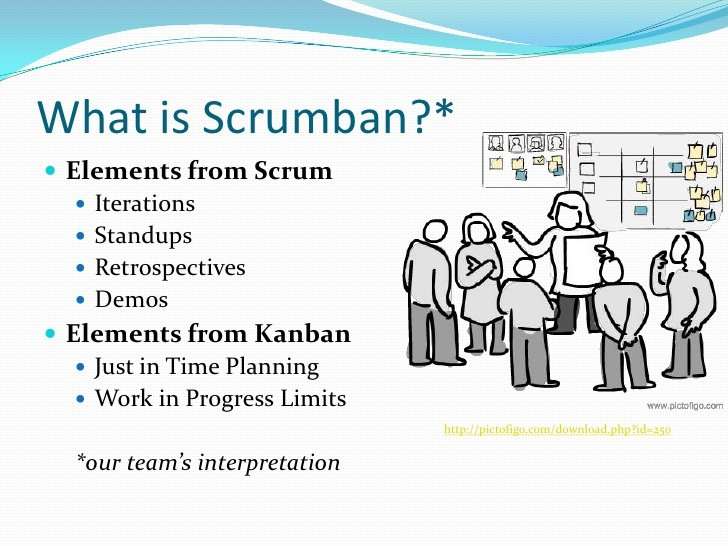
Scrumban, while flexible, is an advanced methodology that requires discipline and maturity to execute effectively. It relies on several core principles:
- Work-in-Progress (WIP) Limits: These help prevent overload and ensure focus, but the team had no such constraints, leading to scattered efforts and reduced efficiency.
- Prioritized Backlog: A clear backlog ensures that the most valuable work is completed first, yet priorities were constantly shifting without structure.
- Workflow Visibility: Transparency is essential in Agile, but the team lacked a clear view of task progress and ownership.
Despite these gaps, the team demonstrated strong technical capability and consistently delivered valuable outputs. However, underlying issues were impacting sustainability and predictability:
- Frequent Priority Changes: Business needs were not clearly defined, causing constant shifts in direction mid-sprint.
- Unplanned Work Intake: Tasks were added randomly, disrupting focus and delivery commitments.
- Scope Creep: Requirements expanded without control, increasing workload without proper planning.
- Service-Driven Perception: The business treated the team as a reactive service unit rather than a strategic partner.
- Limited Feedback Loops: Feedback was inconsistent, delaying improvements and alignment.
Additionally, as a fully remote team, communication challenges were amplified:
- Restricted Access to Team Members: Not all stakeholders had direct interaction with the full team, limiting transparency.
- Centralized Communication Through Leadership: Most interactions were routed through roles such as the Tech Lead, UX Lead, and CTO, creating communication bottlenecks. To address this, businesses often choose to hire a CTO.
Gather Insights on the Current Agile Way
When stepping into an unstructured Agile environment, the instinct may be to immediately enforce Scrum ceremonies and frameworks. However, doing so without understanding the team’s dynamics can create resistance and reduce trust. Instead, I chose to observe first and act later. For three sprints, I focused on listening, learning, and identifying patterns while contributing only when necessary. This approach allowed me to gain a deeper understanding of both technical and business challenges.
At the same time, I introduced subtle improvements:
- Documenting Sprint Outputs: Tracking what was delivered each sprint helped establish visibility and accountability over time.
- Accelerating Feedback Loops: Following up with business stakeholders encouraged quicker responses and reduced delays.
- Educating Stakeholders on Agile Principles: Clarifying Agile concepts helped bridge the gap between business expectations and delivery realities.
- Facilitating a Sprint Review Session: Bringing leadership together created a shared understanding of progress and challenges.
Key Insights Identified
Through observation and engagement, several critical issues became clear:
- Unclear Business Priorities: Stakeholders were uncertain about what priorities should be delivered first, leading to confusion and inefficiency.
- Vague and Inconsistent Feedback: Lack of detailed feedback made it difficult for the team to align with expectations.
- No Guarantee of Delivery Within a Sprint: Being included in a sprint did not ensure completion, reducing trust in the process.
- Absence of Full-Team Collaboration: There was no single forum where all team members aligned together.
- Limited Progress Visibility: Without tracking mechanisms, identifying bottlenecks and delays was nearly impossible.
The next step was to align both business and development teams on why these issues needed to be addressed.
Use Current Agile Ceremonies
Rather than introducing entirely new meetings, I leveraged existing structures to gradually introduce Agile discipline. This approach minimized disruption while maximizing adoption. A weekly session already existed, involving key stakeholders:
- CTO
- Architect / Tech Lead
- UX Lead
- Head of Digital Operations
- CEO
- Head of Digital
Shifting the Conversation
During the first session of a sprint, I introduced a simple but powerful question:
“What Do We Plan to Deliver in the Next Sprint?”
The CTO outlined planned work. I then asked the CEO:
“Does This Align With Your Priorities?”
The response highlighted a major gap—there was no clear alignment between business expectations and development plans.
Creating Alignment Through Visibility
In a follow-up session, we:
- Mapped All Ongoing Work: This created visibility into current efforts and uncovered overlaps and inefficiencies.
- Began Building a Structured Product Roadmap: This helped align delivery with business goals and long-term strategy.
Two weeks later, I introduced a new approach:
“Let’s Compare What We Planned to Do Versus What We Actually Delivered.”
This marked the introduction of a Makeshift Sprint Review.
Makeshift Sprint Review Meeting
The makeshift sprint review was intentionally simple, using a one-page slide deck to track:
- Completed Work (✔): Clearly highlighted what was successfully delivered during the sprint.
- Incomplete Work (✖): Identified gaps between commitment and actual delivery.
This lightweight approach made it easy for both technical and business stakeholders to engage without feeling overwhelmed.
Key Findings
The review revealed several important insights:
- High Team Output: The team was productive and consistently delivering meaningful work.
- Changing Priorities Mid-Sprint: Frequent shifts disrupted planned work and reduced predictability.
- Operational Disruptions: Technical and operational issues impacted delivery timelines.
- Individual Bottlenecks: Certain roles became overloaded, slowing overall progress.
- Misaligned Testing Processes: User Acceptance Testing was effectively functioning as QA, creating confusion in responsibilities.
Importantly, the session was conducted without blame. The focus remained on identifying opportunities for improvement rather than assigning fault. This led to the creation of a Lessons Learned List, which became the foundation for continuous improvement.
Building Trust in a Remote Environment
These sessions played a crucial role in building trust between leadership and the broader team. Trust is especially important in remote environments, where communication gaps can easily lead to misunderstandings. By demonstrating transparency and focusing on collaboration, the team became more open to adopting structured processes.
Evolving the Process
After several iterations of makeshift sprint reviews, the team became more comfortable with reflection and improvement. This created an opportunity to expand participation and involve the entire team. Instead of focusing solely on delivery metrics, I shifted the discussion toward team experience:
“How Do You Feel About the Way We Are Currently Working Together?”
Team Feedback and Insights
The conversation revealed deeper challenges:
- Concerns About Resourcing: Team members highlighted workload pressures and the perceived need for additional Agile resources.
- Frustration With Inefficiencies: Existing processes were seen as inconsistent and unclear, leading to reduced morale.
- Desire for Structured Agile Practices: A team member with prior Agile experience emphasized the benefits of defined workflows and accountability.
This open discussion created alignment and readiness for change.
Creating the Agile Working Agreement
With alignment established, we moved toward defining how the team would operate moving forward. The goal was to create a simple, clear, and actionable working agreement that everyone could commit to.
Agreed Working Structure
- Sprint Length: A consistent sprint duration was defined to improve planning accuracy and delivery predictability.
- Sprint Planning Sessions: Scheduled for the first Monday of each sprint to replace informal discussions and ensure structured planning.
- Sprint Retrospectives: Held on the last Friday to reflect on performance and identify actionable improvements.
- Daily Stand-Up Meetings: Time-boxed to 15 minutes to maintain focus and efficiency.
- Defined Team Roles (RACI Model):
- Scrum Master
- Product Owner
- Tech Lead
- QA
We also committed to conducting a formal retrospective to evaluate how these changes impacted the team.
Why Create a Remote Team Working Agreement
A remote team working agreement serves as a foundation for how a team collaborates, communicates, and delivers value. In remote environments, where informal alignment is limited, this becomes even more critical for maintaining consistency and accountability.
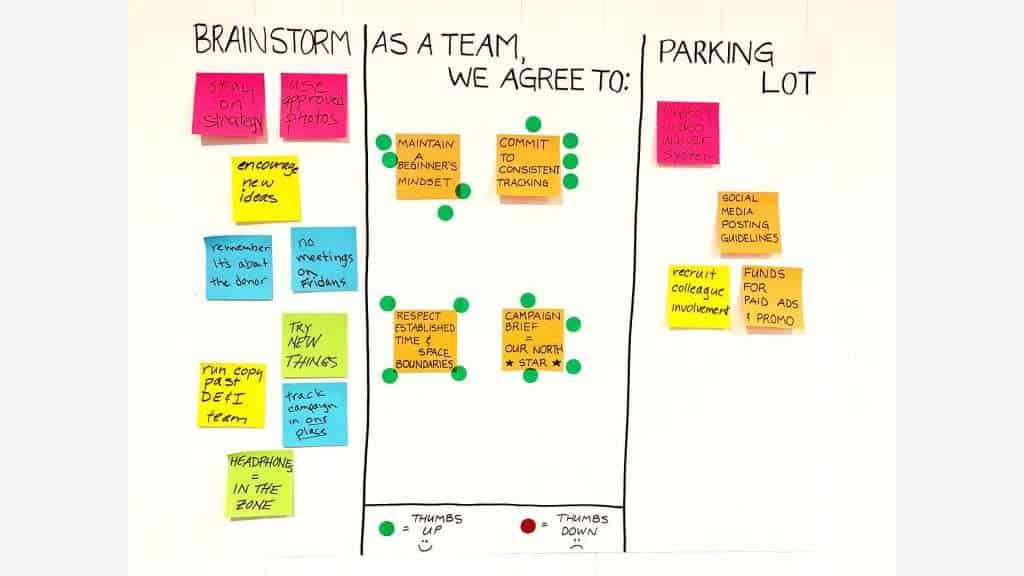
Example of a remote team working agreement
Key Benefits of a Working Agreement
- Shared Understanding Across the Team: Ensures all members are aligned on expectations, responsibilities, and workflows.
- Improved Planning and Predictability: Provides clarity that enables proactive rather than reactive execution.
- Enhanced Collaboration and Accountability: Encourages collective ownership of goals and outcomes.
- Clear Communication Standards: Establishes consistent methods and expectations for interaction.
- Increased Awareness of Team Dynamics: Helps individuals understand how their behavior impacts overall performance.
Make It Visual
For a working agreement to be effective, it must be visible and easily accessible to all team members. Visual representation reinforces accountability and ensures that expectations remain top of mind during daily operations. A simple, well-structured visual format significantly improves adoption, alignment, and long-term consistency.

Final Thoughts
Successfully introducing Agile practices into an existing remote team is not about enforcing rigid frameworks or overwhelming teams with process. It is about understanding current ways of working, identifying gaps, and gradually building alignment through trust, transparency, and shared ownership. By focusing on collaboration and clarity, teams can move from reactive delivery toward a more structured, predictable, and value-driven approach.
An Agile Working Agreement becomes the foundation that connects people, processes, and priorities. It empowers teams to operate with confidence, communicate effectively, and continuously improve. In remote environments, especially, this shared understanding is critical for maintaining momentum, strengthening accountability, and ensuring that both business and development teams remain aligned on outcomes that truly matter.
Suggested articles:
- Managing Remote Teams Effectively in a Hybrid Work Environment
- 4 Best Employee Monitoring Tools to Manage Remote Team Productivity
- 12 Tools for Effective Remote Team Management

Shane Drumm, holding certifications in PMP®, PMI-ACP®, CSM, and LPM, is the author behind numerous articles featured here. Hailing from County Cork, Ireland, his expertise lies in implementing Agile methodologies with geographically dispersed teams for software development projects. In his leisure, he dedicates time to web development and Ironman triathlon training. Find out more about Shane on shanedrumm.com and please reach out and connect with Shane on LinkedIn.