
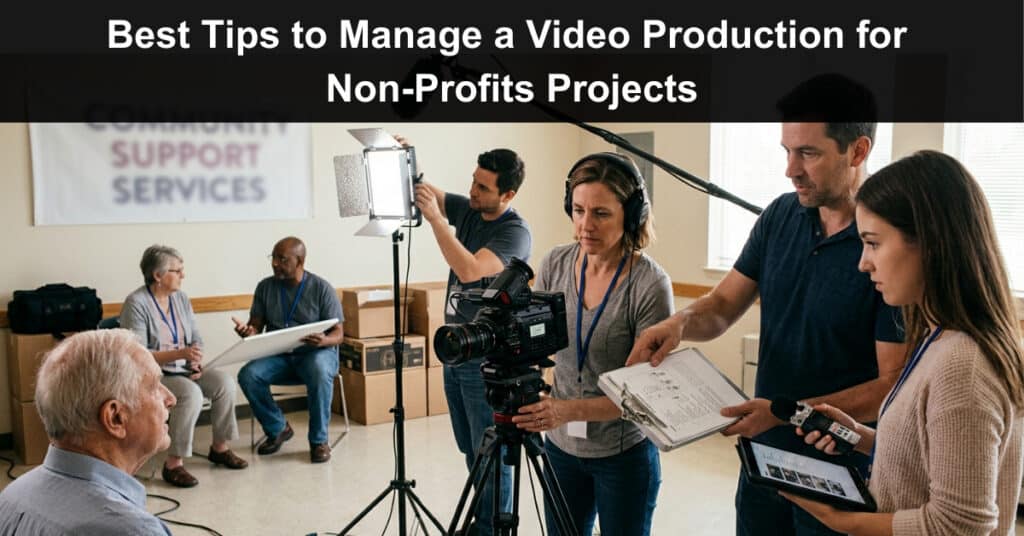
Managing a video production for non-profit projects requires more than simply filming interviews or capturing event footage. For many organisations, video is one of the most powerful ways to communicate their mission, demonstrate impact, and inspire action from donors, volunteers, and community partners. However, without proper planning and management, a video project can easily exceed its budget, miss key messages, or fail to reach the intended audience.
For project managers, having a structured process when handling video production for non-profits is essential. A well-managed process ensures that the final video looks professional and also effectively supports the organisation’s goals. From early planning to final distribution, each stage of the project contributes to creating meaningful and impactful content.
Below are some of the best tips to help project managers successfully manage a video production.
1. Start the Project with Clear Objectives
Every successful video project begins with clearly defined goals. Before cameras start rolling, project managers should work with internal stakeholders to determine exactly what the video needs to achieve. Some common objectives for non-profit video projects include:
- Increasing donations for a fundraising campaign
- Raising awareness about a specific issue
- Showcasing the impact of a community program
- Recruiting volunteers or partners
- Communicating results to sponsors or grant providers
Defining the project objectives helps guide every decision in the production process. For example, a fundraising video may focus on emotional storytelling and personal experiences, while an impact video might highlight measurable outcomes and program results. Clear objectives also make it easier to measure the video’s success once it is published.
2. Identify the Target Audience Early
Knowing your audience is an important first step in managing any communication project, including video production. A video created for potential donors may look very different from one designed for corporate partners or volunteers. Project managers should ask key questions such as:
- Who is the primary audience for this video?
- What motivates this audience to support the organisation?
- On what platform will they watch the video?
For example, short videos designed for social media platforms may require a faster pace and stronger visual storytelling. Meanwhile, videos intended for presentations or grant proposals might focus more on detailed explanations and measurable outcomes. When the audience is clearly defined, crafting a message that resonates with viewers becomes easier.
3. Focus on Authentic and Human-Centered Storytelling
One of the most important elements of a successful non-profit video project is authenticity. Unlike commercial marketing campaigns that often rely heavily on branding and scripted messaging, non-profit videos are most effective when they showcase real people and genuine experiences. Audiences connect deeply with stories that feel honest and relatable. Instead of focusing solely on organisational achievements, project managers should highlight the human impact of their work.
Consider featuring:
- Beneficiaries who have directly experienced the organisation’s support
- Volunteers who contribute their time and skills
- Community members who benefit from the programs
- Staff members who are passionate about the mission
Personal stories help viewers understand the significance of the organisation’s work. When audiences see the faces and voices behind the mission, they are more likely to feel emotionally connected and motivated to support the cause.
4. Develop a Structured Pre-Production Plan
Pre-production is one of the most critical phases of any video project. This stage involves planning the details that will guide the entire production process. A well-organised pre-production plan should include:
- Developing the video concept and storyline
- Identifying interview subjects
- Selecting filming locations
- Preparing interview questions
- Scheduling filming days
- Coordinating equipment and technical needs
Project managers should also consider potential risks during this stage, such as scheduling conflicts, weather conditions for outdoor shoots, or the availability of key participants. Strong preparation helps minimise delays and ensures that the filming process runs efficiently.
5. Communicate the Core Message Within the First Minute
In today’s fast-paced digital environment, viewers often decide within seconds whether they will continue watching a video. For this reason, it is important to communicate the core message early. An effective non-profit video should quickly answer three essential questions:
- What does the organisation do?
- Who benefits from its work?
- Why does it matter?
Ideally, these points should become clear within the first 30-60 seconds of the video. Capturing attention early increases the likelihood that viewers will stay engaged and absorb the full story. Project managers should work closely with the production team to ensure the video structure prioritises clarity and impact.
6. Collaborate with an Experienced Video Production Team
While some organisations attempt to produce videos internally, an experienced video production team ensures the quality and effectiveness of the final product. Professional teams bring valuable expertise, including:
- Visual storytelling techniques
- Professional camera and sound equipment
- Interview direction and on-camera coaching
- Post-production editing and narrative development
When selecting a production partner, project managers should review the company’s portfolio and look for experience working with non-profit organisations or community-focused projects. A production team that understands the sensitivities of filming real communities can help ensure stories are captured respectfully and authentically.
7. Use Post-Production to Strengthen the Story
Filming is only part of the video production process. The real storytelling often happens in post-production, where editors shape the narrative and refine the footage’s visual and emotional impact. Post-production may include:
- Editing and sequencing the footage
- Colour correction and visual enhancement
- Sound design and background music
- Subtitles and captions for accessibility
- Motion graphics or titles to highlight key information
Project managers should allow time for review and revisions during this stage. Feedback from stakeholders helps ensure the final video aligns with the organisation’s messaging and goals.
8. Choose the Right Video Format for Your Project Goals
Different types of video formats serve different strategic purposes for non-profit organisations. Choosing the right format ensures the project supports broader communication objectives. Some commonly used formats include:
- Fundraising videos: Designed to inspire donations through emotional storytelling.
- Impact videos: Showcase measurable outcomes and demonstrate program success.
- Event highlight videos: Capture the energy of fundraising or community events.
- Volunteer training videos: Provide consistent onboarding and guidance for new volunteers.
- Partnership videos: Communicate the organisation’s value to corporate sponsors or government partners.
Selecting the appropriate format helps maximise the value of the video project.
9. Plan a Distribution Strategy
A video project does not end once the final edit is delivered. Video distribution is equally important in ensuring the video reaches the intended audience. Project managers should plan how the video will be used across multiple channels, such as:
- Social media platforms
- Fundraising campaigns
- Email newsletters
- Organisational websites
- Presentations and events
Repurposing content into shorter clips, teaser videos, or social media snippets can extend the project’s lifespan and increase engagement.
Conclusion
Managing a video production for non-profit projects requires careful planning, strong storytelling, and collaboration with the right creative partners. When approached strategically, video becomes a powerful communication tool that helps organisations connect with supporters and demonstrate the real-world impact of their work.
By defining clear goals, understanding the target audience, prioritising authentic stories, and following a structured production process, project managers can deliver video content that strengthens the organisation’s mission and inspires meaningful action. A well-executed video project can attract donors, recruit volunteers, build partnerships, and raise awareness, all while bringing the organisation’s mission to life through powerful visual storytelling.
Suggested articles:
- What Is Corporate Video Production and Why Does It Matter for Your Business
- From Concept to Delivery: Top Tools for Efficient Video Project Management
- The Impact of Video Production on Project Management

Daniel Raymond, a project manager with over 20 years of experience, is the former CEO of a successful software company called Websystems. With a strong background in managing complex projects, he applied his expertise to develop AceProject.com and Bridge24.com, innovative project management tools designed to streamline processes and improve productivity. Throughout his career, Daniel has consistently demonstrated a commitment to excellence and a passion for empowering teams to achieve their goals.