

Most businesses don’t fail because they lack data. They struggle because their data, strategy, and execution aren’t moving in the same direction. Teams collect reports, dashboards, and insights, but decisions still rely on gut feeling, and plans often stagger once real work begins. Bridging data, strategy, and execution means turning information into clear priorities and turning those priorities into consistent action.
It requires leaders who know how to ask the right question of their data, teams that understand how strategy connects to their roles, and systems that support progress instead of slowing it down. In this article, we’ll dive deeper into learning more about how organizations can connect insight with intent and intent with action.
Why Alignment Matters
Alignment is what turns plans into progress. When data, strategy, and execution are connected, teams know what to focus on and why it matters. Decisions stop feeling reactive because they are grounded in shared goals and clear priorities. This clarity reduces wasted effort, speeds up execution, and helps teams work with confidence instead of second-guessing every move.
Statistics show that alignment leads to 38% higher sales and win rates. Aligning data, strategy, and execution delivers results that can be measured and improved over time.
Data as the Starting Point for Better Decisions

Good decisions start with understanding what is actually happening, not what we assume is happening. Data provides that clarity. It shows where performance is strong, where processes break down, and where opportunities are being missed. When businesses treat data as the starting point, decisions become more objective and less driven by habit or opinion.
The real value comes from using the right data, not more of it. Clear metrics tied to business goals help leaders focus on what matters most. This makes it easier to set priorities and adjust directions based on when conditions change.
Moving from Raw Data to Meaningful Insights
Raw data on its own rarely leads to better outcomes. Numbers, charts, and reports only become useful when they are interpreted in context. Meaningful insights come from asking the right questions and connecting data to real business challenges. This step is where many organizations fall short.
To move beyond surface-level reporting, teams need to focus on patterns, trends, and cause-and-effect relationships. Comparing performance over time, or again, clear benchmarks help reveal what is driving results. When insights are clearly explained and tied to specific actions, data becomes a practical tool that supports smarter decisions and execution.
Turning Insights Into a Strategic Direction
Insights only create value when they lead to clear choices. Once patterns and trends are identified, the next step is deciding what to act on and what to ignore. Strategic decisions require focus, not just information. Leaders need to connect insights to business goals and determine where action will have the greatest impact.
For example, Meridian’s private equity themes for 2026 highlight how forward-looking firms are using data-driven thematic analysis not only to spot opportunities, but to shape investment strategies that align with emerging market forces like AI governance and environmental services.
This kind of approach shows how insights become strategic when they influence priorities and define the path forward. A strong insight should answer basic questions such as “what should we do differently as a result of this information?” Insights that are linked to decisions become more realistic and simpler to execute across the organization.
Turning Strategy Into Day-to-Day Execution
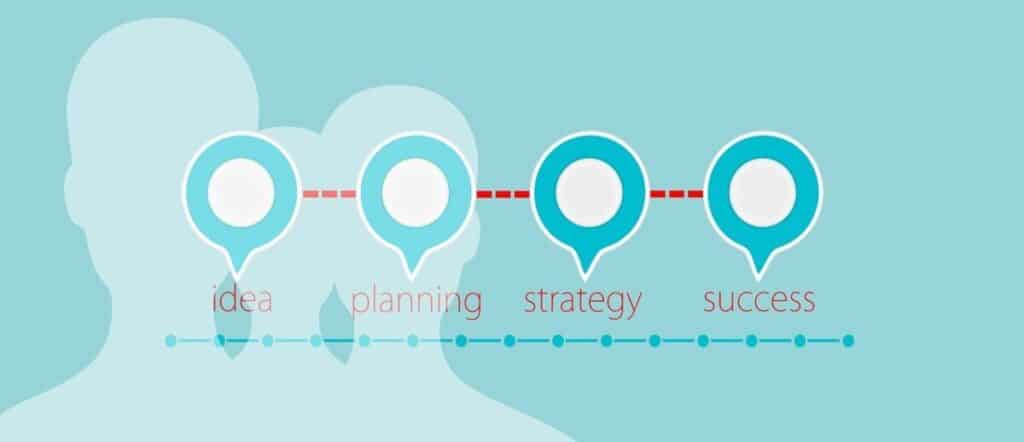
A strategy only works if it shows up in daily decisions and actions. Many businesses struggle at this stage because plans stay at a high level, while teams focus on tasks that feel urgent but aren’t always important. Execution improves when strategy is broken down into clear goals and responsibilities that teams can act on every day.
Successful organizations break strategy down into:
- Team-level objectives
- Measurable KPIs
- Time-bound initiatives
This requires simple processes and regular feedback loops. Teams need to understand how their work connects to broader objectives and how success is measured. Execution aligned with strategy makes progress visible, results will happen, and guess what? They won’t feel intentional.
The Role of Leadership in Bridging the Gap
Leadership plays an important role in connecting data, strategy, and execution. Leaders set the tone for how decisions are made and how priorities are communicated. When leadership treats data as a guide, strategy as a shared direction, and execution as a collective responsibility, teams are more likely to stay aligned and focused.
This also means removing barriers that slow progress. Leaders need to clarify goals, simplify decision-making, and make sure teams have the tools and context they need to act. Regular check-ins and a willingness to adjust direction help close the gap between plans and results. Strong leadership doesn’t just define the strategy; it makes sure it’s understood and applied every day.
Digital Infrastructure That Supports Execution
Strong execution depends on the systems that make work easier, not more complex. Digital infrastructure should help teams access the right information, collaborate without friction, and track progress in real time. When tools are disconnected or overly complicated, even the best strategy can break down during execution.
A good infrastructure also allows seamless processes across platforms and services. For example, deBridge’s ability to transfer USDC to Hyperliquid shows how reliable infrastructure supports execution in financial operations by moving stable assets quickly between environments without unnecessary delays.
Execution as a Source of New Data
Execution isn’t just the final step; it’s a powerful source of insight. Every action, decision, and workflow generates data that can reveal what’s working, what’s slowing progress, and where adjustments are needed. By treating execution as a feedback loop, businesses can turn daily operations into actionable intelligence.
Tracking project milestones and customer interactions creates real-time data that informs strategy and highlights opportunities for improvement. When execution feeds back into data, organizations build a continuous cycle of learning and refinement, allowing decisions to become smarter and results to improve over time.
Overcoming Common Barriers to Alignment

Misalignment often comes from everyday issues, not big strategic failures. Unclear goals and inconsistent data make it much harder for people to work toward the same outcomes. When departments use different metrics of tools, even well-intentioned efforts can pull the business in opposite directions.
Typical obstacles include:
- Data overload without clarity
- Conflicting priorities across teams
- Legacy processes that slow execution
- Resistance to change
Overcoming these barriers starts with simplicity and transparency. Clear objectives, shared metrics, and regular communication help teams stay focused on what matters most. Just as important is creating space for feedback, so problems are identified early and adjustments can be made quickly.
Creating a Culture That Supports Alignment
Alignment is easier to maintain when it’s part of the company culture, not just a leadership directive. A strong culture encourages shared ownership, open communication, and accountability at every level. When people understand how their work connects to broader goals, they are more likely to make decisions that support the strategy.
A strong culture supports:
- Transparency
- Curiosity
- Accountability
This kind of culture is built through consistent habits. Leaders who communicate priorities clearly, reward collaboration, and use data to guide discussions set the standard for the rest of the organization. Over time, alignment becomes natural. Teams work with the same context, move in the same direction, and adapt together as the business evolves.
Measuring What Actually Matters
Not everything that can be measured should be measured. Alignment breaks down when teams focus on numbers that look good on reports but have little impact on real outcomes. What matters most are metrics that clearly reflect progress toward strategic goals and guide better decisions.
Effective measurement focuses on a small set of meaningful indicators. These metrics help teams understand performance, identify gaps, and adjust their actions quickly. When everyone tracks the same relevant measures, conversations become more focused, accountability improves, and execution stays aligned with strategy rather than drifting toward busy work.
Bridging Data and Execution Isn’t About Adopting More Tools
It’s all about clarity and consistency, how decisions are made, and how work gets done. When data informs strategy, strategy guides execution, and execution feeds back into learning, businesses operate with purpose instead of guesswork. Organizations that get this right move faster, adapt better, and make decisions with confidence.
Alignment becomes a competitive advantage, not a constant challenge. By focusing on what truly matters, supporting teams with the right systems, and reinforcing alignment through leadership and culture, modern businesses can turn insight into action and action into long-term results.
Suggested articles:
- How to Implement Data Strategies for Business Success
- Breaking Down Data Silos: How Modern Project Managers Handle Complex Vendor Integrations
- Free Data Governance Strategy Roadmap Template

Daniel Raymond, a project manager with over 20 years of experience, is the former CEO of a successful software company called Websystems. With a strong background in managing complex projects, he applied his expertise to develop AceProject.com and Bridge24.com, innovative project management tools designed to streamline processes and improve productivity. Throughout his career, Daniel has consistently demonstrated a commitment to excellence and a passion for empowering teams to achieve their goals.