
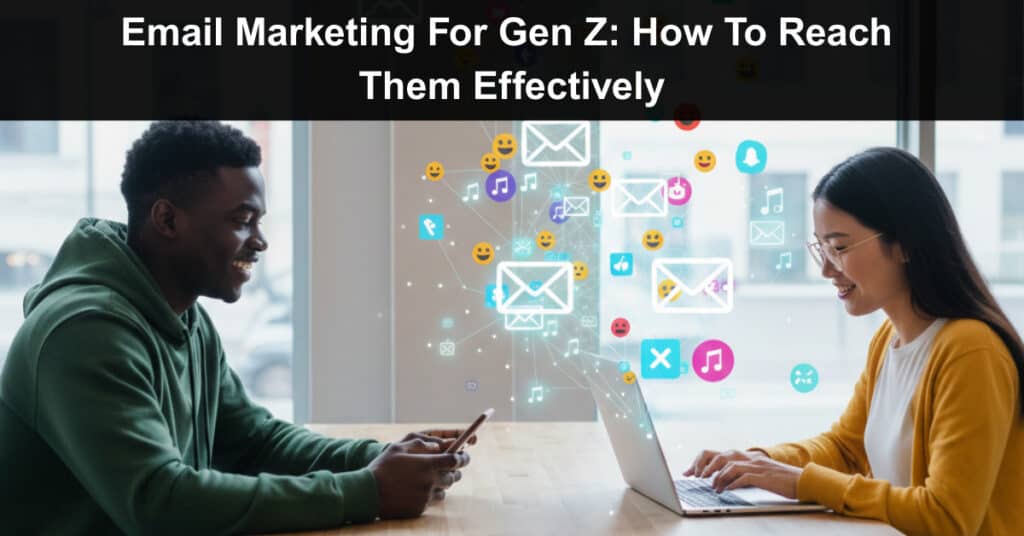
Some digital marketers have written off email marketing for Gen Z, convinced this generation won’t engage with inbox messages. Born after 1997, Gen Z respondents are often labeled as inattentive, constantly online, and glued to social media platforms like TikTok and Instagram. These claims paint a picture of a group that ignores email entirely.
That’s a mistake. Generation Z does interact with emails if the content feels relevant and authentic. The challenge isn’t the channel, it’s the message. Gen Z consumers don’t want another blast of promotions; they expect personalized content aligned with a brand’s values, short subject lines, and messages that fit into how they live online.
Reaching them through email marketing campaigns means adapting your tone, content, and structure. You don’t need to reinvent the channel; you just need to reframe your marketing strategies. If you know how to write for this target audience, email becomes a strong communication channel. Let’s explore how to get your content into subscribers’ inboxes and make sure it stays there.
How Is the Gen Z Audience?
Generation Z operates at digital speed. They grew up surrounded by constant notifications, endless scrolling, and instant access to information. Because of that, they’ve developed sharp instincts about what deserves their attention. If you don’t focus on clear, relevant, and authentic messaging from the start, it gets ignored without hesitation.
What defines their attention behavior?
- Short Attention Window: Gen Z makes split-second decisions about whether content is worth their time. If your subject line, headline, or opening sentence doesn’t communicate immediate value, they move on. Strong hooks and direct messaging outperform slow introductions and unnecessary buildup.
- Advanced Content Filtering: Years of exposure to ads and sponsored content have trained them to detect exaggeration and insincerity quickly. Overhyped claims or corporate jargon create distrust. Straightforward, transparent communication earns more credibility and engagement.
- Value-First Engagement: They engage when there’s a clear benefit. Whether it’s useful information, a meaningful offer, or content that reflects their identity, there must be immediate relevance. Without tangible value, your message becomes background noise.
- Authenticity Over Aggression: Pushy sales tactics create resistance. Gen Z prefers brands that communicate honestly and consistently. They respond better to storytelling, proof, and transparency than to hard-selling language that feels transactional or forced.
- Identity and Cultural Alignment: Messaging that reflects awareness of diversity, culture, and shared values resonates strongly. They connect with brands that demonstrate a genuine understanding of their worldview rather than those trying to appear trendy without substance.
Gen Z Demographics and Characteristics
Gen Z is no longer an emerging audience—they are active consumers shaping market direction. With increasing income, strong digital presence, and significant influence over household spending, they affect purchasing decisions across industries. Brands that understand their demographic realities and behavioral patterns position themselves for long-term relevance.
- Born between 1997 and 2012: This generation includes students, early-career professionals, and young entrepreneurs. As they enter the workforce, their independent buying power continues to grow, making them both present customers and future long-term brand loyalists.
- Significant Buying Power and Influence: Beyond personal spending, Gen Z influences family decisions in areas like technology, fashion, travel, and lifestyle products. Their opinions often shape broader household purchasing behavior.
- Most Diverse Generation: Gen Z represents the most ethnically and culturally diverse demographic to date. Inclusive representation and culturally aware messaging are expected standards, not optional marketing enhancements.
Gen Z Email Habits
Despite assumptions, Gen Z actively uses email for brand communication, updates, and offers. However, they are selective about what they open and engage with. Their inbox is curated carefully. Only messages that feel relevant, useful, and respectful of their time earn sustained attention.
How they interact with email:
- Subject Lines Drive Open Rates: The subject line determines whether the email gets opened or ignored. It must clearly signal relevance, urgency, or benefit. Generic phrasing reduces curiosity and lowers open rates significantly.
- Selective Brand Trust: They engage with brands that consistently provide value. Irrelevant or excessive promotional emails quickly lead to unsubscribes and reduced long-term engagement.
- Preference for Personalization: Emails tailored to interests, behavior, or previous interactions feel intentional. Personalized content increases engagement and strengthens the sense of connection with the brand.
- Deal and Utility Focused: Exclusive discounts, early access, practical tips, and informative updates drive clicks. Emails that solve problems or offer tangible benefits outperform purely promotional messages.
- Clear and Direct Calls to Action: A single, obvious next step increases interaction. Too many buttons or unclear instructions create confusion and reduce click-through rates.
- Sensitivity to Frequency and Tone: Over-emailing damages trust, while inconsistent tone weakens brand perception. Balanced frequency and professional, respectful language help maintain long-term engagement.
Crafting Emails That Resonate
To connect with Gen Z consumers, your email content needs to feel immediate, relevant, and personal.
- This generation tunes out generic messages. They expect personalized content that reflects their preferences, behavior, and values, emails that speak directly to their world, not to a demographic profile.
- Effective email marketing campaigns for this group go beyond simple first-name tags. They incorporate strong visuals, short copy, and interactive elements like polls, sliders, or swipe actions.
Platforms such as Braze marketing automation help brands create personalized, behavior-driven email campaigns, enabling timely messaging, smart segmentation, and automated journeys that scale engagement effectively. These details keep users engaged and allow you to collect data that fine-tunes your future messaging. Colleges have nailed this formula. Their campaigns often blend bold design, tailored offers, and content that mirrors students’ daily lives.
That kind of resonance doesn’t happen by accident—it stems from sharp marketing strategies focused on authenticity and usefulness. To build trust and earn attention, brands need to deliver relevant content with creative flair. The goal isn’t to impress, it’s to connect. When done right, email becomes a powerful tool for ongoing engagement rather than a one-time pitch. Want inspiration that actually works? Browse proven email newsletter examples that balance personality, design, and structure, tailored for younger audiences.
Best Practices for Email Marketing Campaigns for Gen Z
To make email marketing effective with Gen Z, strategy matters more than volume. This audience rewards brands that respect their time, reflect their values, and communicate with clarity. The following practices focus on control, personalization, engagement, and relevance—core elements that increase trust and long-term interaction.
- Let Them Control the Frequency: Most Gen Z subscribers prefer weekly emails, but preferences differ. An email preference center allows them to choose how often they hear from you. Giving control builds trust, reduces unsubscribes, and signals that you respect their boundaries.
- Personalize the Content: Go beyond inserting a first name. Use purchase history, interests, and location data to craft relevant offers and recommendations. At the same time, avoid excessive personalization that feels intrusive or overly monitored.
- Incorporate Eye-Catching Visuals: Gen Z responds strongly to visual content. Use engaging images, short videos, and clean layouts. Avoid dense paragraphs. Keep formatting sharp, structured, and easy to scan on mobile devices.
- Promote Social Sharing: Add visible social media buttons and embed posts or short clips from your platforms. This strengthens cross-channel engagement and helps convert email subscribers into active followers on your social networks.
- Optimize for Social Media Channels: Treat social platforms as extensions of your email strategy. Highlight your active channels and showcase trending content within emails. This creates a connected brand experience and increases opportunities for interaction.
- Include Interactive Elements: Polls, quizzes, sliders, and clickable features increase engagement. Interactive content keeps readers involved longer and provides valuable data about preferences, behavior, and interests.
- Deliver Valuable and Relevant Content: Focus on content that informs, entertains, or solves problems—not just promotions. Reference current trends, cultural moments, or useful insights. Balanced messaging builds loyalty more effectively than constant sales pitches.
- Build a Sense of Community: Create belonging, not just transactions. Show subscribers they are part of a shared mission, especially if your brand supports meaningful causes. Highlight stories, testimonials, or community involvement to strengthen emotional connection.
Set an Email Preference Center
Most Gen Zers don’t like daily emails from brands. Setting up an email preference center helps match their habits. Subscribers can pick how often they want to hear from you – daily, weekly, or monthly. A quick survey gets these preferences, plus having a preference center link in the email footer makes it easy to update choices.
When brands use an email preference center, they send emails at a pace Gen Z actually wants, boosting engagement and cutting down unsubscribes. The preference center also reveals what Gen Z is into, letting brands craft more targeted, relevant email campaigns.
Design for Mobile
67% of Gen Zers check email on their phones, so mobile-friendly emails are a must. An email that’s hard to read on mobile devices will make readers bounce fast. Responsive email design and mobile testing before sending just makes sense. Make sure images scale right, content loads fast, and the call-to-action stands out and works with a tap.
Mobile optimization means punchy subject lines, tappable calls-to-action, and designs that look good on any screen size. Mobile-first email design gets better results with Gen Z and makes campaigns work harder.
Challenges and Solutions
Email marketing to Gen Z comes with clear obstacles. This generation is selective, value-driven, and quick to disengage when something feels forced or outdated. To succeed, brands must recognize common friction points and adjust their approach with intention rather than doubling down on outdated tactics.
- Mobile-First Expectations: Since most Gen Z users rely heavily on smartphones, poor mobile design kills performance. Ensure responsive layouts, short subject lines, tappable buttons, fast-loading visuals, and concise copy that reads smoothly on smaller screens.
- Resistance to Aggressive Sales Tactics: Gen Z finds persistent sales messaging irritating and easy to ignore. They prefer brands that communicate shared values and foster community. Use a sincere, conversational tone that feels human, not corporate, and focus on relationship-building before promotion.
- Demand for Constant Variety: Repetitive emails quickly lose their attention. If content feels recycled or predictable, engagement drops. Introduce interactive features, fresh storytelling angles, embedded video content, and rotating formats to keep newsletters dynamic and worth opening.
Measuring Success and Optimization
Tracking email marketing campaign success leads to better results over time. Open rates, click-through rates, and conversion rates show how well your campaigns perform. For Gen Z-focused optimization, run A/B tests on subject lines, email copy, and calls-to-action to see what clicks with your target audience. Smart segmentation lets you send targeted content and offers to specific Gen Z subscriber groups. Regular metric analysis helps refine strategies and boost email campaign performance.
Tracking and Analyzing Email Marketing Metrics
Email marketing metrics tell the real story of campaign impact, guiding smart choices. Email software tracks open rates, click-through rates, and conversion rates. Close metric monitoring spots ways to level up and fine-tune email campaigns. These numbers also reveal the ROI of your email marketing, shaping future marketing moves.
Gen Z demographics, email habits, and what they like shape winning email marketing campaigns. Setting up an email preference center, mobile-first design, plus tracking and analyzing email metrics – these steps help brands nail their campaigns and level up their whole marketing game.
Conclusion
Despite common misconceptions about email marketing for Gen Z, the reality is clear: this generation actively engages with email as part of their daily digital routine. They’ve grown up with constant access to information, and email remains a trusted channel for brand communication, exclusive offers, and meaningful updates. The key difference lies in how Gen Z interacts with email.
They expect authenticity, personalization, and mobile-optimized content that respects their time and values. Success comes from understanding these preferences and adapting your approach accordingly. By crafting relevant, visually engaging campaigns that align with their expectations, you can build lasting connections with this influential audience. Good luck with your campaigns!
FAQ: Email Marketing for Gen Z
Does Gen Z actually use email?
Yes. Gen Z respondents use email regularly, especially for brand updates, discounts, and personal communication. While they live on social media, they still check subscribers’ inboxes—especially when the email content is relevant and personalized.
What makes Gen Z open an email?
Strong subject lines, authentic tone, and relevant content. They don’t respond to fluff or hard sells. If the message reflects their values or offers real value—like exclusive access, social initiatives, or entertainment—they’re more likely to click.
How do I personalize email marketing for Gen Z?
Use data like past purchases, click behavior, and interests to create personalized content. Include interactive elements, embedded video content, or visuals tied to pop culture. Avoid mass messaging. Respect their individuality.
How often should I send emails to Gen Z subscribers?
Let them choose. Set up an email preference center where they control email frequency—daily, weekly, or monthly. Gen Z values autonomy, and giving them control increases engagement and reduces unsubscribes.
What design works best for Gen Z emails?
Mobile-first. Over 60% of Gen Zers check email on mobile devices, so prioritize mobile-friendly layouts, short paragraphs, tappable call to action buttons, and fast-loading visuals. If it’s hard to read on a phone, it won’t get read.
What tone should brands use in Gen Z email campaigns?
Keep it real. Speak in a conversational, respectful tone. Align with your brand’s values, avoid corporate buzzwords, and use a voice that reflects their world. Think community over conversion.
How do I improve email marketing campaign results for Gen Z?
Run A/B tests on subject lines, email content, and visuals. Segment your list based on behavior and interests. Analyze open rates and click-throughs regularly to refine your marketing efforts. The more tailored your approach, the better it performs.
Suggested articles:
- The 13 Best Review Request Email Strategies That Convert in 2025
- Top 5 Cold Email Software for Automated Growth
- How to Create and Manage Email Subscriber Segments for Better Results

Daniel Raymond, a project manager with over 20 years of experience, is the former CEO of a successful software company called Websystems. With a strong background in managing complex projects, he applied his expertise to develop AceProject.com and Bridge24.com, innovative project management tools designed to streamline processes and improve productivity. Throughout his career, Daniel has consistently demonstrated a commitment to excellence and a passion for empowering teams to achieve their goals.