
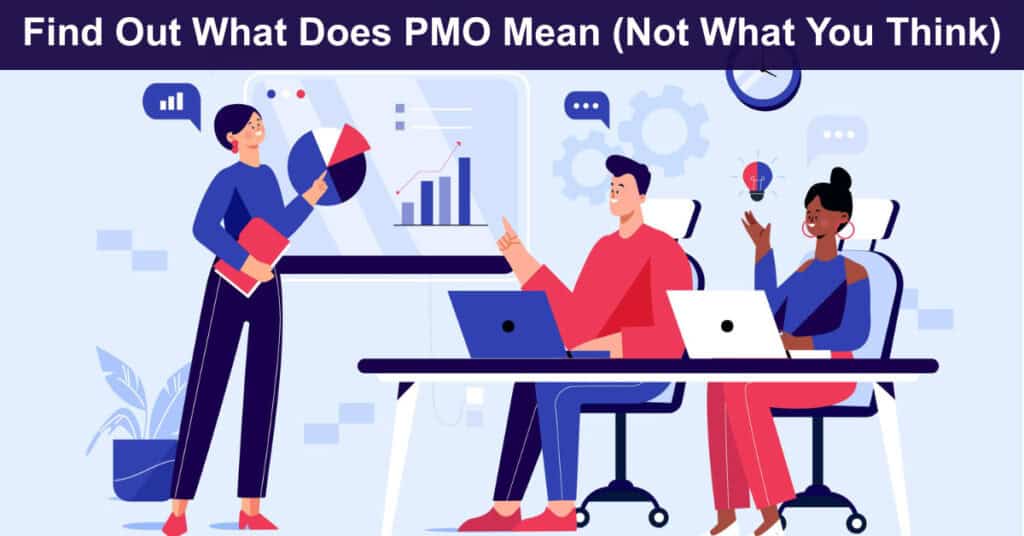
The Project Management Office, or PMO, is a group within an organization that provides support and guidance to project managers. It is responsible for ensuring that projects are completed on time, within budget, and according to the organization’s standards. Its size and structure depend on the organization’s needs and can be a centralized or decentralized unit within the organization, and it can be staffed with full-time employees or part-time consultants.
In project management, a PMO (project management office) is a department within a company that provides centralized project management services and is responsible for the overall success or failure of projects, and for ensuring that project management best practices are followed. Despite its importance, the PMO is often misunderstood, and its value is not always recognized.
What Does PMO Mean?
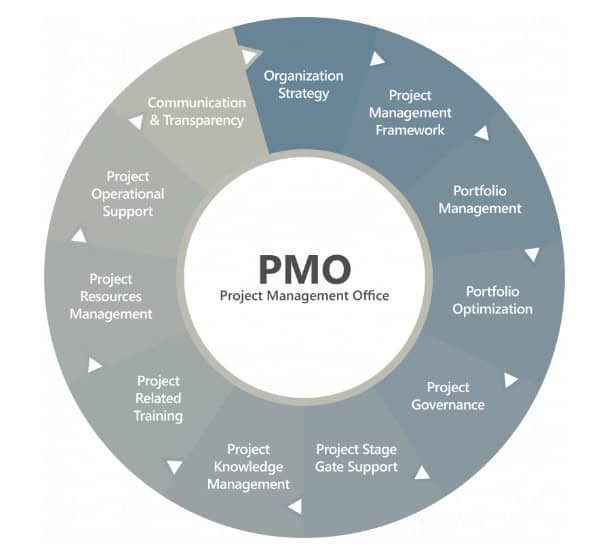
The PMO serves several critical functions, including project portfolio management, resource allocation, project planning and scheduling, risk and issue management, and change management. Additionally, it provides project management training and support to project managers and other project stakeholders. The PMO plays an essential role in the successful delivery of projects, and its strategic value to organizations should not be underestimated. If your organization is looking for ways to improve its project management capabilities, you should consider implementing a PMO.
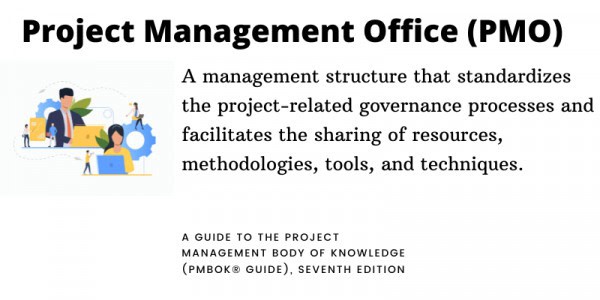
PMO Role and Responsibilities
The Project Management Office’s roles and responsibilities adapt to each organization’s unique size and scope. While specific duties vary across companies and are governed by organizational policies, certain core functions remain consistent. Understanding these responsibilities helps organizations leverage their PMO effectively to ensure projects are managed efficiently and deliver optimal results.
Core PMO Responsibilities:
- Project Portfolio Management: Overseeing and prioritizing all projects across the organization to align with strategic objectives.
- Project Management Support: Providing guidance, resources, and assistance to project managers and teams throughout project lifecycles.
- Project Governance: Establishing and enforcing standards, policies, and procedures for consistent project execution.
- Shared Resource Management: Coordinating and allocating personnel, tools, and budget across multiple projects efficiently.
PMO Governance and Support Functions:
- Developing Project Management Standards: Creating frameworks and methodologies for consistent project delivery.
- Maintaining Documentation Repository: Organizing and storing project documentation for easy access and knowledge sharing.
- Training and Mentoring Programs: Providing education and guidance to develop project management capabilities.
- Enterprise-Wide Project Management: Managing large-scale projects and program portfolios in larger organizations.
Common PMO Services:
- Project Management Consultation: Working directly with project teams to provide guidance on best practices and improve performance.
- Project Management Training: Offering structured learning opportunities to enhance team skills and capabilities.
- Templates and Process Standardization: Providing ready-to-use templates and standardized processes to save time and increase efficiency.
- Project Management Software Tools: Maintaining and supporting technology platforms that enable effective project tracking and collaboration.
These services help project teams deliver better results while ensuring organizational consistency and efficiency.
Who Should Staff A PMO?
Determining who should staff a Project Management Office depends largely on your project’s complexity and organizational structure. The PMO is critical for keeping projects on track and meeting goals, but its composition varies significantly. Understanding the right staffing model ensures your PMO effectively supports project success and delivers value to your organization.
Key Staffing Considerations:
- PMO Size Varies By Organization: Some companies maintain large PMOs with many project managers, while others operate with just a few staff members.
- Reporting Structure Differs Across Companies: PMOs may be part of the executive team or report directly to the CEO, depending on organizational needs.
- Small Project Staffing Requirements: Typically staffed by a single project manager who handles all PMO responsibilities.
- Large Project Staffing Requirements: Require a full team, including project managers, coordinators, and specialized project personnel.
- Essential Nature of the PMO: The PMO is vital for tracking all project components and maintaining alignment with goals.
- Skills and Experience Matter: Success requires the right mix of experience, knowledge, and expertise to support the project management team.
Common PMO Staff Positions:
- Project Coordinators: Handle day-to-day project coordination tasks.
- Project Controllers: Monitor budgets, timelines, and deliverables.
- Project Managers: Lead individual projects and teams.
- Business Analysts: Analyze requirements and bridge technical and business needs.
Each position has specific responsibilities that collectively contribute to the PMO’s overall success.
PMO Types
Each type of PMO has its own unique set of responsibilities and functions, but all PMOs share the goal of supporting and improving the project management process within their organization. If your organization is considering starting a PMO, or you are a project manager who will be working with a PMO, it is important to understand the functions of the PMO and how it can help you achieve success. The PMO can take on different forms, depending on the needs of the company.
The three most common types of PMO are the supportive PMO, the controlling PMO, and the directive PMO.
Supportive PMO
The supportive PMO provides resources and assistance to project managers but does not dictate how they should run their projects, and they do not get involved in the day-to-day management of projects. Their main focus is on helping project managers to be successful. This type of PMO is focused on providing help and guidance to project managers. They may provide templates, best practices, and advice on how to run projects successfully.
Controlling PMO
The controlling PMO oversees and reviews all project management processes to ensure they are being followed correctly. This is focused on ensuring that projects stay on track and within budget. They are more hands-on than the supportive PMO, and they may have the authority to make decisions about projects. They may do this by monitoring project progress, conducting audits, and reporting to upper management.
Directive PMO
The directive PMO is focused on controlling every aspect of the project management process. This directive is more responsible for monitoring and reporting on their progress, as they are the most hands-on of all by giving project managers and teams specific directives to follow. They may do this by setting deadlines, making decisions, and allocating resources.
PMO Functions
There are several different Functions of PMOs (project management offices) that can be employed in project management. Here are a few of the most common functions applied by PMOs:
- Strategic PMO: This is responsible for aligning projects with the organization’s strategic goals. They work with senior leaders to ensure that the project management strategy aligns with the overall business strategy.
- Portfolio PMO: This function of PMO manages a portfolio of projects and ensures that they are all progressing according to plan. They work with project managers to ensure that projects are delivered on time, within budget, and to the required quality standards.
- Program PMO: This function of PMO oversees programs and multiple projects that are all related to each other.
- Project Management Methodology (PMM) PMO: This function of PMO oversees the project management methodology used by the organization.
- Enterprise PMO: This function is responsible for managing all aspects of the project management lifecycle for all projects within the organization.
Why PMO Matters?
The Project Management Office serves as the backbone of successful project delivery, ensuring all necessary components work together seamlessly. Without a PMO, organizations struggle to maintain consistency, control, and quality across their project portfolios. Understanding the PMO’s strategic value helps organizations recognize why this centralized function is essential for achieving project success.
Critical PMO Functions:
- Centralized Point of Control: Provides unified oversight and coordination for all projects across the organization.
- On-Time Project Delivery: Ensures projects meet deadlines through effective planning, monitoring, and resource allocation.
- Budget Management and Control: Keeps projects within financial constraints through careful oversight and proactive intervention.
- Quality Standards Enforcement: Maintains desired quality levels by implementing and monitoring best practices.
- Enhanced Communication: Improves information flow and collaboration among project stakeholders and team members.
Understanding the PMO’s Organizational Role:
- Support System for Project Managers: Functions as an enabler rather than a replacement, helping project managers achieve greater success.
- Strategic Project Alignment: Ensures individual projects support broader organizational goals and objectives.
- Relationship to Other Departments: Works collaboratively with other organizational units while maintaining project focus.
- Critical Success Factor: Plays an essential role in determining whether projects succeed or fail.
Key Considerations for Implementation:
- Organizational Readiness: Assess whether your organization has the maturity and buy-in to support a PMO.
- Resource Requirements: Determine staffing, budget, and technology needs before establishing the office.
- Clear Scope Definition: Define the PMO’s authority, responsibilities, and boundaries within the organization.
- Success Metrics: Establish measurable outcomes to demonstrate the PMO’s value and impact.
The PMO transforms project management from individual efforts into a coordinated, strategic capability that drives organizational success.
Benefits of Project Management Office
If you’re looking to set up a PMO in your organization, there are a few things you should keep in mind. A PMO, or Project Management Office, is a vital part of any project manager’s toolkit. It can help with everything from resource allocation to project tracking and reporting. There are many benefits that can be gained from implementing a PMO within an organization.
Some of the most significant benefits can include, for example, improved project success rates, higher levels of customer satisfaction, and reduced costs. A PMO can provide several benefits to project managers, including:
- Improved project visibility and transparency
- Better project tracking and reporting with improved project success rates
- Reduced project risks
- Improved project coordination and communication between project managers
- Increased project efficiency of resources
These are just a few of the many benefits that a PMO can provide. If you’re considering implementing a PMO in your organization, be sure to weigh the benefits against the costs to see if it’s the right decision for your business.
The Future of PMOs: What’s Next
PMOs must evolve as business environments and technologies change. Their continued relevance depends on agility, strategic focus, and the ability to adopt new tools. Anticipating how PMOs will shift helps leaders prepare teams, processes, and metrics so the office remains a value-driving function rather than a bureaucratic overhead.
Emerging Trends and Drivers:
- Digital Transformation and Tooling: PMOs will need to champion new collaboration, workflow automation, and analytics tools to improve delivery speed and transparency.
- AI and Automation Impact: Routine planning, reporting, and risk-detection tasks may be automated, shifting PMO focus toward oversight, exception handling, and strategy.
- Shift From Control to Enablement: Successful PMOs will move from policing processes to enabling self-organizing teams with guardrails and governance-as-a-service.
- Data-Driven Decision Making: Expect stronger emphasis on portfolio analytics, predictive forecasting, and outcome-based KPIs to guide investments.
- Hybrid Delivery Models: PMOs must support a blend of Agile, Waterfall, and hybrid approaches, tailoring governance to delivery styles.
- Talent and Skills Evolution: PMO staff will require stronger business partnering, data literacy, and change-management skills rather than purely process-focused expertise.
Challenges and Opportunities:
- Balancing Automation With Human Judgment: Leverage AI for project efficiency while preserving human oversight for complex decisions and stakeholder alignment.
- Proving Strategic Value: PMOs must demonstrate measurable impact through outcomes, not just compliance—show ROI on processes and tools.
- Organizational Resistance to Change: Update culture and incentives to accept new ways of working; position the PMO as a facilitator, not a blocker.
- Continuous Upgrading of Capabilities: Invest in training, tooling, and governance refresh cycles to keep pace with emerging practices.
With the right strategy—focused on enablement, analytics, and adaptable governance—the PMO can evolve from an administrative function into a strategic catalyst for better project outcomes.
Conclusion
As organizations quickly evolve, a Project Management Office (PMO) is more than a compliance function — it’s a strategic enabler that brings consistency, visibility, and alignment to project delivery. A well-designed PMO balances governance with flexibility, supports teams with tools and training, and drives better portfolio decisions through data and clear metrics.
A modern PMO must evolve: embrace digital tools, use analytics to predict outcomes, and shift from policing processes to empowering teams. When staffed with the right skills and given a clear mandate, the PMO reduces risk, improves on-time delivery, and helps projects deliver measurable business value — turning scattered efforts into focused, strategic results.
FAQs
What are the three types of PMO?
The three primary PMO types are supportive, controlling, and directive. Each serves a distinct purpose: a supportive PMO provides templates, best practices, and advisory services; a controlling PMO enforces standards and monitors compliance; and a directive PMO takes direct responsibility for managing projects and making execution decisions.
Why does a PMO matter?
A Project Management Office (PMO) is a strategic asset for organizations and project managers. It provides targeted support, resources, and expert guidance to improve project delivery—helping teams meet scope, schedule, budget, and quality objectives more consistently.
What are the main benefits of a PMO?
A PMO can offer many benefits to an organization, including improved project management processes, standardized tools and templates, and increased efficiency. Additionally, a PMO can help to improve communication and coordination between different departments within a company.
What are the functions of a PMO?
The main functions of PMO are aligning projects with the organization’s strategic goals, managing a portfolio of projects and ensuring that they are all progressing according to plan, overseeing programs and multiple projects, managing shared resources, and conducting audits.
What is the key responsibility of a PMO?
They may include providing support to project managers, developing project management processes and templates, and training project managers on best practices. A PMO can also be responsible for tracking project milestones and ensuring that the project is on track.
Suggested articles:

Shane Drumm, holding certifications in PMP®, PMI-ACP®, CSM, and LPM, is the author behind numerous articles featured here. Hailing from County Cork, Ireland, his expertise lies in implementing Agile methodologies with geographically dispersed teams for software development projects. In his leisure, he dedicates time to web development and Ironman triathlon training. Find out more about Shane on shanedrumm.com and please reach out and connect with Shane on LinkedIn.