

Every business runs into problems at some point, from meeting compliance rules to keeping customers engaged and finishing projects on time. These roadblocks often lead to delays, extra costs, and frustration if they are not addressed early. The good news is that many of them can be solved with simple and practical solutions that don’t require massive investments or complete system overhauls.
This article examines common business challenges that managers face across different industries and provides straightforward, actionable fixes that can be implemented quickly. By focusing on proven strategies and accessible tools, managers can keep operations running smoothly, reduce stress, and improve overall efficiency without overwhelming their teams.
1. Legal and Compliance Delays
Legal and compliance requirements are one of the most common reasons businesses get stuck. Unlike internal issues that managers can control directly, compliance often comes with strict external rules that cannot be ignored. Recent research from PwC shows that 47% of companies see regulatory complexity as their biggest compliance challenge, while 34% point to organizational complexity and 29% to company culture.
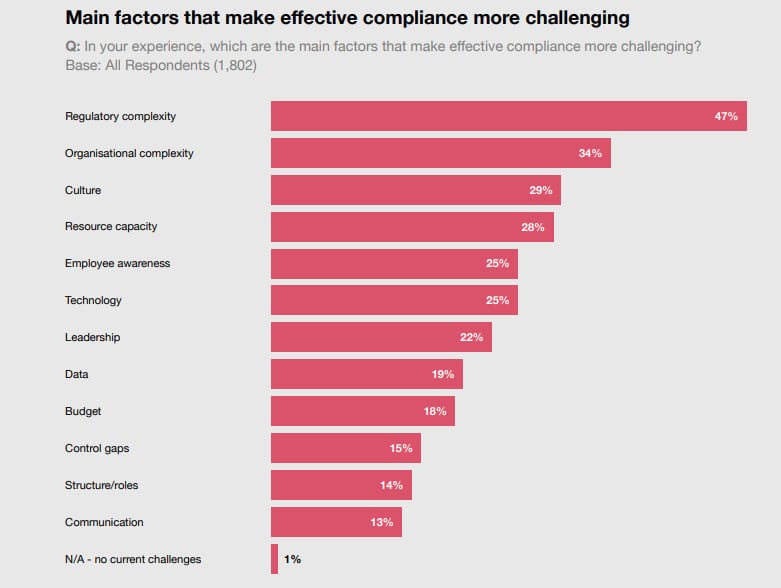
In other words, businesses are not only dealing with outside rules but also with internal barriers that make the process slower. For example, companies in industries such as alcohol, vape, CBD, or gambling must verify customer age before making a sale. Without a reliable process in place, transactions slow down, customers get frustrated, and businesses risk serious penalties.
Solutions
To address legal and compliance delays effectively, businesses can implement these straightforward strategies:
Create Clear Written Policies
When employees know exactly how to handle compliance tasks, there is less confusion and fewer mistakes. For instance, a retail store can train staff with a step-by-step guide on checking IDs properly, while an online shop displays transparent rules during checkout to avoid customer disputes later and ensure smooth transactions.
Implement Technology Solutions
Using age verification software enables businesses to confirm customer eligibility quickly and accurately, thereby speeding up sales while reducing human error significantly. This approach is especially useful for online retailers, where manual checks are not practical or feasible, allowing for seamless automated verification processes that maintain compliance standards.
Schedule Regular Compliance Reviews
Managers should conduct simple monthly checks of records, customer transactions, or process logs to highlight small problems before they turn into larger legal issues. This proactive approach not only prevents last-minute stress but also builds a stronger culture of accountability within the team, ensuring consistent compliance standards.
2. Customer Frustration and Long Waits
Customers often lose patience when processes are slow or confusing, creating immediate friction that affects their entire experience with a business. Long queues at events, unclear instructions in restaurants, or complicated booking systems can quickly lead to frustration and negative impressions. These operational inefficiencies don’t just inconvenience customers in the moment—they also reflect poorly on the business’s professionalism and attention to detail.
If these issues happen repeatedly, businesses risk losing not just a single sale but long-term loyalty, as frustrated customers are likely to share their poor experiences with others and seek alternatives. In today’s competitive market, where customers have numerous options, consistently smooth interactions are essential for building trust and encouraging repeat business.
Solutions
There are several practical ways to make customer interactions smoother:
Self-Service Options
Letting customers take action on their own speeds things up and reduces staff pressure. Kiosks at restaurants, self-check-in stations at events, or online booking systems give people control and cut down on waiting. Restaurants can use platforms like OpenTable for reservations, while retail and food businesses may rely on solutions such as Square Kiosk for self-ordering to streamline the process.
Clear Signage and Digital Guidance
Many delays happen simply because customers don’t know what to do next. Simple, well-placed instructions like “Check in here” or “Order pickup on the left” remove confusion. Digital displays or mobile notifications can also guide large groups without relying on staff repeating directions.
Staff Support During Peak Times
Even with good systems in place, extra help matters when customer volume is high. Assigning one or two team members to assist with directions or quick questions keeps the flow steady. Workforce scheduling tools like Deputy or Homebase make it easier to plan additional staff coverage when it’s needed most.
Multiple Payment Options
Transactions often slow down when only one payment method is available. Accepting cards, mobile wallets, and contactless payments gives customers flexibility and prevents long queues. Payment solutions such as Stripe Terminal or Square POS allow businesses to accept a wide variety of payment types quickly.
QR Codes for Instant Access
QR codes are a simple way to reduce waiting and confusion. A customer can scan a code to see a menu, claim a promotion, or access tickets without asking for help. Tools like QRNow let businesses create custom codes with logos, colors, and direct links to websites, PDFs, or videos. Adding a branded QR code to tables, posters, or receipts gives customers quick access to information while keeping staff free for more complex tasks.
When customers can move through each step without delays or confusion, they feel more at ease and are happier with the overall experience.
3. Day-to-Day Operational Slowdowns
Businesses often face small but costly delays in everyday operations that can significantly impact their bottom line. Missing paperwork, labeling mistakes, inventory discrepancies, or gaps where digital tools are not enough can lead to wasted time and unhappy customers who expect seamless service. Equipment breakdowns, unclear communication between departments, and outdated processes also contribute to operational friction.
These slowdowns may not seem big at first, but they add up quickly and create serious inefficiencies across the entire team. Over time, these accumulated delays can damage customer relationships, increase operational costs, reduce employee morale, and ultimately hurt the company’s competitive position in the marketplace.
Solutions
These methods can help keep day-to-day tasks on track:
Automation for Repetitive Work
Many teams spend hours every week on tasks such as invoicing, sending reminders, or preparing reports. These processes are essential but repetitive, and they can easily slow down productivity. Instead of relying only on third-party platforms, businesses can use automation built into the tools they already use daily.
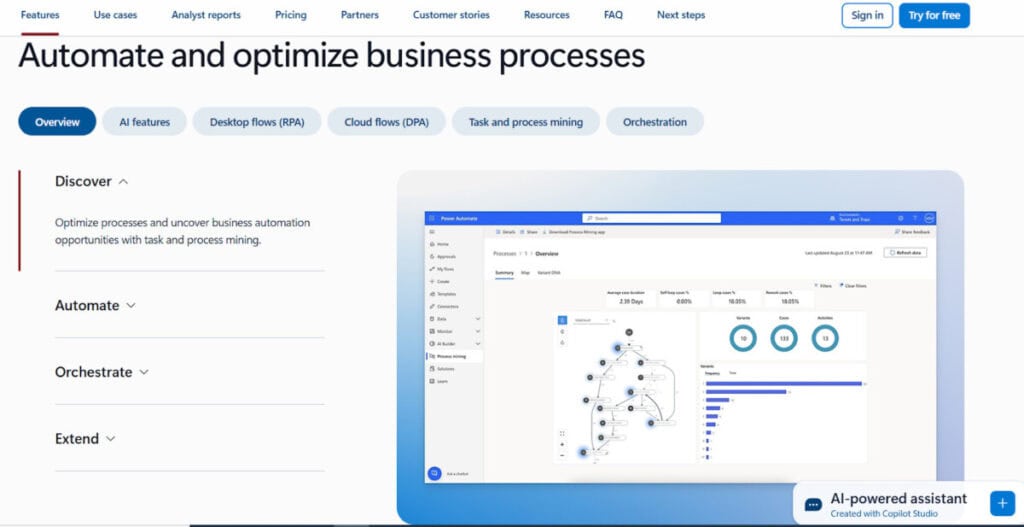
For example, Google Workspace Add-ons can turn a Gmail order into an invoice in Google Docs automatically, while Microsoft Power Automate can route expense reports for approval in a few clicks. Keeping these workflows inside familiar systems reduces errors and helps employees focus on tasks that matter most.
Inventory and Order Tracking
One of the most common operational bottlenecks is mismanaging stock or losing track of orders. This can lead to out-of-stock situations, late deliveries, or dissatisfied customers. Tools such as QuickBooks Commerce (TradeGecko) or Zoho Inventory allow businesses to monitor stock levels in real time and automatically update records when new orders come in.
These systems also generate alerts when stock is running low, so managers can restock before delays happen. Keeping inventory under control ensures that operations stay consistent and customers receive what they expect on time.
Mobile Scanning and Digital Labeling
Manually updating records often leads to mistakes and wasted time. Mobile scanning apps give staff the ability to scan items and update systems instantly from the warehouse floor or during a delivery. Here are some examples: Scandit and Sortly let teams track stock and assets directly from a phone or tablet, avoiding paperwork and manual data entry.
Labeling tools also make tracking easier. With apps like Brother iPrint&Label or NiceLabel, businesses can create scannable tags that connect products to their digital system. These digital labels replace handwritten notes and outdated tags, helping teams in retail, logistics, and healthcare keep operations accurate and fast.
Printing Materials when Digital isn’t Enough
Even with modern digital systems, printing remains an important part of many operations. Receipts, invoices, shipping labels, and packaging slips are still necessary for retail, logistics, and customer-facing services. To avoid slowdowns, businesses should invest in reliable printers and maintain a supply of toner or ink. For higher print volumes, laser printers are often the better option since they deliver faster speeds and a lower cost per page compared to inkjet models.
Keeping a steady supply of toner is just as important. Using original toner helps maintain print quality and prevents the technical issues that cheaper alternatives sometimes cause. High-yield cartridges or complete toner sets (e.g., HP 212X set) reduce the need for constant replacements and help keep costs predictable. Choosing the right combination of printer type and supplies ensures fewer pauses in work and smoother day-to-day operations.
4. Project Work Getting Stuck
Projects often lose momentum when roles are unclear, planning is rushed, or every new assignment starts from scratch. These issues create confusion, duplicate work, and wasted time. Without structure, even small projects can drag on longer than expected. Team members may find themselves duplicating efforts because they’re unsure of who’s handling what tasks. Rushed planning often leads to missed deadlines and scope creep as important details get overlooked in the initial stages.
When projects consistently start without leveraging previous work or established processes, teams waste valuable time recreating solutions that already exist. This lack of standardization not only slows progress but also increases the likelihood of errors and inconsistencies across different initiatives.
Solutions
Some of the ways to prevent these delays include:
Standard Project Templates
Create reusable project templates with consistent formats for plans, timelines, and reporting across all initiatives. This standardization eliminates confusion by establishing clear expectations from the project start. Teams spend less time figuring out structure and more time executing tasks. Templates also reduce errors and ensure nothing important gets overlooked during planning phases.
Regular Check-ins and Reviews
Schedule brief weekly updates to monitor progress, identify issues early, and clarify task ownership. These consistent touchpoints keep everyone aligned and prevent tasks from falling through the cracks. Regular communication creates accountability while allowing teams to course-correct quickly when problems arise, ultimately maintaining project momentum and meeting deadlines more effectively.
Structured Communication Channels
Establish centralized locations where teams share updates and access current information. This eliminates confusion from scattered communications and prevents duplicate work. When discussions happen in organized spaces, decisions get properly documented and tasks receive appropriate follow-through. Clear communication structures ensure focused conversations and reduce unnecessary delays throughout project lifecycles.
Integrated Management Approach
Combine standard templates, regular reviews, and clear communication for optimal project flow. This three-pronged strategy creates systematic project management that reduces setbacks and improves efficiency. When managers implement all practices together, projects maintain better organization, teams stay coordinated, and deliverables are completed with fewer obstacles and delays.
Final Words
The way companies handle roadblocks today will shape how prepared they are for the future. Compliance will only grow more complex, customers will continue to expect faster service, and projects will demand more clarity. Addressing these issues with simple systems, clear processes, and practical tools helps businesses stay ahead instead of reacting at the last minute.
New technology, including AI-driven tools for automation, compliance checks, and customer interactions, is making it easier to prevent problems before they escalate. The businesses that learn to combine human judgment with smart digital solutions will be better positioned to adapt, save resources, and create smoother experiences for both their teams and customers.
Suggested articles:
- The Importance of IT Assistance for Business Industries
- How to Make AI More Effective for Your Business
- 6 Things to Consider When Opening a Consulting Business

Daniel Raymond, a project manager with over 20 years of experience, is the former CEO of a successful software company called Websystems. With a strong background in managing complex projects, he applied his expertise to develop AceProject.com and Bridge24.com, innovative project management tools designed to streamline processes and improve productivity. Throughout his career, Daniel has consistently demonstrated a commitment to excellence and a passion for empowering teams to achieve their goals.