
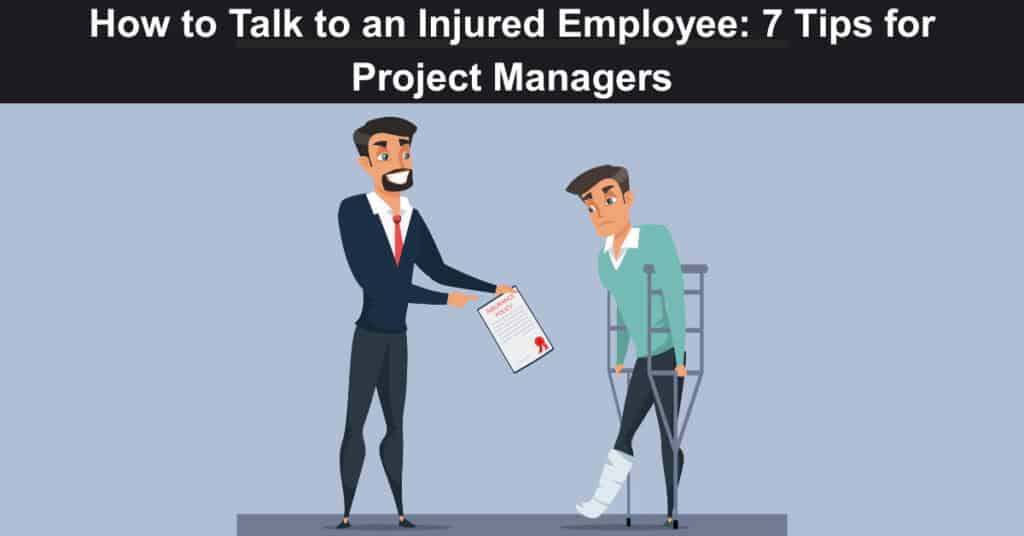
An injured employee can shake the whole team. Work slows down. Morale dips. People complain about having to take on more work. As a project manager, you feel that pressure right away. After all, you’re the one people look at when things go sideways. But your first move shouldn’t be a policy update or a meeting about workloads. It’s a real conversation with the person who got hurt.
They need clarity, honesty, and reassurance about what happens next at work. They need to feel like they still belong here. Here’s how to talk to an injured employee on your team most effectively and helpfully.
Start with Actual Concern, Not a Script
When an employee is injured, it’s easy to slip into manager mode right away. You think of deadlines. Schedules. Deliverables to reassign. That’s the mistake. Be human first. This matters because the injured employee needs to know you see them as a person, not just a resource. They’re likely dealing with pain, stress, and uncertainty about their recovery and job security. Your initial response sets the tone for everything that follows.
- Start by Checking on Their Well-being: Genuinely check on them first. Ask how they’re feeling. Show you care about their recovery before workflow concerns. Sit with them and listen attentively.
- Keep the Focus on Them: Avoid jumping straight into policies. Mention workplace injury claims only if relevant and the injury occurred at work. Keep the primary focus on the employee, not administrative matters.
You’ll see stress fade when they feel heard. They’re also more likely to be honest about limitations and needs. This trust sets the tone for safe communication going forward.
Give Them Space to Explain the Situation
When an employee discusses their injury, resist the urge to immediately interject with questions or solutions. Creating space for them to share their experience at their own pace demonstrates respect and builds psychological safety. Interrupting, even with well-intentioned offers of help, can make them feel rushed and undervalued during an already stressful time.
Key practices for effective listening:
- Write down questions as they arise rather than voicing them immediately
- Allow natural pauses without filling the silence
- Observe body language and emotional cues
- Reserve problem-solving for after they’ve finished speaking
Practice active listening by giving your complete attention to their narrative. Take notes discreetly to capture important details you’ll need later. This patient approach yields more accurate information about their condition, limitations, and concerns. When employees feel truly heard, they’re more forthcoming about their needs, enabling you to provide appropriate support and make informed decisions about workload adjustments.
Clarify What They Can and Can’t Do Right Now
Injuries change what someone can do at work. Some can handle desk tasks. Others can’t lift even light items. Misjudging their limits creates risk for them. The project, too. So, clarify exactly what they can and can’t do. This helps when you’re resource loading and assigning tasks across the team. Document these capabilities with HR to ensure proper accommodation and compliance with workplace safety regulations.
Ask the employee for a detailed description of what feels possible. Confirm limits in writing if needed. Offer alternatives for heavy tasks. The result? Realistic expectations and a smoother workflow. This documentation also protects both the employee and the company should any disputes arise about work assignments or accommodations.
Set Expectations About Workload Adjustments
Gaps in the team workload become noticeable after someone gets hurt. Tasks pile up. Deadlines get tighter. The injured employee worries about falling behind. You stress about project delays. Confusion about who will cover what spreads. Here are some of the key steps for managing workload adjustments:
- Prioritize Tasks Based on Urgency and Impact: Identify which deliverables are time-sensitive and which can be postponed without derailing the project
- Communicate Changes Transparently: Hold a brief team meeting to explain the situation (respecting privacy) and outline how responsibilities will shift
- Consider Temporary Resource Reallocation: Bring in contractors, reassign tasks from other projects, or negotiate deadline extensions with stakeholders
- Document All Adjustments in Writing: Create a clear record of who is responsible for what during the transition period
- Check in Regularly With Both the Injured Employee and Team: Schedule brief updates to ensure the plan is working and make adjustments as needed
Be upfront about what can and can’t wait. Explain why some tasks can’t be reassigned. Rearrange the workload to keep the team efficient. Share an updated schedule. Ask how everyone feels about the adjustments. If possible, don’t overload anyone.
This ensures everyone knows what to expect workload-wise. When the injured employee expresses concern, empathize. Let them know that the goal is to protect them and the team.
Share Useful Professional Resources
The injured employee might feel confused about what comes next. They might now know how to ask about benefits. Or understand the path to recovery just yet. Feeling lost adds even more anxiety. That can slow healing. Providing this information upfront shows you’re invested in their well-being beyond just their job duties.
Make them feel supported by pointing them to trustworthy guidance. Provide clear contacts. Connect them with resources, like medical support lines. Maybe insurance guidance, too. If legal guidance is needed, mention it respectfully. For example, if they were hurt in a boating accident, they can explore a boat accident injury claim. A lawyer can explain their legal options.
Keep All Medical Information Confidential
Injuries attract attention at work. People talk. Rumors can spread fast. That makes employees anxious. Maybe even less willing to share. So, protect their privacy at all costs. Don’t tell anyone about their situation unless they’re okay with it. This helps stop gossip in the workplace. Limit access to medical records. Remind the team that health details are private.
Encourage questions to go through proper channels. This builds trust. Employees feel safe updating you honestly. Consider establishing a clear point of contact, such as HR or a designated team lead, for injury-related questions and concerns. This structured approach prevents misinformation and ensures employees receive accurate, consistent guidance throughout their recovery process.
Reinforce Their Value to the Team
An injury can make an employee feel replaceable. They worry about falling behind or losing their position. Job insecurity hurts employees and the business at the same time. That fear of losing their job affects focus. When people feel unsafe, productivity drops. Projects stall. Remind them they matter. Tell them how they’re an asset to the team.
Check in often to reassure them they still have their job. Let them know their position is secure while they recover. This boosts confidence. It could even speed up their recovery, as it motivates them to return to work sooner. A simple “we need you back when you’re ready” can ease their worries and strengthen their commitment to the team.
Conclusion
Talking to an injured employee isn’t about following a script. It’s about listening and being clear. Showing you care. Step into their shoes and be kind when you speak to them. Apply the tips above in your next check-in with an injured team member. You’ll notice the difference immediately. The employee will feel heard and supported.
The team will respond with steadier focus. Clear communication keeps projects on track. When you get that right, everything else will fall into place. Your leadership during these moments defines the culture you build.
Suggested articles:
- How to Manage Workplace Injury Claims Within Your Project Team
- Workers’ Compensation Laws Every Small Business Owner Should Know
- Who Should Project Managers Consult After Employee Work Injuries?

Daniel Raymond, a project manager with over 20 years of experience, is the former CEO of a successful software company called Websystems. With a strong background in managing complex projects, he applied his expertise to develop AceProject.com and Bridge24.com, innovative project management tools designed to streamline processes and improve productivity. Throughout his career, Daniel has consistently demonstrated a commitment to excellence and a passion for empowering teams to achieve their goals.