
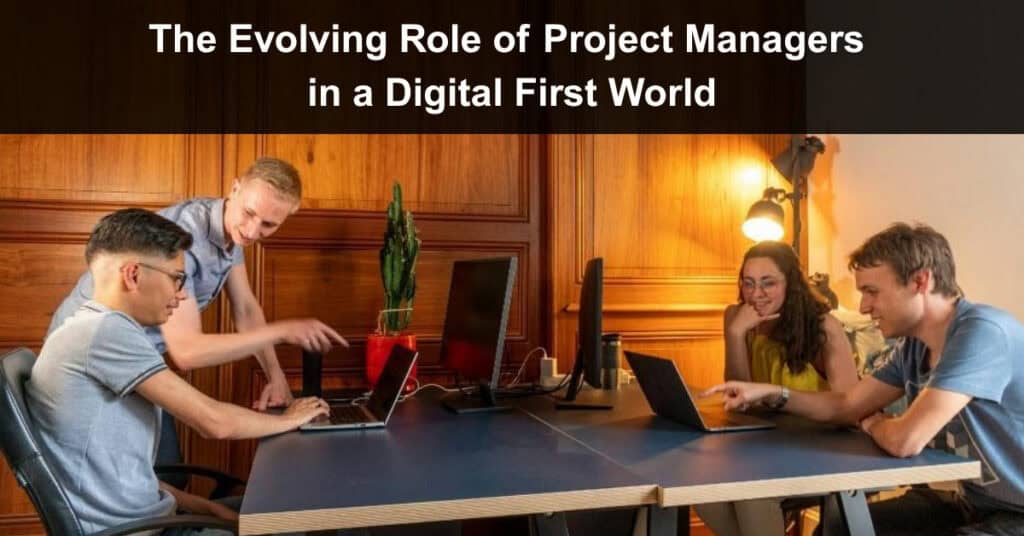
The expectations placed on project managers have shifted dramatically over the past several years. What was once a role defined by timelines, budgets, and resource allocation has expanded into something far more complex. Today, project managers are expected to understand technology, lead distributed teams, interpret data, and serve as a bridge between technical specialists and business leadership. The transformation has been driven by the rapid adoption of digital tools, remote work models, and an increasingly competitive business environment that demands faster delivery without sacrificing quality.
This shift has not made traditional project management skills irrelevant. Planning, organization, and stakeholder communication still matter as much as they ever did. But the context in which those skills are applied has changed fundamentally. Project managers who fail to adapt to the digital-first reality risk becoming bottlenecks rather than enablers.
Why Continuous Learning Has Become Non-Negotiable
The digital-first world moves fast — and project managers who aren’t actively keeping up risk falling behind, even when it doesn’t feel that way in the moment. Here’s why continuous learning is no longer optional:
The Tools Keep Changing
The technology landscape never stands still. New platforms and systems constantly reshape how teams work, making yesterday’s expertise feel outdated faster than ever. Consider how quickly things shift:
- New collaboration platforms, automation tools, and workflow systems appear constantly, and teams are expected to adopt them quickly with little disruption to ongoing work.
- Each new project management tool shifts how teams operate and communicate, often introducing new processes that project managers need to understand before they can effectively oversee them.
- What worked two years ago may already be outdated, and relying on familiar methods in unfamiliar environments can slow a project down significantly.
Most Projects Now Have a Digital Marketing Component
Digital marketing is no longer just a marketing team responsibility — it touches nearly every major initiative. Project managers need a working understanding of how these elements fit into the bigger picture. The range of situations where this knowledge applies is broad:
- Product launches require a social media strategy that aligns with the overall timeline, and delays in content creation or approvals can push back an entire release.
- Brand refreshes depend on audience targeting and market research that takes time to do properly, making it essential for project managers to factor these activities into their planning.
- Company-wide initiatives need coordinated online messaging across multiple channels, which means more stakeholders, more dependencies, and more potential points of failure.
- Project managers don’t need to run campaigns themselves, but they need enough knowledge to ask the right questions, evaluate timelines realistically, and hold marketing teams accountable for measurable results.
Cross-Functional Fluency Is a Competitive Advantage
Project managers who can speak the language of multiple disciplines are far more effective than those who operate in silos. Building fluency across functions directly improves project outcomes. The benefits show up in practical ways every day:
- Understanding how content strategies are built helps PMs set realistic expectations around production timelines, revision cycles, and approval processes that non-specialists often underestimate.
- Knowing how paid media budgets are allocated and optimized allows project managers to have more informed conversations with marketing leads and catch potential overspending before it becomes a problem.
- Being able to translate engagement metrics into business outcomes makes a PM far more effective when reporting to leadership or justifying resource decisions across departments.
- Earning a Digital Marketing Masters degree online is one of the most practical ways to build this fluency — it allows working professionals to develop these skills without stepping away from active projects or sacrificing income.
Leading Teams That May Never Share a Room
Remote and hybrid work models have fundamentally changed what it means to lead a project team. Before the digital shift, project managers could walk down a hallway to check on progress, read body language in meetings, and resolve conflicts through quick face-to-face conversations. That option no longer exists for many teams, and the project managers who thrive in this environment are the ones who have developed new leadership habits to replace what physical proximity once provided.
Communication is the most obvious area of adjustment:
- In a digital-first setting, clarity becomes everything.
- Messages that might have been understood perfectly in a conference room can be misinterpreted completely in a chat window.
- Project managers now need to be deliberate about tone, context, and follow-up in every written communication.
- They also need to recognize when a typed message is not enough and a video call would serve the team better.
Trust is the other major factor:
- Managing remote teams requires a willingness to let go of constant oversight and instead focus on outcomes.
- Micromanagement, which was already ineffective in traditional settings, becomes actively destructive when applied to distributed teams.
- Effective remote leaders build accountability through clear expectations, regular check-ins, and transparent progress tracking.
Data Literacy as a Core Competency
There was a time when project managers could get by with basic spreadsheet skills and a good instinct for timelines. That time has passed. The digital first world generates enormous amounts of data at every stage of a project, and the ability to interpret that data is now a core requirement of the role.
This does not mean project managers need to become data scientists. But they do need to understand what metrics matter, how to read dashboards, and how to use data to support decisions rather than relying on gut feeling alone. When a project is falling behind schedule, data can reveal whether the problem is a resource issue, a scope issue, or a communication breakdown. Without that insight, project managers are guessing, and guessing gets expensive fast.
Balancing Speed with Quality
Digital-first environments create pressure to move fast. Shorter development cycles, rapid iteration, and constant feedback loops have become standard in many industries. Project managers are often caught in the middle, pushed by leadership to deliver faster while simultaneously being held accountable for quality. Managing this tension requires a different approach than the traditional waterfall model allowed.
Agile and hybrid methodologies have become popular precisely because they offer a framework for balancing speed with thoroughness. But adopting a methodology is not the same as mastering it. Project managers need to understand not just the ceremonies and artifacts of agile practice, but the underlying principles that make it work. Flexibility, transparency, and a willingness to adjust course based on new information are more important than following any framework to the letter.
Becoming a Strategic Partner, Not Just a Coordinator
The most significant shift in the project management role is the move from coordination to strategy. In the past, project managers were often seen as administrators whose job was to keep things organized and make sure deadlines were met. That perception is fading as organizations realize that effective project management is a strategic function that directly impacts business outcomes.
Project managers who operate at a strategic level do more than track tasks. They help shape the direction of initiatives by asking the right questions early in the planning process. They identify risks before they become problems. They connect project outcomes to business objectives in ways that make the value of their work visible to leadership. And they advocate for their teams, ensuring that the people doing the work have what they need to succeed.
Suggested articles:
- How Project Managers Use Account Receivable Automation Software to Keep Projects Cash-Positive
- How Project Managers Can Use AI Tools in Marketing Projects
- Why Project Managers Are Choosing Clover for Modern Payment Rollouts

Daniel Raymond, a project manager with over 20 years of experience, is the former CEO of a successful software company called Websystems. With a strong background in managing complex projects, he applied his expertise to develop AceProject.com and Bridge24.com, innovative project management tools designed to streamline processes and improve productivity. Throughout his career, Daniel has consistently demonstrated a commitment to excellence and a passion for empowering teams to achieve their goals.