
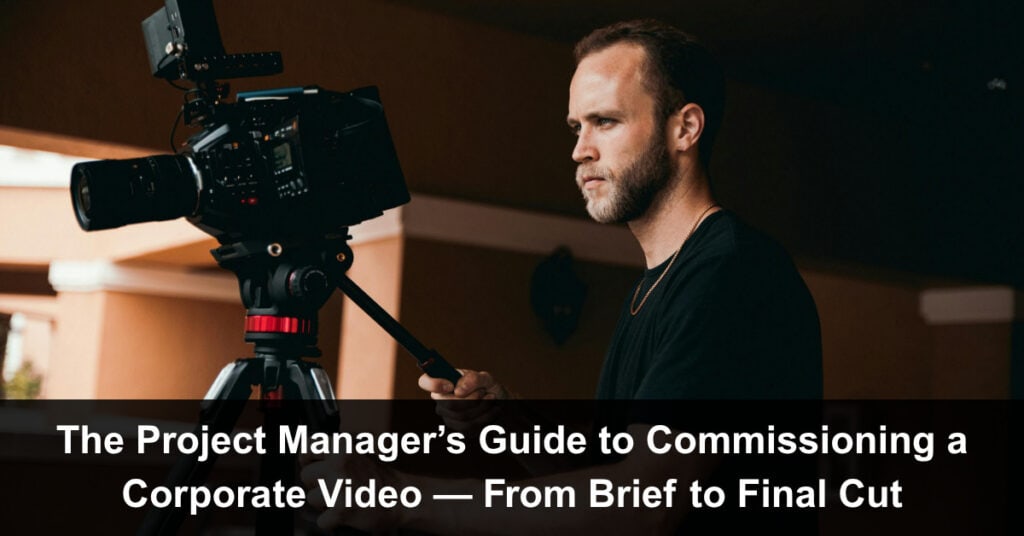
Ever been told, “We just need a quick corporate video,” and felt that quiet hesitation kick in? You’ve seen how that plays out. What starts as a small request slowly expands—more opinions, tighter timelines, a moving target that refuses to sit still. Meanwhile, video isn’t slowing down. Wyzowl reports that 91% of businesses use video as a marketing tool, which means expectations are already sky-high before you even begin.
So, the question rings: how do you take something vague and shape it into something that actually works? That’s what this guide walks through—step by step, from first brief to final cut.
1. Shape the Initial Brief into Something You Can Actually Use
At the beginning, clarity is usually… missing. You’ll get fragments. “Make it engaging.” “Keep it short.” That’s not a plan—it’s a starting point.
Define Purpose, Audience, and Constraints Early
So you push a little. Ask better questions. Who’s watching this? What should they do after? Where will it live? That last one matters more than people think. Studies show 54% of consumers want more video from brands, which sounds encouraging… until you realize they expect it to feel personal. Not generic.
The brief is where that personal quality either gets built in or gets missed entirely. A few early decisions make everything downstream easier:
- A Website Explainer Feels Different From a LinkedIn Clip: Platform shapes everything—length, tone, pacing, and even how much you can assume the viewer already knows. Brief accordingly.
- Internal Training Needs Clarity, Not Flair: Employees watching a compliance or onboarding video don’t need cinematic drama. They need information that sticks. Keep it direct.
- Investor Videos? Tone Shifts Again: Confidence, credibility, and precision matter here more than warmth. The audience is different, and the brief should reflect that from the start.
Studies show 54% of consumers want more video from brands, which sounds encouraging… until you realize they expect it to feel personal. Not generic.
2. Find a Production Team That Understands the Work Behind the Camera
You’d think this part is simple. It isn’t. Plenty of teams can shoot good footage. Fewer can guide a project from uncertainty to clarity.
Look Beyond Visual Style and Into Their Process
Most teams can shoot polished footage. That’s not the issue. The real difference shows up in how they think—how they plan, how they ask questions, and how they handle uncertainty. Picture this scenario. A Tampa-based company hires a team purely on a flashy showreel. Filming starts quickly, but halfway through, something feels off. The message isn’t clear. Scenes don’t connect. Now there’s pressure to fix everything on the fly.
Not ideal. To prevent such a situation, hiring a professional video production company in Tampa can help keep things grounded from the start. Better planning, clearer structure, fewer surprises. Renderforest reports that 62% of marketers say video increases website traffic, which points to something subtle—results usually come from structure, not just creativity. You can feel it early on. The right team doesn’t rush the thinking.
Choosing the right production partner is one of the few decisions that shape every stage that follows. A few signals help separate the right fit from a costly mistake:
- Ask How They Handle a Brief That Isn’t Clear Yet: A strong team leans in with questions. A weak one rushes to treatment. How they respond to ambiguity tells you everything about how they’ll perform under pressure.
- Review Their Process, Not Just Their Portfolio: A beautiful showreel shows what they’ve done. A clear production process shows what working with them will actually feel like.
- Look for Experience Across Different Message Types: Teams that have produced training videos, brand films, and social content think more flexibly. Narrow experience often produces narrow solutions.
- Check How They Communicate Between Milestones: Responsiveness, clarity of updates, and how they handle feedback rounds matter as much as creative talent when deadlines are real.
3. Build the Foundation Before Filming Starts
This part feels slow. It doesn’t look exciting. No lights. No cameras. Just notes, drafts, and conversations that drift, then sharpen.
Turn Ideas into Scripts, Schedules, and Clear Direction
Here’s where loose ideas get pinned down. Scripts are drafted, then reshaped. Locations are considered—sometimes rejected after one quick look, when the lighting just doesn’t cooperate. And roles are clarified. I’ve seen shoots run late over a single, unclear line in a script. Ten people are waiting while someone rewrites on the spot. Not ideal. But it happens. Better to fix it now than later.
The groundwork laid here quietly shapes everything that follows. A few video pre-production habits consistently separate smooth shoots from stressful ones:
- Lock the Message Before the Script: Know exactly what you want viewers to feel and do after watching. Everything else—tone, visuals, pacing—flows from that single clarity.
- Build the Schedule with Buffer Time: Things shift. Talent runs late. Weather changes. A schedule with no slack isn’t a plan—it’s a countdown to stress.
- Assign Clear Decision-Making Authority: Ambiguity about who has final say on creative choices causes delays. Name that person early, before it matters.
- Walk Every Location Before the Shoot Day: What looks promising in photos can disappoint in person. Lighting, noise, space—none of it reveals itself on a screen.
4. Manage the Filming Day Without Trying to Control Everything
The filming day arrives, and things begin to shift. Everything speeds up—and somehow slows down at the same time.
Stay Present Without Getting in the Way
Your role isn’t to direct every moment. You’re there to protect the goal. Watch for drift. Keep an eye on the time. Step in when something feels off—but don’t hover. Small decisions matter here. A line gets cut. A scene changes tone. You adjust and move forward. Viewers expect a seamless experience. That smoothness comes from managing these slightly chaotic moments well. And yes, something will go off-plan. It always does.
A few on-set habits make the difference between a day that recovers quickly and one that unravels slowly:
- Guard the Schedule, Not the Script: Flexibility in delivery is fine—slipping two hours behind is not. Time pressure compounds quickly on a film set.
- Be the Calm Voice in the Room: Tension is contagious. So is composure. Your steadiness signals to everyone that the day is still on track.
- Document Decisions as They Happen: When a scene changes on the fly, note it immediately. Undocumented changes cause confusion in the edit suite.
- Trust the Crew’s Expertise: If the director of photography pushes back on a setup, listen before overriding. They often see something you don’t.
5. Guide the Editing Process Without Letting It Spiral
Editing feels different. This is where everything either comes together… or starts to drift again.
Keep Feedback Focused and Usable
This is where delays creep in. Too many voices. Conflicting notes. Someone jumping in late with “just one change.” Anyone who’s managed video projects knows feedback can slow everything down. You’re shaping a message, not collecting opinions. And then, somewhere along the way, it clicks.
The edit suite rewards discipline more than creativity. A few habits keep the process moving without losing what matters:
- Keep All Feedback in One Place: Scattered notes across emails, calls, and chat threads create confusion. One shared document, one clear thread—that’s the rule.
- Tie Every Comment to the Original Goal: If a note doesn’t serve the message, it probably doesn’t belong. Ask, “Does this change help the viewer?” before passing it on.
- Limit Revision Rounds Before You Start: Agree on the number of review cycles upfront. Late-stage changes are expensive in time, energy, and momentum.
- Protect the Editor’s Focus: Constant interruptions fragment creative thinking. Batch your feedback, set clear deadlines, and let them work.
You’re shaping a message, not collecting opinions. And then, somewhere along the way, it clicks.
6. Prepare the Final Cut for Where It Will Actually Be Seen
It’s tempting to think you’re done. You’re not.
Adapt the Video for Different Platforms and Behaviors
People don’t watch videos the same way everywhere. On social media, attention is short. On a website, viewers stay longer. Internally, clarity wins over style. Studies show that short-form videos tend to get the most engagement, which forces tough editing decisions. You cut things you like. You trim moments that felt important. Sometimes you’ll create multiple versions—short cuts, captioned edits, longer formats. Same story, different shapes. And that’s part of the job, too.
Distribution is where many projects lose momentum—not because the video is wrong, but because it wasn’t shaped for where it lands. A few decisions here protect everything you built:
- Social Media Demands the Hook in the First Three Seconds: Attention doesn’t build on social—it’s either captured immediately or lost. Lead with the most compelling moment, not context.
- Website Placements Reward a Longer Story: Visitors who land on a product or about page are already curious. You have more time here—use it to build trust and depth.
- Internal Videos Need Captions and Clarity Above All: Employees often watch without sound, in noisy environments, or on small screens. Readable, clear, and direct always wins over stylish.
- Always Export Platform-Specific Versions: Aspect ratios, file sizes, and caption requirements differ everywhere. One master file rarely works across all channels without adjustment.
When You Watch It Back, and It Finally Feels Right
There’s a moment—usually quiet—where you watch the final version, and something settles. The pacing works. The message lands. It feels… complete. Not flawless. But right. And then there are projects where it doesn’t fully land. Slightly off. A tone that misses by a bit. It happens. Still, each one teaches you something. About people. About timing. About how ideas evolve once they leave the page. So next time someone says, “It’s just a quick video,” you’ll probably pause for a second. You’ll know the journey hiding behind that sentence.
Suggested articles:
- What Is Corporate Video Production and Why Does It Matter for Your Business
- Best Tips to Manage a Video Production for Non-Profits Projects
- From Concept to Delivery: Top Tools for Efficient Video Project Management

Daniel Raymond, a project manager with over 20 years of experience, is the former CEO of a successful software company called Websystems. With a strong background in managing complex projects, he applied his expertise to develop AceProject.com and Bridge24.com, innovative project management tools designed to streamline processes and improve productivity. Throughout his career, Daniel has consistently demonstrated a commitment to excellence and a passion for empowering teams to achieve their goals.