

Scaling engineering teams in the middle of a project doesn’t have to throw everything off track. The right partner can work like an extension of your current team, keeping your speed and quality consistent. Choosing the right provider is super important to keep your sprints on track, make onboarding easy, and get good results. This guide points out the best providers for growing your engineering teams without messing up your timelines. It also tells you how to check them out and gives project managers some helpful advice.
Ranked List of the Best Vendors for Scaling Engineering Teams
Here’s a list comparing providers that can help your engineering teams grow while keeping timeline disruptions to a minimum. The rankings focus on how well they align with your delivery process, keep things consistent, stick to processes, and have real-world success.
#1. HLAD – Hire Vetted Remote Developers from Latin America
What They Do
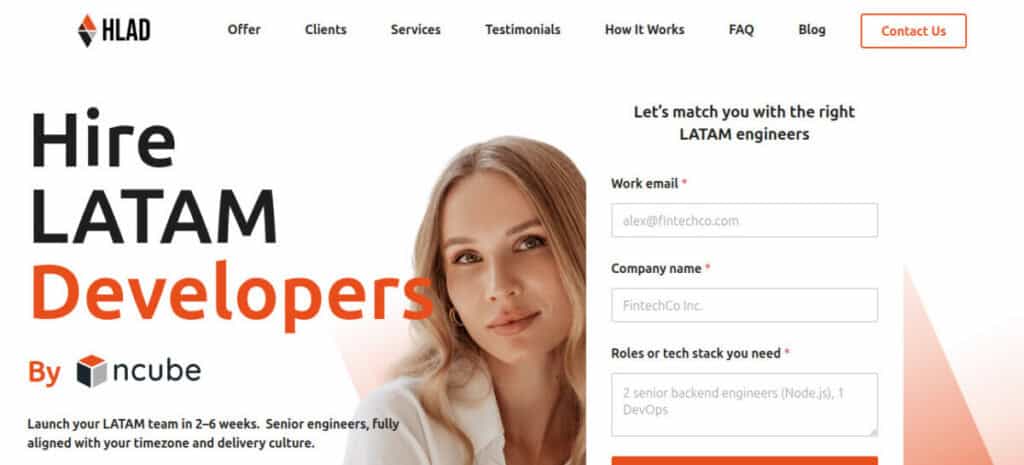
HLAD helps companies find qualified remote engineers in Latin America who can quickly join existing teams without a lot of onboarding fuss. They check tech skills, how well they work with your workflow, and if they’re a good fit for your company culture. This helps teams keep their speed up when they’re expanding.
What They’re Good At
- Making sure new team members are a good fit through structured technical and cultural checks
- Having similar time zones for easy Agile collaboration
- Giving guarantees to keep the delivery going smoothly
Who They’re Perfect For
Project managers and CTOs who want to scale predictably and easily add new engineers to their existing workflows. HLAD is number one because they focus on team consistency, fitting into your workflow, and working together proactively. This cuts down on the risks that usually come with scaling in the middle of a project.
#2. BairesDev
What They Do
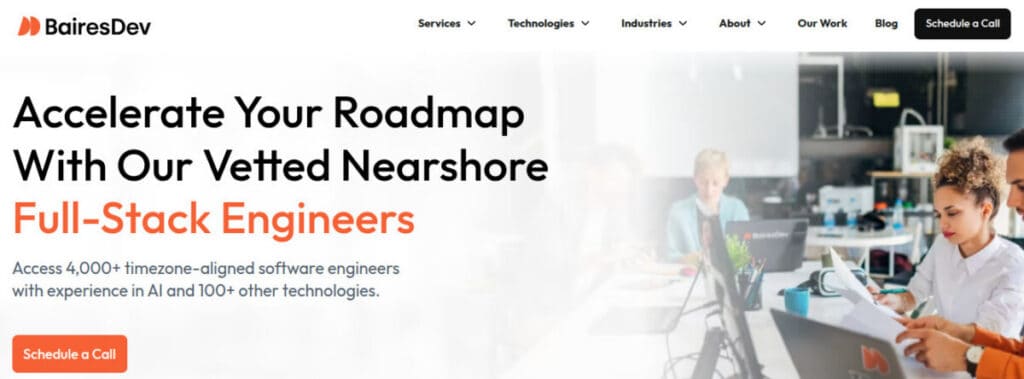
BairesDev is a large nearshore software development company with a deep bench of engineers across Latin America. They support everything from staff augmentation to fully managed development teams, often stepping into complex, enterprise-level environments with established processes and high technical demands.
What They’re Good At
- Delivering flexible engagement models that adapt to changing project scopes and timelines.
- Providing expertise across a broad technology stack, from frontend frameworks to cloud-native architecture.
- Scaling large engineering teams quickly for high-volume, multi-platform initiatives.
Who They’re Perfect For
Large enterprises running complex digital transformation projects across multiple systems and regions. They’re especially suited for organizations that require significant engineering bandwidth, mature delivery frameworks, and the ability to mobilize sizeable, cross-functional teams without compromising technical depth.
#3. Tecla

What They Do
Tecla connects companies with vetted developers from Latin America, placing strong emphasis on both technical capability and cultural alignment. Their model prioritizes long-term integration, ensuring engineers don’t just complete tasks but become reliable, embedded contributors within distributed teams.
What They’re Good At
- Prioritizing cultural compatibility alongside technical screening.
- Supporting long-term team stability instead of short-term placements.
- Streamlining onboarding for smoother collaboration across borders.
Who They’re Perfect For
Mid-sized businesses that want steady, controlled team growth without sacrificing culture. Tecla works well for companies that value alignment, communication, and long-term cohesion over rapid but unstable expansion.
#4. Neocoast

What They Do
Neocoast builds tailored nearshore development teams designed around each client’s structure and communication style. They emphasize transparency, coordination, and ongoing oversight, ensuring projects remain controlled while scaling delivery capacity.
What They’re Good At
- Maintaining tight communication loops between clients and developers.
- Responding quickly to changing project requirements.
- Structuring teams with clear oversight and accountability.
Who They’re Perfect For
Companies that need mid-sized development squads but still want strong managerial control and visibility. Neocoast fits organizations that prefer structured collaboration and clearly defined reporting lines during scaling phases.
#5. Cheesecake Labs
What They Do
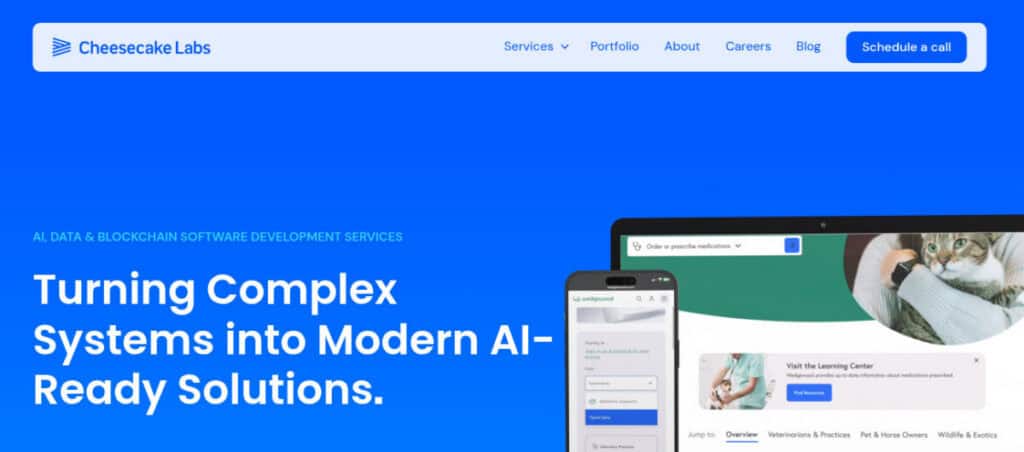
Cheesecake Labs is a product-driven development firm known for blending engineering with strong UX and mobile expertise. They help businesses design, build, and scale digital products with a focus on usability, performance, and long-term scalability.
What They’re Good At
- Integrating design thinking directly into engineering workflows.
- Delivering high-quality mobile and cross-platform applications.
- Supporting product evolution through scalable technical foundations.
Who They’re Perfect For
Product-focused teams that care as much about user experience as backend performance. They’re ideal for companies launching or refining digital products where design quality and engineering scalability must work hand in hand.
#6. Luby Software
What They Do
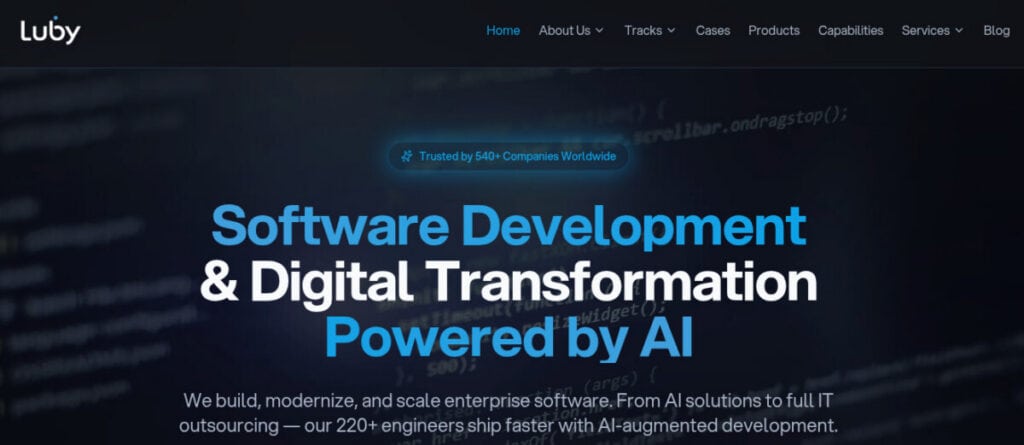
Luby Software is a Brazil-based engineering firm specializing in backend architecture and enterprise-grade systems. They support companies building complex infrastructures, focusing on clean architecture, system resilience, and scalable distributed environments.
What They’re Good At
- Designing robust microservices and distributed system architectures.
- Providing senior-level technical leadership for backend initiatives.
- Strengthening system performance and long-term maintainability.
Who They’re Perfect For
Organizations scaling complex enterprise platforms or backend-heavy applications. Luby fits teams that require strong architectural direction and disciplined engineering to handle high traffic, integrations, and long-term growth.
#7. Huenei IT Services

What They Do
Huenei IT Services offers broad technology support, ranging from AI and DevOps to QA and full-cycle engineering. They operate as a versatile nearshore partner capable of supporting multiple technical functions under one coordinated structure.
What They’re Good At
- Covering diverse technology needs across engineering, automation, and infrastructure.
- Supporting cross-functional scaling within a single partnership.
- Adapting to evolving technical demands across departments.
Who They’re Perfect For
Companies scaling across several technical functions at once, not just development. Huenei works well for teams that need coordinated support in AI, DevOps, QA, and engineering without juggling multiple vendors.
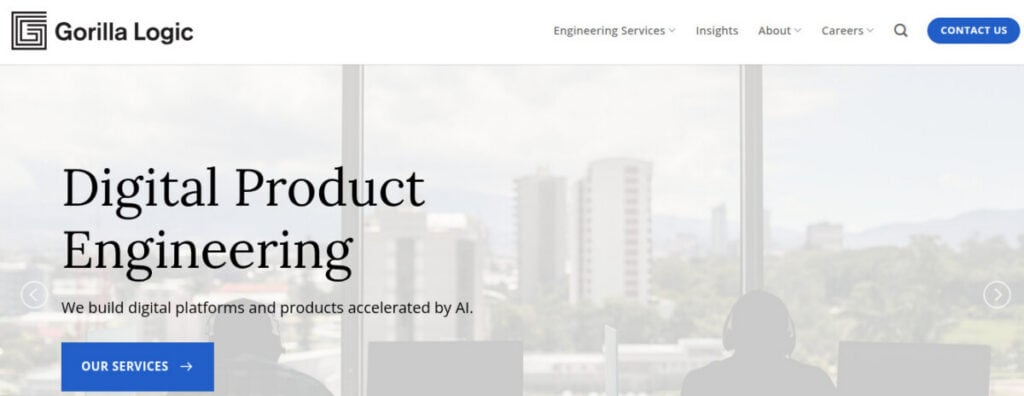
#8. Gorilla Logic
What They Do
Gorilla Logic provides nearshore development teams focused on full-stack engineering and collaborative delivery. They integrate closely with client teams, working within Agile frameworks to ensure iterative progress and continuous improvement.
What They’re Good At
- Embedding developers directly into Agile workflows.
- Delivering full-stack expertise across web, mobile, and backend.
- Maintaining strong team collaboration throughout development cycles.
Who They’re Perfect For
Agile organizations that want nearshore squads operating as true extensions of their in-house teams. Gorilla Logic fits companies that prioritize collaboration, sprint-based execution, and steady, incremental delivery.
Why Scaling Engineering Teams Can Mess Up Timelines (and How to Avoid It)
For project leaders, adding more engineers can often cause problems: slow onboarding, mismatched expectations, and delays from miscommunication or trouble with tools. These things aren’t just annoying; they really impact how fast you can sprint and how good your results are. Nearshore software development, especially from places with similar business hours, helps reduce these risks by allowing real-time teamwork.
Teams can join daily stand-ups, sprint planning, and code reviews without the delays that happen with partners who are very far away. Nearshore partners in Latin America are usually only one to three hours away from U.S. time zones, which means you can iterate quickly and solve problems fast – a key thing for keeping your project on schedule.
By knowing where problems usually come from and choosing models that fit with your delivery processes, you can avoid the usual issues of growing a team and keep things predictable as you expand.
Pick a Scaling Model That Keeps Your Speed and Accountability Up
Not all ways of expanding a team are the same. Just adding people might increase headcount, but it can also make it hard to know who’s responsible for what. A partner that puts engineers into your workflows – with control, quality standards, and real-time teamwork – will give you much more predictable results.
Nearshore delivery is great because developers work in the same or similar time zones as U.S. teams. This means you can keep your Agile rhythms going instead of just filling seats. Having real-time overlap helps coordinate stand-ups, review cycles, bug fixes, and product demos. This shortens feedback loops and lowers delivery risk.
Plus, being close together helps with cultural alignment and clearer communication, which makes teams work better together on distributed projects. When you’re picking a model, think about how well your potential partner can fit into your sprint meetings, tooling, and reporting – not just how fast they can give you names.
How to Check Out Vendors to Make Sure They Scale Without Breaking Your Timelines
Before you start looking at vendors, it’s important to know how to judge them fairly. These criteria focus on keeping delivery consistent, fitting in well, and having real-world performance – not just what they say in their marketing.
Delivery Model Maturity:
A good delivery model should fit with your current Agile and DevOps practices. It should make it easy to join sprints, refine backlogs, and do retrospectives as if the partner were in-house.
Engineering & QA Processes:
Look for partners with standard coding practices, automated testing, thorough code reviews, and clear quality checks. These things reduce rework and keep product quality consistent as you grow.
Scalability & Team Consistency:
Being able to ramp up quickly and having structured knowledge transfer are must-haves. Vendors that switch developers around without good continuity plans can slow things down.
Client Partnership Approach:
The best partners act like collaborators. They proactively spot problems, suggest improvements, and join in long-term product planning – not just provide bodies.
How Project Managers Can Grow Engineering Teams Safely
- Set Clear Expectations from the Start: Make sure new engineers know your coding standards, sprint rhythms, and communication rules from day one. This avoids onboarding delays.
- Keep Documentation Up to Date: Maintain shared knowledge so new team members can quickly understand things and avoid losing important context.
- Adjust Your Measurements as You Scale: Track your sprint speed, cycle time, and defect rates before and after onboarding. This helps you spot problems early and fix them fast.
- Encourage Communication: Prioritize real-time collaboration and frequent feedback to reduce misunderstandings and rework.
By thinking of scaling as more than just adding resources, project managers can keep things moving and avoid common problems.
Conclusion
Scaling engineering teams without messing up timelines is doable if you have the right way to evaluate things and the right partner. Nearshore vendors, especially in Latin America, offer similar time zones, cultural compatibility, and technical skills. When you measure them on how mature their delivery is, how good their QA is, how consistent they are, and how well they collaborate, vendors like HLAD and the others on this list can give you predictable results. By using structured evaluation criteria and taking advantage of nearshore strengths, project managers can turn scaling from a risk into a strategic advantage.
Suggested articles:
- Top Agencies Assisting Businesses in Assembling an Agile Project Management Team
- 7 Platforms to Hire Latin American Developers for US Projects (2026)
- Exploring the Concept of Nearshoring

Daniel Raymond, a project manager with over 20 years of experience, is the former CEO of a successful software company called Websystems. With a strong background in managing complex projects, he applied his expertise to develop AceProject.com and Bridge24.com, innovative project management tools designed to streamline processes and improve productivity. Throughout his career, Daniel has consistently demonstrated a commitment to excellence and a passion for empowering teams to achieve their goals.