
Differences in communication styles at work can create misunderstandings and friction if team members aren’t aware of one another’s preferences. Understanding these styles—and when to use them—is essential for effective collaboration and career success. As a project manager, you should recognize and adapt to different communication approaches so you can meet your team’s needs and improve workplace outcomes.
This article explains the four primary communication styles, outlines their strengths and weaknesses in professional settings, and offers practical examples and strategies for working with each one.
What are Communication Styles?
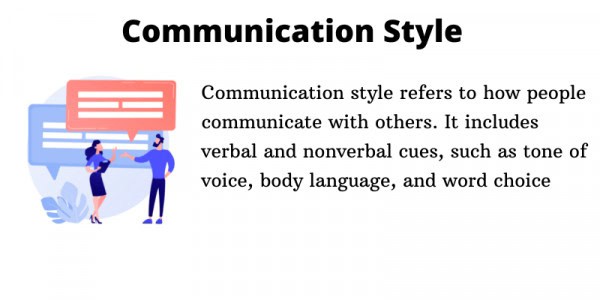
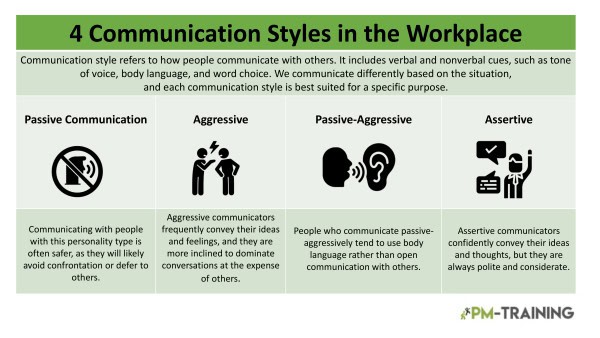
Communication style refers to how people communicate with others. It includes verbal and nonverbal cues, such as tone of voice, body language, and word choice. We communicate differently based on the situation, and each communication style is best suited for a specific purpose. There are four major communication styles:
- Passive
- Aggressive
- Passive-aggressive
- Assertive
Each communication style has distinct strengths and weaknesses. Understanding when and how to apply each approach is essential for communicating effectively with stakeholders and team members across varied situations. By adapting your style to context and audience, you enhance clarity, build trust, reduce conflict, and drive better project outcomes through stronger collaboration.
The 4 Different Communication Styles
1. Passive
Passive communicators usually avoid expressing opinions or emotions, preferring to stay quiet and unnoticed. They rarely assert themselves or advocate for their views, which can make them appear disengaged in conversations. Their reluctance to speak up means valuable perspectives may be missed even when their input could improve decisions.
Since they seldom voice needs or concerns directly, it’s often hard to recognize when passive communicators feel uncomfortable or need help. In conflict, they typically evade confrontation and yield to others, which can allow problems to fester, create misunderstandings, and leave important issues unresolved or ignored by the team.
Some of the characteristics of a passive communicator include:
- Poor posture
- Lack of eye contact
- Soft voice
- Inability to say no
- Apologetic behavior
- Easy-going attitude
- Fidgeting
If you’re a passive communicator, look for chances where it would be easy for you to do so. If being in a group setting makes you anxious, try arranging one-on-one meetings. And if writing is more your thing than talking, send an email instead of meeting face-to-face.
Pros of Passive Communication
- Other people’s communication styles are adaptable to you.
- It’s a great way to avoid conflict.
- People are more inclined to delegate important tasks to others since they perceive you as a less aggressive and assertive verbalizer.
Cons of Passive Communication
- You miss out on chances for growth and development.
- You can’t express how you feel.
- This type of communication makes you look inadequate or inferior.
- If you can’t communicate what’s on your mind, it might lead to anxiety.
Examples of passive communication
- “Go ahead. My contribution is not that important anyway.”
- “I’ll agree with whatever the group decides.”
- “You decide. You have more experience than me.”
Tips on Dealing with a Passive Communicator
- Initiate one-on-one talks since private interactions are generally more comfortable for a shy person than in group settings.
- When asking a question, give the person enough time to come up with an answer.
- Encourage them to share their thoughts by listening attentively and actively.
- Avoid asking “yes” or “no” questions that are answerable with less elaboration. Be patient with lengthy silences. Passive people frequently take their time to form an answer.

2. Aggressive
Aggressive communicators frequently convey their ideas and feelings, and they are more inclined to dominate conversations at the expense of others. They may also act on impulse rather than thinking things through, which can damage relationships and affect productivity in the workplace.
People who tend to communicate aggressively usually don’t make good listeners. Often, they give out orders and forcefully ask tough questions. Although an assertive communication style might be effective in some leadership positions, it often intimidates those who work better with a calmer demeanor.
The following traits may characterize an aggressive communicator:
- Interrupt people when they’re talking
- Harsh speaking voice
- Invades people’s personal spaces
- Overbearing posture
- Aggressive gestures
- Maintains intense eye contact
An aggressive communication style might make it more difficult for you to build meaningful relationships with your colleagues. If you want to change this, try learning positive communication techniques. Reducing stress can positively affect coping mechanisms like regular exercise, mindfulness, or meditation practices.
Pros of Aggressive Communication
- You feel in control and powerful
- You can release tension
- You feel less vulnerable
- Things usually go your way
Cons of Aggressive Communication
- Others may be irritated with you.
- You sometimes feel guilty
- You will have less stable and healthier relationships
- It isn’t easy to relax
Examples of aggressive communication
- “My idea is better than yours.”
- “How can you not know that?”
- “We’ll do it my way, or not at all.”
Tips on Dealing with a Passive Communicator
- Although it may be difficult, try not to let the other person’s aggressive demeanor scare you. Keep the conversation centered on taking action towards resolving the conflict.
- Keep things strictly professional. Take the discussion off topics such as personal problems or emotions.
- Understand when it is time to walk away from a situation. If the aggressive communicator becomes too demanding or you feel you are no longer making progress, end the conversation politely.

3. Passive-Aggressive
Passive-aggressive people may appear passive on the surface, but their actions are typically more aggressive. Their words may appear to agree, yet their actions do not always match. People who communicate passive-aggressively tend to use body language rather than open communication with others. It can manifest as giving someone the silent treatment, spreading rumors, or sabotaging others.
Passive-aggressive communication is characterized by subtle and indirect expressions of resistance and anger. It will seem like you can’t object directly to what you’re angry about, so you’ll try alternative methods to retaliate.
People who communicate passive-aggressively may demonstrate the following characteristics:
- Muttering
- Sarcasm
- Denial
- Giving a happy face even if feeling irritated
- Giving the silent treatment
If you’re a passive-aggressive communicator, look for chances to communicate your ideas and needs openly if you have. To ensure you are heard and taking active measures to address a problem, find a way to pursue transparent and honest lines of communication.
Pros of Passive-Aggressive Communication
- It saves you from confrontation.
- You find ways and channels to express your emotions, feelings, and thoughts.
- It gives you time to think and decide what you want to say.
Cons of Passive-Aggressive Communication
- It alienates you from the people around you.
- You don’t address the real issue
- You remain in a powerless situation
- It can cause distrust in the workplace.
Examples of passive-aggressive communication
- “Sure, whatever.”
- “I really don’t mind, but someone else might.”
- “You can do what you want, but I’m unsure if it will work.”
Tips on Dealing with a Passive-Aggressive Communicator
- Make as direct a request as possible. Avoid providing opportunities for misunderstanding.
- Instead of passively ignoring bad behavior, take the initiative to speak with the person exhibiting such behavior. Tell your superior if this chat does not lead to any transformation.
- In one-on-one interactions, directly ask for feedback to create an environment where people feel comfortable being honest.

4. Assertive
In a work setting, the assertive style of communication is usually the most polite and productive way to communicate. You are more likely to be clear and decisive about expressing your feelings and opinions in this mode of communication. There is always a tone of respect and regard for everyone who is addressed throughout the conversation. It is firm but not authoritarian.
Assertive communicators confidently convey their ideas and thoughts, but they are always polite and considerate. They’re eager to accept tasks, but they also know how to say “no” when it’s required. Assertive speakers seek to achieve both success and equality in a situation, balancing one’s rights with those of others.
These are some of the traits displayed by persons who communicate assertively:
- Expansive gestures
- Collaborative
- Healthy expression of ideas and feelings
- Having good posture
- Using a clear voice
- Friendly eye contact
When you’re with an assertive communicator, you’ll see how they can make others feel welcome. You seek them out because you know they can quickly start a fruitful discussion.

Pros of Assertive Communication
- You will have a connection with everyone.
- People find you approachable.
- It creates a respectful and honest work environment.
- You can discuss all issues.
- It lessens stress.
Cons of Assertive Communication
- Though some people may still feel offended, that says more about them than it does the situation.
- It takes time and practice to learn how to communicate assertively.
Examples of Assertive Communication
- “What are our options? We can discuss.”
- “Thank you for your suggestion. I’ll consider that.”
- “That’s an excellent idea, but we can still improve it by….”
Tips on Dealing with an Assertive Communicator
- Listen actively and respectfully
- Encourage others to speak out and share their ideas
- Be open to feedback and see opportunities for improvement
- Take constructive criticism without
In a workplace, you deal with people with different communication styles. The key is finding a way to adjust your communication style according to the person you’re talking to so you can communicate effectively. Understanding each other’s communication styles can help reduce conflict, build trust, and foster a more positive work environment.
Conclusion
Understanding the four communication styles—passive, aggressive, passive-aggressive, and assertive—helps project managers build stronger, more collaborative teams. Recognizing each style’s strengths and pitfalls enables tailored responses that reduce conflict and improve clarity. Prioritize developing assertive communication skills while encouraging flexibility; this balance fosters trust, ensures diverse voices are heard, and supports better decision-making and project outcomes.
FAQs
What is the most effective communication style at work?
Assertive communication is generally the most effective. It balances clarity, respect, and honesty, allowing individuals to express needs and boundaries without hostility. This approach builds trust, reduces misunderstandings, and fosters collaborative problem-solving across teams while supporting professional relationships.
How can I identify a passive communicator?
Passive communicators often avoid eye contact, speak softly, and hesitate to share opinions. They may frequently agree to others’ requests, apologize often, and avoid conflict. Look for indirect cues or reluctance to volunteer ideas; encourage one-on-one conversations to draw out their perspectives.
How should I respond to aggressive communication?
Stay calm, set boundaries, and keep interactions task-focused. Use neutral language, assertively state your perspective, and avoid mirroring aggression. If necessary, pause the conversation and revisit it later. Escalate to a manager when behavior becomes abusive or disrupts team productivity.
What strategies work with passive-aggressive colleagues?
Address behaviors directly but respectfully; ask specific questions about observed actions and their intentions. Encourage open dialogue and provide opportunities for anonymous feedback if safety is a concern. Set clear expectations and document outcomes to reduce ambiguity and recurring issues.
How can I become more assertive?
Practice clear, concise statements of needs and limits using “I” language. Maintain steady eye contact, a calm tone, and an open posture. Role-play challenging conversations, seek feedback, and start with low-stakes situations to build confidence before tackling more difficult interactions.
Suggested articles:
- 6 Leadership Communication Style with Examples
- 15 Mistakes to Avoid with Stakeholders Communication Plan
- 6 Examples of Osmotic Communication in Agile Projects

Shane Drumm, holding certifications in PMP®, PMI-ACP®, CSM, and LPM, is the author behind numerous articles featured here. Hailing from County Cork, Ireland, his expertise lies in implementing Agile methodologies with geographically dispersed teams for software development projects. In his leisure, he dedicates time to web development and Ironman triathlon training. Find out more about Shane on shanedrumm.com and please reach out and connect with Shane on LinkedIn.