
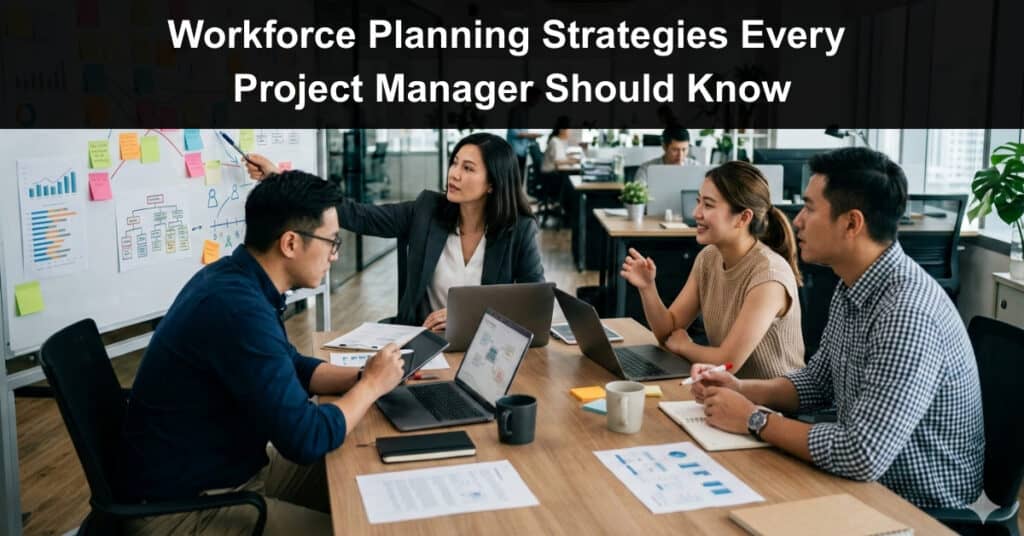
Project management is often described as the art of balancing time, scope, and budget. But seasoned professionals know that the most volatile and valuable variable in that equation is people. Honestly, workforce planning isn’t just a human resources function. It’s a core competency for any project manager who wants to deliver results without burning out their team. When you align your human capital with your project goals, you’re creating a sustainable environment where excellence becomes the standard rather than a happy accident.
But how often do we actually step back and look at the humans behind the Gantt charts? You know, the ones drinking lukewarm coffee while staring at a deadline.
Understanding the Foundation of Workforce Planning
At its simplest level, workforce planning is about having the right people with the right skills in the right roles at the right time. For a project manager, this starts with a deep dive into the project requirements. You can’t plan for people if you don’t fully grasp the technical and soft skills required to cross the finish line. This involves looking beyond the immediate tasks and considering the long-term trajectory of the project.
Strategic workforce planning requires a shift from reactive hiring to proactive talent management. Instead of waiting for a gap to appear, you should be identifying potential shortages months in advance. It takes foresight. And maybe a bit of intuition. This foresight allows for better recruitment, internal training, and resource allocation. And it also ensures that when a critical phase of the project arrives, you’re not scrambling to fill a seat with anyone available. I’ve been there, and that kind of panic is never a good look for a leader.
The Power of Skill Gap Analysis
One of the most effective strategies is conducting a thorough skill gap analysis. This is the process of comparing the skills your team currently possesses against the skills required to complete the project successfully. By mapping these out, you get a clear picture of where your team excels and where they might struggle. Once the gaps are identified, you have two primary paths. You can either bring in external talent or invest in upskilling your current team members.
So, which one serves your culture better in the long run? Upskilling is often the more sustainable choice, as it boosts morale and retains institutional knowledge. When employees see that you’re invested in their professional growth, they’re more likely to stay committed to the project and the organization. And that’s the point. People want to feel like they are growing, not just producing.
Building a Flexible Workforce
The modern project environment is characterized by change. Requirements shift, budgets are adjusted, and unexpected challenges arise. To navigate this, project managers should look into building a flexible workforce. This doesn’t mean everyone is a contractor, but rather that your team structure allows for agility.
- A mix of full-time employees, part-time specialists, and reliable freelancers can provide the elasticity needed to scale up or down.
- For specialized physical projects, you may need to hire skilled trades to ensure the technical execution meets safety and quality standards.
Cross-training is another vital component of flexibility. When team members understand the basics of their colleagues’ roles, they can step in during emergencies or high-pressure periods. It prevents the single point of failure. This reduces bottlenecks and ensures that the project doesn’t come to a halt just because one person is out of the office. It’s about that quiet peace of mind when the phone doesn’t ring at 2 AM.
Resource Leveling and Smoothing
In the world of project management, workload distribution is rarely even. There are peaks of intense activity and valleys of downtime. Resource leveling is a technique used to address these imbalances by adjusting the project schedule. If a particular team member is overallocated, you might push back a start date or extend a deadline to ensure they’re not overwhelmed. Resource smoothing, on the other hand, is used when the project deadline is fixed.
In this scenario, you attempt to even out the workload without changing the completion date. This might involve moving non-critical tasks to periods of lower activity. Both strategies are essential for maintaining team health. A team that’s constantly operating at 110 percent capacity will eventually fail, either through errors or turnover. Are we pushing for a deadline at the cost of the people who make the deadline possible? I guess it comes down to whether we want a sprint or a marathon.
Data Driven Decision Making
While workforce planning has a strong human element, it should be supported by data. Utilizing project management tools to track time, productivity, and resource utilization provides objective insights. Data can reveal patterns that aren’t obvious to the naked eye, such as a specific phase of production that consistently takes longer than estimated.
By analyzing historical data, you can make more accurate predictions for future projects. You’ll know exactly how many hours of senior-level engineering are needed for a specific deliverable or how much administrative support is required to keep the project on track. This moves your planning from guesswork to a science, giving you more credibility with stakeholders and more confidence in your lead times. Maybe it’s not perfect, but it beats a blind guess.
Fostering a Culture of Communication
No amount of strategic planning can replace open communication. Project managers must maintain a constant dialogue with their team members about their capacity and their career goals. People aren’t just resources on a spreadsheet. They have personal lives, fluctuating energy levels, and professional aspirations.
Regular check-ins allow you to catch signs of burnout before they become a crisis. It also gives you a chance to hear from the people on the front lines about what tools or processes might be slowing them down. A collaborative approach to workforce planning makes the team feel seen and valued, which is the ultimate driver of project success. Honestly, sometimes just listening is the most productive thing you can do all day.
Success Beyond the Deadline
Ultimately, workforce planning is about more than just hitting a milestone. It’s about building a functional, resilient team that can take on the next challenge even more effectively than the last one. By implementing these strategies, you’re not just managing a project. You’re managing the future of your organization.
When you prioritize your people, the project naturally follows a more successful path. It requires patience and a willingness to look at the big picture, but the payoff is a more efficient, more engaged, and more successful workforce. Are you ready to start planning for the people instead of just the tasks?
Suggested articles:
- Are Monetary Incentives Enough To Motivate A Workforce?
- How to Manage Workforce Logistics in Remote Project Environments
- How to Manage Your Workforce with Employee Wellness Software

Daniel Raymond, a project manager with over 20 years of experience, is the former CEO of a successful software company called Websystems. With a strong background in managing complex projects, he applied his expertise to develop AceProject.com and Bridge24.com, innovative project management tools designed to streamline processes and improve productivity. Throughout his career, Daniel has consistently demonstrated a commitment to excellence and a passion for empowering teams to achieve their goals.