
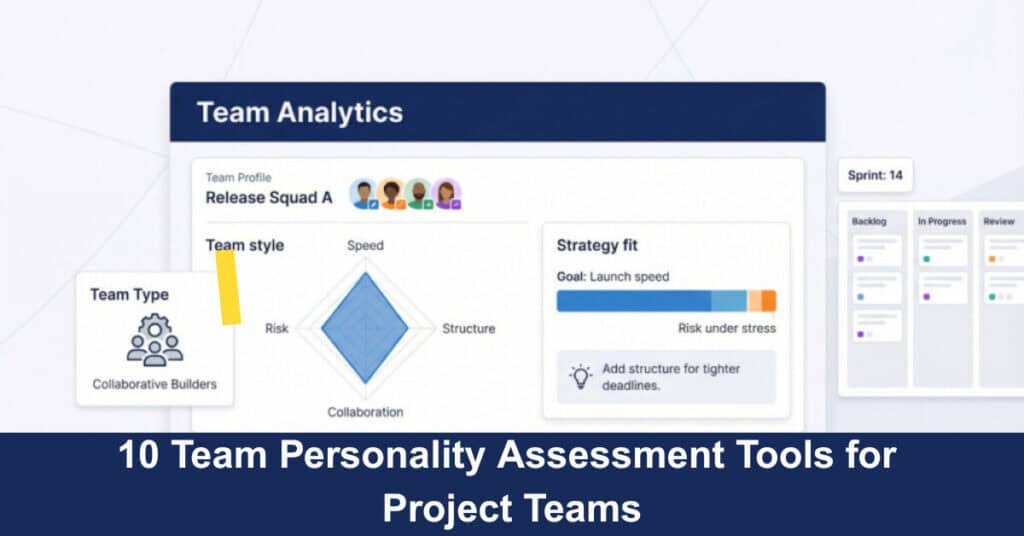
Personality data gives your project team an instant translation layer. According to Gallup, 71 percent of U.S. employees now prefer a hybrid or fully remote schedule, so clear, speedy communication isn’t a luxury. When teammates understand how each colleague decides, shares ideas, and pushes toward deadlines, sprints move faster and morale climbs. Yet assessments range from free ten-minute quizzes to enterprise platforms that cost thousands, so picking blindly can burn both budget and goodwill. This guide groups 10 leading tools by the problem they solve, helping you choose with confidence.
2025 Trends Making Team-Level Assessments Essential
- Hybrid is the New Default: Among remote-capable U.S. employees, 52 percent work in a hybrid pattern and another 29 percent are fully remote, according to Gallup’s 2023 workplace pulse. When most collaboration happens through screens, misunderstanding a teammate’s style can stall a sprint faster than a missed API call.
- Teams, Not Individuals, are the Unit of Analysis: Newer platforms such as TeamDynamics and the Predictive Index’s Team Discovery start with a group profile and highlight gaps—for example, too much ideation and not enough structure—so managers can adjust roles before rework piles up.
- Speed is Now Table Stakes: Adaptive questionnaires and AI-generated tips cut completion times to under ten minutes: PI’s behavioral check takes about six, while TeamDynamics averages five. Dashboards refresh in real time, letting leaders compare today’s release squad with last quarter’s in seconds.
- The C-Suite Wants Evidence: A ten-year dataset of 3,698 people in 593 teams showed that aligning personality mix with task uncertainty boosted group performance. With budgets under a microscope, only tools that connect scores to quality, delivery speed, or retention clear procurement.
Taken together, these forces turn personality assessments from off-site icebreakers into a core operating system for high-velocity teams. Managing data isn’t optional anymore—it’s the baseline your competitors already use.
Find Your Fit Fast
Choosing a personality assessment is easier when you first identify the blocker slowing your project. We group the five most common blockers into lanes and match each lane with tools that clear it, much like a quick decision tree you can tape next to your kanban board.
Start With One Question
Do we just need a quick icebreaker for a brand-new team?
- Yes → Fast Icebreakers. Free or near-free quizzes that build rapport in minutes.
- No → Ask the next question.
Is day-to-day communication the headache?
- Yes → Communication & Workflow Tools. These translate style clashes into practical meeting fixes.
- No → Check for a strengths gap.
Are tasks stalling because no one knows who excels where?
- Yes → Strengths Lane. Assessments that map innate talents to workload.
- No → Look at strategy alignment.
Does the team’s style clash with its business objective?
- Yes → Team-Centric Analytics. Dashboards that compare collective behavior to goals.
- No → Consider the stakes.
Are budgets or reputations on the line?
- Yes → High-Stakes Diagnostics. Research-grade tools that predict derailers under stress.
This roadmap lets you jump straight to the segment that matches your situation; the pages that follow unpack each lane in detail.
Segment 1: Team-Centric Analytics and Modern Dashboards
Icebreakers and style tools help individuals. These platforms treat the team as the unit of analysis and connect behavior data to business goals.
TeamDynamics – Built for Teams and Individuals
Snapshot
TeamDynamics uses a short, research-backed assessment (completed in just a few minutes per person) to evaluate how a team communicates, processes information, makes decisions, and gets work done. It places the team into one of 16 TeamDynamics types, each based on these four behavioral dimensions. Every team member also receives an individual CoDynamics profile showing how their preferences align with or differ from the team’s overall style.
Why It Works
The platform generates a dynamic, shareable report highlighting areas of team strength and friction, providing managers with tactical guidance for structuring communication, collaboration, and leadership. The goal is to give teams a clear, work-relevant language to discuss working styles and make invisible dynamics visible and actionable.
Cost
- Pro Plan (2–20 users): $39 per person, one-time fee
- Self-serve, no IT setup or integrations required
Use TeamDynamics When
You need a fast, self-serve way to generate team-level insights and spark conversations about collaboration and working styles—without needing a facilitator or lengthy setup.
Predictive Index (PI) – People Analytics Aligned to Strategy
Snapshot
Predictive Index is a six-minute adjective checklist that scores Dominance, Extraversion, Patience, and Formality, then maps the collective style to a declared business objective.
Why It Works
Leaders can see where style clashes with strategy and get prescriptive fixes, such as adding a fast-paced contributor or tightening decision rights. PI is backed by 65 years of research and more than 350 validation studies.
Cost
Public pricing for the Talent Optimization Essentials bundle—which includes unlimited Behavioral Assessments and Team Discovery—starts at US $7,550 per year for small licenses.
Watch-Outs
Value scales with usage; without an internal advocate, data may sit unused. Smaller teams may find the annual license heavy and opt for a lighter tool.
Use PI When
You need to confirm that your team’s natural style matches its mission and you have the scale or budget to keep the platform active year-round.
Segment 2: Fast, Low-Lift Icebreakers
New project, fresh faces, tight timeline. When rapport is all you need before Friday’s sprint review, speed beats sophistication. The two tools below finish in minutes, cost little, and give everyone a shared language before tension can grow.
16Personalities – Free, 10-Minute Starter
What It Is
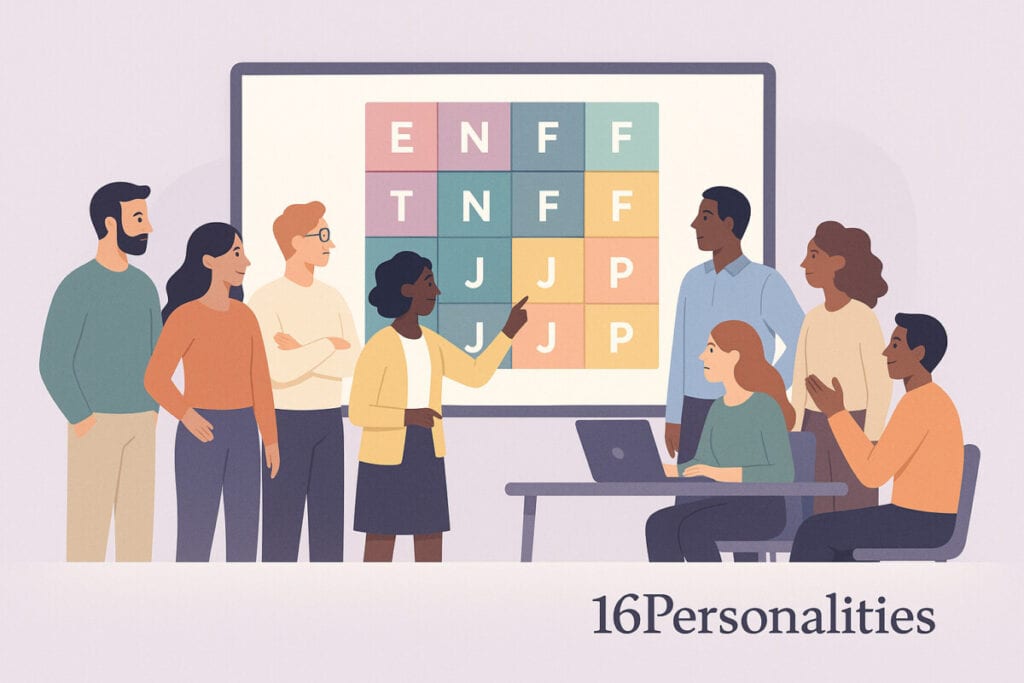
16Personalities is a web-based Myers-Briggs variant that delivers a four-letter type and a narrative profile. Average test time: about 10 minutes.
Why Use It
The Workplace section highlights communication style, likely blind spots, and preferred feedback, giving you day-one empathy.
Cost
$0 for the basic test; premium PDFs are optional.
Watch-Outs
Results rely on honest answers, and the tool isn’t validated for performance prediction. Treat it as a springboard, then upgrade if you need analytics.
MBTIonline Teams – Familiar Letters, Instant Grid
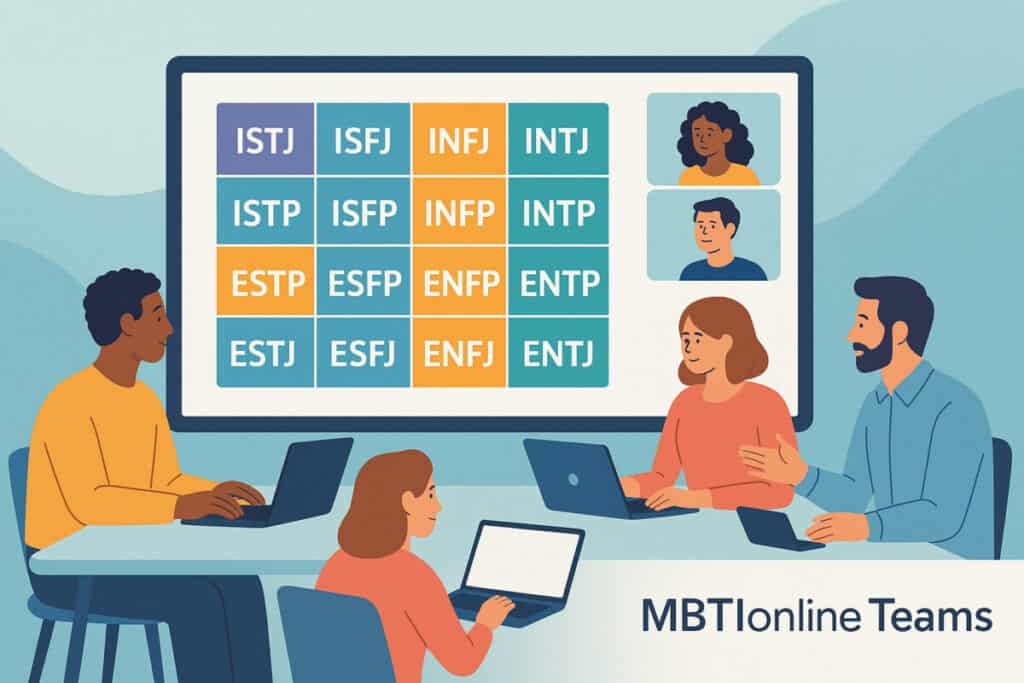
What It Is
The official Myers-Briggs assessment delivered through MBTIonline. The team portal plots every member on a 16-type matrix. Completion time averages about 30 minutes (144 items).
Why Use It
Many professionals already know—or are curious about—their type, so adoption is smooth. The group grid sparks quick insights and offers pairing tips for a first team charter.
Cost
$99 per participant for the official report.
Watch-Outs
MBTI is descriptive, not predictive; scores can drift over time. Use it for empathy, then shift to a data-driven tool if you need to link style to deadlines or churn.
Segment 3: Communication and Everyday Workflow
Icebreakers build rapport, but these tools fix the daily misfires that drain velocity.
EverythingDiSC – Four Letters That Clear Up Mixed Messages
Snapshot
An adaptive questionnaire that takes about 20 minutes and maps each person onto Dominance, Influence, Steadiness, or Conscientiousness.
Why It Works
Catalyst lets colleagues compare profiles and serves real-time tips, such as “Give data up front to a high C.” Wiley reports a 90 percent accuracy rating across global users.
Cost
US $72–$90 per profile, depending on volume.
Limits
DiSC is descriptive, not predictive. It will not flag derailers or forecast KPIs, so pair it with a research-grade tool if you need hard analytics.
Use DiSC When
Email tone and meeting pace create hidden taxes on your velocity, and you need concrete fixes before tomorrow’s stand-up.
Insights Discovery – Colour-Coded Clarity for Hybrid Teams
Snapshot
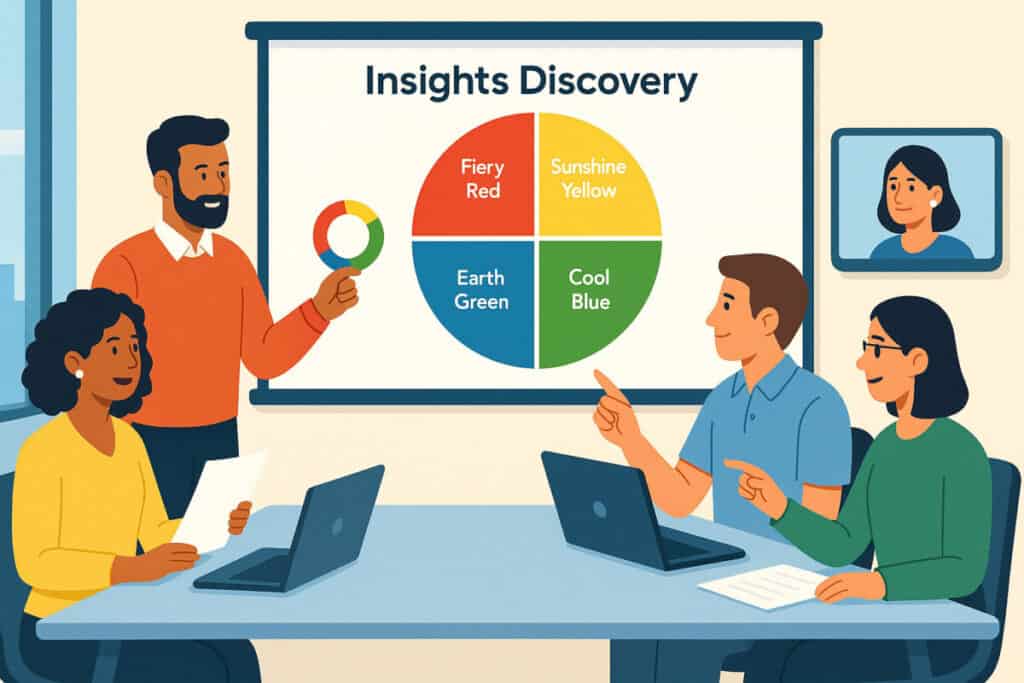
A 25-question evaluator produces a 20-page report blending Fiery Red, Sunshine Yellow, Earth Green, and Cool Blue energies.
Why It Works
The team wheel makes communication gaps obvious. If the group lacks Fiery Red, appoint a timekeeper before meetings drift.
Cost
US $148–$200 per foundation profile, depending on chapters and volume.
Limits
Insights Discovery is descriptive, not predictive, so it will not flag derailers or link color mix to delivery speed.
Reach for Insights Discovery When
A distributed team needs a memorable, visual shorthand that sticks long after laptops close.
Segment 4: Strengths and Positive Psychology
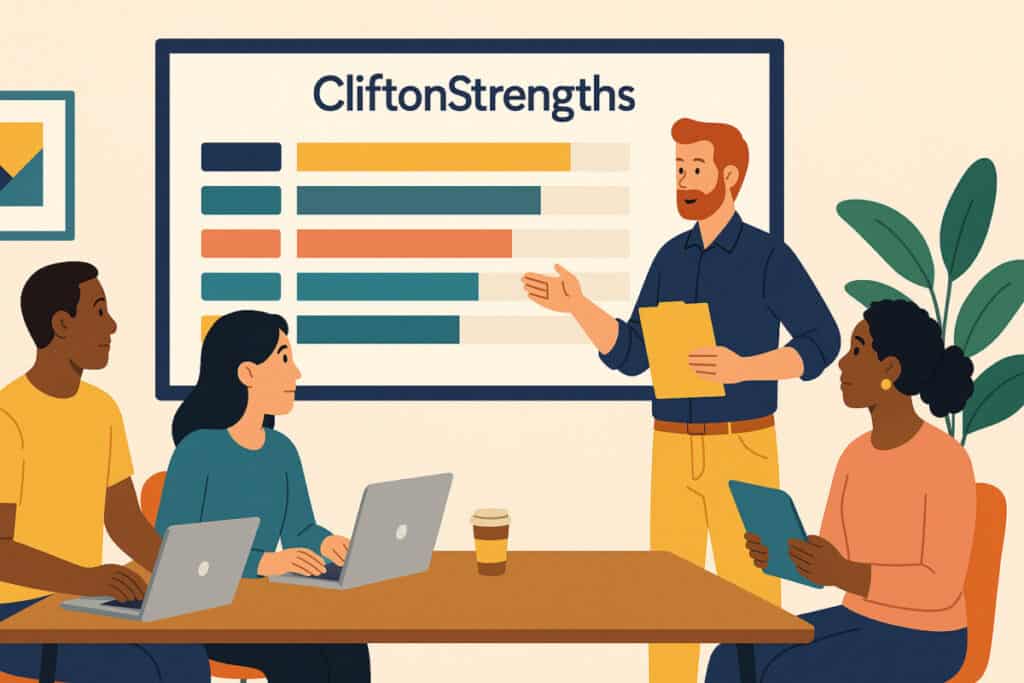
Deadlines shrink when people spend more time in their zone of genius. CliftonStrengths pinpoints that zone by ranking 34 talent themes; most teams focus on each member’s top five.
CliftonStrengths – Turn Talent Into Task Allocation
Snapshot
CliftonStrengths is a timed 177-pair online quiz that takes about 30 minutes and returns a ranked “talent DNA.”
Why It Works
Teams that receive strengths feedback post 12.5-percent higher productivity and 8.9-percent higher profitability, according to a multi-industry Gallup meta-analysis. Knowing everyone’s top themes lets managers match work to energy: the Achiever owns sprint burndown, while the Empathy lead runs user interviews.
Cost
- Top Five Report: US $24.99
- All 34 Themes: US $59.99
Includes videos and discussion guides—no facilitator required.
Watch-Outs
While strengths-based language emphasizes positive attributes, it may inadvertently obscure capability gaps within the team. To address this limitation, display the team strengths grid alongside your project backlog and systematically evaluate: “Which thematic strengths are absent for this particular user story or initiative?” Implement structured checklists and establish peer review protocols to identify and mitigate these blind spots proactively.
Conclusion
Effective teams aren’t the result of luck; they’re the product of clarity, shared language, and data that turns collaboration into a repeatable system. In a world where hybrid and remote work dominate, personality assessments have shifted from off-site icebreakers to essential tools for reducing friction, speeding delivery, and aligning how people work with what the business needs.
The best tool depends on the blocker in front of you. Quick quizzes build rapport for new teams under tight timelines. Communication and workflow tools fix the style clashes that slow daily execution. Strengths-based platforms help leaders match work to natural talent. High-stakes diagnostics provide research-grade insight when budgets or reputations are on the line.
No matter where you start, the goal is the same: create a shared operating system for how your team thinks, communicates, and executes. When those dynamics are visible and aligned with your objectives, velocity increases, misunderstandings shrink, and collaboration becomes a strategic advantage.
Suggested articles:
- How to Build and Manage High-Performing Project Teams
- What Are Essential Tools for Future-Proofing Project Management?
- Tips for Choosing Team Members to Ensure Project Success

Daniel Raymond, a project manager with over 20 years of experience, is the former CEO of a successful software company called Websystems. With a strong background in managing complex projects, he applied his expertise to develop AceProject.com and Bridge24.com, innovative project management tools designed to streamline processes and improve productivity. Throughout his career, Daniel has consistently demonstrated a commitment to excellence and a passion for empowering teams to achieve their goals.