

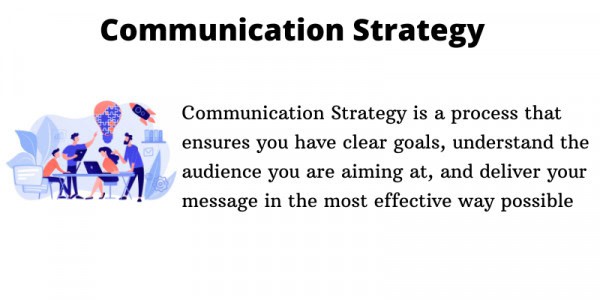
A communication strategy is a structured plan or methodology for managing project communication, often encompassing key elements of marketing and public relations. It is a comprehensive process designed to establish clear objectives, identify and understand your target audience, and deliver your message through the most effective means available. At its core, a communication strategy focuses on cultivating a consistent and credible brand image, both internally, through engagement with colleagues and employees, and externally, through interactions with customers, clients, stakeholders, and other relevant groups.
It’s simply a planning framework that governs how information is disseminated across various channels to drive goal achievement in the marketing of a product or service. With the rapid evolution of social media and the growing communication options, including voicemails, emails, text messages, and platforms such as WhatsApp, a deliberate and well-structured communication approach is essential. Your strategy must be both purposeful and tactical, leveraging methods such as targeted email campaigns, strategic social media engagement, or broad-reach direct mail initiatives to maximize impact.
Importance of Communication Strategy
An effective communication strategy is one of the most valuable assets a business can have. It shapes how your organization shares information, aligns teams, and engages with the outside world. Without a clear framework in place, even well-resourced companies struggle to maintain consistency, productivity, and trust across all levels of their operations.
Helps With Your Business Plan
A strong communication strategy sharpens your marketing, branding, and PR efforts by defining who your audience is, what messages resonate with them, and which channels deliver the best results. It removes guesswork from decision-making and ensures every campaign or initiative is guided by a clear, purposeful direction.
Improves the Overall Productivity of the Workforce
When employees share a consistent set of goals and expectations, projects move faster and with fewer interruptions. A well-defined strategy eliminates the confusion and miscommunication that commonly derail workflows, keeping teams aligned on priorities and enabling them to collaborate more effectively from the start.
Provides Focus and Efficiency
Rapidly growing businesses especially benefit from a structured communication approach. A clear strategy helps identify the right stakeholders, ensures messaging reaches the appropriate people at the right time, and keeps cross-functional efforts synchronized during critical phases of growth or market expansion.
Improves the Satisfaction of Employees
Employees who feel informed and included are more engaged and motivated. A solid communication strategy ensures that key updates, decisions, and company news reach every team member consistently, reducing uncertainty and preventing valuable contributors from feeling overlooked or disconnected from the organization’s broader mission.
Helps To Create a Stable Environment
Developing and regularly reviewing a communication strategy gives businesses deeper insight into how their teams operate and interact. It creates an opportunity to assess existing workflows, identify communication gaps, and build improved practices rooted in what actually works—resulting in a more stable and cohesive workplace culture.
Helps With Feedback and Suggestions
A thoughtful strategy creates structured channels for receiving input from both internal teams and external stakeholders. By making feedback a built-in part of the communication process, businesses can respond to concerns faster, adapt to changing needs, and continuously refine how they engage with the people who matter most.
Types of Communication Techniques
Understanding the different types of communication techniques is essential for building a strategy that truly connects with your audience. Each method serves a distinct purpose, and the most effective organizations know how to combine them strategically. From spoken words to active listening, mastering each type strengthens every interaction your business has.
Verbal Communication
Verbal communication focuses on the words you choose and how you deliver them to your audience. It is particularly powerful for reaching groups that are difficult to engage through other means. When done well, it can even lead to osmotic communication, where information spreads naturally through conversation without deliberate effort.
Non-Verbal Communication
Non-verbal cues often carry as much weight as the words themselves. Body language, facial expressions, and vocal tone all send signals that either reinforce or undermine your intended message. Being mindful of these elements ensures your communication feels authentic, builds trust, and avoids unintentional mixed signals with your audience.
Visual Communication Strategies
Visual communication is one of the most instinctive and widely used forms in both personal and professional settings. Elements like email graphics, business cards, and logos convey your brand’s identity instantly. Strong visuals capture attention quickly and leave a lasting impression, making them a critical component of any modern communication strategy.
Written Communication
Written communication encompasses press releases, company brochures, and advertisements—tools typically used to influence a broad audience at scale. Precision is key; unclear or wordy written content dilutes your message and reduces its impact. A concise, well-crafted written strategy ensures your intended meaning is conveyed accurately and professionally every time.
Listening
Many communication strategies fall short simply because they overlook the importance of listening. Genuine listening allows businesses to understand what their audience actually needs, wants, and feels. With these insights, companies can tailor their messaging to be far more relevant and impactful, turning one-way broadcasts into meaningful, trust-building conversations.
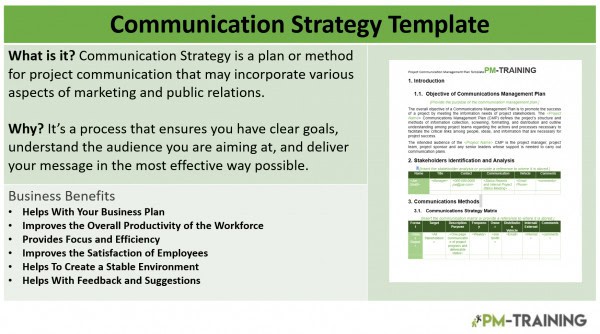
How To Create a Communication Strategy?
A communication strategy sets a clear direction so that every activity, product, and message works in harmony toward a common goal. Without one, efforts become scattered and inconsistent. Follow these practical steps to build a strategy that drives meaningful change and ensures your communications always land with purpose and precision.
Understand the Market
Before crafting any message, you need a solid understanding of the landscape you are operating in. Gather data from market analysis platforms and industry reports to identify trends, audience behaviors, and emerging opportunities. This foundational knowledge ensures your strategy is built on real insights rather than assumptions or guesswork.
Research the Competition
With a clear picture of the market, turn your attention to your competitors. Identify who they are, where they stand, and what their strengths and weaknesses reveal. Understanding how your business fits relative to theirs allows you to position your communication strategy in a way that highlights your unique advantages.
Formulate Your Message
Your core message should be simple, clear, and memorable. A well-crafted message builds credibility and gives your audience a compelling reason to engage with your brand. Avoid overcomplicating it — the more direct and authentic your message is, the more effectively it resonates and drives the action you are looking for.
Choose Your Channel
Selecting the right communication channel is just as critical as the message itself. Different audiences respond to different platforms, so consider a strategic mix that may include social media, television, print, or radio. Matching your channel to your audience’s habits ensures your message reaches the right people at exactly the right moment.
Listen
Listening is often the most underestimated step in the entire process. Actively gathering feedback from employees and clients reveals gaps in your current approach and highlights where adjustments are needed. A strategy that incorporates real voices is far more adaptive, relevant, and effective than one built without genuine input from those it serves.
Communication Strategy Template Google Docs
Communication strategy templates act as blueprints that organizes and prioritizes every step of your communication process. They ensure your messages consistently reach the people who need them most. A well-structured template keeps your efforts focused and efficient. Here is what every strong communication strategy template should include and prioritize.
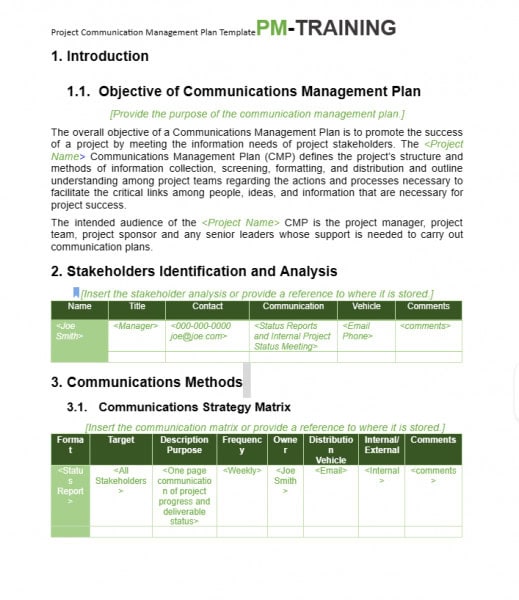
Communication Strategy Template Google Doc
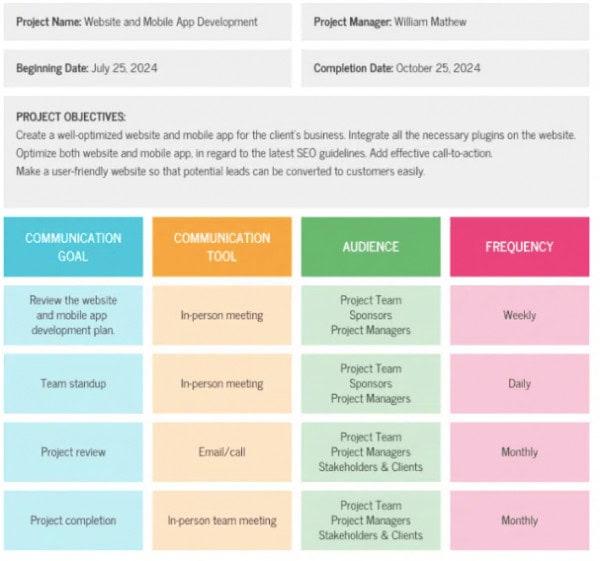
Communication Strategy Template
Audience
Every effective strategy starts with a deep understanding of who you are trying to reach. Identify the customers and employees who stand to benefit most from your messages, and determine the best ways to capture their attention. Knowing your audience shapes every other decision within the template.
Message
Your message must directly align with the needs and expectations of your audience. It should be clear, specific, measurable, and framed positively to encourage engagement. A well-defined message removes ambiguity, builds credibility, and gives your audience a compelling reason to pay attention and take the action you intend.
Channel
Choosing the right channel goes beyond simply reaching a large number of people. The ideal channel also helps reduce operational costs, broadens your overall reach, and improves delivery efficiency. Consider your audience’s habits carefully and select platforms that maximize both accessibility and impact for your specific communication goals.
Frequency
Deciding how often to send messages is a delicate balance. Overwhelming your audience with too much content risks disengagement, while too little can cause your message to be forgotten. Focus on sending fewer, high-quality communications that are genuinely relevant and add real value to the people receiving them.
Timing
Even the strongest message can fall flat if released at the wrong moment. Timing depends on both the channel you are using and the habits of your target audience. Carefully planning when to publish or send ensures maximum visibility, higher engagement rates, and a greater overall impact for each communication you release.
Responsibility
Clarity around ownership is essential for smooth execution. Define clearly who is responsible for creating, approving, and distributing each message. Standardizing access and accountability prevents duplication, reduces errors, and ensures that every communication goes through the right hands before reaching your intended audience in a polished and consistent form.
Feedback Mechanism
No template is complete without a structured way to collect feedback. A reliable feedback mechanism allows you to measure how well your messages are landing and identify where improvements are needed. Using this information to make ongoing adjustments keeps your strategy responsive, relevant, and continuously aligned with the evolving needs of your audience.
Tips and Best practices for Communication
- Keep It Simple : Ensure your message is clear, concise, and easy to understand. If incorporating visual elements, make certain they are relevant, purposeful, and grounded in principles of human psychology to maximize their effectiveness.
- Stick to the Facts : Every message you communicate must be firmly rooted in verified, accurate information. Avoid including personal opinions or any content that could be perceived as misleading, offensive, or potentially harmful to your audience.
- Be Positive : Frame your messaging in a way that is uplifting and appealing, drawing people toward your brand rather than alienating them. Emphasize your company’s strengths, highlight the value of your products or services, and consistently present your organization in the most favorable and authentic light possible.
- Create a Sense of Urgency : Communications that convey a clear timeline or limited availability tend to drive stronger engagement and prompt faster decision-making. Encourage your audience to act by presenting offers with defined deadlines or exclusive opportunities.
- Respect Your Audience : Treat your audience with the highest level of integrity and professionalism. Avoid manipulative tactics or misleading messaging; instead, build trust through transparency, honesty, and genuine respect for the people you are communicating with.
Conclusion
Effective communication strategy is not optional—it’s foundational. By defining clear objectives, understanding your audience, and choosing the right channels, organizations create consistent, trustworthy messaging that drives engagement and performance. Regularly gathering feedback and refining your approach keeps communications relevant and responsive, while assigning clear ownership ensures messages are delivered accurately and on time.
A well-crafted template saves time, reduces errors, and aligns teams around shared goals, boosting productivity and employee satisfaction. Ultimately, the goal is to make every interaction purposeful: informative, timely, and respectful. Invest the effort to build and maintain your communication strategy, and you’ll foster stronger relationships, clearer decision-making, and measurable business results that endure as your organization grows.
Frequently Asked Questions
What is the main purpose of a communication strategy?
A communication strategy provides a structured framework for delivering consistent, targeted messages across the right channels. It aligns your team around shared goals, eliminates guesswork, and ensures every interaction — whether internal or external — contributes meaningfully to your broader business objectives and brand reputation.
How often should a communication strategy be reviewed?
Your strategy should be reviewed at least once or twice a year, or whenever significant business changes occur. Regular reviews help identify communication gaps, incorporate new channels, and ensure your messaging remains aligned with evolving audience expectations, market conditions, and overall organizational priorities.
What is the difference between a communication strategy and a communication plan?
A communication strategy defines the overarching goals, audience, and messaging direction, while a communication plan outlines the specific tactics, timelines, and responsibilities needed to execute it. Think of the strategy as the “why” and the plan as the detailed “how.”
Which communication channel is the most effective for businesses?
There is no single best channel — effectiveness depends on your audience, industry, and message type. A strategic mix of social media, email, and print typically yields the strongest results. The key is matching each channel to where your target audience is most active and receptive.
How does listening improve a communication strategy?
Listening transforms one-way messaging into genuine dialogue. By actively collecting feedback from employees, clients, and stakeholders, businesses gain valuable insights that reveal what is working and what needs adjustment, making the overall strategy more responsive, relevant, and effective over time.
Suggested articles:
- Communicating in Project Management: The Interactive Model of Communication
- Understanding the 4 Types of Communication Styles in the Workplace
- A Practical Look at Omnichannel Communication in Real Businesses

Shane Drumm, holding certifications in PMP®, PMI-ACP®, CSM, and LPM, is the author behind numerous articles featured here. Hailing from County Cork, Ireland, his expertise lies in implementing Agile methodologies with geographically dispersed teams for software development projects. In his leisure, he dedicates time to web development and Ironman triathlon training. Find out more about Shane on shanedrumm.com and please reach out and connect with Shane on LinkedIn.