
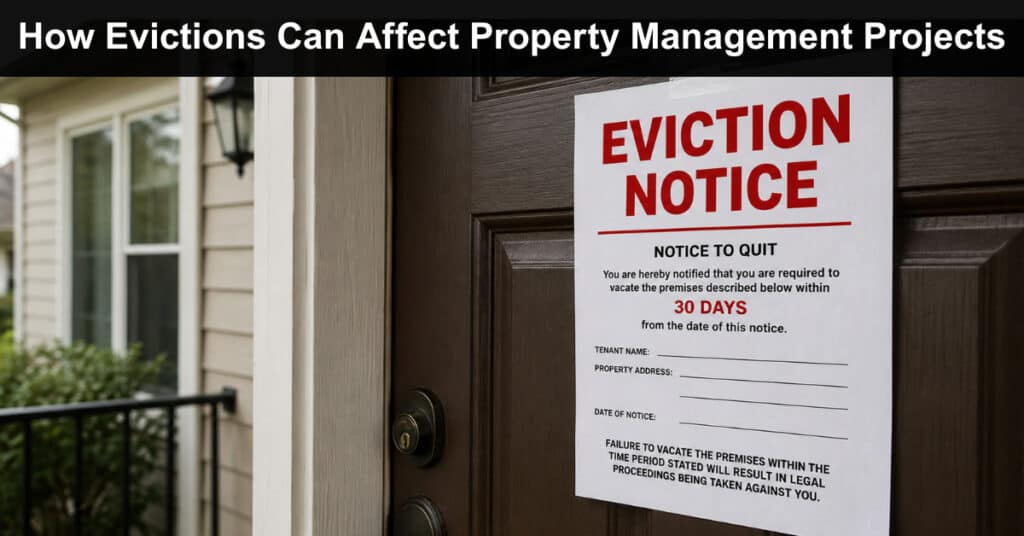
Property management projects depend on consistent planning, steady cash flow, and uninterrupted access to the space being maintained or improved. When an eviction becomes necessary, all three of those foundations can shift at once. The process consumes time, money, and attention that would otherwise go toward keeping the property in good shape and moving renovation timelines forward.
Using a well-structured eviction notice sample can streamline proceedings and give you the legal backing needed to act with confidence. This article looks at when eviction is the right call, what risks it introduces for active projects, and how to navigate the process without derailing your property goals.
When to Evict a Tenant
Ending a renter’s contract is never easy, and it should only be done as a last resort. Always try to talk things out and reach an agreement that works for both sides. Finding a replacement tenant takes time and money, but retaining someone who is actively damaging your property or your finances will cost you more in the long run. If a tenant directly violates the lease, such as by damaging the home or engaging in prohibited activity on the premises, you have legitimate grounds to proceed with an eviction.
However, if the issue is financial, such as a tenant struggling to pay rent, eviction should not be your first move. A payment plan or short-term arrangement can resolve the problem while preserving the tenancy and avoiding a costly vacancy. When behavior is the issue rather than finances, a notice to quit can be an effective first step. This document sets out your concerns clearly and gives the tenant a defined window to correct the problem before you escalate further.
If you need the property vacant for a conversion or major renovation, giving tenants generous advance notice shows good faith and reduces the likelihood of a legal dispute. Once the property is empty, it’s a smart moment to check its condition; a damp survey Wirral landlords book from Weather Wise catches moisture and timber issues in the walls before any renovation or re-letting.
Here are the most common situations that justify moving toward formal eviction proceedings:
- Lease Violations: Tenants who repeatedly breach specific lease terms, such as unauthorized subletting, keeping prohibited pets, or running a business from the unit, give landlords clear legal grounds to proceed. Document each violation with dates and written warnings before filing.
- Non-Payment of Rent: Persistent non-payment, especially after a grace period has passed and informal discussions have failed, is among the most straightforward grounds for eviction in most jurisdictions. Keep detailed payment records, including all partial payments received.
- Property Damage: Damage that goes beyond normal wear and tear, particularly when it interferes with ongoing maintenance or renovation work, justifies formal action. Photograph and document all damage with timestamps as soon as it is discovered.
- Illegal Activity: Any confirmed illegal activity on the premises creates safety risks for neighboring tenants and exposes the property owner to liability. Most lease agreements and local housing laws allow for expedited proceedings in these circumstances.
- Owner Move-In or Conversion: If you plan to occupy the unit yourself, sell, or convert the property to another use, you may be entitled to terminate the tenancy with proper notice. The required notice period varies significantly by state and local ordinance.
The Problems an Eviction Can Cause
A rushed or poorly handled eviction can introduce serious complications for any property management project already in motion. This is why it is essential to think through the process carefully before beginning. The risks below apply whether you are managing a single rental unit or a larger residential portfolio. The knock-on effects of an eviction touch more than just the legal side of things.
Financial, operational, and reputational consequences can compound quickly if the process is not managed well from the start. The following risks are worth weighing carefully before you commit to the eviction process:
- Financial Losses: Without rental income coming in, your ability to finance your projects, like funding maintenance and renovation work, takes a direct hit. If an unexpected repair arises during the vacancy, you may find yourself choosing between fixing a structural problem and completing a planned upgrade.
- Project Delays: Managing the eviction process draws time and attention away from active projects. Renovation schedules can slip while you deal with paperwork, court dates, and property inspections, and any damage left by the departing tenant adds unplanned work to the list.
- Legal Complications: Tenants have the right to contest an eviction, and a disputed case can tie up the property for weeks or months. If you are relying on vacant possession to begin a conversion, such as turning a house into a duplex, a drawn-out legal process could put that entire project on hold.
- Reputation Damage: Even a lawful eviction can affect how prospective tenants view the property. Word travels, and if the circumstances become known in the local rental market, you may find it harder to attract reliable tenants once the property is back on the market.
Creating a Legally Binding Eviction Notice
To save yourself from any problems when managing a project, such as unnecessary delays, your eviction notice must be airtight. A procedural error, even a minor one, can give a tenant grounds to challenge the notice and reset the clock entirely. Before taking action on specialized properties, including subsidized housing, federally assisted units, or properties with rent control regulations, consult a real estate attorney familiar with local law.
A notice to quit remains the appropriate starting point in most cases, as it creates a documented record that you allowed the tenant to correct the situation before escalating. If the problem is not resolved within the stated window, your formal eviction notice will carry more weight in court because of that prior communication.
Every valid eviction notice should include the following core elements:
- Tenant and Property Details: The notice must identify the tenant by full legal name and include the complete address of the rental unit. Errors in these basic details can invalidate the notice entirely and require you to start the process over.
- Reason for Eviction: The grounds for eviction must be stated clearly, whether that is non-payment of rent, a lease violation, or another cause recognized under local law. Vague language weakens your legal position and gives tenants more room to dispute the notice.
- Cure or Vacate Deadline: Most states require you to give the tenant a specified period to either fix the problem or vacate the property. This window ranges from immediate in states like Missouri and West Virginia to 30 days or more in others, depending on the cause and the tenancy type.
- Delivery Method: The notice must be delivered in a manner recognized by your state’s housing law, typically in person, by certified mail, or posted on the door with a follow-up mailing. Using the wrong delivery method can render the notice unenforceable.
- Signature and Date: The notice must be signed and dated by the property owner or their authorized representative. If you are working through a property management company, confirm who holds the legal authority to serve the notice.
How To Navigate a Difficult Eviction
Understanding both your rights as a property owner and your tenant’s rights under local law is the most reliable way to avoid complications. If you are not fully clear on the rules in your state, a property attorney is worth the consultation fee. Even a small procedural misstep, such as serving notice on the wrong day or omitting required language, can give the tenant grounds to overturn the process entirely.
If the eviction stems from a lease breach, the quality of your documentation will largely determine the outcome. Strong evidence keeps the case on track and reduces the chance of a protracted dispute that stalls your property project. These steps will help you build a defensible position from the start:
- Gather Written Evidence: Compile all written communication with the tenant, including texts, emails, and formal letters, particularly any exchanges that reference the lease violation, unpaid rent, or damage. Written records are far harder to dispute than verbal accounts and demonstrate that you made a good-faith effort to resolve the matter.
- Document Property Damage Thoroughly: Photograph all damage and timestamp every image. Where possible, obtain repair quotes from licensed contractors, as these create a clear paper trail for any subsequent legal or insurance claim and help quantify the financial impact of the breach.
- Keep a Payment Ledger: If the eviction involves unpaid rent, maintain a clear chronological record of all payments received, all missed payments, and any partial amounts tendered. A well-organized ledger is one of the most persuasive documents you can present in an eviction hearing.
- File All Paperwork Correctly: Ensure that every form is completed accurately, submitted to the right court, and filed within any applicable deadlines. Incorrect filing can result in case dismissal, which means restarting the entire process and adding weeks to your project timeline.
Communication throughout the process matters more than many landlords expect. Tenants have a legal right to respond to any notice served against them, and courts take due process seriously. Being transparent about your reasons, maintaining a professional tone, and keeping all interactions in writing protects you legally and often results in a faster resolution than an adversarial approach would produce.
Conclusion
Managing an eviction alongside an active property project requires careful planning and strict adherence to the legal process. Getting this right protects your investment, keeps your renovation timeline intact, and prevents a manageable tenant issue from becoming a prolonged legal burden. Using properly structured eviction notice templates removes much of the guesswork and ensures your documentation meets the standard required by local courts.
Even small delays or unplanned costs can have a noticeable effect on a renovation schedule or a property’s overall maintenance plan. Eviction should be a last resort, pursued only when other options have been exhausted, and the case for it is clear and well-documented. When handled correctly, the process can resolve a difficult situation and put the property back on a stable footing.
Frequently Asked Questions About Evictions and Property Management
What is the fastest legal way to evict a tenant?
The timeline depends on your state and the grounds for eviction. In states like Missouri and West Virginia, a notice to vacate can be issued immediately for certain violations. In most states, the process takes between two and eight weeks from the date the notice is served, assuming the tenant does not contest it. Working with a property attorney from the start tends to reduce delays significantly.
Can I evict a tenant while a renovation is in progress?
Yes, but timing matters. If the renovation requires vacant possession, you need to factor the eviction timeline into your project schedule. Court cases can run longer than expected, and any delays in obtaining possession will push back your construction start date. Build buffer time into your renovation plan before serving notice.
How does an eviction affect my ability to attract future tenants?
An eviction is not automatically visible to prospective tenants, but the condition of the property and your reputation in the local rental market can both be affected by how the process is handled. Properties that sit vacant for extended periods or show visible damage are harder to lease at competitive rates. Acting quickly to repair any damage and relist the unit professionally helps minimize the impact.
What should I do if a tenant disputes the eviction notice?
If a tenant formally contests the notice, the matter moves to court, and a judge will review the evidence from both sides. At that point, the quality of your documentation, signed lease agreement, payment records, written communications, and proof of any violations becomes critical. Attempting to negotiate a move-out date outside of court can sometimes resolve the dispute faster and at lower cost than proceeding to a full hearing.
Do I need a lawyer to carry out an eviction?
You are not legally required to hire an attorney in most jurisdictions, but it is strongly advisable in any case involving a disputed notice, subsidized housing, rent-controlled units, or commercial tenancies. Legal advice reduces the risk of procedural errors that could invalidate your notice or expose you to a counterclaim. For straightforward residential evictions where the grounds are clear and documented, many landlords handle the process themselves using verified local forms.
Suggested articles:
- Why Project Managers Need Legal Documentation Ready Before Issues Arise
- Managing a Multi-Family Rental Property Upgrade: A Project Manager’s Guide to Budget Control
- The Role of Project Management in Real Estate Development

Daniel Raymond, a project manager with over 20 years of experience, is the former CEO of a successful software company called Websystems. With a strong background in managing complex projects, he applied his expertise to develop AceProject.com and Bridge24.com, innovative project management tools designed to streamline processes and improve productivity. Throughout his career, Daniel has consistently demonstrated a commitment to excellence and a passion for empowering teams to achieve their goals.