
Tourism feels magical when it’s working: transfers land on time, rooms are ready, guides show up where they should, excursions run smoothly, and guests never notice the hundreds of micro-decisions behind the scenes. That “invisible layer” is project management—people coordinating suppliers, schedules, permits, staffing, communications, and contingencies so an experience can be delivered consistently under real-world constraints.
What makes tourism uniquely PM-heavy is how many variables sit outside your control. Weather shifts, transport delays, port or road access changes, last-minute capacity constraints, and local regulation can all collide with a fixed promise the customer has already paid for. The organisations that hold quality under pressure do it by treating tourism like a portfolio of rolling projects: tight scope definitions, dependency mapping, operational readiness gates, and incident playbooks that turn disruption into a managed change rather than a meltdown.
European Itineraries are Projects First: What European River Cruises Reveal About PM Work
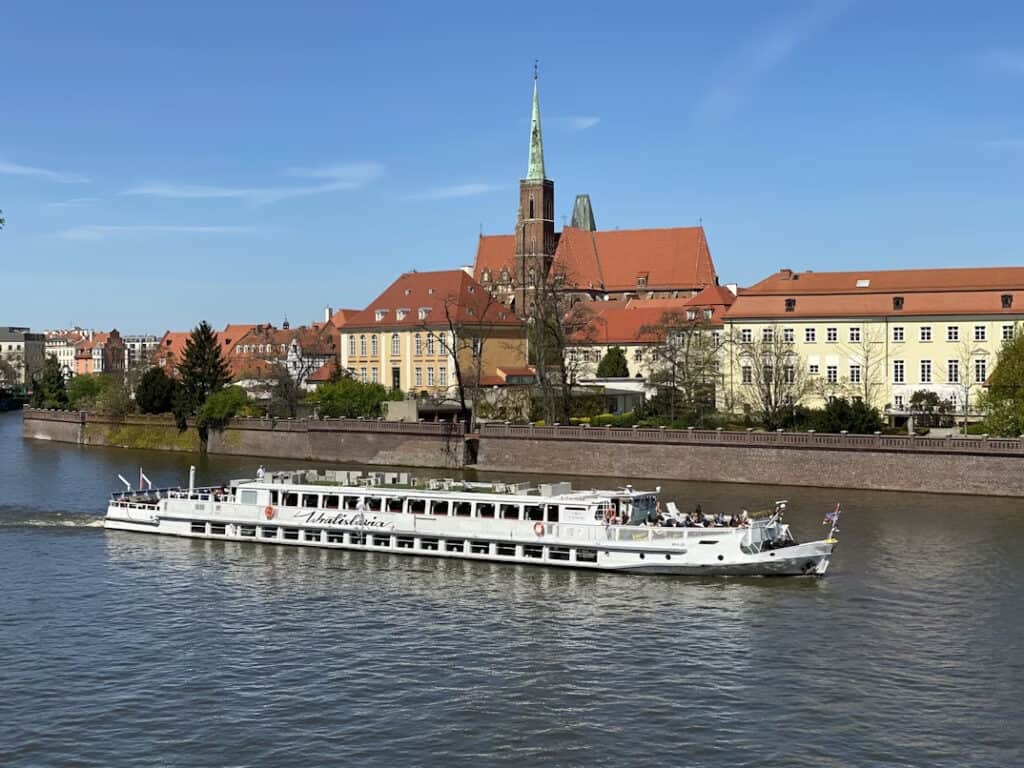
A clean way to see tourism PM in action is to look at European river cruises, because they combine hotel operations, transport planning, and daily “release-style” execution. An itinerary is effectively a master schedule with hard windows: docking, transfers, excursions, baggage handling, provisioning, and onboard service all need to sync day after day.
The real PM lesson isn’t the marketing language; it’s how quickly “included experiences” turn into dependency chains. If excursions are positioned as a core part of the product, you’re managing guide capacity, language coverage, accessibility notes, tickets/timing, coach availability, and fallback options when an attraction is closed—without breaking the pace the itinerary implies.
The same mechanics show up across the category. Various river cruise portfolios both illustrate how operators structure rivers, routes, and multi-country scheduling into repeatable products. For a PM, that’s the clue: the itinerary is a controlled program, and each day is a deliverable with acceptance criteria (on-time departures, guest satisfaction, safe operations, supplier performance, and recovery plans when conditions change).
Ski Tourism and Winter Operations: Where PM Turns Weather Risk Into Capacity Planning
Ski tourism is often sold as pure lifestyle, but operationally, it’s logistics plus risk management. You’re coordinating lift operations, staffing, rentals, instruction capacity, transport flows, accommodation turnovers, and crowd peaks—while the underlying product (snow conditions) can be volatile. Large ski ecosystems make the project-management footprint obvious.
The Epic Pass network markets multi-resort access and pass-holder benefits across major destinations, which implies complex coordination between commercial planning, on-mountain operations, and guest services. In the European Alps, operators like Compagnie des Alpes manage major resorts such as La Plagne and Les Arcs, where the “resort” is really a year-round destination program with infrastructure, events, and seasonal switching.
Where PMs fit in winter tourism is practical and specific: locking “peak-week” capacity assumptions early, aligning transport and accommodation changeover days, sequencing maintenance windows, and setting go/no-go rules for weather-related adjustments. Good PM in ski tourism looks like controlled variability—guests can still have a great experience even when conditions change, because the team planned the thresholds, alternate activities, staffing pivots, and communications ahead of time.
Theme Parks and Attractions: Throughput is The Project, Not the Rides
Theme parks are tourism factories that must still feel personal. The visitor experience depends on throughput (how many guests can move through rides, queues, food, and shows) while maintaining safety, cleanliness, and brand quality. That means project management isn’t a “side function”—it’s the backbone of daily operations planning and continuous improvement.
Merlin Entertainments is a useful example of scale: it describes itself as creating and operating branded entertainment experiences and highlights a global footprint across brands and attraction types (theme parks, indoor attractions, gateway attractions). It also notes the size of its workforce, which hints at the operational coordination needed to deliver consistent experiences across locations.
In this category, PMs typically sit at the intersection of operations and change: rolling out seasonal events, launching new guest flows, coordinating maintenance shutdowns, and de-risking peak attendance days with staffing models and vendor capacity. The “unseen” work is boring on paper—queue plans, shift patterns, incident escalation, supplier SLAs—but it’s exactly what prevents a busy day from turning into a negative review spiral.
Small-Group Tours and Adventure Travel: The Itinerary is a Moving Supply Chain
Guided touring looks simple to the guest: meet the leader, follow the plan, enjoy the destination. Underneath, it’s a moving supply chain—transport legs, accommodation blocks, attraction timing, local partners, and a guide team that must adapt to real conditions without breaking the product promise.
Intrepid Travel positions itself around small-group travel with locally based leaders and immersive experiences, which signals an operating model built on consistent delivery through local networks. G Adventures similarly frames small group travel around flexibility, safety, and locally based guides (“CEOs”), reinforcing how much of the product is actually operational execution.
PMs fit here by standardising what must be consistent (safety, time windows, supplier vetting, incident protocols) while protecting what should remain flexible (route tweaks to avoid crowds, adapting to closures, weather pivots). The best PM contribution is “structured agility”: pre-approved alternates, contingency budgets, and decision rights that let guides make fast calls without chaos.
Festivals and Live Events: Tourism Demand Spikes are Projects With Hard Deadlines
Events drive tourism, but live events are unforgiving: they happen on fixed dates, under public scrutiny, with complex stakeholder webs (venues, city authorities, security, ticketing, vendors, talent, media). The project management layer is massive—and mostly invisible to attendees.
Live Nation’s own “about” content describes its scale in concert production and artist management, which is a strong reminder that major events depend on repeatable operational systems, not ad hoc heroics. When events are positioned as tourism wins, the PM scope widens further: transport planning, crowd movement, emergency response alignment, and stakeholder communications become part of the deliverable.
If sustainability requirements matter (and they increasingly do for destinations and sponsors), ISO 20121 provides a formal framework for an event sustainability management system, aimed at managing social, economic, and environmental impacts across event planning and delivery. That’s not abstract compliance—it’s another layer of project controls: requirements, audits, supplier expectations, measurement, and continual improvement.

Endnote
Across these tourism modes—river itineraries, ski destinations, theme parks, guided tours, and festivals—the pattern is the same: the guest buys a promise, and operations must deliver it under variable conditions. Project management is what turns that promise into a system: clear scope, real dependencies, controlled capacity, rehearsed contingencies, and consistent communications.
Suggested articles:
- Travel Data Scraping at the Crossroads of Tourism and Transformation
- The 10 Best Tour Booking Software for Seamless Operations and Growth
- Using eSIM Technology for Travel as a Project Manager

Daniel Raymond, a project manager with over 20 years of experience, is the former CEO of a successful software company called Websystems. With a strong background in managing complex projects, he applied his expertise to develop AceProject.com and Bridge24.com, innovative project management tools designed to streamline processes and improve productivity. Throughout his career, Daniel has consistently demonstrated a commitment to excellence and a passion for empowering teams to achieve their goals.