

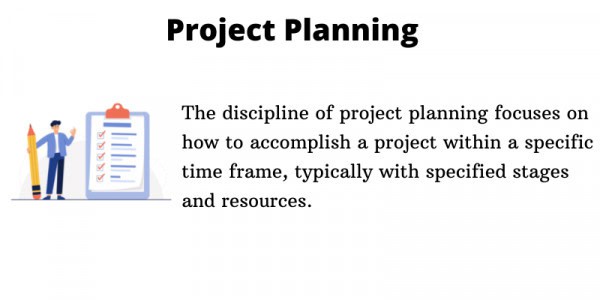
Successful project execution doesn’t happen by chance—it requires meticulous planning and strategic foresight. Project planning is the foundational discipline that transforms ambitious ideas into achievable outcomes by defining how to complete a project within specific timeframes, with defined resources, and across defined stages. Whether you’re managing a small team initiative or a large-scale organizational transformation, a well-structured project plan serves as your roadmap to success. It aligns stakeholders, clarifies objectives, establishes realistic timelines, and identifies key deliverables before execution begins.
In this comprehensive guide, we’ll walk you through 10 essential steps to create an effective project plan that keeps your team focused, your budget intact, and your project on track from kickoff to completion. Let’s dive into the critical components that separate successful projects from those that struggle. The main focus is on planning tasks, setting objectives, scheduling, and deliverables identification.
What are the Components of a Project Plan?
A comprehensive project plan is built upon three fundamental pillars that work together to ensure project success: budget, scope, and timeline. Each component plays a critical role in guiding the project from initiation to completion.
Scope
The project scope defines the boundaries of your project, clearly outlining what the project team will and will not do. It bridges the gap between the customer’s requirements and the team’s vision, establishing what’s realistically achievable within the project parameters. Scope definition is crucial for managing expectations and preventing scope creep. As part of this process, the project manager must establish performance goals and success criteria that align with stakeholder expectations. A well-defined scope also helps identify potential challenges early and ensures all team members understand the project’s limitations and objectives.
Budget
The project budget encompasses all financial resources required to bring the project to fruition. Project managers must carefully determine the resources, tools, technology, and manpower needed to achieve the project goals, then estimate both direct and indirect costs. This includes personnel expenses, equipment purchases or rentals, software licenses, materials, and contingency reserves for unexpected costs. A realistic budget acts as a financial roadmap and helps secure stakeholder buy-in while providing a benchmark for measuring financial performance throughout the project lifecycle.
Timeline
The project timeline provides a temporal framework that maps out when specific activities and deliverables will occur. This includes breaking down the project into distinct phases, estimating the duration required for each phase, and establishing critical milestones that mark significant progress points. An effective timeline accounts for task dependencies, resource availability, and potential bottlenecks. It also includes buffer time for unforeseen delays and provides a clear schedule that keeps all team members synchronized and accountable. Regular timeline reviews ensure the project maintains momentum and allow for proactive adjustments when needed.
Why is Project Planning Important?
Effective project planning is the difference between a controlled journey and a chaotic scramble. It acts as the “North Star” for a team, ensuring that every hour of work contributes to a specific, agreed-upon outcome. Here is an expanded look at why planning is the most critical phase of any lifecycle.
Establishing the Project Pillars
Planning doesn’t just “set the basics”; it creates a contract of expectations between the team and the stakeholders.
- Objectives & Goals: These define success. Without them, a project can “finish” without actually delivering value.
- Scope: This acts as a boundary. It defines not just what the team will do, but more importantly, what they won’t do, preventing “scope creep.”
- Schedule: This transforms a deadline from a vague date into a series of manageable milestones.
Enhancing Communication and Transparency
A primary purpose of a plan is to act as a communication tool.
- For Stakeholders: It provides a roadmap that builds trust. When a sponsor sees a detailed plan, they feel confident that their investment is being managed professionally.
- For the Team: It eliminates ambiguity. Every team member knows exactly what they are responsible for, reducing the “Who was supposed to do that?” conversations that derail productivity.
Resource and Task Optimization
Planning identifies the when, how, and who. By mapping out tasks in advance, project managers can:
- Prevent Bottlenecks: Identify if one person is over-allocated while others are idle.
- Sequence Logic: Ensure that Task B doesn’t start until the prerequisite Task A is finished (the “Critical Path”).
Proactive Risk Management
One of the most overlooked benefits of planning is forethought.
- Instead of reacting to crises as they happen, planning allows you to identify potential “what-ifs.”
- By identifying risks early, you can create contingency plans or budget buffers, ensuring that a small hiccup doesn’t become a project-ending disaster.
Facilitating Control and Monitoring
You cannot manage what you cannot measure. A project plan provides the baseline for monitoring.
- Tracking Progress: If you are behind schedule, the plan tells you exactly how far behind and what needs to be adjusted to catch up.
- Quality Control: Planning sets the standards for deliverables, ensuring the final output isn’t just “done,” but “done right.”
Feedback and Iterative Growth
The final phase of a plan is often the bridge to the next project. By documenting the process, you create a feedback loop.
- Lessons Learned: The data generated during a planned project (how long tasks actually took vs. estimated) allows for more accurate bidding and planning in future cycles.
How Do You Create a Project Plan? (The 10 Steps You Need to Follow)
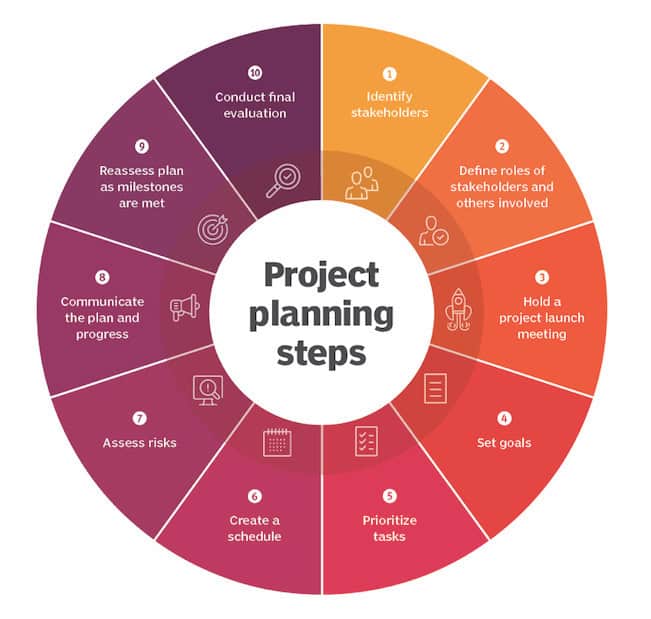
You can create an effective project management plan by following these 10 steps.
1. Define Stakeholders
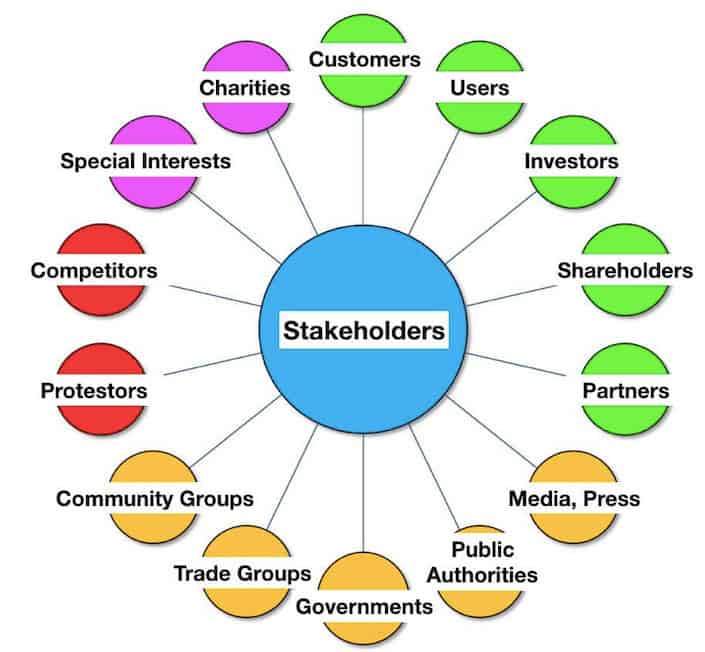
Stakeholders are individuals or entities with a vested interest in the project’s outcome. This category encompasses end-users, customers, project team members, organizational personnel affected by the project, and external parties with project interests. Common examples of stakeholders include customers, employees, shareholders, and suppliers. Stakeholders can be classified as internal (such as employees and shareholders) or external (such as suppliers and customers). While external stakeholders operate outside the organizational structure, they remain significantly impacted by project outcomes and deliverables.
2. Define Roles
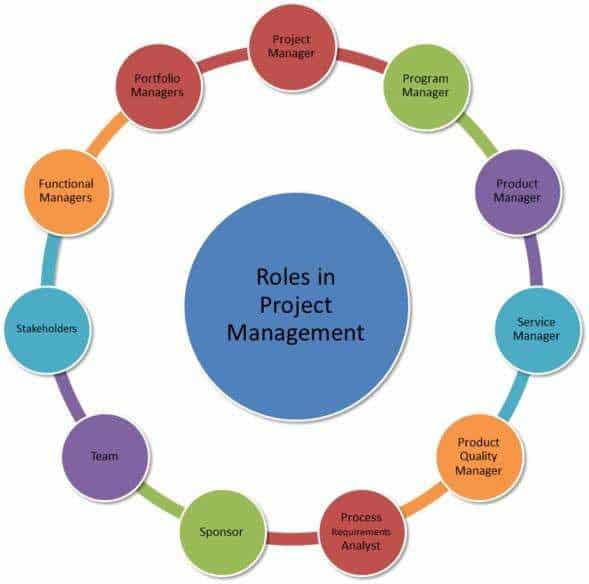
Define the role of each stakeholder clearly and comprehensively to ensure accountability and proper task allocation. Some stakeholders will naturally assume multiple roles throughout the project lifecycle. Common examples of key roles include the project manager who oversees execution, the project sponsor who provides resources and strategic direction, team members who complete assigned tasks, and team leaders who guide specific work streams.
3. Introduce Stakeholders
Unify the vision and bring the stakeholders together by holding a comprehensive meeting. The topics covered should include project goals, scope definition, role assignments, budget allocation, schedule timelines, and success metrics. This initial gathering establishes clear expectations, fosters alignment among all parties, and ensures everyone understands their responsibilities and the project’s strategic direction from the outset.
4. Set Goals
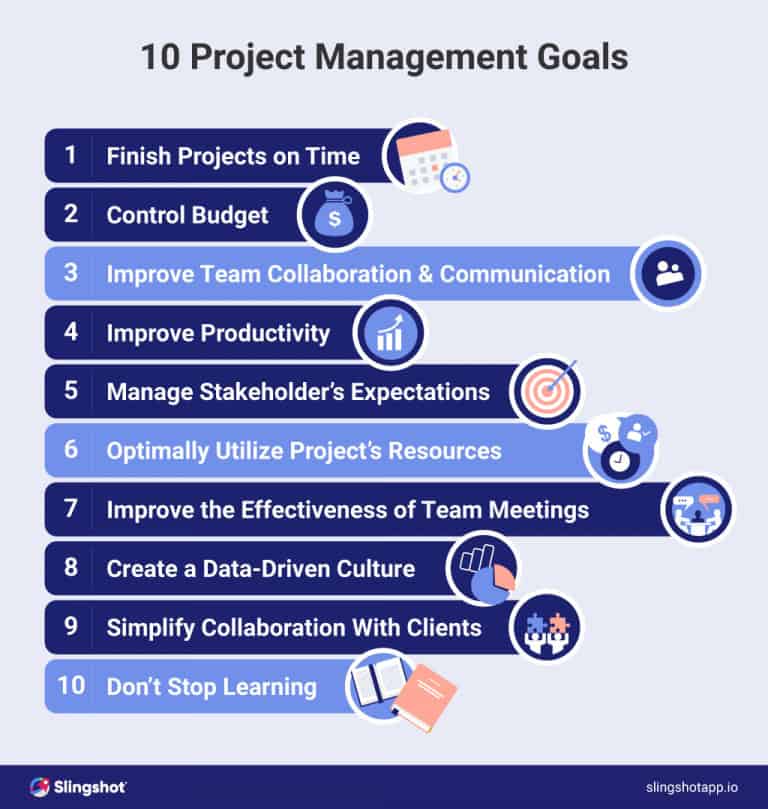
Take what is obtained from the meeting and develop it into a comprehensive plan. It should include clearly defined deliverables and goals that specify what the service or product will deliver to stakeholders. Examples of effective goals include improving team collaboration and communication, enhancing overall performance and productivity, meeting customer satisfaction targets, and achieving specific business outcomes that align with organizational objectives.
5. Prioritize Tasks

Create a comprehensive list of all tasks required to achieve your project goals, then prioritize them systematically based on their interdependencies, urgency, and strategic importance to project success. Understanding which tasks must be completed before others can begin is crucial for maintaining workflow efficiency. A Gantt chart serves as an invaluable visual tool for mapping these dependencies, identifying the critical path, and ensuring optimal resource allocation throughout the project timeline.
6. Create a Schedule
Develop a comprehensive timeline that accounts for all project phases and considers the full spectrum of resources required for task completion. This includes mapping out dependencies between activities, allocating team members based on their skills and availability, establishing realistic due dates for each deliverable, and building in buffer time for unexpected delays. Effective scheduling ensures optimal resource utilization while maintaining project momentum.
7. Assess Risks
Conduct a thorough risk identification process across all project dimensions, including technical, financial, operational, and environmental factors. Develop detailed mitigation strategies and contingency plans for each identified risk, assigning risk owners and establishing monitoring protocols. For example, in health and safety contexts, the safety manager systematically evaluates workplace hazards, job-specific dangers, and process-related risks, then implements preventive measures and emergency response procedures.
8. Communicate
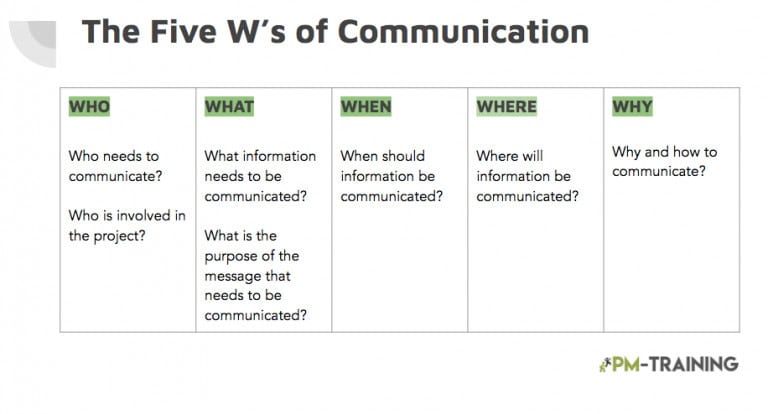
Establish a robust communication framework that delivers regular updates to stakeholders at their preferred frequency and format. This means selecting appropriate communication channels (email, meetings, dashboards), defining the communication cadence for different stakeholder groups, establishing reporting templates and formats, determining the communication style and tone, and scheduling regular touchpoints like status meetings, reviews, and milestone celebrations to ensure everyone remains informed and aligned.
9. Reassess
Institute a systematic review process that evaluates project performance as each milestone is achieved. Compare actual results against planned targets, identify variances and their root causes, adjust resource allocation and timelines as needed, and update risk assessments based on new information. This iterative approach ensures the project remains aligned with objectives and allows for course corrections before small issues escalate into major problems.
10. Final Evaluation
Conduct a comprehensive post-project review that captures lessons learned and documents performance metrics for future reference. This includes comparing actual outcomes against original targets across scope, schedule, budget, and quality dimensions; gathering feedback from team members and stakeholders; documenting successes and challenges; creating a detailed report for the project sponsor; and archiving project artifacts to inform future planning efforts and organizational knowledge.
What are Some Project Planning Tools and Software?
The project planning process is facilitated by project management and project planning software. The best PM tools have intuitive user interfaces, support collaboration, and provide built-in invoicing and time tracking.
Some of the software tools for project planning include:
- Asana offers several project views that suit the project team’s preferences.
- ClickUp has many Agile-based features, including a custom automation builder to let users create reusable task templates.
- Freedcamp allows users to organize projects using Kanban or Gantt charts.
- Hive has a task management feature that allows the creation of a template and speeds up the creation of the task.
- Trello provides budget management, Kanban features, progress tracking, and resource management features.
- You can download free project planning templates here.
- Step-by-step guide for project planning template in Word and Excel.
What are the 5 Characteristics of a Project Plan?
5 characteristics of a well-defined project plan are:
- Specific: The project should be specific. The project plan must clearly define objectives, deliverables, stakeholders, and scope to eliminate ambiguity and ensure everyone understands what needs to be accomplished.
- Measurable: The project must be measurable in terms of achievements and benefits. Establish quantifiable metrics and KPIs to track progress objectively, enabling you to assess success and make data-driven adjustments throughout the project lifecycle.
- Achievable: The project can only make sense if it is achievable. Set realistic goals that challenge your team while remaining attainable given available resources, time constraints, budget limitations, and organizational capabilities to ensure success.
- Relevant: The project must be beneficial to the concerned entity. Ensure the project aligns with broader organizational objectives and delivers meaningful value to stakeholders, addressing real needs and supporting strategic business goals effectively.
- Time-Bound: The project must be time-bound. Define clear deadlines, milestones, and timelines to create urgency, maintain momentum, enable proper resource planning, and ensure accountability throughout the entire project.
To learn more about project planning techniques, click here.
Video About Top 3 Project Planning Steps
Watch this practical video guide that breaks down the three most critical project planning steps every project manager needs to master. This visual walkthrough will help you understand the essential foundations of effective project planning in just a few minutes.
Conclusion
Mastering project planning is essential for delivering successful outcomes consistently. By following these 10 structured steps—from defining stakeholders to conducting final evaluations—you establish a solid foundation that minimizes risks and maximizes efficiency. Remember, a comprehensive project plan isn’t just documentation; it’s your strategic roadmap that aligns teams, manages expectations, and guides every decision throughout the project lifecycle.
Whether you’re managing your first project or your hundredth, these planning principles remain constant. Invest time upfront in thorough planning, leverage appropriate project management tools, and maintain open communication with stakeholders. With proper planning, clear objectives, and systematic execution, you’ll transform ambitious goals into tangible results while building valuable experience for future projects.
Frequently Asked Questions
What are the 10 project planning steps?
The 10 project planning steps are:
- Define stakeholders
- Define roles
- Introduce stakeholders
- Set goals
- Prioritize tasks
- Create a schedule
- Assess risks
- Communicate
- Reassess
- Final evaluation
What is the difference between project planning and project management?
Project planning is the initial phase where you define objectives, scope, resources, and timelines before execution begins. Project management encompasses the entire lifecycle, including planning, execution, monitoring, and closing. Planning is a critical subset of overall project management activities.
How long should the project planning phase take?
The planning phase typically takes 10-20% of the total project duration, though this varies by complexity. A small project might need days of planning, while large enterprise initiatives could require weeks or months to properly define scope, resources, and risks.
What’s the biggest mistake in project planning?
The most common mistake is inadequate stakeholder engagement early in the planning process. Without proper input from all stakeholders, projects often suffer from scope creep, misaligned expectations, and poor resource allocation, leading to delays, budget overruns, and ultimately project failure.
Can you start a project without a formal plan?
While technically possible, starting without a formal plan significantly increases failure risk. Even simple projects benefit from basic planning to define goals, timelines, and responsibilities. The complexity of your plan should match your project’s scope—simple projects need simple plans.
How often should you update your project plan?
Project plans should be living documents reviewed regularly. Update your plan during milestone reviews, when significant changes occur, or when risks materialize. Most successful projects conduct formal plan reviews weekly or bi-weekly, with minor adjustments made continuously as needed.
Suggested articles:
- Project Planning Vs Project Scheduling: Key Differences, Benefits And Stages
- Project Planning Template Kit
- 6 Steps of a Project Planning Process Diagram

Shane Drumm, holding certifications in PMP®, PMI-ACP®, CSM, and LPM, is the author behind numerous articles featured here. Hailing from County Cork, Ireland, his expertise lies in implementing Agile methodologies with geographically dispersed teams for software development projects. In his leisure, he dedicates time to web development and Ironman triathlon training. Find out more about Shane on shanedrumm.com and please reach out and connect with Shane on LinkedIn.