
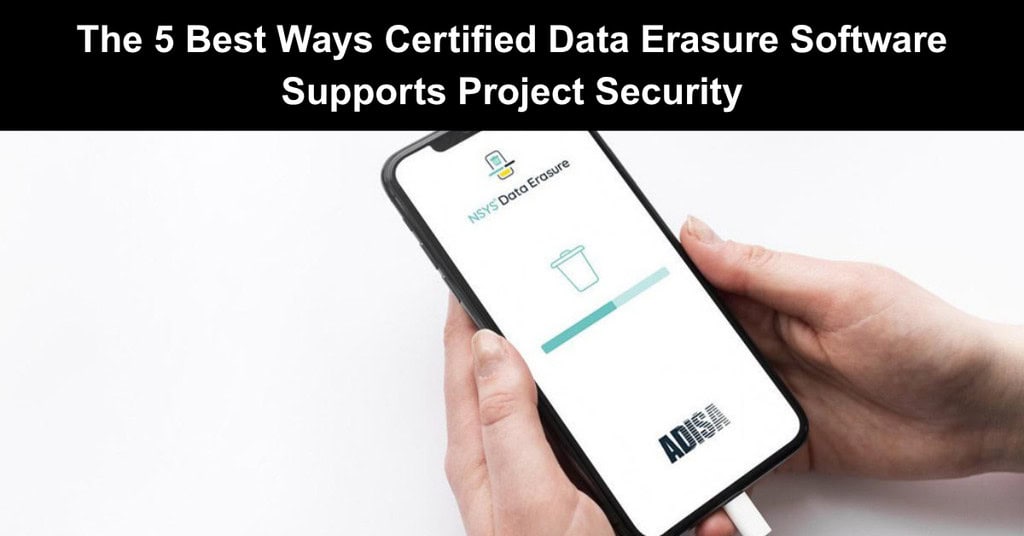
Refurbishing used phones involves several steps, from checking the device’s condition to repairing faults and preparing it for resale. But there is another important task that businesses need to handle before selling a used phone: removing the previous owner’s data. A phone may still contain photos, messages, contacts, saved accounts, and other personal information. If this data is not removed properly, it can create problems for both the previous owner and the business selling the device.
Using Certified data erasure software helps businesses manage this part of the process. It provides a more consistent way to erase data and keep records of completed operations. For companies handling large numbers of used devices, this can make daily work easier and help them maintain better security.
1. Keep Previous Owners’ Data Safe
One of the main concerns when handling used phones is making sure that the previous owner’s information does not reach the next user. A device can look perfectly fine and work without any issues while still containing personal data. Simply resetting a phone may not give a business enough evidence that its data-erasure process has been completed as required.
This is why refurbishers need a clear procedure for removing data before a device is sold or transferred. Data erasure software helps make this process more consistent. Employees can follow the same procedure for each device instead of relying on different manual methods. For example, a refurbishment company can make data erasure a required step before a phone moves into its resale inventory.
This reduces the chance of a device being sold without completing the necessary checks. NSYS Data Erasure is designed for pre-owned mobile devices and supports data erasure on compatible Android and iOS devices. Businesses can include it in their existing workflow to handle data removal before devices reach their next owners.
2. Keep Records of Every Erased Device
When a business processes a few phones, keeping track of each one may not be difficult. The situation changes when hundreds of devices pass through the facility every day. Employees need to know which phones have been erased, when the process was completed, and whether the operation was successful.
If these details are recorded manually, it becomes easier to miss information or make mistakes. Data erasure software can help by generating records for completed operations. These records make it easier to check a device’s processing history when questions arise. NSYS Data Erasure provides an individual certificate and a detailed report for each erasure.
A refurbishment business can keep this documentation with its other device records, using the IMEI or another internal identifier to track the phone. This is particularly useful when different employees handle intake, testing, repairs, and resale. Instead of asking several people what happened to a device, the team can refer to its available records.
3. Make the Process Easier for Employees to Follow
A used phone usually passes through several stages before it is ready for resale. Employees may need to identify the device, test its functions, check its physical condition, carry out repairs, erase its data, and complete a final inspection. If there is no defined process, important steps can be missed, especially when the facility is busy.
A typical device refurbishment workflow might look like this:
Device intake → Identification → Diagnostics → Grading and repairs → Data erasure → Final inspection → Inventory → Resale
The exact order depends on the business. Some tests may need to be completed before data erasure, while other companies may prefer to remove personal information earlier. What matters is that employees know when data erasure must take place and how to confirm that it has been completed.
NSYS Group offers separate solutions for device diagnostics, cosmetic grading, data erasure, and inventory management. Businesses can use these tools at different stages of their operations rather than managing every task separately. Having a defined process also makes it easier to train new employees and check whether devices have completed the required stages before being moved forward.
4. Process More Phones Without Adding Too Much Manual Work
Manual data erasure can take up a lot of time when a company handles large numbers of used phones. Employees may need to process devices individually and then record the results before moving on to the next batch. As volumes increase, this can slow down the entire refurbishment process. It also leaves more room for mistakes when employees are working under pressure.
Data erasure software that supports batch processing can make the job more manageable. Instead of treating every phone as a separate task, employees can process multiple devices at once. According to NSYS, its Data Erasure solution allows up to 60 devices to be connected to a single PC. It also supports wireless data erasure for compatible Android devices.
For a refurbishment business, this can reduce repetitive work and help teams handle larger batches more efficiently. Employees can spend less time managing individual erasure tasks and more time dealing with devices that need repairs or further checks. Batch processing does not remove the need for monitoring. Businesses still need to check the results and follow up on any devices that have not completed the process successfully.
5. Keep Data-Protection Procedures Documented
Businesses that handle used phones need to take data protection seriously. They may deal with devices containing personal information from customers, employees, or other users, so they need a reliable way to manage that information. Having a written procedure is a good starting point, but businesses also need records showing how the procedure was followed.
For example, a company may want to confirm that a particular phone was erased before resale or check the documentation during an internal review. Without proper records, finding this information can take time. NSYS states that its Data Erasure solution is ADISA certified and compliant with NIST SP 800-88 and relevant EU data-protection requirements. Businesses should check the current certification scope and applicable requirements to understand how the solution fits their own operations.
The certificates and reports generated during erasure can help companies maintain a record of completed work. While software alone does not guarantee compliance, it can make it easier to document data-erasure activities and review the process when needed. For project managers, this means having a clearer view of whether devices have completed the required security steps before they are released.
How to Add Data Erasure to Your Existing Workflow
Businesses do not necessarily need to change their entire refurbishment process to improve data security. They can start by deciding when data erasure should happen and making sure employees follow the same procedure.
A few practical steps can help:
- Identify Each Device: Record its IMEI or another suitable identifier when it arrives.
- Set the Erasure Stage: Decide whether data erasure should happen before or after specific diagnostic tests.
- Check the Result: Make sure the operation has completed successfully before the device moves forward.
- Keep the Records: Store the relevant certificates and reports with the device’s processing information.
- Handle Failed Attempts: Set a procedure for devices that cannot be erased successfully on the first attempt.
NSYS Data Erasure can be used as part of this process, particularly for businesses that need to erase multiple devices and maintain individual records. It can also work alongside other device-management activities, including diagnostics, grading, and inventory tracking.
Final Thoughts
Refurbishing used phones requires more than checking their condition and making repairs. Businesses also need to make sure that previous-owner data is removed and that the process can be tracked. Certified data erasure software can help with this by providing a consistent way to erase devices, maintain records, and process multiple phones.
It also gives employees a clearer procedure to follow as devices move through the refurbishment process. For businesses handling used phones at scale, solutions such as NSYS Data Erasure can make data removal easier to manage while keeping the relevant certificates and reports available for future reference.
Frequently Asked Questions
Why is data erasure important when refurbishing used phones?
Used phones may contain personal information belonging to their previous owners. Proper data erasure helps prevent that information from being passed on when the device is sold or transferred to someone else.
Is a factory reset enough for a used phone?
A factory reset and a documented data-erasure process are not necessarily the same. Businesses should choose an appropriate erasure method based on their security requirements, supported devices, and the level of verification they need.
Can data erasure software handle multiple phones at once?
Yes, some solutions support batch processing. NSYS Data Erasure allows multiple devices to be connected to one PC, helping businesses process larger numbers of phones without handling every device as a separate task.
How can a business confirm that a phone has been erased?
Businesses can use erasure software that generates certificates or reports for completed operations. These records help them check the device’s processing history and confirm whether the required procedure was completed.
When should data erasure take place during refurbishment?
The timing depends on the workflow. Some diagnostic tests may need to happen first, while other businesses may prefer to erase data earlier. In either case, the process should be clearly defined and completed before the device is transferred to its next owner.
Suggested articles:
- How Project Managers Can Strengthen Data Protection in Workflows
- Top 10 Pros and Cons of Using Data Recovery Software
- The Pros and Cons of Using Cisdem Data Recovery Software

Daniel Raymond, a project manager with over 20 years of experience, is the former CEO of a successful software company called Websystems. With a strong background in managing complex projects, he applied his expertise to develop AceProject.com and Bridge24.com, innovative project management tools designed to streamline processes and improve productivity. Throughout his career, Daniel has consistently demonstrated a commitment to excellence and a passion for empowering teams to achieve their goals.