
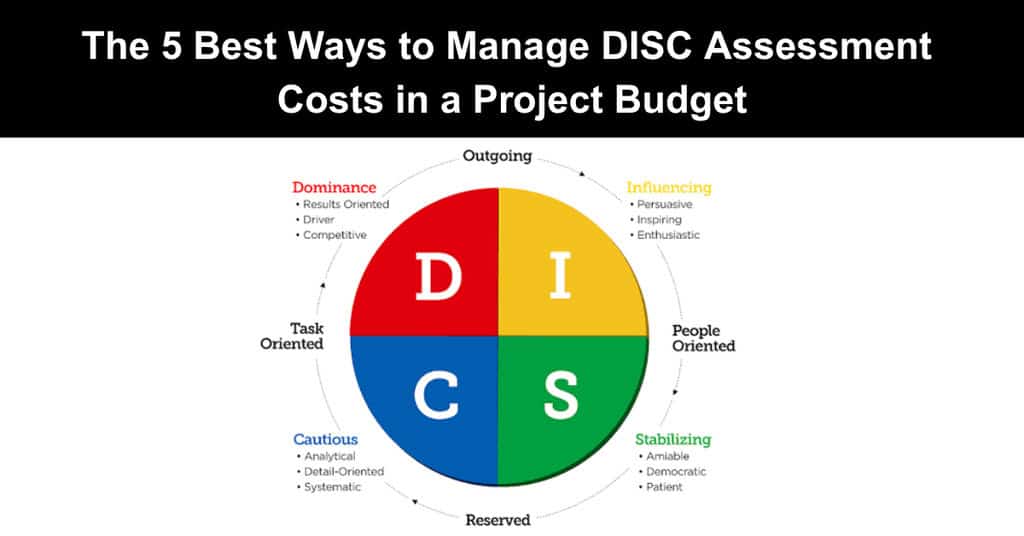
Managing a project budget is all about making smart choices on where to spend your cash. It’s not just about writing a check for salaries and software subscriptions; it’s about investing in the right tools & resources to help your teams communicate, work together, and actually get things done. One investment that project managers might want to put some serious thought into is a DISC assessment – basically a fancy way of getting to know your team’s behavioral styles and how they interact with each other.
Before you rush out and buy a whole bunch of assessments for your team off the cuff, you need to get a handle on how they’re going to fit into your budget. The last thing you want to do is end up buying a whole bunch of stuff that’s just going to gather dust without getting you any closer to your goals. DISC assessment costs can be all over the map depending on who you go with, what features you want to get, how many people you need to test, and whether you need any extra training on top of that. With some forward thinking, project managers can make this investment work without breaking the bank.
Here are five practical tips to manage these costs without sacrificing the benefits of the assessment.
1. Define What You’re Getting This Assessment For
First off, you need to figure out why your project team needs DISC assessments in the first place. Where are you trying to get to with this project? Are you trying to improve communication, iron out some of the conflicts you keep seeing, or maybe get people into the right roles because of their strengths? Whatever your goals are, the approach you take to the assessment and training is going to be different.
For example, you might be looking to improve communication between team members, iron out some recurring conflicts, or get people into the right roles because of their individual strengths. Each of these goals is going to require a different approach to the assessment and training.
Before you go comparing all the different providers, take a moment to ask yourself a few questions:
- How many team members are you going to need to test?
- Are the results going to be used to improve communication, develop some leaders, or just generally build team spirit?
- Do you need individual reports, team reports, or both?
- Do you need to get some extra guidance on how to make sense of the results?
- Is this a one-off thing or part of a bigger development program?
Answering these questions will help you get a much clearer idea of how much you should be budgeting for this, and avoid wasting cash on things you don’t need. A small team working on a short-term project might be fine with just individual assessments, while a big department with several projects on the go might benefit from some additional team analysis and workshops to bring everyone on the same page. The idea is to only buy what you actually need to get your project done.
2. Compare Providers and Get a Handle on Their Pricing Models
Not every DISC assessment provider has the same pricing setup. Some charge per individual assessment, while others offer better deals for teams, organisations, or any certification programs. You also need to factor in the cost of things like detailed reports, training materials and in-house training sessions, all of which can add up in no time.
When you’re shopping around for DISC assessments, it’s worth looking beyond the upfront cost. That cheap assessment might be tempting, but it might not give you all the reporting and support your team needs. On the other hand, an expensive package might include features you’ll never actually use.
Do a comparison of the different providers and bear in mind the following:
- How much does each assessment cost per person
- Do they offer any discounts for team or group reports
- How useful are the assessment results and how do they compare to other ones on the market?
- Can you get your hands on any training materials
- Do they offer bulk discounts
- Are their customer support and implementation services any good
It’s also worth taking a look at some of the other providers like DISC+Plus Profiles, which do DISC assessments but also provide some really useful resources to help people understand behaviour and improve workplace interactions. Take a good hard look at the features you actually need for your team, then ask for a detailed quote and see if there are any additional costs lurking in there before you commit. Doing your research properly lets you find that sweet balance between affordability and value.
3. Buying Assessments in Bulk & Skipping Unnecessary Repetition
If you’ve got multiple team members who need to go through a DISC assessment, it’s a good idea to ask the provider if they do bulk orders or team packages – often this can work out cheaper than buying individual assessments. This is especially useful if you’re working with an organisation that’s got loads of different teams & projects all working on different things.
If you can get a grip on a purchasing plan, project managers can avoid duplicating costs and make sure everyone’s on the same page when it comes to how to use the assessments. Your budget needs to account for more than just the cost of the assessment itself – usually you’ll also need to factor in things like:
- Licenses or individual reports for each person
- Training or facilitation fees
- The time your employees have to put in to complete the assessments
- Team workshops or feedback sessions
- Any follow-up activities or learning materials that might be needed
To give you a rough idea, let’s say you’ve got a team of 15 people all doing DISC assessments for $25 each. The direct cost of the assessments would be $375. But if you then want to book a facilitated workshop, you’ll need to budget for that separately. Keep in mind that these figures are just examples – the real prices will depend on who you go with and any extra services you need.
And be sure to leave a bit of room in your budget for any unexpected expenses that might come up. A bit of flexibility will help you avoid any problems if the project scope changes at the last minute.
4. Buying Assessments in Bulk & Skipping Unnecessary Repetition
If multiple team members need to work through an assessment, it’s a good idea to ask the provider if they offer any discounts for bulk orders or team packages. Buying a bunch of these assessments at once can often work out cheaper than getting them individually. This is especially useful when you’re dealing with an organisation that’s got lots of different teams and projects all working on different things.
If you can coordinate a purchasing plan, project managers can avoid duplicating costs and make sure everyone’s on the same page when it comes to how to use the assessments. Take, for example, three teams that plan to all use DISC assessments within the same quarter. Their bosses could get in touch with the procurement or HR department and potentially negotiate a deal that covers everyone, or gives them all access to the same shared learning resources.
Another thing to check is whether your team members have already completed a suitable assessment recently, perhaps through another department, a previous role, or an earlier project. If they have, and the results are still valid and relevant, there’s no real need to repeat the process without good reason. Doing so is throwing away money and wasting everyone’s valuable time.
That being said, you should check with the provider about their licensing terms, what the results are intended for, and whether the existing results are still relevant for the project you’re currently working on. Centralising the purchasing process can make it easier to track costs and also means that teams can get more value from the money they’ve invested.
5. Checking If the Assessment Was Worth It After You’ve Finished With It
Managing a project budget doesn’t just stop when you’ve made the purchase – you also need to think about whether the assessment actually delivered what you were looking for. DISC assessments can give you a framework for talking about things like communication preferences, behavioural patterns and different approaches to teamwork.
When used properly, these insights can help teams spot communication gaps, work out each other’s strengths and weaknesses, and collaborate better. To figure out if the assessment was worth the investment, you should set out some measurable objectives before you start. These might look something like this:
- Has the number of communication-related misunderstandings gone down?
- Are team members giving and receiving feedback more effectively?
- Has it become clearer what people are responsible for on the project?
- Does everyone feel more confident when they’re interacting with the team?
- Has it stopped causing delays and problems because people were stuck trying to work out how to coordinate things?
Compare these sorts of indicators before and after the assessment – you can use things like team surveys, project retrospectives, and feedback sessions to figure out if it’s been of any use.
For example, a project manager might notice that team members are having a lot of problems discussing things during meetings, and then feel they made a difference after introducing some discussions based on the DISC assessment. If people report that things are clearer and they’re collaborating better, that’s a good sign that the assessment was worthwhile.
Just remember – assessments don’t guarantee better performance just because you’ve done one. It’s how well the results are used and interpreted that makes the difference. Don’t use the results to try to label people, or to make decisions about jobs or promotions. Use them as a conversation tool and a way to support people’s development. By measuring the impact of the assessment, you can decide whether to stick with it, make some changes, or expand your program.
Final Thoughts
Getting the most out of your DISC assessment spend means having a clear idea of what you need to get out of it, carefully picking an assessment provider that fits your team’s needs, making a realistic estimate of what you can afford to spend, and keeping an eye on how it’s all going to pan out. Managers who really understand what their team is trying to achieve can then steer clear of unnecessary expenses and make sure that any assessment costs are actually driving some real development.
First, figure out what you’re trying to achieve. Then take a look at what all the different assessment providers have to offer and pick the one that best fits the bill – price may be a factor, but so too should what they can actually deliver. Make sure you factor in all the costs associated with an assessment – not just the upfront cost of buying it, but also any ongoing expenses or support requirements. Where possible, team up with other teams to squad up on any assessments you’re running and then review how it all works out once you’re up and running.
Of course, the best value for your cash isn’t always the cheapest option – it’s the one that gives you some real insight into how your team is working, helps improve communication, and makes sure you’re staying on track to meet your project goals. With a bit of thought and planning put into the way you do things, DISC assessments should be a case of investing in your team rather than some nasty budget surprise.
Suggested articles:
- How Project Managers Can Keep Payroll and Project Budgets on Track
- How Project Managers (PMs) Can Keep Projects on Schedule and Budget
- What APY Means for Project Budgeting

Daniel Raymond, a project manager with over 20 years of experience, is the former CEO of a successful software company called Websystems. With a strong background in managing complex projects, he applied his expertise to develop AceProject.com and Bridge24.com, innovative project management tools designed to streamline processes and improve productivity. Throughout his career, Daniel has consistently demonstrated a commitment to excellence and a passion for empowering teams to achieve their goals.