
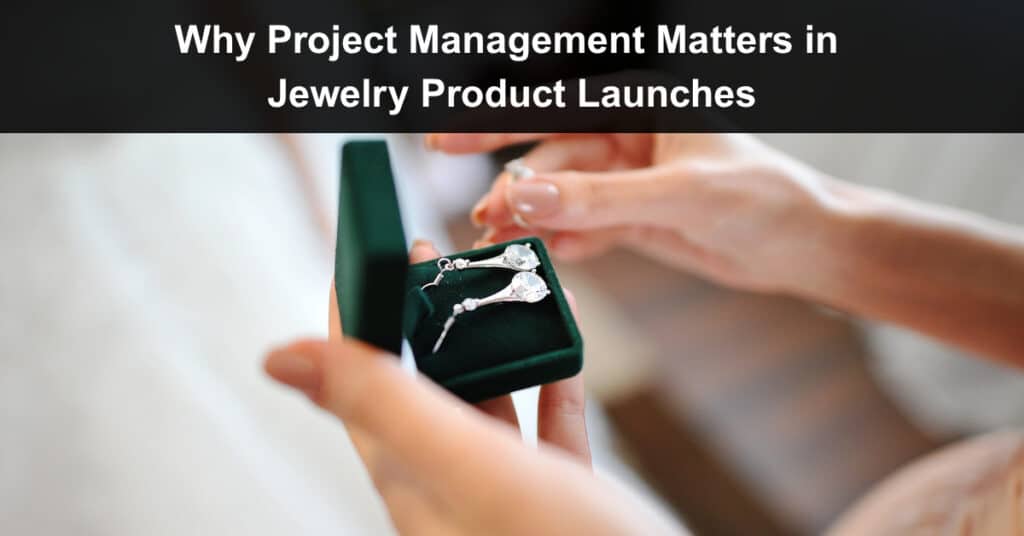
The journey from a creative spark in a designer’s sketchbook to a shimmering storefront display is often far more chaotic than it looks to the naked eye. In the jewelry industry, where we measure precision in microns and define luxury by the tiniest details, a product launch isn’t just a “marketing event”; it’s a high-stakes project that can make or break a brand’s reputation. Success requires a delicate, almost poetic balance of artistry, supply chain logistics, and perfect timing.
For emerging independent designers and established heritage houses alike, the difference between a collection that captivates the market and one that languishes in production delays usually comes down to one discipline: project management. From securing ethical raw materials to vetting the best international jewelry packaging suppliers, every single variable must be meticulously managed to ensure the final unboxing experience actually lives up to the brilliance of the jewelry inside.
Defining the Scope Beyond the Aesthetic
The first phase of any jewelry project is defining the scope. In plain English, this means figuring out exactly what you are making, who it is for, and most importantly, what your limits are. Without a clear scope, a jewelry launch can easily fall victim to scope creep. This is that slippery slope where a simple five-piece capsule collection accidentally evolves into a twenty-piece monster that eats your budget and destroys your timeline.
A project manager’s job is to make sure the creative stays friends with the business. By setting hard boundaries on design complexity and the number of SKUs early on, you prevent the team from overextending. It is about making sure the final pieces are not only beautiful but also actually finishable and profitable.
Time Management and the Production Timeline
In the jewelry world, timing is everything. Missing a Valentine’s Day, Mother’s Day, or holiday season window can result in devastating financial losses. Project management introduces the concept of the “Critical Path”, the sequence of stages that determines the minimum time needed to complete the project.
A jewelry launch timeline must account for:
- Design and Prototyping: Using CAD software and 3D printing technology, designers create precise digital models and physical prototypes to refine aesthetics before committing to costly production.
- Sourcing: Carefully identifying and vetting suppliers to secure ethically sourced gemstones and precious metals that meet both quality standards and responsible sourcing certifications.
- Manufacturing: Skilled bench jewelers handle intricate casting, stone setting, and hand-polishing processes, transforming raw materials into finished pieces that meet the brand’s exacting luxury standards.
- Quality Control: Every piece undergoes rigorous multi-stage testing to evaluate structural durability, surface finish, gemstone security, and overall craftsmanship before it is approved for sale.
- Packaging and Logistics: Coordinating the design, production, and delivery of premium packaging and displays to ensure the complete unboxing presentation is shelf-ready and brand-consistent.
Professional project managers use Gantt charts to track these overlapping phases, allowing them to identify potential bottlenecks before they cause a delay.
Budgeting and Resource Allocation
Luxury items carry high overheads. When dealing with gold, platinum, and diamonds, a 5% error in budgeting can equate to thousands of dollars in lost margin. Project management provides the framework for “Cost Baseline” development. This goes beyond just the cost of goods sold (COGS); it includes hidden costs like customs duties, insurance during transit, marketing photography, and the overhead of specialized labor.
By managing resources effectively, brands can decide where to invest and where to save. For instance, a project manager might realize that reallocating funds from an expensive launch party into higher-quality sustainable packaging will yield a better long-term Brand Equity return.
Risk Mitigation in the Supply Chain
The jewelry supply chain is notoriously volatile. Prices of precious metals fluctuate daily, and gemstone mines may face sudden closures or export restrictions. A core pillar of project management is “Risk Management”, the process of identifying, assessing, and responding to potential threats.
A seasoned jewelry project manager always has a “Plan B.” If a specific gemstone supplier fails to deliver, they have pre-vetted alternatives. If a manufacturing facility faces a shutdown, they have a backup workshop on standby. This proactive approach ensures that a single hiccup in the global supply chain doesn’t lead to a total project failure.
Stakeholder Communication and Collaboration
A jewelry launch involves a diverse cast of characters: designers, bench jewelers, photographers, web developers, and wholesale buyers. Often, these groups speak different “languages.” A designer focuses on the curve of a ring, while a financier focuses on the ROI. Project management acts as the bridge between these departments.
Through regular status updates, clear documentation, and centralized communication platforms, the project manager ensures that everyone is working toward the same objective. This transparency reduces friction and ensures that the marketing team isn’t promising a launch date that the production team cannot possibly meet.
Quality Assurance and the Final Presentation
In a jewelry launch, “good enough” is never enough. Quality Assurance (QA) is a project management process that ensures every piece meets the brand’s standards before it reaches the customer. This involves setting specific “Quality Gates” at various stages of production.
However, quality extends beyond the jewelry itself. It includes the physical experience of the customer. A project manager oversees the procurement of displays and boxes, ensuring that the weight, texture, and opening mechanism of the packaging reflect the luxury status of the brand. This holistic view of quality is what separates a successful launch from a mediocre one.
Post-Launch Evaluation and Continuous Improvement
The project doesn’t end when the first sale is made. Project management emphasizes the “Post-Mortem” or “Lessons Learned” phase. By analyzing what went well and what didn’t, brands can refine their processes for the next collection.
- Was the prototyping phase too long, consuming weeks that could have been saved with better CAD workflows or faster 3D printing turnarounds?
- Did a certain supplier consistently miss deadlines, signaling the need to diversify the vendor pool or renegotiate contract terms?
- Were there unexpected customs delays that could be mitigated with better documentation and earlier freight bookings in future launches?
- Did the quality control stage reveal recurring defects that point to a need for earlier intervention during the manufacturing phase?
By capturing this data, jewelry brands can transform from a chaotic startup into a streamlined, scalable enterprise. This data-driven approach allows for more predictable successes in future seasons.
Conclusion
Launching a jewelry collection is a monumental task that requires more than just artistic talent; it requires the disciplined application of project management principles. By managing scope, time, and risk, jewelry brands can protect their margins and their reputations. Every detail matters, including the partners you choose for the final stages of the project.
For brands looking to elevate their presentation, Lussopack offers specialized insights into manufacturing high-end packaging that aligns with professional project standards. When your jewelry finally meets its box, ensure it is the result of a perfectly managed project.
Suggested articles:
- 18 x Product Launch Plan Templates
- Integrating Email Deliverability Into Product Launch Project Plans
- How to Plan a Food Service Project From Concept to Launch

Daniel Raymond, a project manager with over 20 years of experience, is the former CEO of a successful software company called Websystems. With a strong background in managing complex projects, he applied his expertise to develop AceProject.com and Bridge24.com, innovative project management tools designed to streamline processes and improve productivity. Throughout his career, Daniel has consistently demonstrated a commitment to excellence and a passion for empowering teams to achieve their goals.