
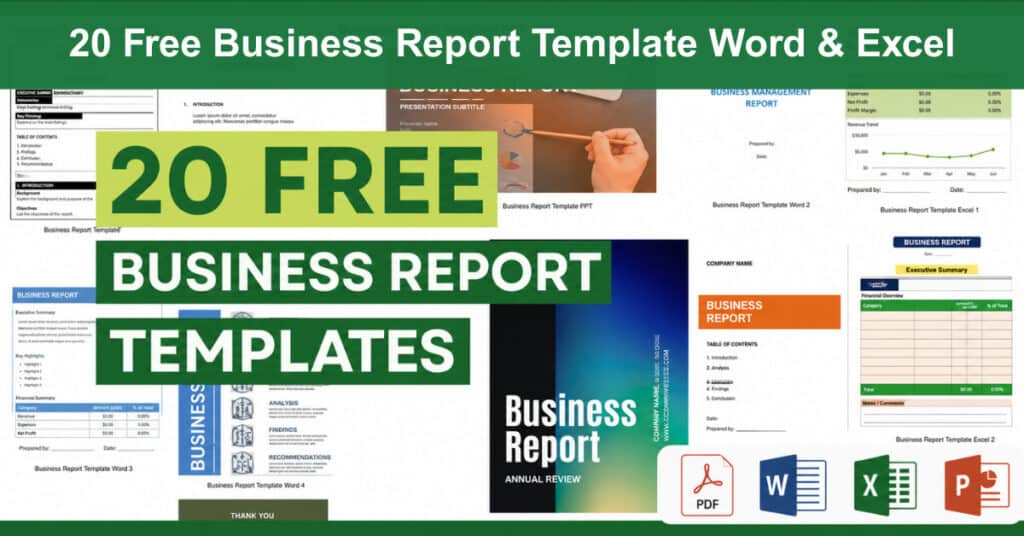
A business report is a formal document used to present research findings, statistical data, and other relevant information within an organization. Unlike casual memos or emails, business reports follow a structured format designed to communicate concisely while maintaining clarity and precision. Whether you are tracking quarterly performance, analyzing market trends, or documenting a product launch, having the right template makes the process significantly more efficient.
A business report template provides a ready-made framework that ensures consistency across all reports produced within your organization. Rather than building each document from scratch, teams can use templates to standardize structure, formatting, and tone. This saves time and ensures that all stakeholders receive information in a familiar, easy-to-navigate format, reducing the risk of miscommunication or key findings being overlooked.
Types of Business Reports
Several distinct types of business reports serve different organizational purposes. Understanding which type to use is essential before selecting a template, as the structure and content requirements vary considerably from one format to another.
Informational Reports
Informational reports present purely objective data without analysis or recommendations. They record facts such as employee headcount, departmental roles, and assigned responsibilities. These reports are useful when decision-makers need a reliable snapshot of current conditions without interpretive commentary getting in the way.
Analytical Reports
Analytical reports go further by examining data in context. They compare figures across time periods, identify the reasons behind changes, and propose measures the organization could adopt to address challenges. These reports are commonly used in financial reviews, operational audits, and strategic planning sessions.
Research Reports
Research reports are used when a significant organizational change is on the horizon, such as a product launch, a merger, or a shift in operational strategy. A well-structured research report covers elements like target audience analysis, marketing strategy, competitive landscape, and projected outcomes. The depth of detail supports informed decision-making before major commitments are made.
Explanatory Reports
Explanatory reports are designed to help internal teams understand a specific project or initiative. They present findings, showcase relevant facts, and state research conclusions in plain, accessible language. The goal is clarity over complexity, making them particularly useful when briefing team members who may not have technical backgrounds.
Progress Reports
Progress reports track ongoing activities and keep stakeholders informed about developments over a defined period. They might cover weekly sales figures, quarterly conversion rate changes, or the status of a long-term project. Regular progress reporting creates a culture of accountability and ensures that issues are flagged early rather than discovered too late.
Importance of Business Reports
Business reports serve a foundational role in how modern organizations communicate, plan, and operate. Far from being administrative formalities, they are the mechanisms through which data becomes actionable insight. Organizations that invest in consistent, well-structured reporting tend to make better decisions and respond more effectively to challenges.
Mode of Communication
Reports act as a reliable, formal communication channel within any organization. When employees or managers need to access data, a well-maintained report library ensures that information is available, consistent, and traceable. This reduces reliance on informal conversations where details can be lost or distorted.
Decision Making
Every major decision, from restructuring teams to targeting new customer segments, should be grounded in accurate data. Reports give decision-makers the evidence they need to act with confidence. Organizations typically generate reports in two directions: upward, where employees summarize findings for management, and downward, where management communicates tasks, goals, and performance expectations to their teams.
Crisis Management
When a problem arises, verbal communication and informal channels quickly become unreliable. Business reports bring all stakeholders to a shared factual baseline, replacing speculation with evidence. Having a structured, accurate account of a situation prevents misinformation from spreading and enables leadership to respond in a coordinated and measured way.
Effective Management
Reports support the delegation of responsibilities by clearly documenting who is accountable for what, and by when. When duties and deadlines are captured in writing, it is far easier to monitor progress, identify project bottlenecks, and recognize strong performance. Over time, a consistent reporting practice improves organizational efficiency and strengthens management oversight.
Free Business Report Template Word
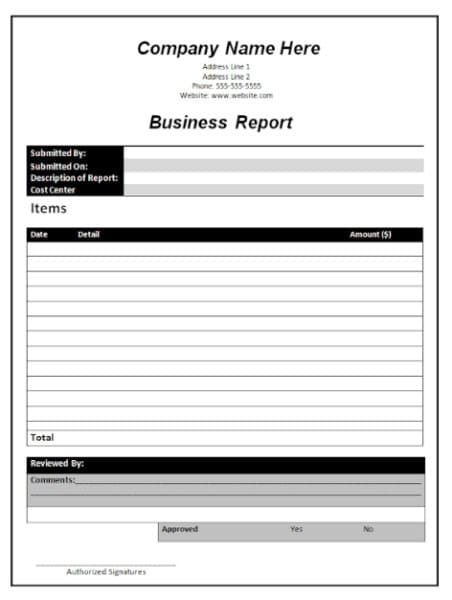
Business Report Template Word 1

Business Report Template Word 2
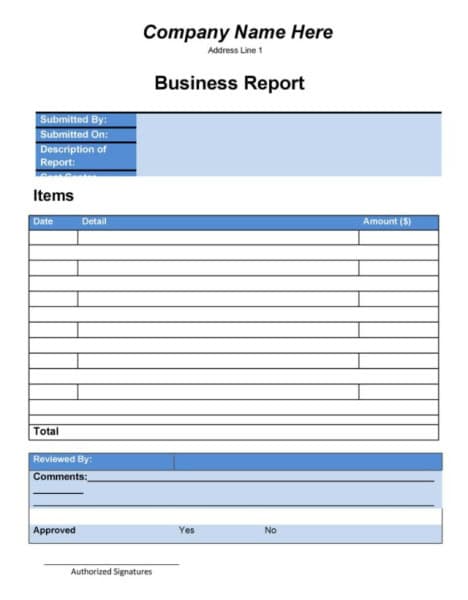
Business Report Template Word 3

Business Report Template Word 4
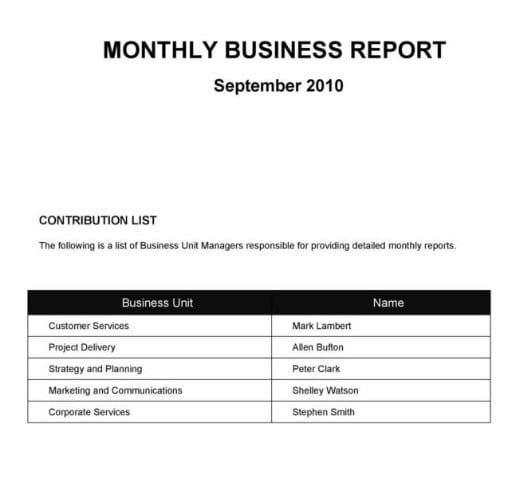
Business Report Template Word 5
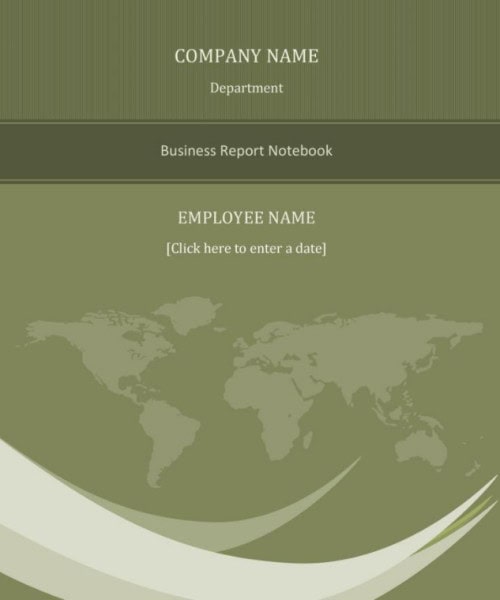
Business Report Template Word 6

Business Report Template Word 7

Business Report Template Word 8
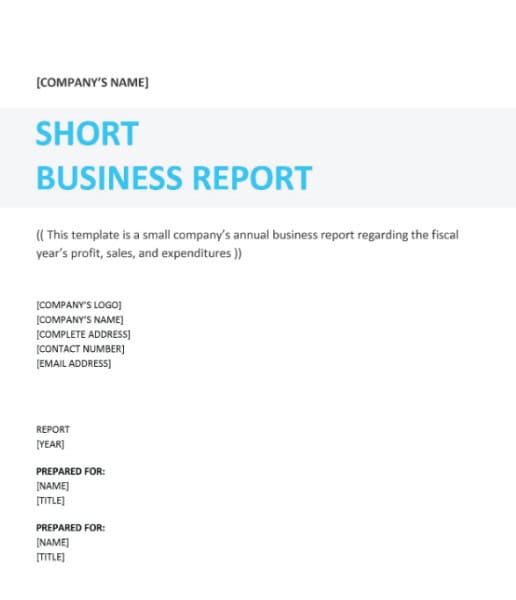
Business Report Template Word 9

Business Report Template Word 10
Business Report Template Word 11
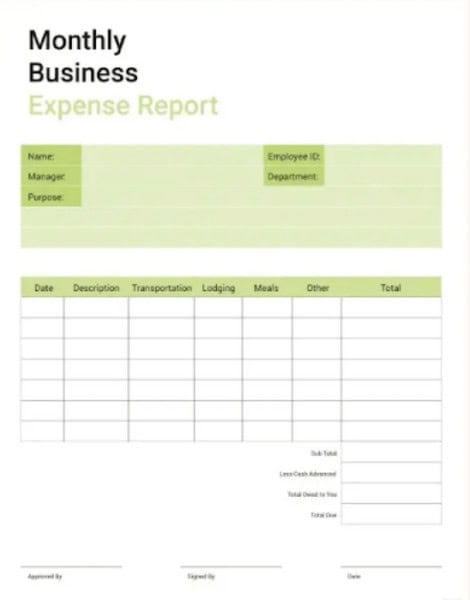
Business Report Template Word 12

Business Report Template Word 13
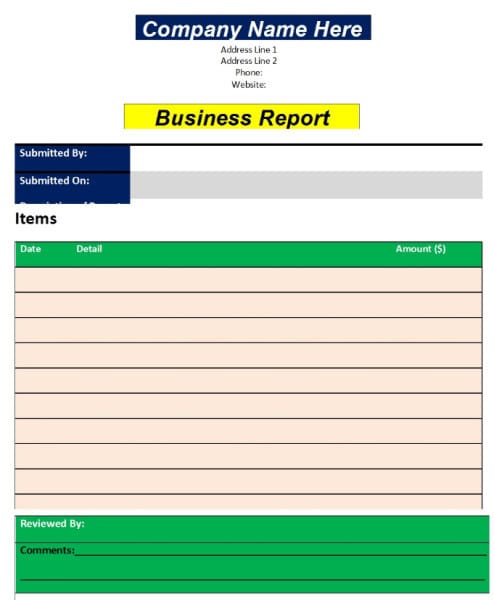
Business Report Template Word 14
Business Report Template Excel
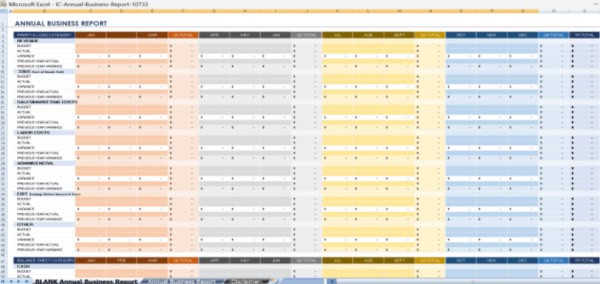
Business Report Template Excel
Business Report Template PPT

Business Report Template PDF
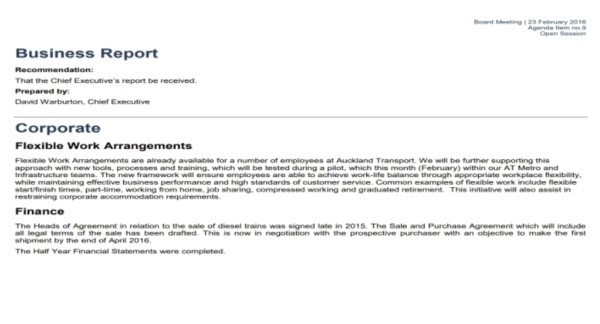
Business Report Template PDF 1

Business Report Template PDF 2

Business Report Template PDF 3

Business Report Template PDF 4
Business Report Best Practices
Producing a high-quality business report requires more than filling in a template. Following a structured approach from the outset will ensure your report is clear, credible, and useful to its intended audience.
- Create a Plan of Action: Before writing, identify the purpose of the report and the audience it is intended for. Knowing what decisions the report needs to support helps you focus on the most relevant data and avoid including information that adds length without adding value.
- Check for an In-House Format: Many organizations have established reporting formats for consistency. Ask your supervisor whether a standard template exists before creating your own. If no internal format is available, default to a recognized professional standard that aligns with your industry.
- Add a Title: Your title should accurately reflect the report’s content and scope. Include the names of all contributors involved in producing the report, as this establishes accountability and provides readers with a point of contact for follow-up questions.
- Add a Summary or Abstract: An executive summary allows senior stakeholders who will not read the full report to quickly understand the key findings, conclusions, and recommendations. Write it last, once the full report is complete, to ensure it accurately reflects the content.
- Write an Introduction: The introduction should state the purpose of the report, outline the main argument or hypothesis, and provide sufficient background for the reader to understand the context. Avoid jumping straight into findings without this framing.
- Present Your Findings: The main body of your report should present data in a logical, well-organized sequence. Use headings, subheadings, charts, and tables where appropriate to make complex information easier to absorb. Demonstrate that your findings are based on thorough, credible research.
- Give a Conclusion or Recommendation: Do not end your report abruptly after presenting findings. Provide a conclusion that synthesizes what the data means, and where appropriate, offer practical recommendations for next steps or policy changes that stakeholders can act on.
Video About Business Report Templates
Watch this helpful video to see how business report templates work in practice. It covers key design tips and walks you through 20+ ready-to-use templates, making it easier to create polished, professional reports quickly and confidently.
Conclusion
Business reports are among the most valuable tools an organization has for communicating information, supporting decisions, and managing performance. By using the right template for the right report type, and by following best practices for structure and content, teams can produce documents that are not only informative but genuinely useful to the people who read them.
The templates available in Word, Excel, PowerPoint, and PDF formats provide a strong starting point for any reporting need. Selecting the appropriate format and type from the outset, then applying a disciplined approach to writing and presentation, will help your organization build a reporting culture that drives clarity, accountability, and better outcomes over time.
Business Report FAQs
What do all business reports have in common?
Regardless of type or format, every business report shares a common purpose: tracking business activities and gathering reliable data. They all follow some form of structured layout to ensure information is presented clearly and can be referenced accurately over time.
What is the most crucial part of a business report?
The body or discussion section is generally considered the most critical component. This is where findings are presented in detail, supported by facts and analysis. It should be organized with clear headings and subheadings so readers can navigate to the information most relevant to them.
Who reads a business report?
Business reports are read by a wide range of audiences depending on their purpose. Internal reports are reviewed by management, team leads, and employees, while formal reports may be shared with investors, shareholders, lenders, or prospective business partners.
Should a business report be accurate?
Accuracy is non-negotiable in business reporting. All data and facts included must be verified and true. Inaccurate reports can lead to flawed decisions, damage credibility, and in some cases create legal or compliance risks for the organization.
How long should a business report be?
There is no universal rule on length. A report should be as long as it needs to be to cover the subject thoroughly, and no longer. The priority is clarity and completeness rather than word count. An executive summary helps ensure that readers at all levels can get value from the report regardless of its length.
Suggested articles:

Shane Drumm, holding certifications in PMP®, PMI-ACP®, CSM, and LPM, is the author behind numerous articles featured here. Hailing from County Cork, Ireland, his expertise lies in implementing Agile methodologies with geographically dispersed teams for software development projects. In his leisure, he dedicates time to web development and Ironman triathlon training. Find out more about Shane on shanedrumm.com and please reach out and connect with Shane on LinkedIn.