
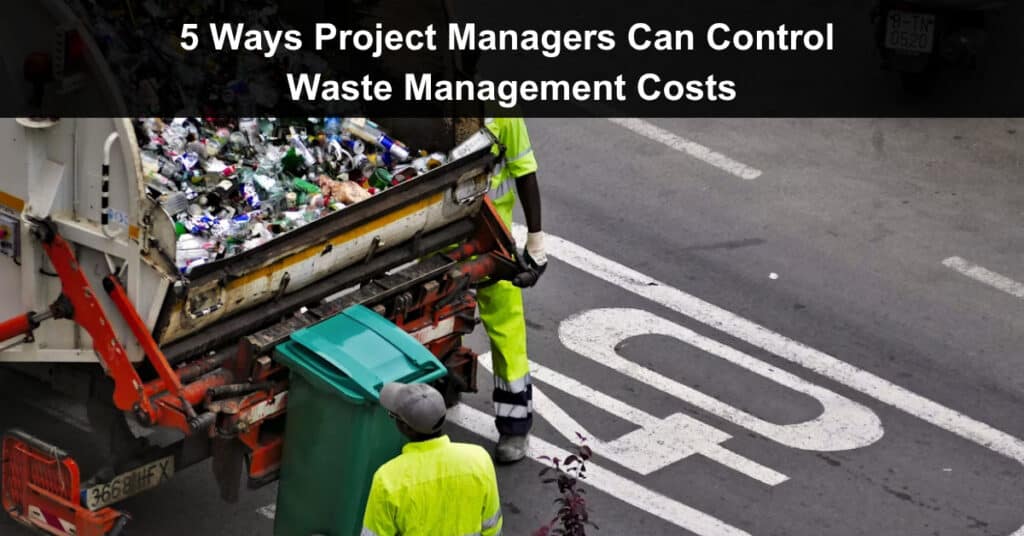
Waste management can easily become an overlooked part of a project budget. A renovation creates rubble, a construction job produces timber and packaging, and landscaping work leaves soil and branches behind. Left unplanned, these materials can quickly push disposal costs beyond expectations. For project managers, the real goal is planning waste properly from the start.
Here are five practical ways to keep those costs under control.
1. Estimate Waste Before the Project Begins
Waste should be considered during the planning stage rather than after work has already started. Looking closely at the materials a project expects to use makes it possible to estimate how much waste those materials could produce. A basic forecast at the outset gives the team a clearer starting point for later decisions around waste management, collection, containers and budget.
That early groundwork makes every decision afterward easier.
- List Expected Materials: Plasterboard, timber, soil, packaging, metal and general waste should all be identified early, since knowing what a project will generate makes later planning decisions far more accurate.
- Build a Basic Forecast: A simple list of materials and approximate quantities gives the project team something concrete to work with when deciding on collection methods and realistic budget figures.
- Avoid Last-Minute Decisions: Estimating waste early prevents rushed, costly choices once work is already underway, giving the team time to compare options and negotiate better rates in advance.
2. Choose the Right Waste Container
One of the easiest ways to waste money on a project is choosing the wrong container. Getting the size, type, and placement right from the start helps avoid paying for capacity the project never actually uses, while keeping the site organised, collections running smoothly, and workers able to move around without unnecessary obstruction or delay.
A few checks before booking can prevent a costly mistake.
- Match Size to Volume: A waste container that’s too small may require an additional collection, while one too large means paying for capacity the project never uses, wasting money either way.
- Consider Waste Type: The right waste container depends on what materials are being disposed of, not simply on volume, since different waste types often need different handling requirements.
- Think About Placement: Positioning a container somewhere convenient for workers reduces unnecessary movement around the site, helping the team stay organised throughout the project.
- Check Details Before Booking: Confirm accepted waste types, collection arrangements, hire period and any additional charges beforehand, since a few minutes of research prevents unpleasant surprises later.
3. Separate Waste Where Practical
Not all waste needs to go into the same container on site. Separating materials such as timber, rubble, metal and plasterboard makes recycling and disposal considerably easier, while also revealing useful information about where a project’s waste is really coming from and why it’s being generated across different stages of a project’s timeline, not only near completion.
That information can be surprisingly useful for cost control too.
- Sort by Material: Separating timber, rubble, metal and plasterboard into different containers supports easier recycling and disposal, often reducing costs by avoiding mixed-waste processing fees later.
- Track Waste Sources: Understanding which materials generate the most waste can highlight inefficiencies elsewhere in the project, giving managers a clearer picture of where improvements are needed.
- Feed Insights Back to Procurement: If a project consistently produces more packaging than expected, procurement teams may be able to reduce it or adjust ordering quantities, cutting waste and cost together.
- Connect Waste to Cost Control: The less unnecessary material a project produces overall, the less it typically needs to spend removing that material later on.
4. Include Waste Costs in the Original Budget
Waste disposal should never be treated as an afterthought once a project is already underway. Building these costs into the original budget from day one helps avoid scrambling for extra funds later, while also giving the team a realistic sense of true project costs before work has even begun on site or materials have been ordered.
It also protects against the unexpected, which every project eventually faces.
- Account for Core Costs: Include container hire, collection fees, any required permits and disposal charges as standard line items within the original project budget from the outset.
- Build in a Contingency: Projects rarely go exactly to plan, since materials may need replacing, extra resources could be required, or a renovation might uncover unexpected debris.
- Plan for Flexibility: A small financial buffer makes these unexpected situations far easier to manage without derailing the wider project budget or schedule.
5. Work With an Appropriate Waste Provider
The cheapest quote available is not always the best option for a project. Checking exactly what a provider offers, and confirming whether they’re properly authorised to handle the relevant waste, matters more than price alone and can prevent serious compliance issues from surfacing later once work is already well underway on site or after materials have been collected and removed.
A little diligence upfront saves considerable hassle later.
- Confirm What’s Included: Understand the full scope of the waste management service being offered before committing to any quote, since hidden exclusions can lead to unexpected costs later on.
- Verify Authorisation: Government guidance recommends checking that waste carriers are properly authorised to transport waste, helping ensure the project stays fully compliant with legal requirements.
- Keep Proper Documentation: Businesses have clear responsibilities when transferring commercial waste, so maintaining suitable records is an important part of overall project administration.
- Do the Legwork Upfront: A few minutes spent verifying a provider’s credentials and service scope can help avoid much bigger problems and unexpected costs later in the project.
Real Life Example: Managing Waste on a Cardiff Project
Consider a small commercial renovation project taking place in Cardiff, where various materials need careful handling throughout construction. The project manager expects a mixture of rubble, timber and plasterboard to be generated across different phases of the work, from initial demolition through to final handover once the renovation nears completion and its finishing stages approach on site.
Rather than treating everything as general waste, separate disposal options are worth exploring. For projects in the area, GD Environmental skip hire in Cardiff provides an example of the type of local service a project manager might research when planning waste removal. The wider lesson applies to projects anywhere: check the waste type, container requirements, hire period and any local permit requirements before making arrangements.
Keep Waste Management Under Control
Waste may only represent one part of a much larger project budget, but small overlooked costs can accumulate surprisingly quickly over time. Good planning gives project managers far greater control over both spending and scheduling, reducing the risk of unexpected charges appearing once work has already begun and materials start moving across the site each day.
Most importantly, review waste throughout the project rather than waiting until the end. When waste management is treated as part of project planning, there are fewer surprises — and for a project manager, fewer surprises usually means better control over both the budget and the schedule.
Suggested articles:
- 12 Deadly Internal Failure Costs That Kill Projects
- Smarter Cost Tracking to Prevent Project Budget Overruns
- 27 Risk Category Examples for Project Managers

Daniel Raymond, a project manager with over 20 years of experience, is the former CEO of a successful software company called Websystems. With a strong background in managing complex projects, he applied his expertise to develop AceProject.com and Bridge24.com, innovative project management tools designed to streamline processes and improve productivity. Throughout his career, Daniel has consistently demonstrated a commitment to excellence and a passion for empowering teams to achieve their goals.