
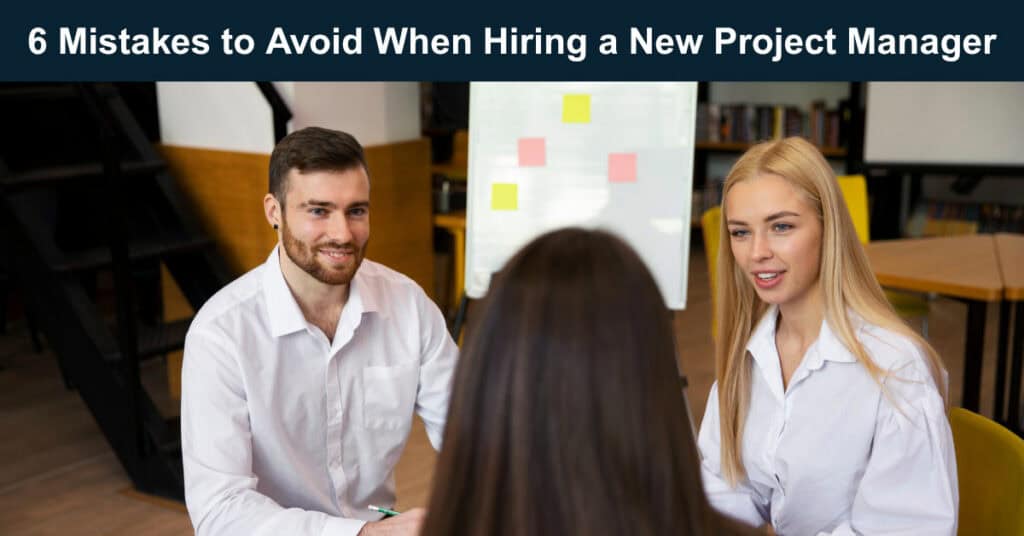
Hiring a project manager is one of the highest-stakes decisions a business makes, because the right person keeps timelines, budgets, and teams in balance. The wrong appointment can stall delivery, inflate costs, and drain morale from a group that once ran well. Many organizations still rush this choice, leaning on convenience and credentials rather than a deliberate, structured evaluation of what the role really needs.
The cost of a poor hire reaches far beyond one failed project, damaging client relationships, slowing growth, and hurting reputation. Six avoidable mistakes produce most of these outcomes, from skipping background checks to overvaluing certifications. Recognizing each error and learning to sidestep it greatly improves your odds of onboarding a project manager who truly fits and delivers on time, within budget, and without unnecessary drama.
1. Not Conducting Background Checks
Skipping verification when filling an open role is tempting during a hiring crunch, yet it exposes the company to real and avoidable risk. A project manager handles sensitive information, project budgets, and relationships with key stakeholders every day. A thorough check can reveal problems with employment history, legal issues, or credentials that were never genuinely earned.
Run every one of these background checks on your finalists:
- Verify Employment History: Confirm that the dates, job titles, and responsibilities on the resume actually match what previous employers report during a careful reference check before you extend an offer.
- Run Criminal Checks: Use services such as an online Triton Canada criminal record check to flag legal issues or other hidden red flags early in the process.
- Confirm Credentials: Make sure degrees and certificates are genuine, still current, and issued by accredited institutions or recognized professional bodies.
Real-Life Example: A mid-size software firm hired a charismatic candidate who had overstated his delivery record on the resume. A routine employment and criminal background check revealed a fabricated work history, so the job offer was withdrawn before the misstep could cause any real or lasting harm to the business.
2. Overlooking Industry-Specific Experience
Strong project management skills do not transfer automatically across sectors, and a candidate who excels in software delivery may stumble badly in construction, manufacturing, or healthcare. Your industry carries its own regulations, vocabulary, and specific risks. A manager who ignores them makes poor calls that echo through the entire project from planning all the way to closeout.
Probe for genuine sector understanding during the interview this way:
- Review Sector History: Look for prior roles inside your own industry instead of experience in adjacent or completely unrelated fields that transfer poorly.
- Probe Regulatory Know-How: Ask how they handled compliance, safety rules, and quality standards that are genuinely unique to your particular market.
- Test Problem-Solving: Present a realistic scenario drawn from your business and watch how they reason through it completely while under interview pressure.
Real-Life Example: A construction firm once hired a brilliant software project manager who simply could not grasp site safety rules or permit timelines. His early decisions caused costly delays until the firm replaced him with a manager who genuinely understood the trades and how work actually happened on the ground.
3. Ignoring Cultural Fits
A manager who clashes with how your company works will struggle to earn trust and drive results, no matter how strong the resume reads. Cultural fit shapes communication, decision-making, and how teams respond under pressure. The best hires feel like a natural extension of the team from the first week, not outsiders forcing their own style onto the group.
Judge how well candidates fit your culture using these techniques:
- Include the Team: Let future colleagues interview the candidate so you gather honest reactions from several points of view before you make a decision.
- Ask Situational Questions: Present realistic scenarios that reveal leadership style, core values, and how the candidate actually resolves tension with others.
- Observe Communication: Notice whether their tone and pacing match how your people prefer to collaborate, give feedback, and share important decisions together.
Real-Life Example: A startup rejected a highly qualified director because she thrived on rigid hierarchy while the team prized autonomy and quick decisions. A later candidate who loved open dialogue and fast iteration fit effortlessly, and the group shipped new features to market sooner within just two months of her arrival.
4. Not Evaluating Soft Skills
Technical knowledge alone never made a great project manager, because the role also demands clear communication, negotiation, and calm problem-solving under pressure. The manager stands between clients, executives, and the delivery team every single day. Conflict resolution, relationship building, and emotional intelligence often decide whether a project brings people together or pushes them apart.
Look for these essential interpersonal qualities during your early talks:
- Gauge Communication: Listen for clarity, active listening, and the ability to explain complex ideas simply and honestly to completely different audiences.
- Test Conflict Handling: Ask how they mediated a dispute between stubborn team members or demanding senior stakeholders without ever taking sides.
- Watch Influencing Style: Learn whether they persuade without formal authority and earn respect through trust, consistency, and steady follow-through.
Real-Life Example: One manager produced flawless schedules but ignored simmering team tensions until two senior engineers quietly resigned and morale dropped sharply. Her replacement, skilled at honest, steady one-on-one conversations, rebuilt goodwill quickly and restored the group’s genuine momentum and strong trust within just a few short weeks of her start.
5. Failing to Assess Adaptability
A project manager who can execute a plan but freezes when reality shifts is a liability, because scope, market conditions, and client requests change quickly. Rigid thinking turns a small surprise into a major disruption that delays delivery and demoralizes the team. Flexibility and a proactive attitude are the keys to success in today’s dynamic business environment.
Reveal a candidate’s true adaptability through these sharp, focused questions:
- Prioritize Adaptability: Focus on candidates who show adaptability and a clear willingness to learn when circumstances shift suddenly in the middle of a project.
- Ask About Pivots: Ask about previous projects that needed to pivot because something unexpected came up along the way without warning.
- Probe Uncertainty Handling: Look at how they handled the uncertainty and kept the project moving despite growing chaos and constantly changing demands.
Real-Life Example: A consulting team hired a planner who followed the roadmap rigidly even as client priorities changed almost monthly. When he finally missed a key client deadline, leadership replaced him with a flexible thinker who adapted quickly, revised the entire plan, and recovered the lost ground within just a few weeks.
6. Overemphasizing Certifications
Certifications such as the PMP carry real weight, yet too many hiring managers treat them as proof of job readiness. A certificate shows command of methodologies, but it says little about practical judgment or leadership effectiveness in the field. The ideal candidate brings both formal training and hard-won experience, and your selection process should honor that balance.
Put formal credentials in perspective against proven track records this way:
- Value Proven Results: Put real project outcomes ahead of paper qualifications when you compare serious candidates side by side for a role.
- Scrutinize Method Fit: Ask which methodologies they actually use and whether those approaches fit your workflow and team preferences.
- Detect Credential Inflation: Watch for candidates who lean on letters after their name instead of concrete achievements and measurable wins.
Real-Life Example: One team chose a PMP-certified applicant over a hands-on manager, only to watch the certified hire struggle with practical realities on the job. The experienced candidate later turned a stalled project around in just a few months by relying on judgment that no written examination could ever measure.
Conclusion
Hiring a project manager demands more than checking qualifications and scanning a resume. The best appointments emerge when you verify backgrounds, respect industry knowledge, weigh cultural fit, and value soft skills as much as hard ones. Adaptability matters, and credentials should never outshine a proven record of delivery. Every one of the six mistakes above is avoidable with a deliberate process.
Build a structured interview flow that tests character and judgment, not just knowledge, and involve the team in the final decision. Ask real-world questions, and check references before you commit. A thoughtfully chosen project manager keeps projects on schedule, protects budgets, and lifts the whole organization. Your investment in a careful search pays back in smoother delivery and lasting success.
Frequently Asked Questions About Hiring a Project Manager
What background checks should I run on a project manager?
Run employment verification, criminal record checks, and credential validation on every final candidate. Confirm that prior job dates, titles, and responsibilities match what their resume claims, and verify any degrees or certifications with the issuing institution. A structured background check reduces the chance of hiring someone who misrepresents their history or poses a risk to the organization.
How important is industry-specific experience when hiring a project manager?
Very important, because every sector brings its own regulations, safety rules, and common risks. A manager who has already worked in your industry understands its language and avoids costly missteps from day one. That said, generalists can still succeed if they study the sector quickly and work closely with experienced team members. Prioritize relevant experience, but keep an open mind for adaptable candidates.
Can a project manager with a strong culture fit but less experience still succeed?
Yes, especially when the candidate shows strong communication, learning speed, and a genuine match with your values. Culture fit often determines how quickly a manager earns trust and how willingly teams follow their lead. Organizations have successfully hired less experienced but highly adaptable people and trained them up. Weigh cultural alignment against missing technical experience, and include the team in that judgment.
Why are soft skills more important than technical certificates for project managers?
Because a project manager’s daily work revolves around people, not just tools and templates. Clear communication, conflict resolution, negotiation, and empathy shape whether a project succeeds, while certificates only prove knowledge of a methodology. A technically strong manager who cannot influence others still fails to keep work moving. Soft skills are harder to teach, so they deserve serious weight in hiring.
How can I assess a candidate’s adaptability during the interview?
Ask candidates to describe a time when a project pivoted because of unexpected scope, market, or client changes. Ask what they did when the plan broke and how they kept the team engaged through the uncertainty. Look for specific actions, concrete examples, and a calm, solution-oriented tone. Follow-up questions reveal whether they genuinely adapt or simply describe what they think you want to hear.
Suggested articles:
- Project Hiring Challenges in 2026: What Every Project Manager Should Expect
- How to Find the Right Team Members for Your Project
- How to Build and Manage High-Performing Project Teams

Daniel Raymond, a project manager with over 20 years of experience, is the former CEO of a successful software company called Websystems. With a strong background in managing complex projects, he applied his expertise to develop AceProject.com and Bridge24.com, innovative project management tools designed to streamline processes and improve productivity. Throughout his career, Daniel has consistently demonstrated a commitment to excellence and a passion for empowering teams to achieve their goals.