
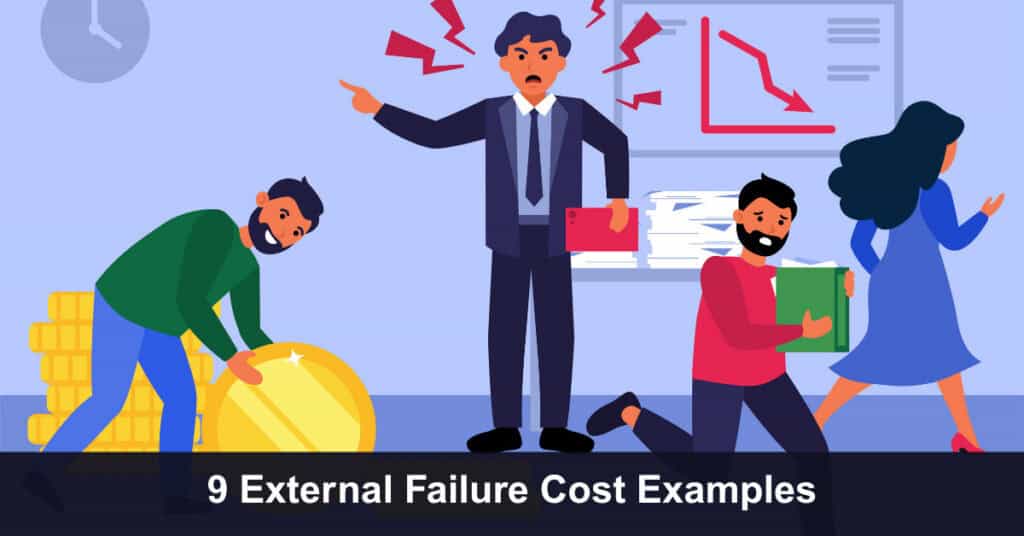
External failure costs are costs incurred due to defects in products or services that have been delivered to customers. In manufacturing, these costs can arise from scrap, rework, or warranty claims. In service industries, they can stem from customer churn, lost productivity, or damage to long-term client relationships. Regardless of the industry, the financial and reputational impact of these failures can be far-reaching and long-lasting.
Project management is all about anticipating and mitigating risks. While many risks are internal to the project itself, external risks can also impact a project in significant ways. One of the most significant external risks is the cost of failure. When failure costs are not properly managed, they can derail even well-planned projects, making it essential for project managers to build awareness and prevention strategies into their workflows from the outset.
What Are External Failure Costs?
External failure costs are the costs associated with defects discovered after a product or service has been delivered to the customer. Unlike internal failure costs, which are caught and corrected before delivery, external failure costs are more damaging because they directly affect the customer experience and the company’s reputation.
These costs can include warranty claims, product recalls, legal fees, and lost business, and are typically identified through appraisal cost analysis. Because they occur after the product or service has already left the organization’s control, they are often more expensive and more difficult to resolve than failures caught earlier in the process.
Causes of External Failure Costs
Failure costs can come in many forms, from the direct cost of repairing or replacing damaged equipment to the indirect cost of lost productivity and missed business opportunities. While some of these costs are covered by insurance, others are not, which is why it is critical to have a proactive plan for identifying and managing them before they escalate.
One of the most common causes of external failure costs is scope creep. This occurs when the scope of a project grows beyond what was originally planned, often causing the project to go over budget and fall behind schedule. When teams are stretched thin trying to accommodate unplanned additions, quality control tends to suffer, and defects that might otherwise have been caught internally end up reaching the customer.
Other common causes include:
- Inadequate planning at the project outset
- Poor communication between teams or departments
- Unrealistic expectations set with clients or stakeholders
- Insufficient quality assurance processes
- Lack of employee training or oversight
External failure costs can be divided into two categories:
Direct Costs
Direct costs are immediately incurred as a result of a failure. For example, the cost of repairing damage to property, replacing a defective product, or processing a warranty claim. These costs are usually straightforward to measure and can be traced back to a specific incident or defect.
Indirect Costs
Indirect costs are not immediately incurred but may be felt over time, such as the loss of future business opportunities, damage to brand reputation, or declining customer loyalty. These costs are harder to quantify but are often far more damaging to an organization in the long run.
Managing External Failure Costs
In any project, costs incurred due to external failures can quickly add up and eat into the budget. To avoid this, it is important to have an effective system in place that not only identifies these costs when they occur but also prevents them from arising in the first place. A key first step in avoiding project failures is establishing a clear process for identifying and classifying external failures.
This process should be designed to ensure that all relevant costs are captured and accounted for, and that no failure goes unexamined. Without this foundation, it becomes very difficult to understand patterns, assign responsibility, or implement meaningful improvements. Once external failures have been identified and classified, strategies can be developed to mitigate or reduce them.
Effective steps include:
- Encouraging employees at all levels to report quality problems without fear of blame
- Improving communication between departments to catch issues before they reach customers
- Requiring employees to document quality problems in a standardized way for future reference
- Implementing a dedicated quality improvement team to oversee corrective actions
- Conducting a thorough root cause analysis on all external failures to understand the underlying issues
- Taking swift corrective action to prevent the same failures from recurring
- Monitoring failure costs on an ongoing basis and reporting trends to leadership
By embedding these practices into everyday operations, organizations can significantly reduce the frequency and severity of external failures over time.
Examples of External Failure Costs
1. Lost Productivity
Lost productivity refers to a reduction in efficiency and output resulting from factors such as absenteeism, low morale, or ineffective use of time and resources. When external failures occur, teams often have to drop their regular work to deal with customer complaints, emergency fixes, or crisis communications, all of which divert time and energy away from value-adding activities. For example, a company that experiences a sudden increase in employee sick leave or that must redeploy staff to handle a product recall may see a measurable decline in overall productivity that negatively impacts its bottom line.
2. Customer Churn
Customer churn refers to the loss of customers due to dissatisfaction with a product or service, the availability of competitive alternatives, or other reasons. It is one of the most financially damaging consequences of external failure because acquiring a new customer is significantly more expensive than retaining an existing one. For instance, a telecom company may experience high churn if it raises prices, decreases network quality, or fails to keep pace with new technology. Over time, consistent failure to meet customer expectations can erode an entire customer base, making churn rate one of the most important metrics a business can monitor.
3. Scrap Costs
Scrap costs are associated with the production of defective or unusable products that cannot be sold, repaired, or repurposed. They are a direct result of poor quality control procedures, inadequate employee training, or faulty machinery. A manufacturing company producing defective goods due to any of these factors may incur significant scrap costs that eat into profit margins and, in some cases, trigger broader production shutdowns while root causes are investigated and resolved.
4. Rework Costs
Rework costs refer to the costs associated with fixing errors or defects in a product or service after it has been delivered. These costs go beyond simply fixing the issue — they also include the management time spent coordinating the rework, the potential for additional errors introduced during the correction process, and any customer goodwill lost in the meantime. For example, a construction company may incur significant rework costs if it must address structural problems in a building after completion, covering the cost of additional materials, specialized labor, and project delays.
5. Damage to Reputation or Brand Image
Reputation and brand image are among a company’s most valuable and most fragile assets. They can be severely and sometimes permanently damaged by product recalls, safety issues, data breaches, or other high-profile failures. For example, a car manufacturer that issues multiple safety recalls in a short period may suffer lasting damage to consumer trust, leading to decreased sales, negative media coverage, and long-term revenue decline. Rebuilding a damaged reputation often requires years of consistent performance and significant marketing investment.
6. Lost Sales and Revenue
Issues with a company’s products or services can result in immediate and sustained losses in sales and revenue. Customers who experience problems are not only likely to stop buying — they are also likely to share their negative experiences with others, amplifying the financial damage through word of mouth and online reviews. For instance, if a smartphone company releases a product with numerous bugs, customers may switch to competitors, and prospective buyers may be discouraged from purchasing. This kind of revenue loss can be very difficult to recover from, particularly in highly competitive markets.
7. Increased Production Costs Due to Rework and Scrap
When work must be redone or products must be scrapped and remade, it leads to increased production costs through wasted materials, additional labor hours, and machine time. These costs compound quickly, especially in high-volume manufacturing environments. For example, if a garment manufacturer has to redo a batch of shirts made in the wrong size, the cost of extra labor and materials increases production costs significantly. Over time, recurring rework and scrap issues can render an entire production line unprofitable and signal the need for a fundamental review of quality management processes.
8. Warranty Claims
Warranty claims are one of the most common and administratively burdensome types of external failure costs. When a customer discovers a defect in a product, they can file a warranty claim with the manufacturer, who must then repair or replace the product at their own expense. Beyond the direct cost of the repair or replacement, warranty claims also consume customer service resources, generate negative customer sentiment, and can alert regulators to systemic product issues if they become frequent enough.
9. Product Recalls
If a product is found to be defective, particularly if it poses a safety risk, the manufacturer may be required or compelled to issue a recall. Product recalls are among the most costly and disruptive types of external failure events a company can face. The process typically involves notifying customers, arranging for the return of defective products, providing replacements or refunds, investigating the root cause, and overhauling production processes. Beyond the direct financial costs, recalls attract intense media scrutiny and can permanently alter public perception of a brand.
Additional External Failure Cost: Legal Fees
Legal fees deserve special mention as a standalone external failure cost category. If a company is sued over a defective product, a service failure, or a breach of contract resulting from poor quality, the resulting legal expenses can be very substantial. Legal proceedings are time-consuming, resource-intensive, and unpredictable in their outcomes. In addition to attorney fees and court costs, companies may face settlement payments, regulatory fines, and mandatory remediation requirements. In the most serious cases, litigation arising from external failures can threaten the financial viability of the entire organization.
Consequences of External Failure Costs
External failure costs can have a devastating impact on a project and are often difficult to predict or fully calculate until significant damage has already been done. Left unaddressed, they have the potential to compound, with one failure triggering a cascade of financial, operational, and reputational consequences. Key consequences include:
- Increased Overall Project Costs: External failure costs are typically charged at a higher rate than internal failure costs, driving up total expenditure. When these costs are not budgeted for, they can force organizations to divert funds from other areas, delay future projects, or seek additional financing.
- Project Schedule Delays: Locating and remediating the issues that caused the failure takes time, pushing back delivery timelines. These delays can have knock-on effects for dependent projects, contractual obligations, and customer commitments.
- Loss of Stakeholder Confidence: External failures are often perceived as a sign of poor project management or inadequate quality control, eroding trust among stakeholders. Once confidence is lost, it can be very difficult to rebuild — particularly if stakeholders have experienced financial losses as a result of the failure.
- Regulatory and Legal Exposure: In some industries, external failures that affect public safety or violate contractual obligations can trigger regulatory investigations, fines, or legal action, adding another layer of cost and complexity.
Tips to Reduce External Failure Costs
External failure costs are often among the largest cost categories for a company, yet many of them are preventable with the right systems and culture in place. Here are practical ways to reduce them:
- Improve Process Quality: Reducing defects at the source through better process design, tighter quality controls, and regular audits is the most effective long-term strategy for minimizing external failure costs. Investing in quality up front is almost always cheaper than dealing with failures after delivery.
- Increase Customer Satisfaction: Satisfied customers are less likely to churn, file warranty claims, or pursue legal action. Actively gathering and acting on customer feedback helps organizations identify quality issues before they become widespread failures.
- Invest in Preventive Maintenance: Proactively maintaining equipment, systems, and processes helps prevent the kinds of production failures that lead to defective products reaching customers. A well-structured preventive maintenance program can dramatically reduce both the frequency and severity of external failures.
- Train and Empower Employees: Many external failures can be traced back to gaps in employee knowledge or a culture where quality issues are not reported. Investing in regular training and fostering a culture of quality ownership can have a significant positive impact on failure rates.
- Implement Robust Testing and Inspection Processes: Catching defects before they reach the customer is always preferable to dealing with the consequences afterward. Rigorous testing, inspection checkpoints, and pre-delivery reviews are all essential tools for reducing external failure costs.
Conclusion
External failure costs represent far more than a line item on a budget; they reflect the cumulative consequence of quality gaps that were not caught in time. From warranty claims to reputational damage, the ripple effects of delivering a defective product or service can outlast the project itself. Organizations that underestimate these costs often find themselves in a cycle of reactive spending that erodes both profitability and stakeholder trust.
The most effective way to manage external failure costs is to avoid them altogether. By investing in robust quality processes, employee training, and proactive risk management, organizations can dramatically reduce the likelihood of failures reaching customers. Prevention is not just a cost-saving strategy; it is a commitment to delivering consistent value and maintaining the trust that every successful business depends on.
Frequently Asked Questions
What are external failure costs?
External failure costs are costs incurred when a product or service fails to meet customer requirements after delivery. They can include repair or replacement costs, warranty claims, legal fees, and costs associated with lost productivity or revenue. External failure costs are typically much higher than internal failure costs, as they occur after the product or service has left the organization’s control and directly affect the customer experience. The broader the impact of the failure, the greater the potential cost — both financially and reputationally.
How do you manage external failure costs?
Effective management starts with a thorough understanding of the risks involved, followed by a clear and actionable plan for addressing them. This includes establishing a system for classifying and tracking failures, conducting root cause analysis to understand why failures occur, and implementing corrective actions to prevent recurrence. It also involves monitoring failure cost trends over time and reporting regularly to leadership so that resources can be allocated appropriately.
Why are external failure costs important in project management?
External failure costs help organizations assess the true financial impact of a project failure and make more informed decisions about risk tolerance and quality investment. By understanding and tracking these costs, project managers can build stronger business cases for quality improvement initiatives, set more realistic budgets, and demonstrate the value of preventive measures to stakeholders. Ignoring external failure costs, on the other hand, often leads to repeated failures and escalating expenses that could have been avoided.
What is measured in external failure costs?
External failure costs are measured in terms of the costs incurred when a project, product, or service fails to meet its objectives after delivery. This typically includes lost revenue, lost productivity, warranty and recall expenses, legal fees, and the long-term cost of reputational damage. Some of these costs are relatively easy to quantify, while others — such as brand damage or lost future business — require estimation and modeling to fully capture.
Suggested articles:
- 12 Deadly Internal Failure Costs That Kill Projects
- The 10 Causes of Project Management Failures
- 7 x Examples of Prevention Cost of Quality

Shane Drumm, holding certifications in PMP®, PMI-ACP®, CSM, and LPM, is the author behind numerous articles featured here. Hailing from County Cork, Ireland, his expertise lies in implementing Agile methodologies with geographically dispersed teams for software development projects. In his leisure, he dedicates time to web development and Ironman triathlon training. Find out more about Shane on shanedrumm.com and please reach out and connect with Shane on LinkedIn.