

Small teams face project management challenges that differ markedly from those of larger teams. In this article, you’ll find practical project management tips you can apply to creative, consulting, or implementation projects. As a project manager, you’re often balancing quality, deadlines, and budgets all at once. With a smaller team, there is usually much less room for delays or mistakes. Because of that, pressure can build quickly, leading not only to delivery issues but also to team burnout.
Here are some tips to help you manage projects more smoothly and keep your team on track.
10 Project Management Best Practices to Adopt Today
If you want your projects to run smoothly and avoid unnecessary delays, costs, or confusion, it helps to follow a few proven project management practices. Here are 10 project management best practices that can help any organization stay organized, reduce mistakes, and deliver work more successfully.
1. Confirm Capacity Before Taking on New Projects
For a small agency, consultancy, or software team, every new project can feel like a chance to grow. That often makes it difficult to turn work down. But when your team is already busy with current deadlines, adding more projects without checking availability can create problems. It may lead to overworked employees, frustrated existing clients, and disappointing outcomes for new ones.
That is why capacity planning matters. Before agreeing to new work, take time to review your team’s workload, timelines, and upcoming time off. Using an employee scheduling tool like Homebase can make it easier to see availability, shift coverage, and time-off conflicts before committing your team to new work.
Many project managers begin by relying on memory, spreadsheets, or capacity planning tools. Relying on memory alone is rarely enough. It is easy to miss details such as employee leave, overlapping deadlines, or shared team responsibilities. Spreadsheets can help track team capacity, especially in the early stages. They give you a simple way to map workloads and spot gaps. At the same time, they can become harder to manage as projects grow, particularly when multiple people need to update and review the same information.
2. Set Expectations Early
Setting expectations early matters in every project, but it becomes even more important when you are working with a small team. Smaller teams often feel pressure to promise quick delivery, even when workloads are already full. That can lead to missed deadlines, project issues, and team burnout. One-third of projects did not use a visual representation of the schedule, which PMI notes can affect clarity in communication and reporting.
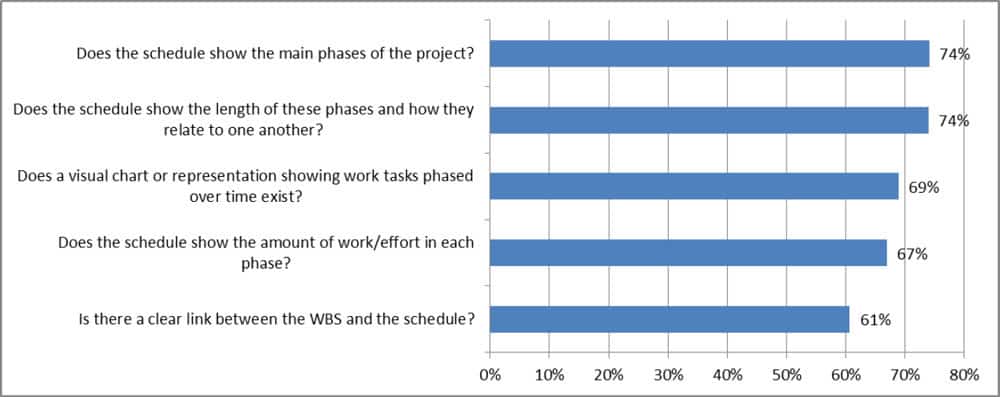
Clear expectations should be set at the beginning of the project, during the planning stage. This helps everyone understand what the project involves, what success looks like, and what can realistically be delivered.
- Start by Defining Project Goals: Clear goals give direction to the work and help teams stay aligned as the project moves forward. When objectives are agreed on early, it becomes easier to make decisions and avoid confusion later.
- Establish the Project Scope: A documented scope outlines what is included in the project and what is not. This helps teams prioritize work and reduces the likelihood of last-minute changes that create unnecessary pressure or affect billing.
- Map the Schedule Visually: Tools with timeline or Gantt chart views, such as Toggl Plan, can make project schedules easier to understand. A visual timeline gives both the team and the client a clearer picture of deadlines, dependencies, and shared resources, especially in more complex projects.
3. Add Milestones to Your Schedule
Breaking a project into phases and setting milestones along the way makes it easier to manage progress. Milestones help teams track what has been completed, what is coming next, and whether the project is moving as planned. They also help manage client expectations and reduce risk by creating clear checkpoints throughout the work.
Milestones can also help keep teams motivated. Reaching smaller targets along the way often feels more manageable than focusing only on the final deadline. A good way to identify milestones is to begin with a project roadmap. This gives a high-level view of the full schedule and helps both the team and the client understand the overall timeline.
Once the roadmap is clear, divide it into phases. Each phase should represent a meaningful stage of the project, ideally ending with a concrete deliverable or review point. From there, set milestones at the end of each phase. These dates become key checkpoints in the project. Once they are agreed upon, they give the team a shared target to work toward, making it easier to track whether the project is staying on course.
4. Manage Risks
Every project comes with some level of risk. These are the unexpected issues that can disrupt timelines, budgets, or delivery. For small teams, even a minor setback can have a bigger impact, so it is important to spot risks early and plan for them. Good risk management usually involves three steps: identifying potential risks, conducting a risk assessment to understand how they could affect the project, and deciding how to respond. Sometimes the best option is to reduce the chance of a risk happening in the first place.
This might mean adjusting timelines, building in extra time, or planning around known constraints such as weekends, holidays, or staff availability. In other cases, the risk may already have happened. At that point, the focus shifts to limiting the impact. This could involve reassigning work, updating the project plan, or communicating changes quickly to clients and stakeholders. The more consistently your team looks out for risks, the easier it becomes to address issues before they become larger problems.
5. Ensure Smooth Project Communication
Clear communication plays a major role in project success. It helps clients stay informed, keeps teams aligned, and makes decision-making easier because everyone knows what is happening and what needs to be done next. Poor communication was a contributing factor in 56% of failed projects, according to PMI. One helpful step is to share the project timeline with clients. Regular updates are useful, but a visible timeline gives clients a clearer sense of what is happening, when key work is scheduled, and how changes may affect delivery.
It also helps to keep project information in one place, whether through a shared workspace or a lead management system. When documents, notes, updates, and task details are spread across different channels, teams lose time searching for what they need. A central source of information makes collaboration smoother and reduces confusion. Status updates matter too, but they should be simple and useful. Short stand-up meetings, brief written updates, or automated progress emails can often work better than long status meetings that interrupt the flow of work.
6. Invest in Team Collaboration Tools
Small teams often work across emails, chat threads, shared documents, and meeting notes. When information is scattered, people spend unnecessary time looking for files, checking context, or chasing feedback. That is why collaboration tools can make such a difference. A good system helps teams keep conversations, files, and task details connected, so work moves forward with less friction.
Teams can also support internal communication and visibility through employee advocacy platforms like Supergrow, which help employees share company updates more consistently and stay aligned on messaging.
For small project teams, two features are especially helpful:
- File Sharing: Teams need an easy way to share documents, collaborative spreadsheets, presentations, and other project materials in one accessible place.
- Feedback Management: Whether it is internal review or client approval, collaboration tools should make it easy to comment on tasks, ask questions, and keep feedback tied to the relevant work.
When project information and communication are easier to manage, teams spend less time searching and more time getting work done.
7. Focus on Task Quality from the Start
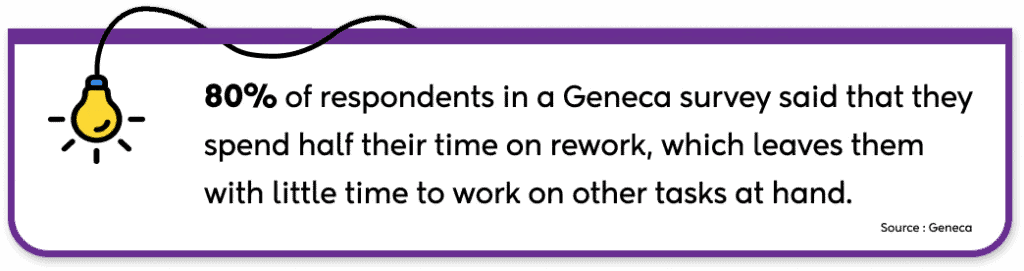
Poor-quality work often leads to rework, and rework can quickly throw a project off course. When small teams have to redo tasks, they lose time, stretch budgets, and add pressure to already busy schedules. That is why improving task quality early is so important. 80% of respondents said they spend at least half their time on rework, according to a Geneca survey on why software projects fail.
One place to start is clear requirement analysis. If the team begins work without well-documented requirements, misunderstandings are almost guaranteed. Before work starts, make sure the project scope and requirements are reviewed and approved by the relevant stakeholders.
It also helps to use task checklists. Regular employee training also helps improve task quality by making sure team members understand processes, standards, and expectations before work begins. A simple quality checklist attached to each task gives team members a way to review their own work before passing it on. This can reduce unnecessary back-and-forth and help catch problems earlier.
Another useful habit is continuous testing. Instead of waiting until the end of the project, review deliverables at each milestone. Regular testing helps maintain quality throughout the project and reduces the chances of major fixes later.
8. Balance Your Team’s Workloads
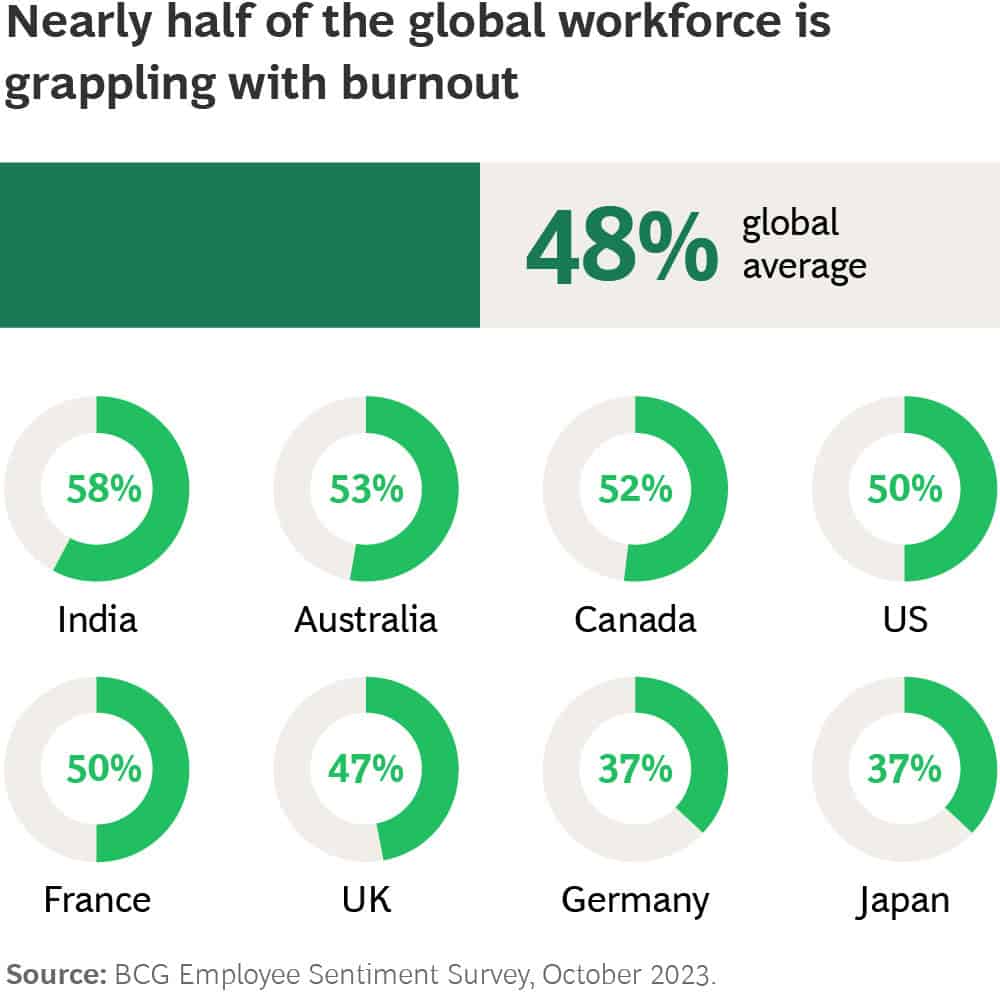
For small teams, workload balance matters just as much as deadlines. When too much work falls on a few people, stress builds quickly, and burnout becomes more likely. Managers may not be able to control vacations or sick days, but they can pay close attention to how work is distributed. 80% of global knowledge workers report feeling overworked and close to burnout, according to Asana’s 2025 resource, citing workplace research.
- First, Understand Team Capacity: Team members are often involved in more than one project, so it is important to know how much work each person is handling, what their availability looks like, and when they are out of the office.
- Assign Work Based on Real Capacity: Tasks should go to people who actually have room to take them on. If the team is already full, it may be better to delay new work than overload people and risk missed deadlines.
- Check in Regularly: Project tools can show planned workloads, but they do not always reflect reality. One-to-one conversations help managers understand whether someone is overloaded and whether tasks need to be shifted or extra support added.
9. Keep Tracking Progress Throughout the Project
Once planning is complete, the next priority is to ensure the work continues to move forward. Projects are delivered successfully when tasks are completed on time, so project managers need clear visibility into how work is progressing and where support may be needed.
A few simple practices can help:
- Visual Timelines: A shared project timeline helps everyone see what is due, what is coming next, and how work connects across the project.
- Task Checklists: These make it easier to see how far a task has progressed and whether all required steps have been completed.
- Regular Updates: Daily stand-ups or weekly progress meetings help teams stay aligned, spot blockers early, and clarify who is responsible for what.
Tracking progress consistently makes it easier to step in before small issues become larger delivery problems.
10. Review the Project and Ask for Feedback
When a project wraps up, the work is not quite finished. This is the stage where teams can reflect on what went well, what caused problems, and what should be done differently next time. Start by collecting feedback from team members and stakeholders. Their input can reveal where the project succeeded and where processes broke down.
Then bring the team together for a review. Use that time to recognize successes, thank contributors, and talk through the challenges that came up during the project. This kind of discussion helps teams learn from experience rather than repeating the same mistakes. A simple post-project review can improve how future projects are planned, managed, and delivered.
Conclusion
Project management in a small team often comes down to making careful decisions with limited time, people, and resources. That is why simple habits matter so much—checking capacity before taking on work, setting expectations early, managing risks, improving communication, and keeping workloads balanced. You do not always need complicated systems to run projects well.
In many cases, clear processes, practical tools, and regular communication are enough to keep work organized and moving in the right direction. When small teams stay realistic about capacity, focus on quality, and keep improving how they work, they give themselves a much better chance of delivering projects on time without burning people out.
Suggested articles:
- New Project Management Firm? Your 5-Step Startup Checklist
- How AI Is Revolutionizing Project Management: From Planning to Delivery
- 25 Advantages of Using Project Management Software

Daniel Raymond, a project manager with over 20 years of experience, is the former CEO of a successful software company called Websystems. With a strong background in managing complex projects, he applied his expertise to develop AceProject.com and Bridge24.com, innovative project management tools designed to streamline processes and improve productivity. Throughout his career, Daniel has consistently demonstrated a commitment to excellence and a passion for empowering teams to achieve their goals.