

A Project Communication Plan is one of the most essential tools in a project manager’s arsenal. In a nutshell, it is a structured document that ensures clear, consistent, and timely communication among all project stakeholders throughout the project lifecycle. As a project manager, you are the central hub through which information flows, the person team members turn to when they need rapid guidance, clear direction, or a decisive answer.
Your ability to communicate clearly and productively is not just a soft skill. It is a core competency that directly determines whether your project succeeds or fails. A well-designed communication plan is what transforms that competency into a repeatable, reliable system that keeps every stakeholder informed, aligned, and moving in the same direction.
What Is a Project Communication Plan?
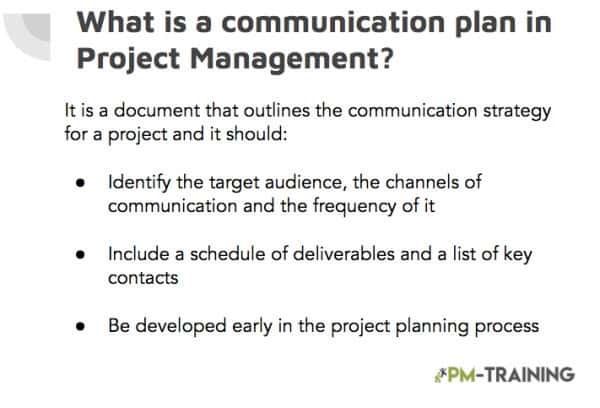
A Project Communication Plan is a formal document that defines how information will be shared across a project, who needs to know what, when they need to know it, and through which channels it will be delivered. It should be tailored to the project’s specific needs and the stakeholders involved, and reviewed and updated regularly as the project evolves.
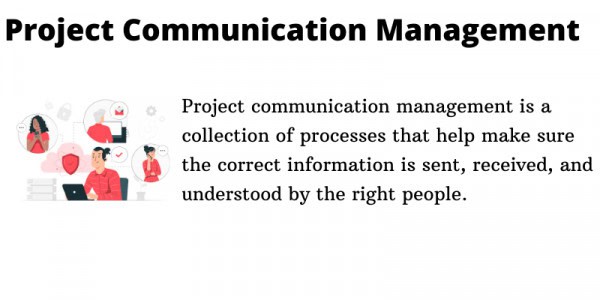
Far from being a bureaucratic formality, a well-crafted communication plan is what separates a good project manager from a great one. It ensures that all stakeholders are kept up to date on progress, that changes and issues are communicated promptly, and that everyone involved is consistently working toward the same goal. When problems arise, and they always do, a strong communication plan ensures they are identified and addressed quickly rather than allowed to compound in silence.
Creating a Project Communication Plan
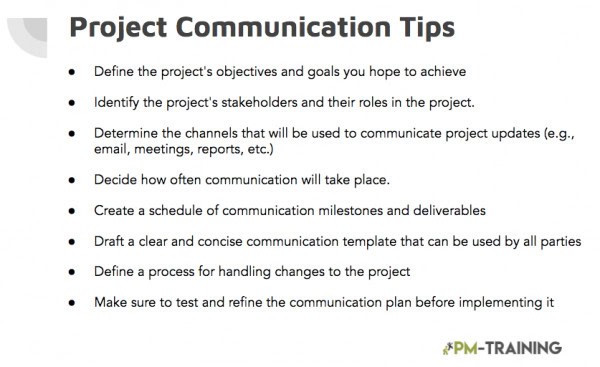
Creating a communication plan can seem like a daunting task, but its core structure is straightforward. A well-built plan addresses five fundamental questions and translates the answers into a clear, actionable framework. Every effective communication plan should include the following elements:
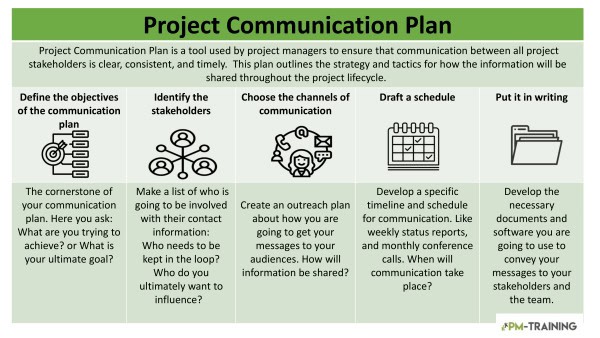
- Define the Objectives: Start by establishing what the communication plan is designed to achieve. What are you trying to accomplish? What does successful communication look like for this project? Clear objectives give the entire plan direction and purpose.
- Identify the Stakeholders: Define your key audience and document who needs to be kept informed, including their contact information and their level of involvement in the project. Consider both those who need regular updates and those who only need to be engaged at key milestones.
- Choose the Communication Channels: Develop an outreach strategy that matches the right communication method to the right audience. Consider email, phone, in-person meetings, video calls, and project management software, and select the channel most appropriate for each type of message and recipient.
- Draft a Schedule: Establish a clear timeline for when communication will take place. This might include weekly status reports, monthly stakeholder calls, or sprint review meetings at the end of each development cycle. Consistency in scheduling builds trust and reduces the need for ad hoc check-ins.
- Put It in Writing: A communication plan is only effective if it is documented. Develop the necessary written records and identify the software or tools you will use to deliver messages to stakeholders and team members. A written plan creates accountability and provides a reference point for the entire project team.
The 5Ws Model for Communication Planning
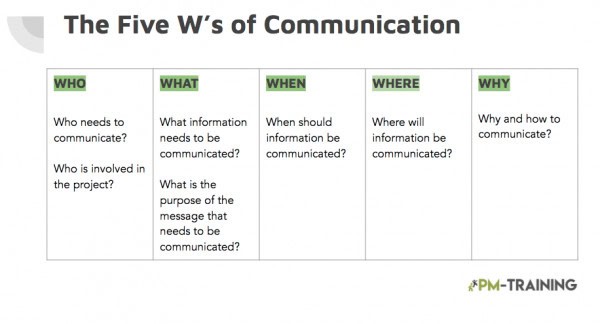
A practical and widely used framework for structuring a project communication plan is the 5Ws model. This model ensures that every communication decision is grounded in clear, purposeful thinking and that no critical dimension of the plan is overlooked. The five elements are:
- Who: Who are the stakeholders that need to receive this communication? Who is responsible for sending it?
- What: What information needs to be communicated? What level of detail is appropriate for each audience?
- When: When will communication take place? How frequently do different stakeholders need to be updated?
- Where: Where will communication be delivered, in a meeting, via email, through a project management platform, or in a formal report?
- Why: Why does this communication matter? What decision, action, or awareness is it intended to support?
By answering these five questions for each communication need within the project, managers can develop a plan that is both comprehensive and purposeful, one that ensures the right information reaches the right people at the right time.
The Benefits of an Effective Communication Plan
The value of a well-executed communication plan extends far beyond keeping people informed. When communication is structured, consistent, and intentional, the benefits ripple across every dimension of the project:
- Improved Stakeholder Communication: A clear plan ensures that all stakeholders receive relevant, timely updates, reducing the risk of surprises, misaligned expectations, and last-minute escalations.
- Clarity of Roles and Responsibilities: When communication is structured and documented, every team member understands what is expected of them, who they report to, and how their work connects to the broader project goals.
- Early Identification and Resolution of Conflict: Regular, open communication surfaces disagreements and misunderstandings before they escalate into project-threatening conflicts, enabling faster and less disruptive resolution.
- Better Risk Management: A communication plan creates the channels through which risks are identified, assessed, and escalated, ensuring that the project team is never caught off guard by issues that could have been flagged earlier.
- Enhanced Team Collaboration: When everyone has access to the same information and understands how to communicate effectively, silos break down, collaboration improves, and the team operates with greater cohesion and shared purpose.
- Better Decision-Making: Informed teams make better decisions. A communication plan ensures that the right people have the right information at the right moment to make confident, well-grounded choices.
- Progress Tracking and Accountability: Structured communication creates a documented record of project progress, decisions made, and actions taken, making it easier to track performance, identify delays, and hold team members accountable.
How to Choose Your Communication Channels
Choosing the right communication channel is just as important as crafting the right message. The most effective channel depends on the audience being reached, the urgency of the information, and the level of detail required. Common communication channels used in project management include:
- Email: One of the most widely used channels in project communication. Email is ideal for sending structured updates, sharing attachments, and creating a written record of decisions and actions. It works well for stakeholders who are not directly involved in day-to-day project activity.
- Face-to-Face Meetings: The most effective channel for communicating important, nuanced, or sensitive information. In-person meetings allow for immediate feedback, body language, and nonverbal cues, creating a richer communication experience than any digital channel can replicate. The trade-off is time investment.
- Instant Messaging: Tools such as Slack or Microsoft Teams are well-suited for quick questions, rapid updates, and informal team communication. Instant messaging is particularly effective for remote teams that need to maintain a sense of real-time connection across different locations.
- Project Management Software: Platforms such as Asana, Jira, or Monday.com allow teams to communicate directly within the context of the work, sending messages, assigning tasks, tracking progress, and documenting decisions in a single centralized location.
- Video Calls: Video conferencing bridges the gap between face-to-face and remote communication, making it ideal for distributed teams that need the richness of visual communication without the constraints of physical proximity.
When selecting a channel, always consider the specific audience. Stakeholders who are not directly involved in the project may be better served by a project newsletter or dedicated stakeholder portal, while core team members may need real-time access through a shared project management platform.
Understanding Communication Styles in Project Management
Effective communication is not just about what you say; it is about how you say it and how your audience prefers to receive it. Project managers who understand the different communication styles are better equipped to connect with diverse stakeholders, resolve conflicts, and build stronger working relationships. Key distinctions include:
- Verbal Communication: The most common mode of communication, verbal exchange, whether in meetings, calls, or casual conversations, is highly effective for conveying specific information quickly. However, it can be less reliable for communicating complex emotions or nuanced context without supporting written documentation.
- Nonverbal Communication: Body language, facial expressions, and tone of voice often communicate more than words alone. Project managers who are attuned to nonverbal cues are better positioned to read the room, detect unspoken concerns, and respond to team dynamics that formal communication channels might miss.
- Written Communication: Emails, reports, and documented decisions provide clarity, accountability, and a permanent record. Written communication is particularly valuable for complex or sensitive information that needs to be communicated precisely and referenced later.
- Assertive Communication: Widely regarded as the most effective communication style for project managers, assertive communication is direct, respectful, and confident. It allows project managers to express expectations clearly, address issues constructively, and advocate for the project without being perceived as passive or aggressive.
Essential Components of a Communication Plan
A complete project communication plan should document the following core components clearly and consistently:
- Project Title and Project Manager: Basic identifying information that anchors the plan to the specific project and establishes primary accountability for communication.
- Stakeholder Register: A complete list of all key stakeholders, executive sponsors, and team members, including their roles, contact information, and communication preferences.
- Communication Schedule: A structured table documenting each deliverable, the intended recipients, the delivery method, the frequency of communication, and the team member responsible for sending it.
- Goals and Objectives: A clear statement of what the communication plan is designed to achieve and how success will be measured.
- Risk and Mitigation Strategies: An overview of the communication risks that could affect the project, such as stakeholder disengagement or information overload, and the strategies in place to address them.
- Budget: An outline of any costs associated with communication activities, tools, or platforms used throughout the project.
- Evaluation Criteria: A framework for assessing whether the communication plan is working and how it will be reviewed and updated as the project progresses.
Common Pitfalls When Creating a Project Communication Plan
Even well-intentioned communication plans can fall short if common mistakes are not anticipated and avoided. Key pitfalls to watch for include:
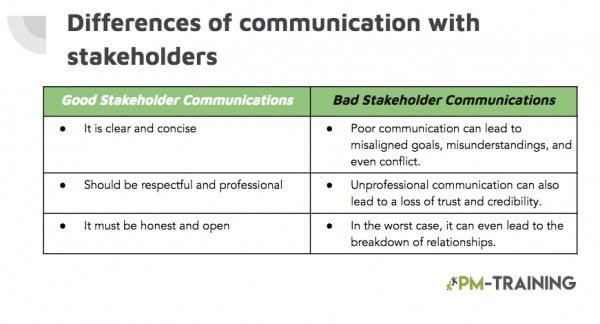
- Excluding Key Stakeholders from the Planning Process: A project communication plan developed in isolation will struggle to gain traction. Involve all relevant stakeholders in the planning process from the outset to ensure buy-in and relevance across the board.
- Over-Communicating or Under-Communicating: Flooding the team with constant updates is just as damaging as leaving them in the dark. Aim for a communication cadence that is consistent and purposeful, providing the right amount of information at the right intervals without creating noise or fatigue.
- Ignoring Differences in Communication Styles: People receive and process information differently. A plan that does not account for these differences risks alienating stakeholders who prefer a different format, frequency, or channel than the one being used.
- Failing to Review and Update the Plan: A communication plan written at the start of a project and never revisited quickly becomes irrelevant. Schedule regular reviews to ensure the plan evolves alongside the project and continues to meet the needs of all stakeholders.
- Making Promises You Cannot Keep: Committing to communication standards that are not realistic, daily updates, guaranteed response times, or exhaustive reporting erodes trust when those commitments are not met. Set achievable expectations from the start and deliver on them consistently.
Best Practices for Project Communication Plans
Building a communication plan that genuinely works requires more than ticking boxes. The following best practices will help ensure your plan delivers real value throughout the project lifecycle:
- Involve stakeholders early and keep them engaged throughout the planning process.
- Keep all communication clear, concise, and free of unnecessary jargon.
- Match the communication channel to the audience and the message being delivered.
- Document everything, decisions, changes, and updates, to create a reliable audit trail.
- Review and revise the plan regularly to ensure it remains relevant and effective.
- Be transparent about risks, challenges, and changes as early as possible.
- Always follow through on the commitments made in the plan to build and maintain stakeholder trust.
Video About Project Communication Management
Watch this informative video from Edureka to deepen your understanding of project communication management. It covers key concepts, strategies, and best practices that will help you manage stakeholder communication and keep your projects running smoothly and on track.
Conclusion
Effective project communication is not a background activity that happens naturally on its own; it is a deliberate, structured discipline that requires the same level of planning, attention, and ongoing management as any other critical component of the project. A well-designed communication plan ensures that every stakeholder has the information they need, when they need it, through the channels that work best for them.
The tools, frameworks, and best practices outlined in this article provide a comprehensive foundation for building a communication plan that genuinely serves your project. When communication is clear, consistent, and intentional, teams collaborate more effectively, risks are managed more proactively, and projects are far more likely to be delivered on time, within budget, and to the satisfaction of every stakeholder involved.
Frequently Asked Questions
What is a project communication plan?
A project communication plan is a formal document that defines how information will be shared with stakeholders throughout a project. It outlines who needs to be communicated with, what information they require, when and how often communication will occur, and which channels will be used to deliver it, ensuring that everyone involved remains consistently informed and aligned.
How do you fix a lack of communication on a project?
Start by ensuring all team members understand why communication matters and what the consequences of poor communication are. Implement structured strategies such as regular check-ins, shared project management platforms, and a formal communication plan. Being proactive, communicating updates before people need to ask for them, is the most effective long-term solution to communication gaps.
What are three common methods of communication in project management?
The three most widely used methods are verbal communication, which includes face-to-face conversations, phone calls, and video meetings; written communication, which covers emails, status reports, and documented decisions; and visual communication, which encompasses presentations, dashboards, charts, and diagrams. Using all three in combination produces the clearest and most effective overall communication approach.
How do you effectively communicate with stakeholders?
Effective stakeholder communication starts with keeping lines of communication consistently open and ensuring stakeholders know how to reach you. Communicate regularly, keep updates clear and free of technical jargon, and tailor the level of detail to each stakeholder’s role and involvement. Address concerns promptly and always follow through on the commitments you make.
What happens when project communication breaks down?
When communication breaks down, the consequences can be severe and far-reaching. Stakeholders become disengaged or frustrated, team members lose clarity on their roles and priorities, risks go unidentified until they become crises, and conflicts escalate unnecessarily. Poor communication is one of the most frequently cited causes of project failure, making a structured, proactive communication plan one of the highest-value investments a project manager can make.
Suggested articles:

Shane Drumm, holding certifications in PMP®, PMI-ACP®, CSM, and LPM, is the author behind numerous articles featured here. Hailing from County Cork, Ireland, his expertise lies in implementing Agile methodologies with geographically dispersed teams for software development projects. In his leisure, he dedicates time to web development and Ironman triathlon training. Find out more about Shane on shanedrumm.com and please reach out and connect with Shane on LinkedIn.