
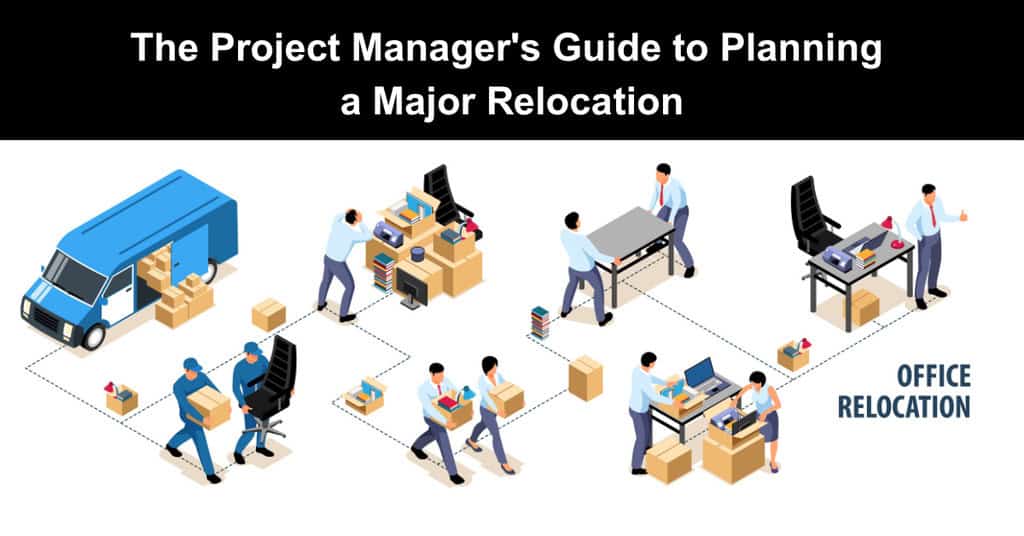
Every other project you’ve run, you could leave at the door at six o’clock. This one follows you home, because you’re moving too. You’re the person signing off the floor plan and the person who loses a window seat on it. The building side turns out to be the easier half, handled by people who do cabling and crates for a living.
What fills your calendar is three hundred colleagues who each want to know where they’ll sit, what the new commute does to their evening, and whether anybody asked them before the lease got signed.
You Are Also One of the People Moving
Colleagues can tell when you’re hiding your own opinion, so get ahead of it. The first time somebody asks whether your commute got worse and you hand back a careful non-answer, you’ve spent credibility you’ll need in month three. Saying the drive is twenty minutes longer for you too costs nothing and buys a lot.
It lets you be equally plain about the parts that are worse for them, whether that’s a longer commute, a lost parking spot, or a kitchen they liked better. It also keeps you out of the trap of selling a building nobody chose, because colleagues trust a project manager who admits the tradeoffs far more than one who only talks up the upside.
Find One Person on Every Team
Put the communication plan down for a minute and get a name in every department. You want somebody who’ll answer the phone on a Tuesday afternoon and tell you that half their team starts at seven, that two of them cannot sit near the kitchen door, and that another refuses to give up a window.
Those people also do the one thing your emails can’t: explain the move in their own words, in the kitchen, five minutes after the news lands, with the tone and context that only a trusted teammate can bring. Brief them first, give them the reasoning rather than only the decision, answer their questions honestly, and let them carry it to their team.
The Colleagues Who Are Relocating, Not Commuting
A new site usually means two or three people are moving house rather than changing their route, and they need something different from the rest of the building. They need the moving dates earlier than everybody else so they can arrange schools, leases, and logistics, plus a straight answer about what costs the company actually covers.
If household moves are in the package, shortlist experienced long-distance movers and put those colleagues in direct contact rather than relaying every question through you. That frees you up for the building-wide logistics. Tell them one important thing before they sign anything: read the fine print on liability coverage first.
The FMCSA explains that released value protection caps the mover at 60 cents per pound per article, so a 25-pound television is worth 15 dollars to them, while full value protection pays for replacement and anything above 100 dollars per pound has to be listed separately. Either way, you must file a claim in writing within nine months of delivery.
Tell People Before the Rumors Do
Three weeks of silence and somebody in sales has already built a theory about layoffs. An office move breeds rumors faster than almost anything else you’ll run, because everybody is affected, nobody can see the whole picture, and the information gaps get filled with guesses, half-truths, and whatever story feels most believable at the time.
So pick a rhythm and keep it, even on the weeks when there’s nothing to report. A short note every two weeks covering what’s settled, what’s still open, and when the next answer arrives does more than a polished deck once a quarter. If you don’t know, say you don’t know and name the day you will, because people will wait for an answer they trust much longer than they’ll sit with nothing.
The Questions Are Never About the Building
Somebody opens with a question about desk sizes and ends up telling you about school pickup at twenty to six. The next one wants to know about the bus that runs twice an hour, or the gym they use at lunch, or the parking they’ve had for free since 2017. That’s what the questions are made of, and hearing them as whining is the fastest way to lose a floor.
Sort them into what you can change, what somebody else can change, and what nobody can, then say out loud which is which. A worse commute is honest news, and it goes down far better beside a transit pass, a later start, or two days at home than beside a sentence about exciting new space.
You Will Become the Complaints Desk
From the day the announcement goes out, every trip to the coffee machine turns into a work item. Some of it is useful information worth tracking, some of it is a colleague who simply needs four minutes to be heard, and you can’t tell which one you’re dealing with until you’ve actively listened, asked a follow-up question, and let them finish talking.
Give it a slot rather than letting it eat the week. Half an hour twice a week, somewhere public, where anyone can turn up and ask anything, beats an inbox you’ll never close. Write down what comes up, because the fourth time you hear the same question, you’ve found a gap in what the company told people. Then defend the hours when you do the actual work, because nobody else is going to.
Managing Up While You Run the Move
Your sponsor will announce a date before you’re ready, probably at an all-hands, probably while you’re sitting in the third row. It happens on most office moves, so write the answers to the obvious follow-ups before any date goes public and save yourself the afternoon of corridor questions. The department heads are the other half of the job, and none of them report to you.
Their budgets aren’t yours, and their teams expect them to fight for the better end of the floor. Put every decision that touches them in writing, in a mail they’re copied on, ideally quoting their own words back to them. It’s the only thing that stops a seating agreement from being reopened the week before the trucks come.
Day One Is About People, Not Boxes
First morning in the new building, the badge readers reject a third of the staff, nobody can find a bathroom, and three people walk in on somebody else at their desk. None of that is a logistics failure. It’s what happens when a few hundred people arrive somewhere unfamiliar at the same time.
So staff that morning with humans rather than signage. Put your team contacts at the doors, keep one obvious desk where questions get answered, and walk the floors yourself instead of tracking it from a laptop. Then ask for feedback in week two and sit on your hands when it arrives, because the complaints are data, and the people handing them to you have to work in there for the next five years.
Suggested articles:
- How to Run an Office Relocation Project
- Top 10 Logistics Challenges in a Moving Project and How to Solve Them
- Why Physical Workspace Still Matters in Modern Project Delivery

Daniel Raymond, a project manager with over 20 years of experience, is the former CEO of a successful software company called Websystems. With a strong background in managing complex projects, he applied his expertise to develop AceProject.com and Bridge24.com, innovative project management tools designed to streamline processes and improve productivity. Throughout his career, Daniel has consistently demonstrated a commitment to excellence and a passion for empowering teams to achieve their goals.