
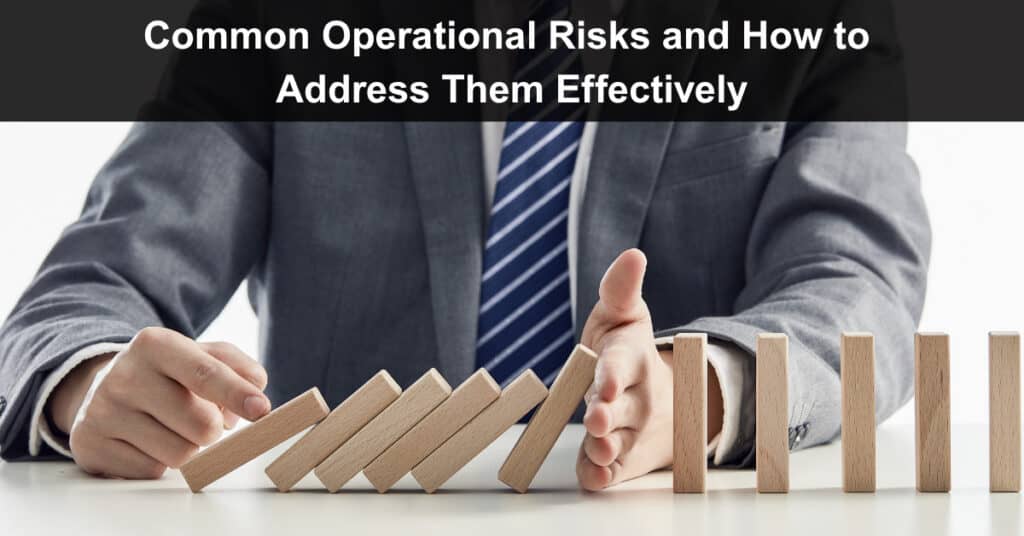
Every organization faces operational risks that can disrupt workflows, damage reputations, and drain resources if they go unchecked. These risks hide inside daily processes, human actions, and the systems that teams rely on every single day. Recognizing them early makes the difference between a small setback and a costly failure that takes months to repair completely.
This guide defines operational risks, walks through the most common examples, and provides practical strategies to address them in your own workplace. You will learn how to handle human error, technology failures, process breakdowns, and external pressures with confidence. Use these methods to build a resilient operation that keeps delivering no matter what comes your way.
What Are Operational Risks?
Operational risks are the potential losses that arise from failures in processes, systems, people, or external events, and there are many operational risk examples to study. They differ from strategic risks because they strike the machinery of daily work rather than long-term direction. Every team that runs procedures, uses technology, or depends on people carries some level of operational risk.
Operational risk appears across several everyday work areas right away:
- Process Failures: Inefficient or broken workflows cause delays, errors, and rework that ripple across the whole organization and slow every dependent task.
- Human Error: Mistakes happen when staff are fatigued, undertrained, or overloaded by complex work that demands sustained concentration and careful judgment.
- System Outages: Technology failures can halt production, block customer service, and corrupt valuable data that the business relies on daily.
- External Disruptions: Natural disasters, supplier issues, and regulatory shifts can interrupt operations without any warning at all.
Common Operational Risks Examples
Some operational risk patterns repeat across industries, and spotting them early helps teams plan effective responses. These are the threats that keep risk managers up at night because they touch almost every function. Understanding the examples below makes it easier to recognize them quickly in your own organization and act well ahead of them before they grow.
The most frequent operational risks include these common ones:
- Data Breaches: Cyberattacks and insider mistakes can expose sensitive customer information and trigger legal penalties that are costly to resolve.
- Supply Chain Interruptions: Vendor delays, material shortages, and logistics failures can stall production schedules and disappoint waiting customers.
- Regulatory Non-Compliance: Failing to meet industry rules can lead to fines, audits, and reputational damage that linger for years.
- Workforce Shortages: Unexpected absences or high turnover leave critical roles unfilled and workloads unbalanced across the team.
How to Address Human Error Risks
Human error remains one of the most common operational risks because people sit at the center of nearly every process. The goal is not to eliminate mistakes but to design work that makes them less likely. Following established principles for managing human failures helps teams build error-tolerant systems that catch problems before they escalate.
Effective responses to human error often include these practical steps:
- Simplify Tasks: Break complex work into smaller, clearly defined steps that reduce cognitive load and leave less room for confusion and mistakes.
- Standardize Processes: Create checklists and documented workflows so everyone follows the same proven approach to each recurring task.
- Train Continuously: Regular training and refresher sessions keep skills sharp and introduce new safety practices that prevent errors.
- Encourage Reporting: Build a culture where people can report errors without fear, turning honest mistakes into valuable learning opportunities.
Managing Technology-Related Operational Risks
Technology powers modern operations, but it also introduces risks such as outages, data loss, and cyber threats that can be severe. Managing these cybersecurity risks requires a strong mix of prevention, detection, and rapid response. Organizations that treat technology risk as a business priority stay ahead of failures before they can disrupt core operations.
Technology risk management relies on several important practices right away:
- Regular Backups: Automated backups protect critical data from corruption, deletion, and ransomware attacks, and test restores confirm the backups work.
- System Monitoring: Real-time monitoring tools detect unusual activity and performance issues before they become full outages affecting users.
- Access Controls: Limiting system access to authorized users reduces insider threats, and multi-factor authentication adds a valuable extra layer.
- Patch Management: Keeping software updated closes security vulnerabilities that attackers exploit, so a disciplined schedule reduces exposure significantly.
Mitigating Process Failures
Process failures occur when documented procedures break down or never existed in the first place, creating confusion and costly rework every time. Analyzing where processes can fail helps teams design improvements before problems actually surface. A structured review of every critical workflow reveals the weak points that deserve prompt attention and careful redesign by the responsible team.
Strong process risk mitigation includes these essential steps right away:
- Map Key Processes: Document every critical workflow so weaknesses become visible, measurable, and easy to prioritize for improvement.
- Use Failure Analysis: Techniques like Failure Mode and Effects Analysis identify where processes can fail and rank the risks to treat first.
- Build In Controls: Add checkpoints and quality gates at key stages so errors are caught before they escalate into larger problems.
- Review Continuously: Processes should be reviewed regularly and updated as the business evolves so workflows stay aligned with current needs.
Responding to External Risks
External risks come from forces outside the organization, including suppliers, regulators, and natural events that no one controls directly. Creating backup plans for many situations, including interruptions in the supply chain, helps teams respond quickly when disruption strikes. The key is completing that preparation well before a real problem ever arrives at your door.
External risk preparation involves several key actions upfront right away:
- Supplier Diversification: Working with multiple vendors reduces dependence on any single source and keeps operations moving during disruptions.
- Business Continuity Plans: Documented plans outline how to maintain critical functions during emergencies and prevent panic when incidents occur.
- Regulatory Monitoring: Tracking changes in laws and industry rules keeps compliance current and prevents surprising violations and costly fines.
- Scenario Planning: Modeling different disruption scenarios lets teams rehearse responses in advance so practiced action is fast and effective.
Building an Effective Operational Risk Management Framework
A structured framework gives organizations a consistent way to identify, assess, and respond to operational risks before they escalate. Widely used risk management guidelines provide principles that embed risk management into daily work and every level of the business. Following an established framework turns reactive firefighting into disciplined, proactive risk control across all operations.
A solid framework includes these core components in practice:
- Risk Identification: Regularly catalog potential risks across processes, systems, people, and external factors to build a complete inventory.
- Risk Assessment: Evaluate each risk by likelihood and potential impact so the team can set clear priorities and focus effort where it matters.
- Control Implementation: Put controls in place to reduce risks to acceptable levels and document each measure for consistency and review.
- Monitoring and Review: Track risk indicators and review the framework regularly so it stays current as new risks continue to emerge.
The Role of Technology in Managing Operational Risks
Technology does more than create risks; it also provides powerful tools for managing them effectively across the organization. Modern platforms can automate monitoring, flag anomalies, and use predictive analytics to streamline incident response. Investing in the right technology strengthens the ability to detect and address operational problems early, before they grow into major incidents.
Technology supports risk management through these useful tools right away:
- Risk Dashboards: Centralized dashboards give leaders real-time visibility into risk indicators and trends so decisions are better informed.
- Automated Alerts: Automation flags unusual activity instantly, reducing response times and preventing small issues from becoming large failures.
- Incident Management Tools: Dedicated software tracks incidents from report to resolution and preserves lessons learned for future prevention.
- Predictive Analytics: Advanced analytics identify patterns that precede failures, enabling preventive action before a real problem occurs.
The Impact of Poor Operational Risk Management
When operational risks go unmanaged, the consequences extend far beyond the immediate incident and can linger for years. Financial losses, damaged reputations, and lost customer trust are all common results of this neglect. Organizations that ignore risk management eventually pay a far higher price than prevention, as risk management research demonstrates clearly across industries.
Poor risk management typically leads to these costly outcomes:
- Financial Losses: Operational failures trigger direct costs from fines, refunds, and lost revenue that often exceed the original risk assessment.
- Reputational Damage: Public failures erode customer confidence, and trust that took years to build can vanish within just days.
- Regulatory Penalties: Non-compliance discovered during incidents can bring heavy fines and increased scrutiny from regulators.
- Operational Downtime: Unmanaged risks cause prolonged outages that halt productivity and service delivery while every hour compounds the cost.
Creating a Culture of Risk Awareness
A risk-aware culture makes operational risk management everyone’s responsibility rather than a specialist’s job alone. When employees understand risks and feel empowered to report them, problems surface much earlier. Culture turns policies that exist on paper into practices that people actually follow every single day across every level of the entire organization, from top to bottom.
Building risk awareness starts with several key practical steps:
- Lead by Example: Leaders who discuss risks openly set the tone for the whole organization and signal that awareness truly matters.
- Communicate Clearly: Regular updates about risks and controls keep the topic visible and prevent complacency and risk fatigue.
- Reward Vigilance: Recognizing employees who spot and report issues encourages others to stay alert and engaged with the process.
- Learn From Incidents: Post-incident reviews that focus on improvement rather than blame strengthen the culture after every event.
Conclusion
Operational risks are an unavoidable part of running any organization, but they do not have to dictate your outcomes alone. Identifying threats early, building structured frameworks, and creating a risk-aware culture keep disruptions manageable. The strategies in this guide give you a practical path from reactive firefighting into confident, disciplined, and forward-looking proactive risk control.
Start by reviewing your most critical processes and the risks hiding within them, then build controls and monitoring that match your biggest exposures. Engage your whole team in spotting problems and responding quickly when they appear. Organizations that embrace operational risk management tend to thrive, adapt, and grow steadily even in the face of major uncertainty.
Frequently Asked Questions About Operational Risks
What is the difference between operational risk and strategic risk?
Operational risk stems from failures in daily processes, systems, people, or external events that disrupt normal work. Strategic risk involves decisions about long-term direction that could threaten the organization’s goals and plans. Operational risks are usually more immediate and measurable, while strategic risks shape where the business heads on a broader and longer-term scale.
How do you identify operational risks in an organization?
Teams identify operational risks by reviewing processes carefully, interviewing staff, analyzing incident history, and auditing systems. Brainstorming sessions and risk registers help capture threats across every function and layer of the organization. Regular reviews and fresh data keep the list current as operations and external conditions continue to evolve over time and the business changes.
What are the most common operational risks in business?
Common operational risks include human error, system outages, data breaches, supply chain interruptions, and regulatory non-compliance. Process failures and workforce shortages also rank high across most industries of all kinds. These threats appear again and again because they touch essential daily functions that nearly every business must keep running smoothly to survive and stay competitive.
Who is responsible for managing operational risks?
Operational risk management is a shared responsibility across the entire organization, from frontline staff to executives. Risk specialists design frameworks and monitor indicators, while managers implement controls within their own areas. Leadership sets the tone, provides the necessary resources, and ensures that risk thinking becomes embedded in every important everyday decision managers make.
How can technology help reduce operational risks?
Technology reduces operational risks through monitoring, automation, and predictive analytics that catch problems early and effectively. Risk dashboards provide real-time visibility, while automated alerts speed up responses to unusual activity. Incident management tools preserve lessons learned and keep responses organized, so investing in the best and right platforms pays real dividends quickly across the entire operation.
Suggested articles:
- Risk Acceptance in Project Management
- 27 Risk Categories Examples for Project Managers
- 6 Steps to Avoid Common Risks in Business Operations

Daniel Raymond, a project manager with over 20 years of experience, is the former CEO of a successful software company called Websystems. With a strong background in managing complex projects, he applied his expertise to develop AceProject.com and Bridge24.com, innovative project management tools designed to streamline processes and improve productivity. Throughout his career, Daniel has consistently demonstrated a commitment to excellence and a passion for empowering teams to achieve their goals.