
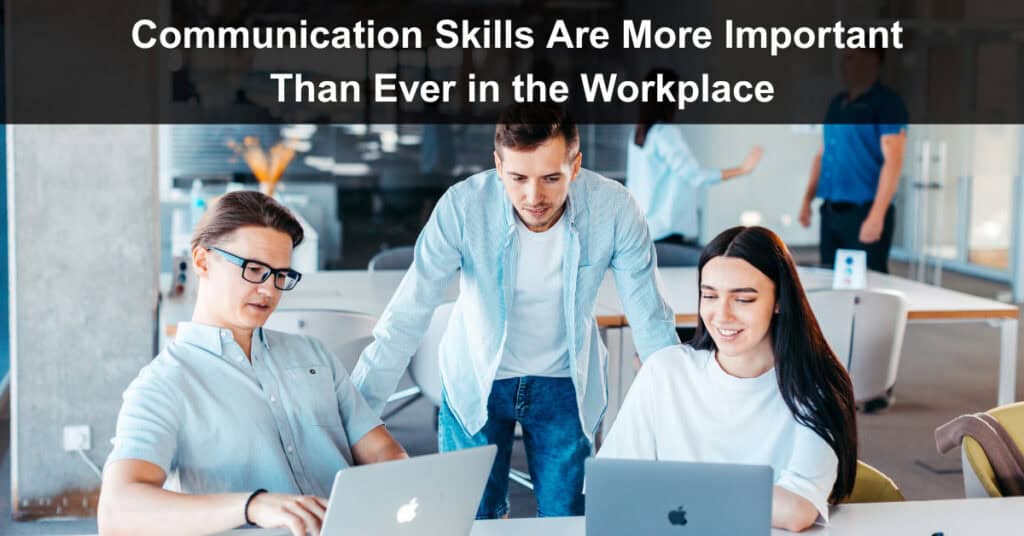
Clear communication serves as the foundation for operational success across all corporate environments today. Organizations that prioritize transparent messaging, active listening, and structured feedback mechanisms consistently outperform competitors by aligning teams, reducing costly project friction, and establishing strong client trust. Strategic dialogue enables complex cross-functional teams to execute initiatives efficiently and adapt swiftly to dynamic market conditions.
Professional success relies heavily on your ability to convey ideas concisely across diverse digital platforms. Developing these critical interpersonal competencies requires deliberate practice, modern integration of technology, continuous skill assessment, and an organizational culture built on mutual respect. The following actionable strategies provide a clear operational roadmap for mastering communication excellence across your entire organization.
Communication as a Cornerstone of Workplace Success
Effective communication forms the backbone of any successful business. Clear and concise communication is key to ensuring that a project stays on track, resolving conflicts between team members, or maintaining positive relationships with clients. Establishing predictable information channels enables individuals to navigate complex responsibilities with clarity, confidence, and complete alignment across departments.
At its core, communication involves understanding the deep intentions behind shared business information. Organizations face significant operational risk when information flow remains unstructured or ambiguous, leading to misunderstandings, costly project errors, and a general breakdown in team dynamics. Executive leaders must establish deliberate messaging standards that keep every department focused on long-term corporate priorities.
Team Collaboration and Communication
Collaboration between team members is essential for achieving shared goals in any workplace. However, collaboration is impossible without effective communication. In today’s world of remote working, hybrid offices, and global teams, communication skills have taken on even more significance. Teams must proactively share project details to keep deliverables on schedule and eliminate unnecessary duplication of work.
Modern teams must combine diverse communication methods to maintain operational alignment across locations:
- Verbal Interaction: Discuss ideas in meetings or provide direct in-person feedback to help team members understand perspectives and reach consensus.
- Written Alignment: Draft structured emails, reports, and project plans to ensure everyone remains fully informed on operational objectives.
- Software Integration: Incorporating top employee collaboration software can streamline this process, enabling teams to work together more effectively, avoid misunderstandings, and ensure tasks are completed on time.
- Open Feedback Systems: Establish transparent channels where team members can continuously share status updates and resolve conflicts before delays occur.
Customer Interactions and Communication
Communication does not only happen within the confines of an office. Many roles, particularly in customer-facing industries like retail, hospitality, and sales, rely on strong communication skills to build positive relationships with customers and clients. Whether resolving a complaint or closing a deal, clear communication directly shapes corporate reputation and determines overall customer retention rates.
Customer relationships depend heavily on clear communication delivered across multiple channels:
- Active Listening Habits: Listen carefully to customer concerns and respond with empathy to demonstrate that issues are understood and taken seriously.
- Brand-Aligned Messages: Ensure written communications across email, chat, and social media remain professional, precise, and consistent with company tone.
- Clear Explanations: Explain product details clearly to eliminate customer confusion, prevent misinterpretation, and build long-term trust.
- Loyalty Building Tactics: Foster positive customer experiences that generate long-term client retention and drive valuable word-of-mouth referrals.
Productivity and Workplace Efficiency
Strong communication skills are directly linked to overall workplace productivity. In any organization, information needs to flow smoothly to ensure that everyone is aware of their tasks, responsibilities, and deadlines. Clear instructions allow employees to focus on primary tasks without wasting time on redundant clarifications or correcting preventable procedural errors.
Efficient organizations optimize information flow by balancing formal reporting with personal check-ins:
- Cross-Department Memos: Utilize structured emails and written reports across large organizations to keep every department aligned on company developments.
- Regular Team Meetings: Conduct routine verbal check-ins and one-on-one meetings to track progress, address operational concerns, and motivate staff.
- Error Reduction Protocols: Streamline instructions to prevent duplicate work, minimize operational mistakes, and save valuable organizational resources.
- Goal Alignment Frameworks: Ensure employees understand broader corporate targets so that daily activities directly support long-term business objectives.
Developing and Showcasing Strong Communication Skills
Given the importance of communication in the workplace, it is crucial for employees to continuously develop and refine these skills. Professionals must take practical steps to refine their verbal and written communication abilities to advance their careers, strengthen personal effectiveness, and contribute effectively to their organizations across all business initiatives.
These practical steps help professionals refine their core workplace communication abilities:
1. Practise Active Listening
Active listening is one of the most important components of effective communication. It involves paying full attention to the speaker, understanding their message, and responding thoughtfully. By practicing active listening, you demonstrate respect for your colleagues or customers, which can strengthen relationships and lead to far more productive professional interactions overall.
In meetings or discussions, avoid interrupting and take time to reflect on what the other person is saying before responding. Show that you are engaged by maintaining eye contact, whether in person or virtually, and using affirming gestures or verbal cues. These straightforward behaviors ensure all participants feel valued during critical discussions.
2. Improve Written Communication Skills
Clear and concise writing is essential in the workplace, where time is often of the essence. Exploring the best ways to improve your communication skills allows professionals to focus on clarity, structure, and message tone. Whether writing an email, report, or presentation, aim to get your point across as efficiently as possible without sacrificing critical details or context.
Always proofread your work to avoid typos or grammatical errors, which can undermine professionalism. Additionally, consider the recipient’s perspective when crafting your message by asking how you can communicate your ideas in a way that is simple for them to digest. Taking this empathetic approach ensures your key points resonate immediately.
3. Tailor Your Communication to the Audience
Different audiences require different communication styles. For example, the way you explain a project to your manager may differ from how you explain it to a client. Understanding your audience and adjusting your communication style accordingly is crucial for ensuring that your message is well received and acted upon appropriately.
This applies to both verbal and written communication. Consider factors such as the level of formality, the recipient’s knowledge of the subject matter, and the purpose of the communication. Tailoring your message in this way can significantly enhance its overall impact and operational effectiveness across all teams.
4. Seek Feedback
One of the best ways to improve your communication skills is to seek feedback from others. Ask colleagues, managers, or mentors for their input on your communication style and whether they find it effective. Constructive criticism can help you identify areas of improvement and offer practical steps to refine your skills.
In many organizations, a skills inventory is an internal database of employee skills, experiences, and goals. This allows employers to track and assess the communication skills of their workforce. It also provides employees with insights into their strengths and areas for improvement, offering a structured approach to personal and professional development.
5. Embrace Technology
With remote working and digital communication on the rise, mastering communication tools such as email, messaging platforms, and video conferencing software is more important than ever. Familiarize yourself with the technology your organization uses and ensure that you can communicate effectively through these mediums across diverse digital channels.
In virtual meetings, for example, ensure that your environment is quiet, your internet connection is stable, and your video and audio settings are optimized. These small details can make a big difference in how well you communicate in a digital setting and project professional credibility to external stakeholders.
Why Employers Prioritise Communication Skills
Employers today are increasingly prioritizing communication skills when hiring and promoting employees. Whether it is ensuring smooth collaboration within teams or maintaining positive client relationships, communicating well is essential in any role across modern business landscapes. Leaders rely on strong communicators to translate complex organizational strategies into actionable operational workflows.
Organized communication capabilities directly correlate with broader leadership success and career growth:
- Integrated Leadership Qualities: Combine clear messaging with emotional intelligence and problem-solving to guide teams and resolve workplace conflicts effectively.
- Positive Culture Creation: Foster transparent, respectful dialogue that boosts overall staff morale, lowers friction, and builds strong organizational trust.
- Adaptable Global Reach: Tailor messages to diverse, international audiences as businesses become increasingly interconnected and operating models expand globally.
- Trackable Skill Development: Use skills inventories and structured evaluation tools to continuously measure and refine organizational communication competencies over time.
Conclusion
Mastering communication strategies is essential for modern business success. Organizations that build intentional communication channels empower employees to share critical insights, resolve operational challenges, and deliver projects on schedule. Prioritizing clear dialogue and active listening builds stronger cross-functional teams, drives client satisfaction, and enhances organizational productivity across every tier of the business.
Investing in continuous communication training yields measurable operational benefits for leaders and employees alike. As digital workplaces evolve, mastering clear writing, thoughtful listening, and adaptable messaging remains a defining competitive advantage. Organizations that embed transparent communication into their core culture position themselves for sustainable growth, exceptional team performance, and long-term business resilience.
Frequently Asked Questions About Workplace Communication
How do I improve active listening during virtual meetings?
Active listening in digital settings requires intentional focus and eliminating multitasking. Turn on your video camera, maintain eye contact with the screen, and take concise notes during the conversation. Avoid checking emails or messaging channels while others speak. Reflect on key statements and ask clarifying questions before responding to confirm complete comprehension of the topic discussed.
What are the best tools for managing hybrid team communication?
Hybrid organizations benefit from combining structured project management platforms, synchronous chat applications, and video conferencing software. Centralizing task tracking within tools like Jira or Asana maintains clarity on project progress. Messaging software handles real-time queries, while recorded video updates support asynchronous communication across different time zones, ensuring all team members remain informed.
How can managers address communication barriers within remote teams?
Managers can overcome remote communication barriers by setting explicit guidelines for channel usage, response time expectations, and documentation standards. Establishing regular one-on-one check-ins helps track individual employee well-being and project alignment. Encouraging clear written documentation instead of informal verbal chats ensures critical technical details remain accessible to all team members regardless of working hours.
Why is written communication critical for project documentation?
Written communication creates a permanent, searchable record of project decisions, technical specifications, and procedural workflows. Accurate documentation prevents knowledge loss when team members transition between projects or leave the organization. Clear written guides reduce redundant questions, ensure consistency across product deliverables, and give remote stakeholders equal visibility into key operational developments.
How can employees provide constructive feedback to senior leadership?
Providing constructive feedback to leadership requires a diplomatic, data-driven approach centered on shared business outcomes. Frame comments around specific operational observations rather than personal opinions, highlighting how proposed adjustments align with company goals. Use scheduled feedback sessions or dedicated employee surveys to submit actionable recommendations professionally and constructively.
Suggested articles:
- Communicating in Project Management: The Interactive Model of Communication
- Omnichannel Communication in Modern Businesses
- Understanding the 4 Types of Communication Styles in the Workplace

Daniel Raymond, a project manager with over 20 years of experience, is the former CEO of a successful software company called Websystems. With a strong background in managing complex projects, he applied his expertise to develop AceProject.com and Bridge24.com, innovative project management tools designed to streamline processes and improve productivity. Throughout his career, Daniel has consistently demonstrated a commitment to excellence and a passion for empowering teams to achieve their goals.