
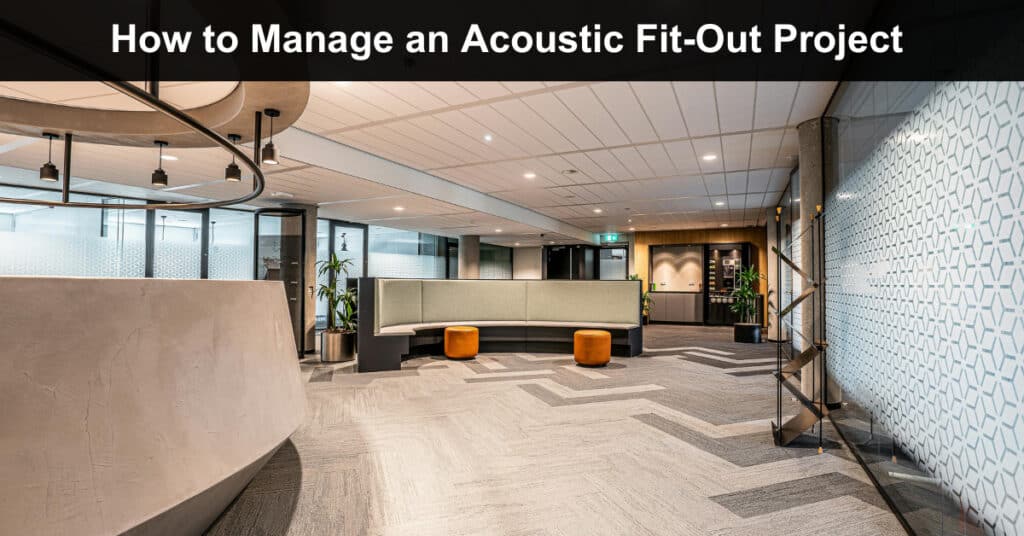
Whether you’re overseeing a commercial office refurbishment, school upgrade, or hospitality fit-out, acoustic works are increasingly appearing in project scopes—and often become one of the most misunderstood line items. Without clear performance targets and the right sequencing, acoustic outcomes can drift, budgets can swell, and end-user satisfaction can suffer.
Engaging custom acoustic ceiling installers near you early in the project lifecycle, and treating acoustic works with the same rigour you would apply to any specialist trade, produces far better outcomes for budget, timeline, and end-user satisfaction.
Phase 1: Scope and Specification
The first step is establishing what acoustic performance the finished space needs to achieve. A proper acoustic specification will define the required Noise Reduction Coefficient (NRC) ratings for panels, target reverberation times for each space, and the specific products and installation configurations that will meet those targets. Without this document, your project has no objective basis for product selection, no measurable completion criteria, and no defence if the client disputes the outcome.
Two critical scoping questions to resolve early: Is the requirement acoustic treatment (managing sound within a space), soundproofing (blocking sound between spaces), or both? These are different problems requiring different solutions. And what are the programme constraints for acoustic works relative to other trades? Ceiling installations in particular need careful sequencing against HVAC, electrical, and fire services.
Phase 2: Selecting the Right Installers
Selecting the right acoustic panel installers is where many projects go wrong. When evaluating contractors, look beyond price and assess technical capability. Can they read and interpret an acoustic specification? Do they understand NRC ratings and installation tolerances? A contractor who cannot engage with the specification is a risk.
Also confirm product authorisation. For projects specifying premium products such as the Autex range, verify the installer is an authorised supplier. Using an unauthorised source creates warranty and compliance risks. A custom acoustics solution supplier who offers both specification and installation capability is often the most efficient procurement model. It eliminates the gap between specifier and installer, which is a common source of variation on acoustic projects.
Phase 3: Programme and Sequencing
Acoustic ceiling works need to follow HVAC, electrical, and fire sprinkler rough-in. If baffles are suspended from the structural ceiling, confirm fixing points, loading requirements, and any access restrictions before the acoustic contractor starts. This prevents costly remakes when services clash or structural details are discovered late. Plan inspections and handovers so ceilings can proceed without rework.
Build realistic lead times into the programme from day one. Custom-fabricated acoustic panels with non-standard sizes or bespoke finishes usually require 3 to 4 weeks (sometimes longer). Place orders early and run them in parallel with other long-lead items like special services, lighting coordination, and early fabrication. This reduces idle periods, keeps ceiling installs on schedule, and helps protect the final finish quality.
Phase 4: Trade Coordination
Acoustic works intersect with more trades than most project managers anticipate. The acoustic contractor and the HVAC contractor need to coordinate on ceiling-mounted services, as diffusers and duct runs directly affect panel placement. Electrical contractors need to align on downlight and data infrastructure positions. Fire services contractors need to confirm sprinkler coverage is not obstructed by suspended baffles.
The client is a critical stakeholder. Because acoustic outcomes are both technical and subjective, align early on what the specification is designed to achieve—speech clarity, noise control, or reverberation targets for each room. Confirm acceptance criteria, measurement approach, and how you’ll handle variations at procurement and handover to prevent disputes at completion.
Phase 5: Quality Assurance and Close-Out
Acoustic performance can be verified objectively post-installation. On projects where compliance is a consent condition, post-occupancy testing should be scoped and budgeted from the outset. At close-out, confirm all installed products match specified ratings, conduct a panel placement and fixing quality inspection, and obtain all as-built documentation and product warranties for the O&M manual.
Acoustic rework is expensive. Once other trades have completed and layouts are “locked,” removing and reinstalling ceiling panels typically costs two to three times the original installation price. By contrast, investing early in accurate scoping, documented acceptance criteria, and selecting the right acoustic contractor reduces clashes, change orders, and schedule risk—protecting both budget and final finish quality.
Phase 6: Budgeting and Contingency Planning
Acoustic line items are frequently under-scoped at the tender stage, which produces two predictable problems: variation claims mid-construction and pressure to substitute specified products for cheaper alternatives. A realistic budget accounts for panel supply, installation labour, substrate preparation, and post-installation testing where compliance verification is required.
Contingency should reflect the true cost of rectification. Unlike a paint touch-up or a single tile replacement, acoustic ceiling systems are interdependent. Correcting one panel placement error often means removing adjacent panels across a run, multiplying the labour cost well beyond the value of the original defect. Pricing this risk in from the start is basic project discipline.
Phase 7: Managing Client Expectations
Acoustic performance is uniquely difficult to communicate before it exists. Unlike a rendered ceiling image, there is no intuitive preview of what a 0.6-second reverberation time feels like in a meeting room. This gap between specification and lived experience means that client education must be an active and ongoing part of acoustic project management throughout the programme.
The most effective approach is to reference comparable completed spaces early. If a client can walk through a finished office or hospitality venue treated to a similar specification, their expectations become grounded in reality. This single step prevents more end-of-project disputes than any contractual documentation, and it costs nothing beyond the time required to arrange the visit.
Phase 8: Post-Occupancy Review
The construction close-out inspection confirms installation quality, but a post-occupancy review conducted four to six weeks after the space is in use captures something more valuable: how the acoustic environment performs under real conditions. Occupancy patterns, furniture layouts, and the presence of soft furnishings all affect the final acoustic outcome in ways that cannot be fully predicted at the specification stage.
Scheduling a brief review with the client and acoustic contractor at this point closes the feedback loop properly. It allows the installer to make minor adjustments before the defects liability period ends, gives the client a formal channel to raise concerns, and gives the project manager documented evidence that the acoustic outcome was actively managed through to genuine completion rather than simply signed off at practical completion.
Final Thoughts
Acoustic works are one of the few fit-out elements where the results are immediately experienced by everyone in the space and can also be checked against objective performance measures. That combination of everyone noticing the difference, and engineers being able to verify whether targets are met means acoustics deserve proactive, disciplined management. Getting the scope and quality right helps avoid costly disputes and rework later.
The project managers who get the best results from acoustic scopes are not necessarily those with the deepest technical knowledge. Instead, they are the ones who bring in the right specialists early, define measurable outcomes before procurement begins, and treat acoustic installation as the skilled trade it is. Get those fundamentals right, and the acoustics will take care of themselves.
Suggested articles:
- How to Manage Workforce Logistics in Remote Project Environments
- How to Manage Your Workforce with Employee Wellness Software
- How to Manage Workplace Injury Claims Within Your Project Team

Daniel Raymond, a project manager with over 20 years of experience, is the former CEO of a successful software company called Websystems. With a strong background in managing complex projects, he applied his expertise to develop AceProject.com and Bridge24.com, innovative project management tools designed to streamline processes and improve productivity. Throughout his career, Daniel has consistently demonstrated a commitment to excellence and a passion for empowering teams to achieve their goals.