
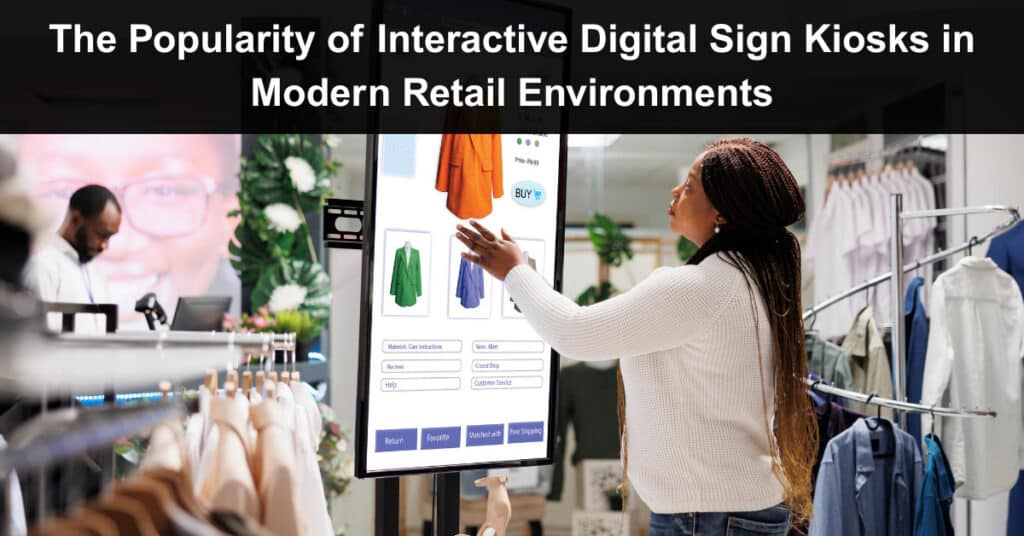
Retail spaces continue to transform as customer expectations shift toward convenience, personalization, and engaging in-store experiences. Traditional displays have gradually given way to smarter systems that encourage participation rather than passive viewing. This transition reflects a broader focus on creating meaningful interactions within physical stores.
An interactive digital signage has emerged as a central element in this transformation, offering retailers a practical way to connect with customers. These kiosks introduce intuitive interfaces that guide shoppers through products, promotions, and services with ease. Their growing presence highlights a clear shift toward technology-driven engagement that feels natural and accessible.
Enhanced Customer Engagement Through Smart Interfaces
Interactive kiosks provide a hands-on experience that captures attention and encourages exploration. Touch-enabled screens allow shoppers to browse catalogs, check product availability, and access detailed descriptions without assistance. This level of independence adds convenience while creating a more engaging store visit.
Retailers benefit from increased interaction time, which strengthens brand recall and improves the likelihood of purchase decisions. Visual appeal, combined with responsive design, ensures that customers remain interested throughout their journey. A well-placed kiosk becomes a silent assistant that supports both browsing and decision-making.
Key Features Driving Widespread Adoption
Essential Capabilities That Attract Retailers:
- User-friendly navigation: Simple menus and responsive touch controls ensure quick adoption across different age groups.
- Real-time updates: Content changes instantly to reflect promotions, inventory levels, or seasonal campaigns.
- Multi-language support: Language options help retailers cater to diverse customer bases with ease.
- Integration with backend systems: Seamless connection with inventory and CRM systems improves efficiency.
These features contribute to a smooth and efficient shopping experience while reducing dependency on staff for routine queries. Retailers thus gain better control over communication and presentation without constant manual intervention.
Influence on Purchase Decisions and Customer Satisfaction
Digital kiosks shape buying behavior through informative and visually appealing content. Customers gain access to comparisons, recommendations, and demonstrations that simplify complex choices. Clear and structured information helps shoppers feel confident about their selections.
Satisfaction levels rise as waiting time decreases, and assistance becomes instantly available through the kiosk interface. A smoother journey encourages repeat visits and builds trust in the brand. Retailers see measurable improvements in conversion rates when kiosks are used strategically.
Benefits for Retail Operations and Efficiency
Operational Advantages That Improve Store Performance:
- Reduced staff workload: Employees focus on personalized service while kiosks handle routine inquiries.
- Consistent messaging: Uniform content across locations ensures brand consistency.
- Data collection: Insights into customer preferences help refine marketing strategies.
- Space optimization: Compact kiosk designs fit easily into various store layouts.
Operational efficiency improves as these systems handle repetitive tasks with precision. Retailers gain valuable insights that support better planning and targeted promotions.
Design Flexibility and Seamless Store Integration
Modern kiosks blend effortlessly into store environments through sleek designs and customizable interfaces. Retailers can align the visual presentation with brand identity, ensuring a cohesive appearance throughout the space. Flexible placement options allow installation near entrances, product sections, or checkout areas.
Interactive digital signage enhances this adaptability by offering tailored content based on location and audience behavior. This approach ensures that each kiosk serves a specific purpose while maintaining consistency across the store. A thoughtful design strategy turns these kiosks into integral components rather than standalone additions.
Personalization and Data-Driven Retail Experiences
Interactive digital sign kiosks are no longer just information points—they are becoming intelligent systems that adapt to individual shoppers. By leveraging data from previous interactions, purchase history, or even real-time behavior, kiosks can deliver tailored recommendations that feel relevant rather than generic. This level of personalization mirrors the convenience of online shopping while maintaining the tactile advantage of a physical store environment.
This shift toward personalization is driven by retailers recognizing that modern consumers expect experiences built around their preferences.
- Targeted product recommendations based on browsing behavior
- Dynamic promotions aligned with customer profiles
- Loyalty program integration for personalized rewards
- AI-powered recommendations that improve over time
As these capabilities evolve, retailers can create a shopping journey that feels curated rather than crowded. Customers respond better when they see options that align with their needs, which naturally leads to higher engagement and stronger purchase intent.
Integration with Omnichannel Retail Strategies
Retail is no longer confined to a single channel, and interactive kiosks play a critical role in bridging the gap between online and offline experiences. These systems allow customers to access online inventories, place orders, or even arrange home delivery directly from within the store. This seamless connection ensures that physical locations remain relevant in an increasingly digital marketplace.
The real advantage comes from consistency, as customers expect the same level of service whether they are browsing on their phone or walking into a store.
- Click-and-collect functionality for online purchases
- Access to extended product catalogs beyond in-store stock
- Real-time synchronization with e-commerce platforms
- Unified customer profiles across all channels
By aligning kiosks with broader omnichannel strategies, retailers remove friction from the buying process. This creates a unified experience that meets customers wherever they are, without forcing them to adapt to different systems.
Role in Reducing Queue Times and Improving Flow
One of the most practical benefits of interactive kiosks is their ability to streamline in-store traffic. Long queues are a known frustration point, and kiosks help address this by offering self-service options for tasks like checking prices, placing orders, or even completing transactions. This reduces congestion at traditional service points and keeps the store moving efficiently.
Efficiency is not just about speed; it is about creating a smoother overall experience for everyone involved.
- Self-checkout capabilities to minimize waiting lines
- Quick product lookup without staff assistance
- Appointment booking or service scheduling features
- Digital queuing systems that manage customer flow
When customers spend less time waiting, they spend more time engaging with products. This shift improves satisfaction while also increasing the likelihood of additional purchases, making it a practical win for both sides.
Cost-Effectiveness and Long-Term ROI
While the initial investment in interactive kiosks may seem significant, the long-term returns often justify the cost. These systems reduce reliance on printed materials, lower staffing pressures, and provide measurable insights that improve decision-making. Over time, the savings and increased revenue opportunities outweigh the upfront expenses.
The financial case becomes clearer when looking beyond immediate costs and focusing on sustained value.
- Reduced printing and signage replacement costs
- Lower dependency on additional floor staff
- Increased upselling and cross-selling opportunities
- Actionable analytics that refine marketing strategies
Retailers who take a long-term view understand that kiosks are not just an expense—they are an asset. They contribute to both revenue growth and operational efficiency, which is where real profitability lies.
Future Trends Shaping Interactive Kiosk Technology
The evolution of interactive kiosks is far from over. Emerging technologies are pushing these systems into more advanced territory, where they can deliver even richer and more intuitive experiences. From voice interaction to augmented reality, the next wave of innovation is focused on making interactions faster, smarter, and more immersive.
What matters is not just innovation for its own sake, but how these advancements translate into practical value for both retailers and customers.
- Voice-activated interfaces for hands-free navigation
- Augmented reality for virtual product trials
- Facial recognition for personalized experiences
- IoT integration for smarter store ecosystems
As these technologies mature, kiosks will move from being helpful tools to becoming central pillars of the retail experience. Retailers who adapt early will have a clear advantage, as they will be better positioned to meet evolving customer expectations without falling behind.
Conclusion
Interactive digital sign kiosks have reshaped retail by turning passive environments into active, engaging spaces. They bridge the gap between digital convenience and physical interaction, offering customers control, speed, and personalized experiences. At the same time, they give retailers the tools to operate more efficiently and strategically.
The direction is clear—retail is becoming more interactive, more data-driven, and more customer-focused. Businesses that embrace this shift will not only stay relevant but also position themselves ahead of competitors who are slow to adapt.
Suggested articles:
- Why Should Retailers Adopt Omnichannel to Improve Experience?
- How to Make Your Brand Stand Out at an Industry Event
- Understanding Geofencing: The Future of Targeted Advertising

Daniel Raymond, a project manager with over 20 years of experience, is the former CEO of a successful software company called Websystems. With a strong background in managing complex projects, he applied his expertise to develop AceProject.com and Bridge24.com, innovative project management tools designed to streamline processes and improve productivity. Throughout his career, Daniel has consistently demonstrated a commitment to excellence and a passion for empowering teams to achieve their goals.