
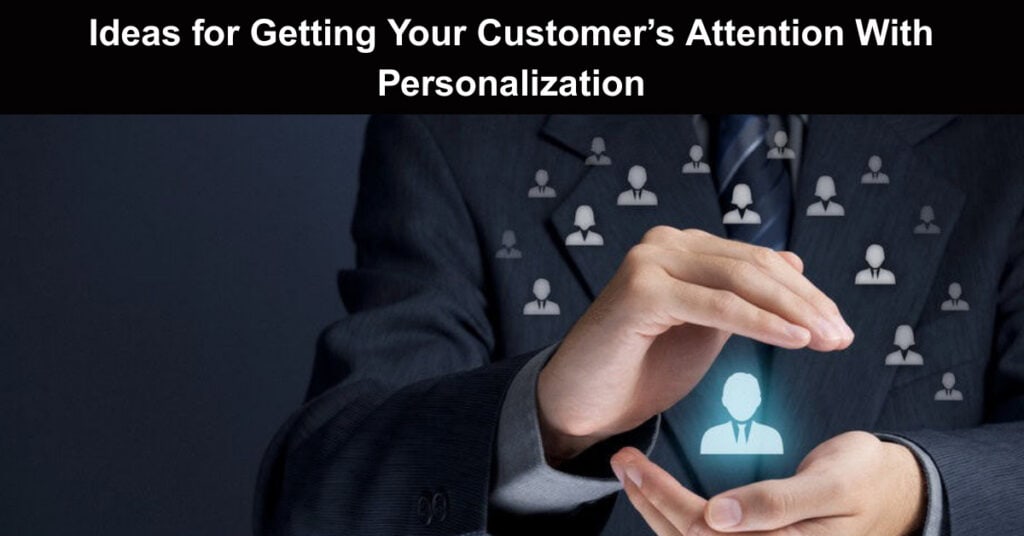
Customers face countless choices from e-commerce brands competing for their attention across multiple channels every single day. Standing out requires more than quality products or competitive pricing to win their business and loyalty. You need a deliberate approach that makes each shopper feel uniquely recognized and understood. Personalization creates this connection by tailoring every touchpoint to match individual preferences and past behaviors.
Custom products offer one of the most effective paths toward meaningful personalization for e-commerce brands of all sizes. When customers can modify or personalize what they purchase, they invest emotionally in the entire buying experience. This drives long-term loyalty and encourages repeat purchases. This article explores proven strategies for using custom products and personalization tactics to capture attention and build your brand.
Leveraging Custom Products to Build Strong Customer Relationships
Offering custom products goes beyond simply providing unique items for your customers to purchase online. It signals to your audience that you understand their specific needs and individual preferences. When customers feel truly understood and valued, they form stronger emotional bonds with your brand. This connection transforms one-time shoppers into loyal advocates who return repeatedly to buy from your store.
Connecting Through Personalization
Suppose you are an artist wondering how to sell art on Etsy. By offering custom prints or personalized art, you’re not just selling a product; you’re offering a tailored service to your clients. This personal touch can turn a ‘one-time’ shopper into a ‘loyal customer for life.’ Allowing buyers to co-create items gives them a strong sense of emotional ownership that standard off-the-shelf items simply cannot replicate.
Several strategies can help you leverage custom products more effectively in your e-commerce business:
- Know Your Audience: Research your target market thoroughly to understand their specific preferences, core values, and shopping behaviors from the start. For instance, if your audience prioritizes sustainability, featuring products crafted from eco-friendly materials immediately sets your brand apart. This deep market insight guides your customization strategy to ensure every feature resonates with the right shoppers.
- Start With a Few Options: Begin by launching a curated, small selection of customizable products and expand your offerings based on real customer feedback and sales analytics over time. Limiting initial variations minimizes upfront financial risk and production bottlenecks while allowing you to discover which customized designs generate the highest engagement and demand.
- Use Print-on-Demand Services: Partner with fulfillment platforms like Printify, which integrate seamlessly with major e-commerce marketplaces to let you offer personalized designs without holding physical inventory. This structure drastically reduces overhead expenses, eliminates deadstock risks, and gives you the agility to test new product concepts and custom graphics quickly.
Enhancing Brand Identity through Custom Products
Custom products serve a purpose that goes far beyond driving initial sales and generating immediate revenue for your store; they play an essential role in strengthening your overall brand identity and market positioning. When you sell customized items that cannot be found anywhere else, you establish a distinctive brand image that sets you apart from competitors selling generic, off-the-shelf alternatives.
Consider these key benefits of using custom products to strengthen your brand presence:
- Differentiation Through Uniqueness: Products that cannot be found anywhere else build a strong mental association between your store and exclusive, tailor-made value. When customers purchase an item created specifically for them, they remember the exclusive experience and naturally return when looking for high-value gifts or specialized goods.
- Deeper Customer Engagement: When customers can personalize items to match their precise preferences, they actively interact with your brand throughout the entire selection and design process. This extended co-creation process transforms passive buyers into active participants, deepening their psychological attachment to both the finished product and your brand.
- Brand Perception Control: Custom products let you shape exactly how customers perceive your business through strategic choices in materials, design variations, and personalized packaging. Every tailored item delivered to a customer acts as a physical touchpoint that reinforces your commitment to quality, innovation, and customer satisfaction.
Practical Tips for Successfully Implementing Custom Products
Integrating custom products into your business strategy requires careful planning and thoughtful execution at every stage of the process. Without a structured approach, you risk investing time and resources into offerings that do not resonate with your audience at all. The following tips will help you implement product customization successfully while minimizing common mistakes and maximizing your return on investment over time.
Implementation Steps to Follow
Follow these implementation steps when adding custom products to your offerings.
- Start Small: Offer a few customizable products first and expand your selection gradually based on customer response and feedback. This approach minimizes financial risk and helps you gauge which products generate the most interest before scaling production up.
- Leverage Data: Use customer purchase history and browsing data to identify trends and preferences in your target audience. This information helps you fine-tune your product offerings and create customization options that align with what your customers actually want to buy.
- Choose the Right Platform: Opt for solutions like Printify that integrate directly with major e-commerce platforms and marketplaces. These services allow you to manage orders efficiently and deliver custom products quickly without needing in-house manufacturing capabilities of your own.
- Promote Personalization Options: Highlight customization features prominently on your product pages and marketing materials for maximum visibility. Make sure customers can easily see how they can personalize their purchases and understand the value of doing so.
The Role of Custom Products in Customer Retention
Custom products play a significant role in customer retention by strengthening the ongoing relationship between your brand and your buyers over time. When customers feel that a product was designed or modified specifically for their needs and preferences, they develop stronger loyalty to both the product and your brand, which translates directly into repeat sales and long-term customer value. Personalization options make customers feel valued and appreciated as individuals rather than transaction data points, encouraging them to choose your brand over competitors while generating positive word-of-mouth recommendations across their personal networks.
Here are three key ways custom products contribute directly to customer retention:
- Emotional Investment: Customers who help design or customize a product feel a deep sense of pride and personal ownership in their purchase. This psychological attachment creates an emotional bond that makes buyers significantly less likely to switch to a competitor for standard off-the-shelf alternatives.
- Word-of-Mouth Growth: Satisfied customers naturally share their unique, personalized purchases with friends, family, and social media followers, generating organic referrals. This authentic customer advocacy attracts new prospective buyers who enter your sales funnel with a baseline level of trust in your brand’s quality and craftsmanship.
- Reduced Price Sensitivity: When customers feel a product was made specifically for them, their focus shifts from comparing costs to appreciating customized value. This perceived uniqueness reduces price sensitivity, allowing your business to command higher price points and maintain healthier profit margins over time.
How to Promote Custom Products Effectively
Creating great custom products is only half the equation for e-commerce success in competitive markets. You also need a solid promotion strategy to get those products in front of the right audience at the right time every time. Effective promotion ensures that customers know about your personalization options and understand the value of choosing customized items over standard alternatives from other sellers.
Use these promotion strategies to get your custom products noticed by the right buyers.
- Leverage Social Media: Share high-quality images and videos of your custom products on platforms like Instagram, Pinterest, and TikTok regularly. Feature unique designs and highlight positive customer experiences to generate interest and encourage engagement from potential buyers in your target market.
- Use Email Marketing: Send targeted newsletters that feature your custom products and their personalization options to your subscriber list. Include clear visuals that demonstrate the customization process and strong calls to action that drive readers to your product pages.
- Collaborate With Influencers: Partner with social media influencers who align with your brand values and reach your target audience effectively. These collaborations expand your reach to new potential customers and provide valuable third-party validation for your custom product offerings.
- Offer Limited-Time Discounts: Create a sense of urgency by offering time-limited discounts on custom products at special promotional prices. This encourages customers to make faster purchasing decisions and can help boost sales during slower periods.
Conclusion
Custom products remain one of the most effective tools for engaging your target audience and setting your brand apart from the competition in crowded online marketplaces. By understanding your customers’ needs on a deeper level, using data to guide your product decisions, and marketing your custom offerings strategically, you can create a memorable brand experience that resonates with shoppers long after their first purchase with you.
Offering personalized experiences that meet and exceed customer expectations on a consistent basis builds the kind of loyalty that sustains a business through changing market conditions. Whether you are learning how to sell art on Etsy or developing an entirely new product category from scratch, customization is a crucial strategy for achieving long-term growth and ongoing success for your brand and business.
Frequently Asked Questions About Customer Personalization
What is customer personalization in e-commerce?
Customer personalization in e-commerce means tailoring the shopping experience to match individual preferences, behaviors, and needs. This can include product recommendations, customized items, personalized emails, and targeted content that makes each customer feel uniquely understood by your brand.
How do custom products improve customer retention?
Custom products improve retention by creating emotional investment in the purchase. When customers personalize an item, they feel a sense of ownership and connection to both the product and your brand. This emotional bond makes them more likely to return for future purchases and recommend your brand to others.
What platforms are best for selling personalized products?
Print on demand platforms like Printify, Printful, and Gooten are excellent for selling personalized products without holding inventory. These services integrate with Shopify, Etsy, WooCommerce, and other major e-commerce platforms, making it easy to offer custom designs for items such as apparel, mugs, and home decor.
How can small businesses afford to offer custom products?
Small businesses can offer custom products without large upfront investments by using print-on-demand services that charge per order rather than requiring bulk minimums. This pay-as-you-go model eliminates inventory risk and makes personalization accessible to businesses of any size.
What types of products work best for personalization?
Products that work well for personalization include apparel like t-shirts and hoodies, home decor items like cushions and wall art, drinkware such as mugs and water bottles, accessories like phone cases and tote bags, and stationery products including notebooks and greeting cards. The best choice depends on your target audience’s preferences.
Suggested articles:
- Integrating Advanced Tech in Your Customer Service Strategy
- Boosting B2B e-commerce Sales Efficiency: Practical Strategies for 2025
- The Future of E-commerce: Key Insights for Success

Daniel Raymond, a project manager with over 20 years of experience, is the former CEO of a successful software company called Websystems. With a strong background in managing complex projects, he applied his expertise to develop AceProject.com and Bridge24.com, innovative project management tools designed to streamline processes and improve productivity. Throughout his career, Daniel has consistently demonstrated a commitment to excellence and a passion for empowering teams to achieve their goals.