
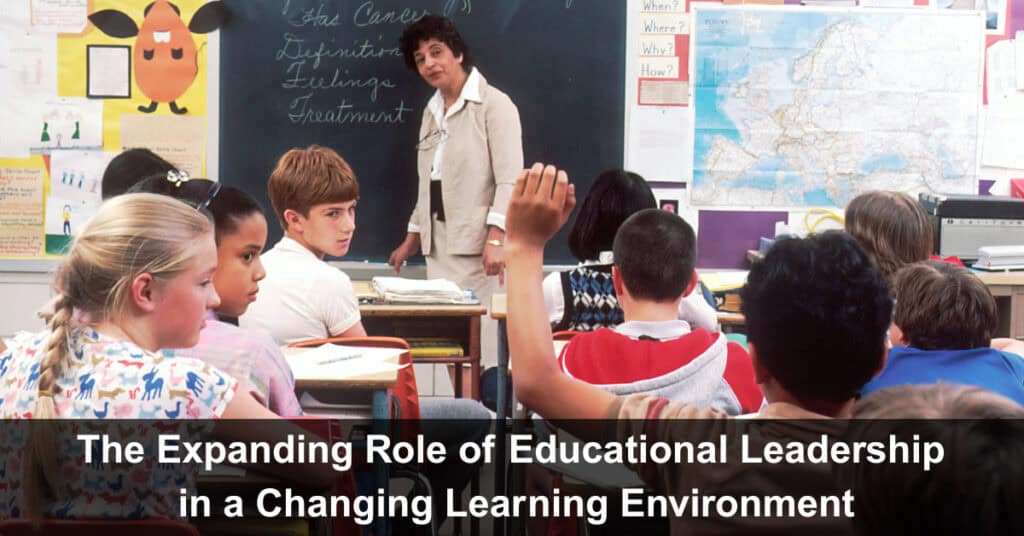
Educational leadership has never been a static profession, but the expectations placed on today’s leaders have expanded considerably. Beyond guiding teaching and learning, educational leaders are expected to strengthen organizational culture and support educators in meaningful ways. They must also respond to stakeholder expectations while leading change across increasingly complex educational environments.
These responsibilities cannot be addressed through administrative efficiency alone. They require leaders who can connect people, encourage collaboration, and build systems that continue to improve long after individual initiatives end. As education evolves, successful leadership is becoming less about solving isolated problems and more about creating the conditions for long-term progress.
Educational Challenges Require Systems Thinking, Not Quick Fixes
Educational organizations often face pressure to deliver quick results. However, lasting improvement rarely comes from a single program or policy. Many challenges are interconnected and require coordinated leadership. Learning recovery is a clear example. The 2024 National Assessment of Educational Progress found that students across the United States still perform below pre-pandemic levels in reading and mathematics.
It also found that the achievement gap between higher- and lower-performing students continues to widen. These findings suggest that recovery efforts have produced some progress. However, deeper challenges continue to affect student achievement. Chalkbeat Newark reported that only 34% of Newark Public Schools students in grades 3 to 9 met English Language Arts expectations in 2025. The statewide average was 53%.
Recognizing that no single organization could solve this challenge alone, Teach For America New Jersey brought together educators, nonprofit organizations, community leaders, and policymakers. Their goal was to align existing efforts and improve literacy outcomes. This collaborative approach offers an important leadership lesson. Complex educational challenges require shared responsibility. Leaders who connect stakeholders and align resources are more likely to achieve lasting improvement.
Listening to Educators Creates Stronger Organizations
Educational leaders cannot improve organizations without understanding the experiences of the people working closest to teaching and learning. Educators often notice challenges before they appear in reports, surveys, or performance data. Their daily interactions give them valuable insights into communication gaps, workload concerns, resource limitations, and student needs.
An eSchool News article argues that leaders should see educator feedback as an opportunity rather than a challenge. Staff members who raise concerns are often trying to improve the organization, not criticize it. However, when leaders dismiss feedback or become defensive, educators may stop sharing their ideas altogether. Over time, this creates a culture where important issues remain hidden until they become much harder to solve.
Educational leaders can prevent this by making feedback part of organizational decision-making. Inviting honest conversations, responding with transparency, and explaining how feedback influences decisions help build trust. It also encourages educators to contribute new ideas, strengthening collaboration and creating a culture of continuous improvement across the organization.
Inclusive Leadership Strengthens Decision-Making
Effective educational leadership also depends on ensuring that different perspectives shape important decisions. Organizations are more likely to solve complex challenges when leaders encourage open dialogue and create opportunities for people with different experiences to contribute. This idea is reflected in The Brown and White’s coverage of Professor Crystal Chambers’ discussion on leadership in education. She explains that organizational culture and unconscious bias can influence who receives leadership opportunities and whose ideas are heard.
Leaders who actively seek diverse viewpoints are better equipped to challenge assumptions and identify blind spots. They can also develop solutions that better reflect the needs of the communities they serve. Alongside professional experience and mentoring, some educators pursue an EdD in leadership to continue developing their leadership skills. An EdD, or Doctor of Education, degree deepens understanding of organizational behavior, strategic leadership, and change management.
These programs prepare professionals to lead institutional improvement and build more inclusive organizational cultures. As St. Bonaventure University notes, they also strengthen evidence-based decision-making and long-term strategic planning. As leadership responsibilities continue to expand, these skills help educators lead meaningful change and support lasting improvement across educational organizations.
Building Trust Has Become a Core Leadership Responsibility
Educational leaders today spend as much time building relationships as they do managing performance. Strong communication has become just as important as strategic planning or operational decision-making. Leaders are expected to earn the trust of educators, families, and the wider community while guiding their organizations through constant change.
This shift is highlighted in The Educator Online article, When Anxious Parenting Becomes a School Leadership Issue. The article explains that leaders increasingly work with families seeking reassurance and guidance during periods of uncertainty. Instead of trying to solve every concern immediately, effective leaders focus on clear communication, healthy boundaries, and shared responsibility. This approach helps families feel heard while encouraging them to remain active partners in the educational process.
Trust grows through consistent actions rather than one-time conversations. Educational leaders who communicate openly, explain decisions, and respond with empathy create stronger relationships with stakeholders. These relationships make it easier to manage future challenges, reduce unnecessary conflict, and build a more supportive environment for both educators and learners.
Key Insights Shaping Educational Leadership
| Learning Recovery | Most U.S. students remain below pre-pandemic reading and math levels. |
| Staff Voice | Educator feedback drives stronger leadership decisions. |
| Inclusive Leadership | Fewer than half of Black women report having strong workplace allies. |
| Stakeholder Trust | Parent expectations are expanding leadership responsibilities. |
Conclusion
The leadership lessons above point to one clear conclusion. Educational leadership is becoming less about directing people and more about bringing them together. Improving learning outcomes, strengthening organizational culture, and building stakeholder trust all depend on collaboration. Leaders who encourage shared ownership are more likely to create lasting improvement than those relying on isolated initiatives.
As educational challenges continue to evolve, leaders must think beyond short-term solutions. They need to foster collaboration, encourage open dialogue, and build trust across their organizations. Ultimately, educational leadership is no longer measured only by operational success. It is defined by a leader’s ability to strengthen relationships, unite people around shared goals, and create systems that support continuous improvement.
FAQs
What qualities make an effective educational leader?
Effective educational leaders communicate clearly, build trust, and make informed decisions that support long-term improvement. They encourage collaboration, value diverse perspectives, and create environments where educators feel heard. They also adapt to change while keeping organizational goals and learner success at the center of every decision.
Why is collaboration important in educational leadership?
Collaboration brings together educators, families, community partners, and other stakeholders to solve complex challenges more effectively. It encourages shared responsibility and improves communication across the organization. This approach often leads to stronger decisions and more sustainable educational outcomes.
What is an EdD in educational leadership?
An EdD in Educational Leadership is a doctoral degree designed for professionals who want to lead educational organizations and drive institutional improvement. The program focuses on leadership, organizational change, educational policy, and strategic decision-making. Graduates are prepared for senior leadership roles across schools, districts, higher education, and other educational settings.
Suggested articles:
- How Effective Leadership Shapes Academic Success
- What is a Master of Educational Leadership?
- How to Cultivate Teacher Leadership in Your School

Daniel Raymond, a project manager with over 20 years of experience, is the former CEO of a successful software company called Websystems. With a strong background in managing complex projects, he applied his expertise to develop AceProject.com and Bridge24.com, innovative project management tools designed to streamline processes and improve productivity. Throughout his career, Daniel has consistently demonstrated a commitment to excellence and a passion for empowering teams to achieve their goals.