
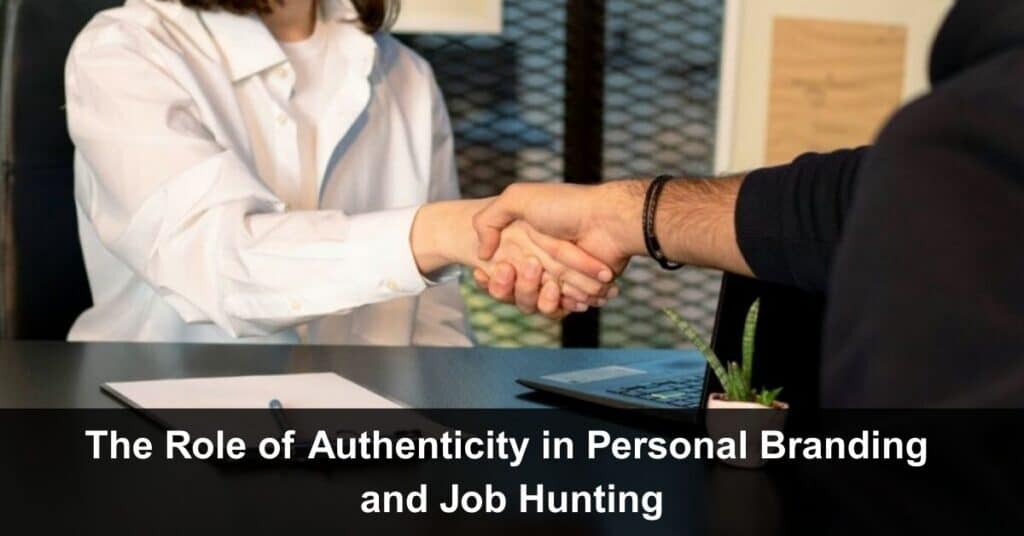
There is a good reason why around 62 to 70 percent of individuals face imposter syndrome. People often think that to be taken seriously at their employment and to amp up their persona, they have to build up a facade. Creating such a facade is called the “Masking” Effect. This is when people suppress their true personality to conform to professional and societal norms, which leads to a dissonance between their internal reality and external presentation, eventually making the individual feel like a fraud.
This common misconception that a person has to follow the corporate style of their colleagues, a superior they look up to, or even a public figure to be taken seriously, is often a key factor leading to imposter syndrome. When building up your personal brand, especially when you are job hunting, being authentic is the best route to take. Let’s explore why you need to be more like yourself and how you can create a personal brand that sells and attracts more headhunters while maintaining authenticity.
Why Do You Need Authenticity to Grow Your Personal Brand?
Being authentic means you are a person who is transparent and genuine. They will be true to their values and beliefs. This means that you embrace the traits and experiences that are uniquely you and share them with the world in an honest, consistent way. Why is this crucial for your personal brand? Being authentic makes people trust you. They are naturally drawn to individuals who are honest about their strengths and weaknesses.
- Building Trust: Trust needs to be the basis of your professional connections, whether with your employers, employees, clients, or the audience who will interact with your workplace.
- Standing Out from the Crowd: Being who you are, as a unique entity, makes you stand out in the saturated ocean of polished and monotonous self-promoting individuals. It shows that you have a distinct voice and a perspective that makes you memorable.
- Attracting Genuine Connections: More importantly, authenticity attracts more authenticity, as it resonates with others on a personal level and encourages them to “match your vibe” and become more open and genuine in return.
Dangers of Not Being Authentic
Being inauthentic with your personal branding comes with serious pitfalls. While some believe they can maintain a facade throughout their entire career, this approach is unsustainable and damaging. The costs of inauthenticity extend far beyond simple discomfort—they can derail your professional growth and personal well-being in profound ways.
Here are the key dangers you face when choosing inauthenticity over genuine self-presentation:
- Burnout and Imposter Syndrome: Maintaining a false front is exhausting work. The constant battle of wearing a fake outer shell puts you in perpetual danger of experiencing burnout and imposter syndrome. This continuous performance drains your energy, diminishes your passion for work, and can make you want to avoid social interactions altogether.
- Superficial Connections: When you present an inauthentic version of yourself, none of the professional relationships you build will be genuine. These hollow connections lack the depth and trust needed for meaningful collaboration, mentorship, or long-term career partnerships.
- Inevitable Exposure: The worst consequence is the one you fear most: getting caught. When the facade inevitably cracks, and people discover you’re not who you claimed to be, the repercussions are severe and far-reaching.
- Career-Damaging Consequences: Once exposed, you don’t just lose trust—you damage your reputation, relationships with coworkers, your current position, and your future advancement opportunities. The professional cost of inauthenticity can follow you throughout your career.
Growing Your Authenticity in Your Personal Brand
If you want to be more authentic, there are a few things you can do to integrate it into your life.
Know They Self
To become more authentic, you must first ask yourself, “Who are you?” You need to understand what you stand for and what you want to do in your professional path. Such reflection can help you understand yourself better and create a personal brand that is true to yourself.
Tell Your Story
Whether it’s the information people know about you or even the story that is depicted in your resume, you need to be authentic. You can’t just use ChatGPT to generate a success story because it will take a few clicks on an AI detection tool for them to know that your hero’s tale is pattern-based plagiarism.
Instead, share your journey as it is. Both your successes and failures make your authentic storytelling more relatable and human, showing that you don’t want to display a fake persona and would rather share your real story with actual challenges, lessons, learning, and growth.
Create Genuine Connections
Doesn’t matter who you communicate with; you need to engage genuinely. Stay true to your character when connecting with your peers and audience. But this doesn’t mean blabbering out every little detail of your life. Opt for being sincere instead. Try not to lie or tell long tales about your life, just be who you really are.
Show What Makes You Unique
No matter how similar two people might be, they are never the same. Find out what makes you different, and focus on those qualities. When you concentrate on aspects you are good at, instead of appealing to everyone, you will end up creating a personal brand that is strong, genuine, and catches people’s eyes when it matters.
Having to Be Different at Work
Everyone experiences this: you behave differently around colleagues than with friends or family. Most people naturally adjust depending on their environment, especially when building a personal brand while fitting into organizational culture. Professional spaces come with expectations—clear communication, appropriate seriousness, and confident idea presentation—that require thoughtful adaptation without losing yourself.
The real challenge isn’t changing who you are, but learning to present yourself in ways that align with professional standards while maintaining your authentic core. Here’s how to navigate this balance:
- Meeting Professional Expectations: You’re expected to communicate clearly, carry yourself with seriousness, and present ideas confidently. These expectations aren’t necessarily artificial—they’re simply part of working effectively with others and achieving your goals.
- Balancing Self and Standards: You don’t need to become a different person to succeed, but you do need to understand how to present yourself professionally. When you manage this balance, you’re more likely to grow, be respected, and still feel comfortable in your own skin.
Staying Formal Yet Comfortable
Just as you dress differently for home versus professional settings, your presentation adapts to context. At home, comfort comes first—easy, relaxed, familiar choices. In professional settings, however, appearance becomes part of communication. What you wear, how you carry yourself, and how you speak all shape how others perceive you.
Consider these aspects of professional presentation:
- Presentation as a Practical Tool: Dressing or presenting yourself more formally at work doesn’t mean you’re being fake. It simply means you understand the environment and are adapting to it. Presentation helps others see you as capable, serious, and prepared.
- Adapting Communication Style: Sometimes what feels natural in casual environments won’t create the same effect in a workplace. Learning to present yourself thoughtfully isn’t about hiding who you are—it’s about shaping how your strengths are seen and understood by others.
- Building Your Personal Brand: The way you present yourself, from appearance to tone and body language, becomes part of how people remember you. When done honestly, this isn’t performance—it’s simply a more polished version of who you already are.
Authenticity Doesn’t Mean Not Getting Along
Being authentic remains crucial for building a strong, sustainable career. When your work aligns with your personality, interests, and values, staying motivated and producing meaningful results becomes easier. People who feel comfortable being themselves bring more energy and creativity to their work. Conversely, constantly imitating others or forcing yourself into ill-fitting roles proves exhausting and unsustainable.
Understanding the balance between authenticity and professionalism involves:
- Recognizing the Cost of Inauthenticity: Over time, pretending creates frustration, fatigue, and self-doubt. Work becomes something you endure rather than build, making it harder to stay engaged.
- Finding Your Middle Ground: You can remain true to yourself while adapting to workplace expectations. This often means choosing which parts of your personality to emphasize in professional situations—a strategic but honest approach.
- Presenting Collaborative Qualities: This may feel strategic at first, but it’s not dishonest. It’s simply highlighting the qualities that help you collaborate, communicate, and grow.
- Strengthening Your Personal Brand: When you balance authenticity with professionalism, your personal brand becomes stronger. People see you as reliable and capable, but also genuine. That powerful combination opens more doors than trying to be perfect ever could.
Final Thoughts
Now that you know how authenticity can be crucial for your personal brand, you will be able to integrate your true self into your work persona. This persona would not be fake, but a version of yourself that depicts the aspects that fit in the workplace dynamic. When you are yourself, but formal and behave according to the workplace synergy, you create a brand image that different headhunters will chase.
Suggested articles:
- Top 10 Best Resources for First-Time Entrepreneurs
- Top 10 Benefits of Using Digital Business Cards in Business Networking Events
- Why Project Managers Should Prioritize B2B Networking

Daniel Raymond, a project manager with over 20 years of experience, is the former CEO of a successful software company called Websystems. With a strong background in managing complex projects, he applied his expertise to develop AceProject.com and Bridge24.com, innovative project management tools designed to streamline processes and improve productivity. Throughout his career, Daniel has consistently demonstrated a commitment to excellence and a passion for empowering teams to achieve their goals.