
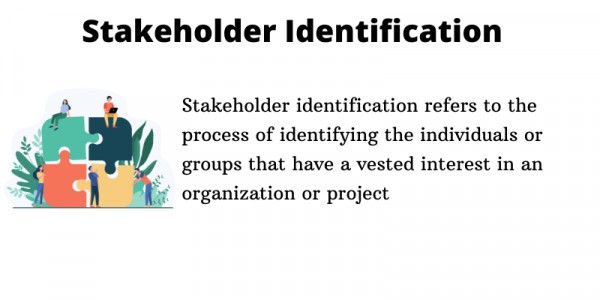
Stakeholder identification is the process of determining the individuals or groups that hold a vested interest in an organization or project. Stakeholders may include shareholders, employees, customers, suppliers, partners, and other relevant parties. Properly identifying stakeholders is essential to ensure that all key parties are considered throughout the decision-making process, ultimately leading to outcomes that serve the best interests of the organization as a whole. Furthermore, this process plays a critical role in uncovering potential risks and opportunities associated with any given course of action.
Effective stakeholder management encompasses understanding, analyzing, and engaging with stakeholders to meet their needs and expectations. For those aspiring to excel as project managers, a thorough understanding of stakeholder dynamics is fundamental to success. A stakeholder is defined as any individual or group who can influence, or be influenced by, an organization or project. In essence, project stakeholders are those with a vested interest in the success or failure of a company or initiative.
Why Is Stakeholder Identification Important?
Without a clear picture of who your stakeholders are, even well-planned projects can run into resistance, miscommunication, or missed expectations. Properly identifying stakeholders gives project managers and leaders the foundation they need to make informed decisions and maintain alignment across all parties.
- It ensures that all relevant individuals and groups are considered before decisions are made.
- It allows you to conduct a stakeholder analysis to evaluate their interests and how they may be impacted by the project.
- It provides a basis for developing targeted communication and engagement strategies.
- It helps uncover potential risks and challenges before they become problems.
- It saves time and resources in the long run by preventing misalignment later in the project.
How To Identify Key Stakeholders
Identifying the right stakeholders requires a structured approach. There are three core lenses through which to view potential stakeholders: who is affected by the organization, who has power over it, and who holds information that the organization needs. The following steps walk through the full identification process.
- Step 1: Understand the Organization and Its Environment: Before identifying stakeholders, build a clear picture of the organization’s goals, operations, and external environment. Understanding the broader context helps you recognize which groups or individuals could be impacted by the project or hold influence over its direction and outcomes.
- Step 2: Gather Information on Stakeholders: With the organizational context established, begin identifying specific stakeholders. Research their interests, priorities, and key influencers using a mix of methods like interviews, surveys, focus groups, and document reviews to build a well-rounded and accurate picture of each party involved.
- Step 3: Prioritize Stakeholders: Not all stakeholders carry equal weight. Rank them according to their level of influence and the degree to which they are affected by the project. This prioritization helps you allocate time and resources effectively, ensuring the key project stakeholders receive the attention they deserve.
- Step 4: Develop an Engagement Plan: With priorities established, create a tailored engagement plan for each stakeholder group. Identify the most effective communication channels and messaging for each party. Setting and managing expectations early — and revisiting them consistently throughout the project — is key to a successful outcome.
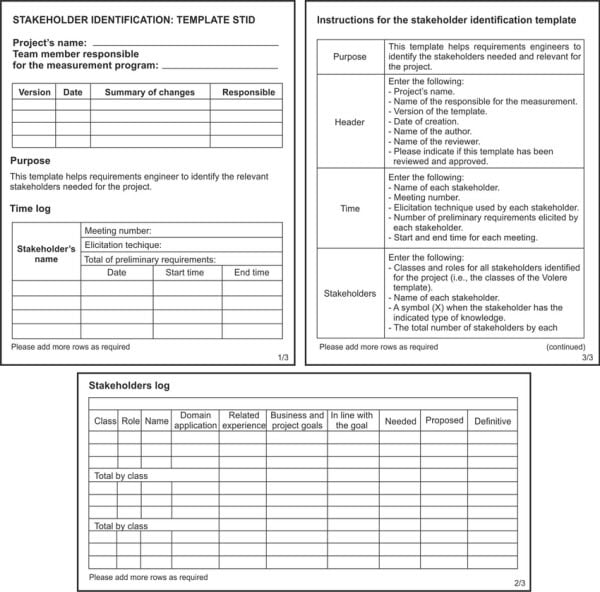
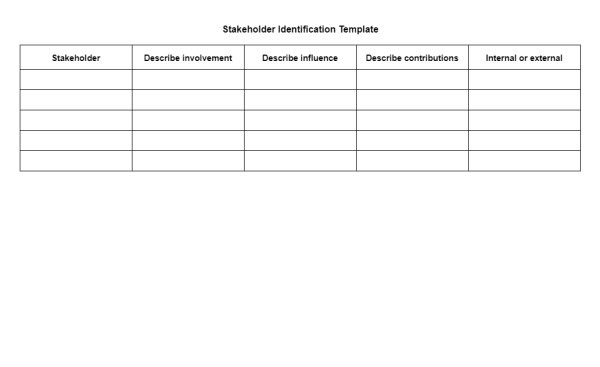
Stakeholder Identification Template PDF
Stakeholder Identification Template Word
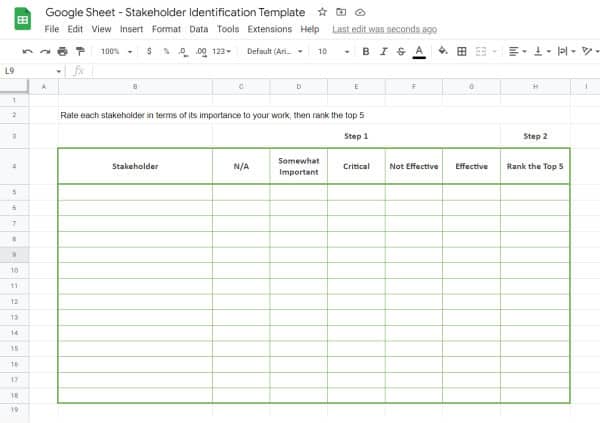
Stakeholder Identification Template Google Sheets
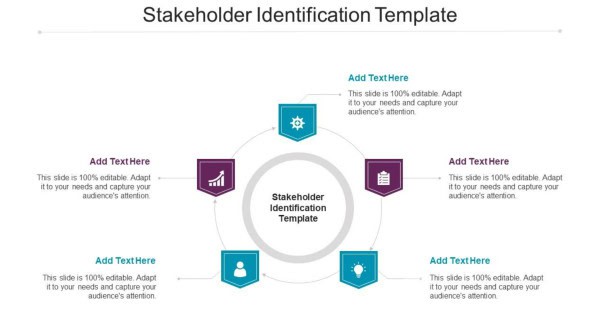
Stakeholder Identification Template PowerPoint
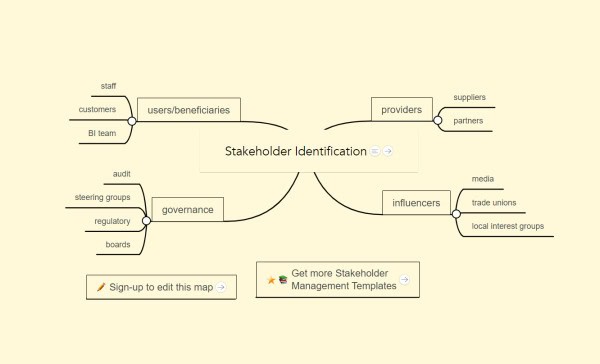
Stakeholder Identification Template Mind Meister
Free Stakeholder Management Templates
Access our complete collection of professionally designed stakeholder management templates. Whether you need a stakeholder register, analysis framework, or engagement plan, these free resources will help you manage your project stakeholders more effectively from day one.
- Click here to download the 67+ stakeholder register templates
- Click here to download 11 free stakeholder engagement plan templates
Benefits of Stakeholder Identification
Taking time to identify stakeholders at the outset of a project pays dividends throughout its lifecycle. Rather than reacting to concerns as they arise, you can proactively manage relationships and anticipate challenges before they escalate.
- Comprehensive Coverage: All relevant individuals and groups are assessed before the project moves forward, reducing the risk of overlooking a critical voice.
- Tailored Engagement: Understanding each stakeholder’s interests allows you to develop communication strategies that resonate with them specifically.
- Early Risk Detection: The process surfaces potential risks, conflicts, and challenges that might not be visible from within the project team alone.
- Better Decision-Making: Knowing who is invested in your project — and what they care about — means decisions can be made with a fuller picture of consequences.
- Efficiency Gains: Addressing stakeholder concerns early prevents costly course corrections later in the project.
By taking the time to identify all stakeholders upfront, organizations can save time and resources in the long run.
Stakeholder Identification Vs Analysis
A key difference between stakeholder identification and analysis is the sequence in which it happens.
| Stakeholder Identification | Stakeholder Analysis |
|---|---|
| Stakeholder identification is simply the process of identifying all the stakeholders in a project or business. This can be done through a variety of methods, such as interviews, surveys, and focus groups. | Stakeholder analysis, on the other hand, is a more in-depth process that looks at the interests and needs of each stakeholder. This information is then used to determine how to best engage with each stakeholder. |
| This process of identifying all the individuals and groups who have a stake in the project, includes project sponsors, team members, customers, and anyone else who will be affected by the project. | This process includes their interests, roles, and levels of influence. The goal of stakeholder analysis is to develop a strategy for managing each stakeholder’s impact on the project. |
Both processes are essential for ensuring that all stakeholders are properly engaged and that their needs are consistently met. Stakeholder identification is valuable because it establishes a clear understanding of who your stakeholders are and what their core interests entail. Stakeholder analysis, on the other hand, builds upon this foundation by evaluating each stakeholder’s level of power and interest, enabling more informed decision-making.
In summary, stakeholder identification serves as the critical first step in the engagement process, while stakeholder analysis represents the next logical phase, ensuring that engagement efforts are targeted, strategic, and ultimately effective.
Best Practices
Effective stakeholder identification doesn’t happen by accident. Following a consistent, structured approach ensures that the process is thorough, repeatable, and actionable. The following best practices are recommended for project managers at any level.
- Define Objectives Early: Clearly articulate the project’s goals and expected outcomes before beginning stakeholder identification. This helps determine which stakeholders are essential to achieving those outcomes.
- Conduct a Stakeholder Analysis as a Follow-Up: Identification and analysis work together — once you know who your stakeholders are, analyze their level of influence and interest to guide your engagement approach.
- Identify Risks and Issues Proactively: Map potential problems to the stakeholders who are best positioned to help address them. Anticipating challenges early prevents them from escalating into bigger issues later in the project.
- Develop a Communication Plan: Establish who is responsible for stakeholder communication, how frequently it will occur, and what information will be shared. Consistent communication keeps stakeholders informed and engaged throughout.
- Choose the Right Engagement Methods: Different stakeholders require different approaches. Some may need regular formal updates; others may only need to be consulted at key decision points. Tailor your method to their role and level of interest.
- Review and Update Your Stakeholder List Regularly: Projects evolve, and so do stakeholder groups. Revisit your list at key project milestones to ensure it remains accurate, relevant, and complete.
Video About Stakeholder Identification
Watch the video below for a quick overview of stakeholder identification and why it plays such a vital role in successful project management.
Conclusion
Stakeholder identification is a foundational step in any successful project. By systematically identifying all relevant individuals and groups early on, project managers can build stronger communication strategies, mitigate risks before they escalate, and ensure that every key voice is heard. The templates and frameworks shared in this article provide a practical starting point for making stakeholder identification a consistent, structured part of your project management process.
Taking a proactive approach to stakeholder identification ultimately leads to better outcomes for everyone involved. When stakeholders feel informed, engaged, and valued, projects move forward with greater alignment and fewer disruptions. Use the templates provided to streamline your process, revisit your stakeholder list at every milestone, and make stakeholder engagement an ongoing priority rather than a one-time task.
FAQs
Why is it important to properly identify stakeholders?
It is important to properly identify stakeholders because they can have a major impact on the success or failure of an organization. Stakeholders can provide essential resources, such as capital, customers, or suppliers. They can also hinder an organization’s progress by withholding information or using their power to make decisions that are not in the organization’s best interests.
How can you keep stakeholders engaged?
There are a few different ways to keep stakeholders engaged. The first is to keep them informed about the organization’s progress. This can be done through regular updates, such as progress reports or newsletters.
Another way to keep stakeholders engaged is to solicit their feedback. This can be done through surveys or focus groups. It is important to listen to the feedback and make changes based on what the stakeholders want.
Best practices for keeping stakeholders engaged
There are a few best practices for keeping stakeholders engaged. The first is to develop a communication plan. This plan should include who will be responsible for communication, how often communication will take place, and what information will be communicated.
Another best practice is to create a stakeholder management plan. This plan should include how the stakeholders will be managed, how their interests will be represented, and how conflicts will be resolved.
What is stakeholder identification?
Stakeholder identification is the process of identifying all the stakeholders in your project. This is important because it helps you to understand all the people who will be affected by your project and what their interests are. Once you have identified all the stakeholders, you can then prioritize them according to their level of influence and interest.
Suggested articles:
- Understanding the Stakeholder Salience Model
- 13 Free Stakeholder Map Templates
- Stakeholder Cube Templates & Examples

Shane Drumm, holding certifications in PMP®, PMI-ACP®, CSM, and LPM, is the author behind numerous articles featured here. Hailing from County Cork, Ireland, his expertise lies in implementing Agile methodologies with geographically dispersed teams for software development projects. In his leisure, he dedicates time to web development and Ironman triathlon training. Find out more about Shane on shanedrumm.com and please reach out and connect with Shane on LinkedIn.