
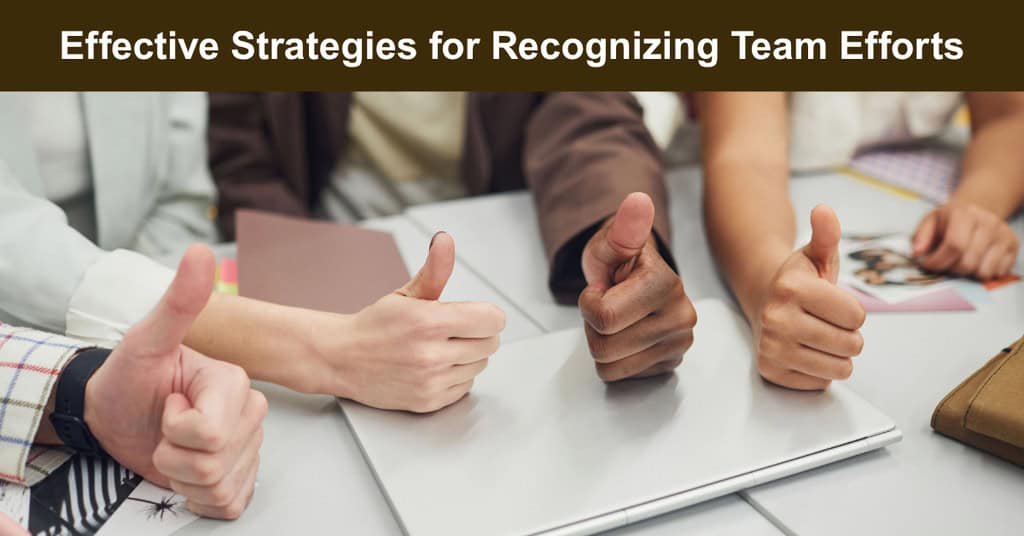
Recognition is far more than a polite thank you. Gallup’s 2026 workplace report found that only 20 percent of employees worldwide were engaged in 2025, and separate Gallup research shows just 22 percent of workers say they receive adequate recognition. For project managers, that gap is both a risk and an opportunity, because recognition builds trust, sustains motivation, and strengthens team cohesion when deadlines tighten.
Complex projects test teams constantly, and busy managers often postpone appreciation until the work is finished. By then, the moments that deserved acknowledgment have passed. Effective team recognition is personal, timely, and tied to what the organization values, and it works in office, hybrid, and remote settings alike. Let’s look at practical strategies, beginning with how to tailor recognition to each person on the team.
Personal Recognition Styles
Personal recognition works because people value different things, so a single approach rarely fits everyone. Adjusting the style to the receiver shows sincere appreciation for their contribution. Personalized awards tell a person that you see their specific efforts. Authentic, individualized praise feels far more meaningful than generic thanks, which is why effective managers adapt their approach to each person.
These approaches help managers match recognition to each team member:
- Learn Preferences: Ask team members how they like to be thanked, and note their communication styles and interests, so every message reflects what matters to the person receiving it.
- Match the Setting: Introverts often appreciate thoughtful emails or private conversations, while extroverts may prefer attention in meetings, so choose a public or private setting to suit each person.
- Name Specific Contributions: Mention the exact tasks or qualities they excelled at, because specific praise feels sincere and shows the manager noticed the actual work rather than offering generic thanks.
Team Milestone Celebrations
Milestone celebrations remind teams what they have achieved and show clearly how their collaboration produced it. PM Network’s guidance on ways to celebrate project success recommends recognizing accomplishments throughout the project lifecycle, not only at completion. Plan celebrations for key stages, such as finishing a significant phase, meeting a hard deadline, or delivering the final product.
Depending on team preferences, celebrations can be informal get-togethers, virtual happy hours, or warm acknowledgment during company-wide meetings. Each format should highlight how individual roles depended on one another, because that interdependence produced the result. Shared celebration binds people together and reinforces that every contribution, big or small, serves the common goal across the whole project.
Effective milestone celebrations for project teams usually include these practical elements:
- Key Stage Timing: Schedule recognition when a phase closes, a difficult deadline is met, or the final product ships, so the celebration connects directly to a visible achievement.
- Format Flexibility: Offer informal gatherings, virtual happy hours, or company-wide acknowledgment, and let team preferences decide, since a format that suits one group may feel forced to another.
- Shared Credit: Name the roles that depended on one another, from analysts to testers, so everyone can see how their work connected to the outcome the team achieved together.
Use Technology to Enable Recognition
Technology keeps recognition public, timely, and consistent across hybrid and remote teams. Platforms such as Bonusly, Kudos, and TINYpulse let colleagues send shoutouts, earn points, and track achievements, and TINYpulse is now part of WebMD Health Services. Pair these platforms with project software like Asana, and integrate tools like Slack so a message posts automatically whenever a trigger fires, such as a completed task.
Tech-enabled recognition layers appreciation into everyday work, so people feel valued wherever they are. Project workflows can prompt managers when a milestone closes, and many platforms work inside Slack and Microsoft Teams. That habit means appreciation never depends on memory alone. Providing personalized items, such as a custom lanyard, can also strengthen belonging and recognition within the organization.
Digital recognition works best when teams apply the following tools and habits:
- Recognition Platforms: Look for tools that let teammates give small point bonuses redeemable for rewards, send tiered messages, and cheer peers, then choose by culture and budget.
- Workflow Triggers: Connect your project software to chat tools so completed tasks and milestones generate a prompt or public message, making appreciation a built-in step instead of an afterthought.
- Public Shoutouts: Visible praise in shared channels reaches people across locations and time zones, and a points history helps managers see who has been acknowledged recently and who has not.
Connect Recognition with Global Values
Recognition tied to organizational values shows employees why their work matters, not only what they did. Qualtrics’ employee recognition guide explains that effective praise reinforces behaviors matching company values. If innovation is a value, recognize people who propose better ideas or streamline workflows, and point to evidence of how their actions advanced the mission and helped the wider team.
Linking praise to values becomes easier when managers follow these habits:
- Define Core Values: Write each value in plain language with behavior examples, so managers know what deserves recognition and employees can see exactly what the standard looks like in daily work.
- Cite Specific Evidence: Describe what the person did, which value it reflected, and what result followed, because evidence connects individual behavior to company success and the wider mission.
- Recognize Consistently: Apply values-based praise across roles and locations so recognition feels fair, since fair, personalized recognition tends to raise engagement across teams and locations alike.
Offer Tangible Rewards
Tangible rewards turn appreciation into something people can see, keep, and remember. Gift cards, certificates, or small tokens suit routine wins, while paid time off, team outings, or development opportunities suit larger accomplishments. Harvard Business Review’s research on recognition and morale found that simple gestures such as thank-you notes and certificates can improve employee motivation.
Different achievements call for rewards of different size and personal meaning:
- Everyday Tokens: Gift cards, handwritten notes, or small tokens of appreciation give routine wins a physical reminder, and they cost little compared with the motivation they sustain.
- Certificates of Achievement: Formal certificates record specific accomplishments, can be shared with leadership, and give employees something concrete to reference in later performance reviews, which supports fair career discussions.
- Bigger Rewards: Paid time off, team outings, or development opportunities suit major milestones, and they signal real investment in people rather than empty passing compliments from leaders.
Always Ask for Feedback
Recognition strategies must evolve alongside team needs, and ongoing feedback ensures they remain effective. Every employee recognition program should begin with a survey, since employees typically have clear preferences about how they want to be rewarded. Yet few are ever asked directly about these preferences, meaning a brief survey can quickly surface valuable, easy-to-implement improvements.
Draw up a short questionnaire or send a departmental email inviting feedback on current recognition practices. Ask which kind of recognition feels most meaningful and what might better honor team success. Soliciting input shows employees their voices matter, and it helps managers adjust recognition so it meets real needs more efficiently. Then share the results openly.
Collecting recognition feedback works best through a few simple, repeatable methods:
- Short Questionnaires: Ask which recognition employees find most meaningful, how often they want it, and whether they prefer public or private acknowledgment, then compare answers across roles and locations.
- Pulse Surveys: Use brief recurring surveys to track agreement with statements such as management recognizing strong job performance, giving managers clear early warning when recognition efforts lose impact.
- Follow-Up Actions: Share what you heard and what will change, because employees stop responding when feedback disappears without visible adjustments or any explanation of the decisions made.
How to Measure Recognition Impact
Measure recognition by tracking engagement, retention, and how often people feel appreciated, not by counting awards handed out. SHRM’s coverage of metrics overlooked in recognition programs shows that fewer than 15 percent of surveyed HR professionals use analytics technology for recognition, and the best programs document a plan and a way to measure success. Use those findings to refine recognition each quarter.
Useful measures of team recognition impact include the following indicators:
- Engagement Scores: Track survey items about recent praise before and after changes, since one simple survey question can ask whether employees received recognition or praise in the last seven days.
- Retention Trends: Compare turnover among well-recognized and poorly recognized groups over several quarters or years, remembering that correlation is not proof, and read results alongside workload and pay data.
- Participation Patterns: Review who gives and receives recognition, and note quiet teams or remote staff who are overlooked, so gaps are fixed before they turn into disengagement.
Conclusion
Team recognition is a pillar of project success. When managers personalize appreciation, celebrate milestones, use technology wisely, connect praise to values, offer meaningful rewards, and keep asking for feedback, the working environment thrives. Each strategy reinforces the others by showing people that their specific contributions are seen and that the organization cares about the people behind the results, not only the deliverables they produce daily.
A healthy recognition culture becomes the foundation for engagement, stronger relationships, and productivity, and it ultimately benefits the whole organization. Measuring results keeps the effort honest and improving. Consistent actions compound into a culture people want to stay in. Start small this week by thanking one person for specific work, then build a regular rhythm that your team can rely on through every project phase.
Frequently Asked Questions About Team Recognition
How often should you recognize team members?
A good rule is to recognize good work about every seven days, and a short weekly pulse question can confirm whether employees received praise recently. Frequent, specific, and timely recognition beats occasional grand gestures. Pair quick weekly thanks with larger celebrations at project milestones, and adjust the rhythm to each person’s preferences. Consistency matters because habits build trust.
What are good ways to recognize remote and hybrid teams?
Use public channels for shoutouts, schedule virtual celebrations, and automate prompts from project tools so remote staff are not overlooked. Remote employees feel far more connected when they receive the right amount of recognition, so make that rhythm deliberate. Ask each person whether they prefer public praise or a private message. Rotate who gives shoutouts weekly.
Is peer-to-peer recognition effective?
Yes, when it complements manager recognition rather than replacing it. Peer programs let colleagues notice contributions managers may miss, and they give quieter team members a way to be seen. Spreading appreciation more evenly across the team also builds trust and shared ownership of results. Managers should still acknowledge outcomes directly. Encourage both so recognition feels balanced.
Do tangible rewards work better than praise?
They work best together. Praise explains why the work mattered, while rewards make appreciation tangible. Many employees value cash bonuses or raises, yet money is not the only or top form of recognition, and some prefer extra time off or growth opportunities. Match the reward to both the accomplishment and the individual. Ask people what they actually value.
How do you recognize a team when budgets are tight?
Specific, timely praise costs nothing and still matters. Handwritten notes, public shoutouts in team channels, a thank-you during a company-wide meeting, or extra autonomy on an interesting project all recognize effort without a budget. Recognition can be low cost and high impact, and sincerity matters more than expense. Begin with one simple habit this week.
Suggested articles:
- 3 Ways Team Recognition Boosts Project Morale
- How to Boost Team Morale with Virtual Recognition
- Employee Recognition for Project Teams: Boost Velocity, Morale, and Retention

Daniel Raymond, a project manager with over 20 years of experience, is the former CEO of a successful software company called Websystems. With a strong background in managing complex projects, he applied his expertise to develop AceProject.com and Bridge24.com, innovative project management tools designed to streamline processes and improve productivity. Throughout his career, Daniel has consistently demonstrated a commitment to excellence and a passion for empowering teams to achieve their goals.