

Effective external communication is one of the keys to the success of any project or business. It builds trust, strengthens brand reputation, and ensures alignment with partners, customers, and stakeholders. Whether you’re launching a product, handling a crisis, or negotiating a contract, how you communicate externally can shape outcomes. The ability to communicate with people outside the organization is as important as communicating within the organization.
External communication is a bit more challenging than communication inside the organization because it involves people unfamiliar with the organization’s culture, values, communication styles, and goals. In this blog post, we will discuss everything you need to know about external communication, including its different types and importance. We will also share tips on how you can be good at it.
What is External Communication?
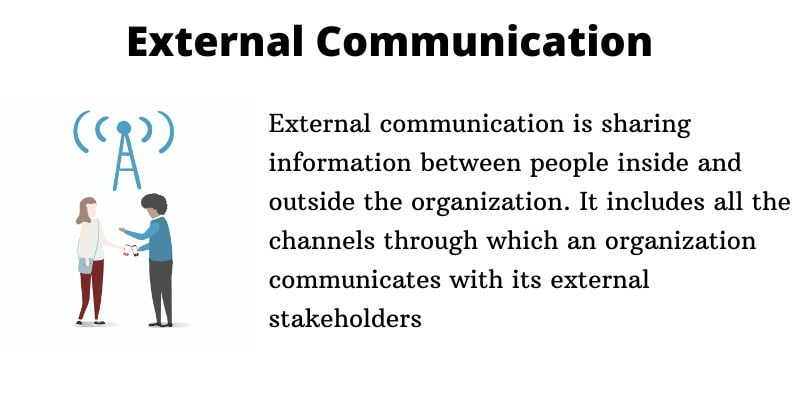
External communication is the exchange of information between an organization and people outside it. This includes customers, suppliers, investors, media representatives, government agencies, and the public. It can be formal or informal, verbal or written, digital or in-person. Regardless of the method, its primary goal is to create a clear understanding of the organization’s value, mission, and message.
Organizations engage in external communication to increase visibility, drive sales, manage public relations, and build lasting relationships with stakeholders. Strategic communication is also used to generate interest, raise awareness, and respond to external challenges like crisis management or brand reputation issues. It’s a critical component of any marketing or PR strategy.
Importance of External Communication
Develops Community Relations
Building strong community ties is crucial for long-term success. When companies take the initiative to connect with local groups, nonprofit organizations, or even online communities, they demonstrate a commitment to mutual growth and responsibility. External communication is the foundation of such relationships and enables dialogue that benefits both parties.

Through consistent and intentional engagement, organizations foster goodwill and open channels for collaboration, sponsorships, and shared campaigns. Whether through community newsletters, public announcements, or social impact partnerships, this type of communication helps establish the brand as trustworthy and connected.
Helps Share and Collect Information
External communication isn’t just about sharing your message—it’s also about listening. Businesses use it to inform the public, partners, or clients about new developments, promotions, and updates. At the same time, it allows companies to gather feedback and data that can improve products, services, or customer experience.
For example, surveys, online reviews, and support inquiries all serve as two-way communication channels. They let customers share what’s working and what isn’t, while businesses listen, analyze patterns, and respond with improvements. This ongoing feedback loop strengthens relationships, increases loyalty, and helps organizations stay competitive in a rapidly changing market.
Builds the Company’s Image and Reputation
Your brand’s image is shaped not only by what you do but by how you communicate it. External communication plays a pivotal role in defining how your organization is perceived by the outside world. Whether through advertising, media appearances, or social media, the message you send directly impacts public opinion.
An intentional communication strategy makes your organization look professional, credible, and consistent. When messages are clear, timely, and aligned with your values, they build trust with consumers. This approach reinforces your brand identity, reduces confusion, and strengthens relationships—leading to higher confidence, increased loyalty, and better outcomes even in saturated, highly competitive markets.
Helps Maintain Existing Customers and Reach More Potential Customers
Companies that invest in thoughtful communication can better retain existing clients and expand their reach. Regular outreach through newsletters, personalized updates, or follow-up emails ensures that customers feel valued and informed. Using proven follow-up email strategies can help businesses stay top of mind without overwhelming recipients. This continuous engagement encourages repeat business.
At the same time, external messaging attracts new audiences by clearly showcasing the brand’s benefits and unique differentiators. Launch announcements, targeted campaigns, and strategic collaborations help businesses reach new markets and demographics. By highlighting value, sharing relevant stories, and demonstrating credibility, organizations can convert first-time visitors into engaged leads and long-term customers.
Creates Greater Transparency and Credibility for the Company

Today’s consumers demand transparency from the brands they interact with. Consistent and honest communication helps organizations build trust and demonstrate accountability. When companies are clear about their values, operations, and intentions, it creates a sense of openness. Being accessible and informative across communication channels fosters long-term credibility.
It reassures stakeholders that your business is transparent and accountable, especially when circumstances are difficult. By openly sharing what’s happening and taking responsibility for outcomes, you reduce uncertainty and build trust. This approach helps maintain credibility, strengthens relationships, and demonstrates professionalism under pressure.
Improves Crisis Management Capabilities
In times of crisis, the strength of your external communication can make or break your reputation. Whether it’s a data breach, product recall, or PR issue, having an established communication plan ensures you can respond quickly and professionally. Transparent communication during crises helps control the narrative, reduce confusion, and reassure stakeholders.
It also positions your organization as competent and empathetic—essential qualities for rebuilding trust. Respond quickly, acknowledge the impact, and clearly explain next steps. This helps stabilize operations, reduces uncertainty, and reassures stakeholders that the situation is being handled with control and care.
Common Examples of External Communication
News Releases
A news release is a statement issued to the media that announces something new or noteworthy about the company. It might be an event, a product launch, a change in management, or any other major development. News releases should be well-written and formatted correctly. They should also be concise and to the point, with all the essential information.
For example, a news release about a product launch should include the product’s name, features, price, and launch date. When drafting a news release, the target audience must be kept in mind. The language and tone should be persuasive yet professional. Be sure to proofread and fact-check the release before sending it out.
Social Media Posts
This kind of external communication can take many forms, such as tweets, Facebook posts, LinkedIn updates, and blog posts. Social media posts are a great way to share information with customers and other stakeholders informally. They can also help to build relationships with customers and promote brand awareness.

However, it’s important to remember that social media is public-facing, so always use caution when posting sensitive information. When writing social media posts, use eye-catching visuals and catchy headlines to get more shares and engagement. Keep them short and sweet, so they’re easily read on mobile devices. And always make sure the information is accurate before posting it.
Press Conference
Press conferences should be well-organized and well-prepared. The spokesperson should be familiar with the company’s messaging and be able to answer any questions that reporters may ask. It’s important to remember that press conferences are a public relations tool, so the spokesperson should act professionally and courteously.
Press conferences can build strong relationships with the media, increase credibility, and generate positive coverage. With a clear agenda, prepared messaging, and a spokesperson ready to address questions, companies can shape the narrative, respond quickly to concerns, and share timely updates that resonate with key stakeholders.
Website Content and Blogging
It includes anything from the company’s About Page to product descriptions and blog posts. Website content should be well-written, accurate, and persuasive. It should also be keyword-rich to ensure that it ranks highly in search engines. Blogging can be used to announce the news, share product developments, or give insights into the company’s day-to-day operations.
When writing a blog post, begin with a strong, catchy headline, and add visuals to make it easier to scan. Keep paragraphs short, emphasize key takeaways, and include only essential details. Make sure every point is clear, accurate, and engaging from start to finish. After publishing, review performance metrics (views, clicks, and shares) to continuously improve future posts.
Email Newsletter
As their name implies, these websites aim to engage their users with news and updates while gently encouraging people to purchase a product or service. By subscribing to your email list, people agree to receive emails with updates about your product, business, or non-profit. When somebody provides their email address to join your list, they become subscribers and are now considered a lead or contact.
That makes them a key part of external communication because they combine value and permission-based outreach. A well-managed newsletter helps you build trust over time, keep your brand top-of-mind, and deliver relevant updates directly to interested leads. Always include clear unsubscribe options and respect privacy regulations like GDPR or CAN-SPAM.
Tips on How to Be Good at External Communication
Know Your Audience
When communicating with external audiences, it’s essential to remember who your audience is and what they need to know. Remember that different audiences will require different approaches. The goal should be to provide the needed information without overwhelming them. Use relevant examples, anticipate questions, and match tone and format to their expectations.

Be Clear and Concise
It means understanding who you’re communicating with and tailoring your message to match their needs and expectations. It also means keeping it brief and direct—removing anything that doesn’t support the main point. Avoid unnecessary detail and jargon so your audience can quickly understand the key takeaway.
Be Responsive
To succeed in external communication, you need to be responsive to the people you’re communicating with. In today’s fast-paced world, people expect quick responses to their inquiries. It includes promptly responding to their emails, phone calls, and text messages—preferably within 24 hours or less.
Use Various Channels
Don’t rely on a single communication method—mix it up. Use email, social media, phone calls, and face-to-face meetings to keep stakeholders informed. Share updates consistently, tailor the channel to the message and audience, and respond quickly to questions. This helps maintain engagement, clarity, and alignment across your project or organization.
Be Consistent
It’s essential to be consistent in the quality and frequency of your communications with stakeholders. If you only update people when there’s a problem, trust erodes quickly. Consistent, proactive messaging builds confidence, reduces uncertainty, and helps stakeholders stay aligned—so your project updates are expected, understood, and valued.

Difference Between Internal and External Communication
Internal Communication
Internal communication is typically focused on exchanging information within an organization. It can be carried out among several people on various communication channels. Using internal communications software, you can receive or send an instant message to a coworker about the staff meeting while getting an email from your boss about the new hires beginning next week. Internal communication is vital for many reasons, one of which is that it reinforces the company’s overarching mission, vision, and values.
External Communication
External communication, on the other hand, refers to the transfer of information between a business and outside the organization. Although people within the company can still see the message, it is intended for an external audience. External communication helps you achieve the goals laid out in your marketing plan. It includes various messages like advertising, press releases, social media posts, and your company’s website. You can develop these messages yourself or use a marketing service provider to do it for you.
Communicating internally is not enough. Organizations should know how to do effective external communication to succeed. Reaching the external audience is essential to promote the company’s products, services, and brand.
Conclusion
Mastering external communication is more than a strategic advantage—it’s a necessity. It helps companies build their brand, strengthen customer relationships, and create a positive public image. Whether it’s through digital channels or direct engagement, how you communicate with the outside world has a lasting impact.
To be successful, organizations must tailor their messaging to different audiences, choose the right communication channels, and maintain consistency. When executed effectively, external communication can transform public perception, drive engagement, and fuel growth in meaningful ways.
Frequently Asked Questions About External Communication
What is external communication in project management?
External communication is the exchange of information between a business or project team and people outside the organization—such as clients, vendors, partners, regulators, or the general public. It includes updates, feedback, and responses that help align expectations, build trust, and support smoother collaboration throughout a project’s lifecycle.
Why is external communication important?
It helps build trust, maintain transparency, and ensure alignment with stakeholders by clarifying goals, timelines, and expectations. When external parties understand the “why” behind decisions, they’re more likely to stay engaged, reduce misunderstandings, and support smoother delivery—ultimately protecting project success and strengthening brand reputation.
What are some examples of external communication?
Examples include client meetings, press releases, marketing campaigns, emails to vendors, customer support interactions, and public announcements. These touchpoints help organizations share updates, respond to concerns, reinforce brand trust, and keep external stakeholders informed and aligned throughout the project lifecycle.
How can teams improve their external communication?
Teams can improve external communication by setting clear protocols for updates and approvals, using the right tools (email, video, CRM, and collaboration platforms), keeping a consistent tone and messaging style, and actively listening to stakeholder feedback to adapt quickly.
What tools are best for external communication?
Popular tools include email platforms like Outlook or Gmail, video conferencing apps such as Zoom or Google Meet, CRM systems for tracking stakeholder interactions, project management tools for collaboration, and social media management platforms to publish updates and engage the public.
Suggested articles:
- 6 Team Agile Communication Techniques & Digital Tools
- What Are The 5 C’s Of Communication In Project Management?
- Communication Channels in Project Management: Formula & Examples

Shane Drumm, holding certifications in PMP®, PMI-ACP®, CSM, and LPM, is the author behind numerous articles featured here. Hailing from County Cork, Ireland, his expertise lies in implementing Agile methodologies with geographically dispersed teams for software development projects. In his leisure, he dedicates time to web development and Ironman triathlon training. Find out more about Shane on shanedrumm.com and please reach out and connect with Shane on LinkedIn.