
A release plan template is one of the most practical tools available to a Product Owner managing software updates or new feature rollouts. It brings together all the components of a large project into a single, structured document, allowing the product team to build a clear and actionable roadmap. This roadmap defines when bug fixes will be addressed, when new features will be delivered, and what users can expect at each stage of development.
Compared to other roadmap types, a release plan operates within a relatively short timeframe, typically spanning two to four sprints or six to twelve weeks. This focused scope makes it easier to track imminent developments without losing sight of priorities. The plan is agile by nature, designed to adapt as new feedback and data become available, keeping teams aligned with real-world conditions rather than outdated assumptions.
What Elements Are Needed for a Release Plan Template to Work?
A release plan template is not a rigid document. It flexes to meet the specific demands of each product, team, and release cycle. Understanding the core elements that belong in every template helps Product Owners build plans that are both comprehensive and adaptable. The essential elements of a strong release plan template include:
- Proposed Release Dates: Clear timelines for each release or iteration, giving the team and stakeholders shared visibility into what is coming and when it is expected to be delivered.
- Product Release Plan: A top-level overview of the release scope, including goals, key deliverables, and the features or fixes slated for each cycle, ensuring the entire team is working from the same document.
- Iteration Breakdown: A structured view of each sprint or iteration within the release, detailing what work is planned, what dependencies exist, and how individual iterations contribute to the overall release goal.
- Per-Iteration Plans: Granular plans for each iteration that specify which features are being developed, what the expected outcomes are, and how progress will be measured against the release goals.
- Feature Development Mapping: A clear record of which features are being developed in each iteration, including priority rankings, effort estimates, and expected completion dates aligned with the release schedule.
- Release Date Feature Alignment: A consolidated view of every feature or enhancement scheduled for each release date, ensuring nothing is overlooked and every deliverable maps directly to a planned outcome.
How to Create a Successful Product Release Plan
Creating a product release plan is a structured process that requires input from multiple stakeholders, a clear product vision, and the flexibility to adjust as circumstances change. The steps below walk through a proven approach that Product Owners can apply to any release cycle.
Step 1: Define the Product Vision
The product vision is the foundation upon which every other decision in the release plan is built. It guides prioritization, resource allocation, and scope decisions throughout the release cycle. Before moving forward, confirm that the product aligns with organizational objectives and market expectations. Consulting senior executives and key stakeholders at this stage ensures that the vision is both realistic and strategically sound.
Step 2: Review the Backlog and Draft the Plan
With the vision established, the next step is to evaluate the product backlog and rank initiatives by importance. Map out user stories based on stakeholder input and product goals, then create a draft release plan that includes proposed dates, release goals, and a prioritized list of user stories. This draft forms the working document that the team will refine in subsequent steps.
Step 3: Align Stakeholders Through a Review Meeting
Once the draft is ready, bring stakeholders together to review the plan, provide feedback, and agree on the final direction. This meeting is also the time to resolve any conflicts around priority, capacity, or timelines. Because the release plan template is flexible, changes can be incorporated quickly, allowing the team to finalize strategy and confirm collaboration commitments without significant delay.
Step 4: Finalize and Distribute the Release Plan
After incorporating feedback from the stakeholder meeting, finalize all dates, confirm feature assignments, and distribute the completed plan to every relevant party. Every stakeholder should be clearly informed of updates and their responsibilities. A well-documented final release plan sets expectations, reduces ambiguity, and gives the development team a stable foundation to execute against throughout the release cycle.
Release Plan Templates in Excel
Excel-based release plan templates are widely used because of their flexibility and familiarity across teams. They allow Product Owners to customize columns, add formulas, and track progress in real time without requiring specialized software. Excel templates work well for teams managing multiple sprints or complex feature sets that benefit from sortable, filterable data views.
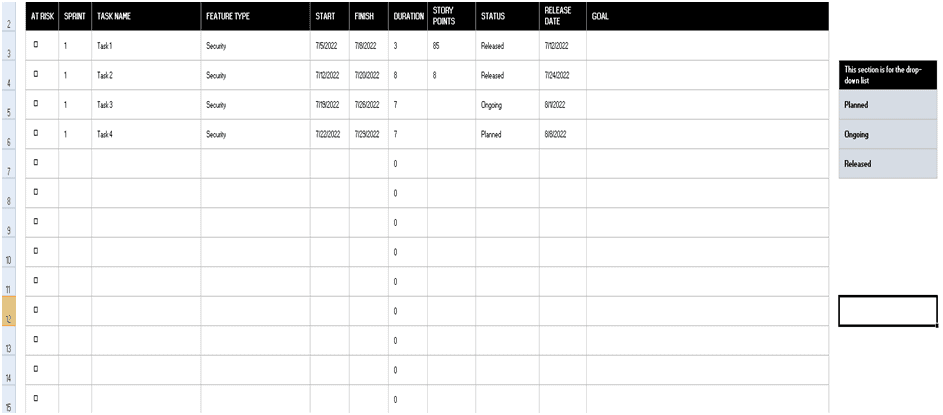
Free Agile Project Management Templates in Excel
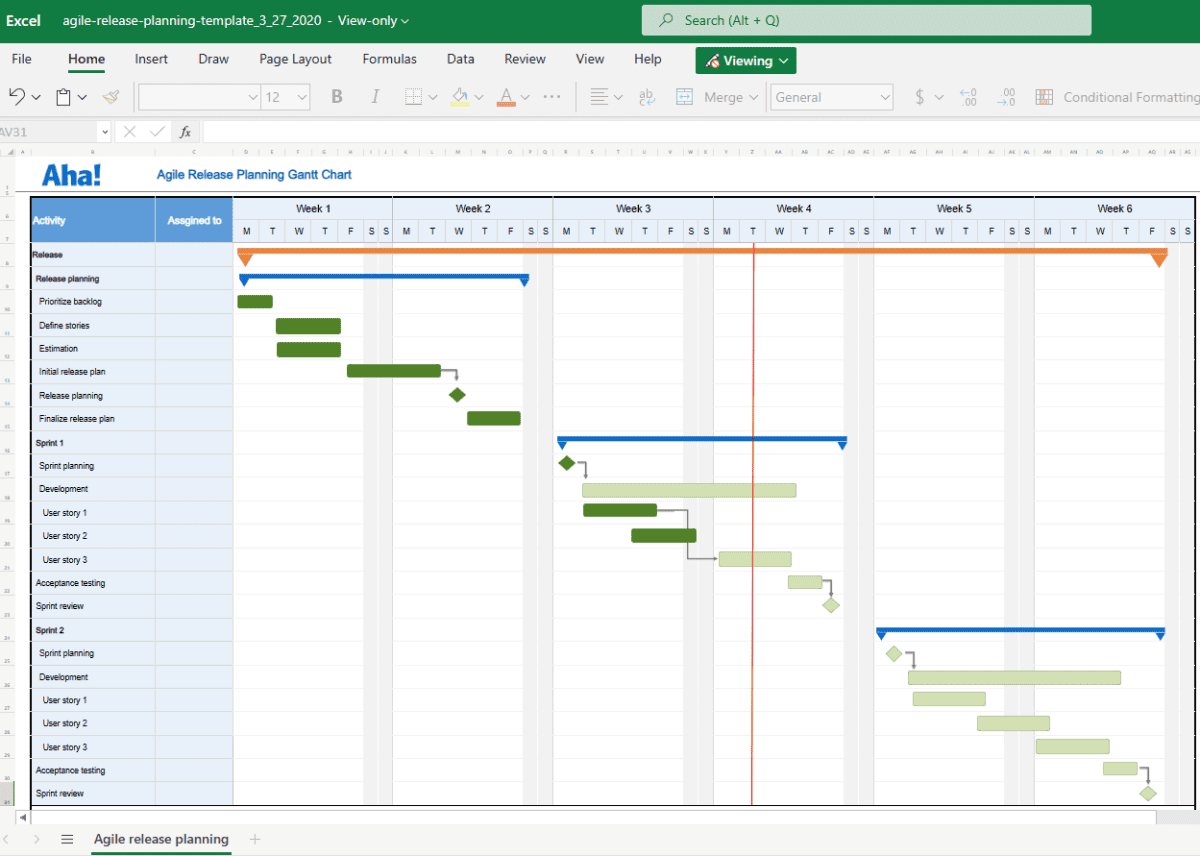
Agile Release Planning Template Excel
Popular Excel options include agile project management templates and agile release planning templates, both of which provide pre-built structures that teams can adapt to their specific workflows. These templates typically include sprint timelines, capacity tracking, and feature prioritization columns, giving Product Owners everything they need to maintain a detailed and up-to-date release plan.
ITIL Release Plan Template
For organizations following the IT Infrastructure Library framework, the ITIL release plan template provides a standardized approach to planning and managing releases within a governed IT environment. It aligns release activities with change management processes, ensuring that each release is properly authorized, documented, and reviewed before deployment.
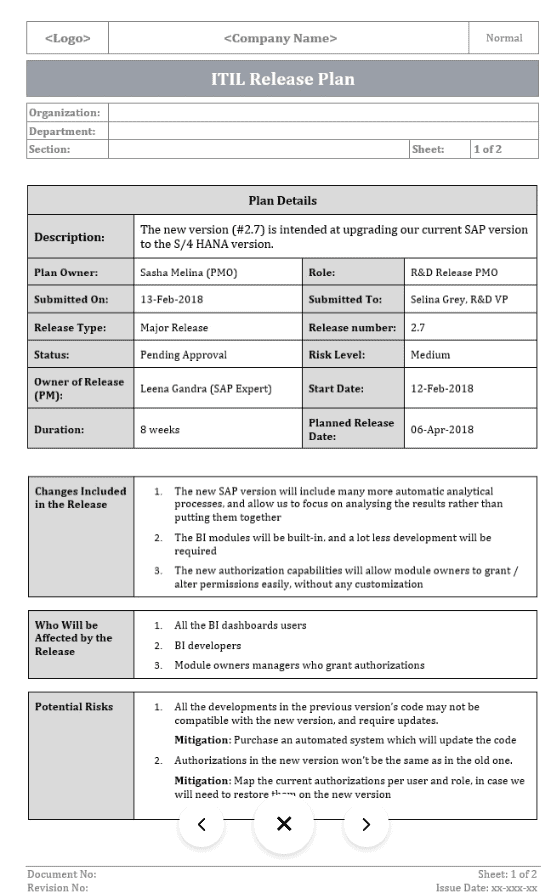
ITIL release plan template – ITIL Docs – ITIL Templates and Training Courses (itil-docs.com)
The ITIL release plan template is particularly valuable for teams operating in regulated industries or enterprises with strict change control requirements. It structures the release process around defined roles, responsibilities, and approval gates, reducing the risk of failed deployments and ensuring that all stakeholders are informed and aligned before any release goes live.
Release Plan Templates for Product Managers
Product managers benefit from release plan templates that bridge the gap between strategic roadmaps and execution-level sprint plans. These templates are designed to communicate release scope and timelines clearly to both technical teams and business stakeholders, without overwhelming either audience with unnecessary complexity.
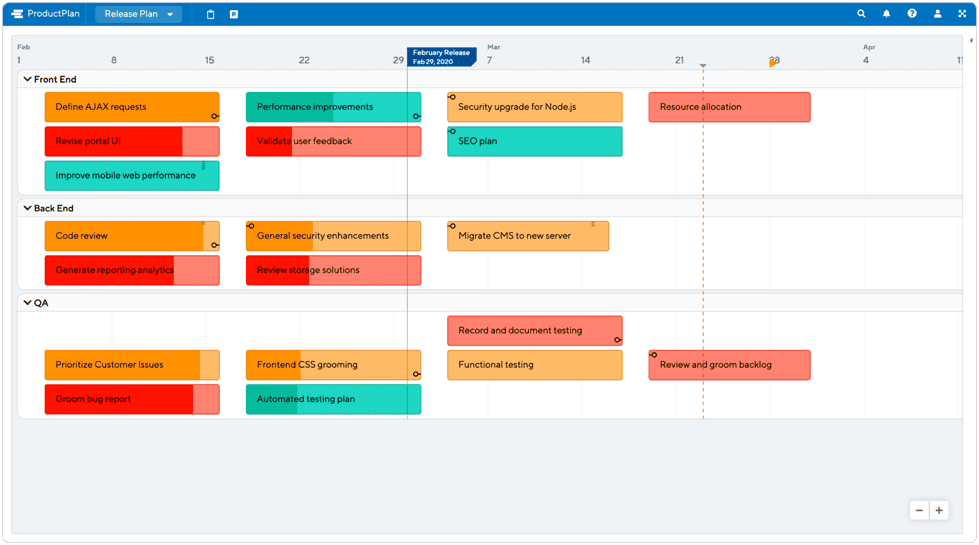
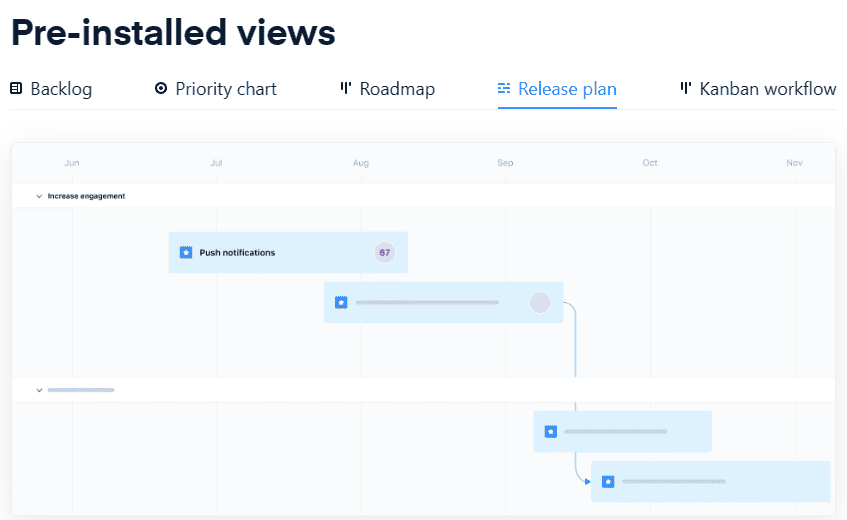
Tools like Airfocus offer release plan templates that are purpose-built for product management workflows. They combine visual roadmap elements with detailed feature tracking, making it easier for Product Managers to maintain alignment across teams while staying responsive to changing priorities throughout the release cycle.
Release Plan Templates in PowerPoint
PowerPoint-based release plan templates are an effective choice for teams that need to present release information to stakeholders in a visual, easy-to-follow format. Unlike spreadsheet-based templates, PowerPoint versions prioritize communication and clarity, making them well-suited for sprint reviews, executive briefings, and cross-functional alignment meetings where a structured visual narrative carries more weight than raw data.
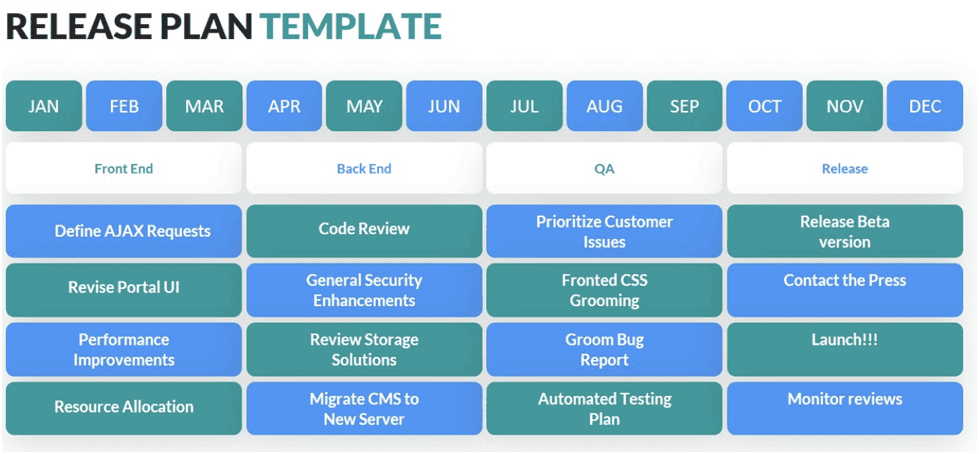
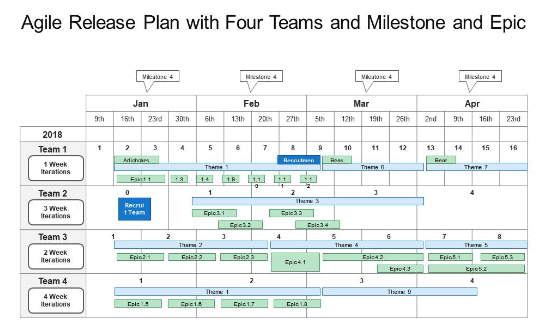
PowerSlides offers an editable agile release plan template designed specifically for product and project management workflows. The slides are fully customizable, allowing teams to map out sprint timelines, feature priorities, and release milestones without starting from scratch. For teams managing more complex releases, SlideTeam provides an agile release plan template built around four parallel teams, complete with milestone tracking and epic-level planning, giving Product Owners a clear visual structure for coordinating work across multiple workstreams simultaneously.
Release Plan Template Best Practices
Following best practices when building and managing a release plan template ensures that the document remains useful, accurate, and trusted by everyone who relies on it throughout the release cycle.
- Managing Your Audience: Development and product teams are the primary audience for the release plan. While external stakeholders and executives need to be consulted during the initial phase, the plan’s level of detail should be calibrated for the teams responsible for executing it.
- Selecting Template Items Carefully: When deciding which items to include in your release plan template, evaluate each one against strategic fit, customer value, and the complexity involved in delivering it within the planned timeframe.
- Leveraging the Template Fully: Using the template consistently across release cycles optimizes internal processes, reduces redundant work, and ensures that every team member is operating from a single source of truth.
- Setting Clear Expectations: Grounding the release plan in real data and honest capacity estimates keeps the development team focused on achievable goals and gives stakeholders a reliable basis for planning their own activities around the release.
Video Explaining How to Create a Release Plan
Not sure where to start with release planning? This video walks you through the entire process step by step, covering how to set goals, structure your iterations, and build a plan your team can actually execute and stick to.
Conclusion
A well-structured release plan template gives Product Owners and product managers the clarity and control they need to deliver software updates efficiently and predictably. By capturing release goals, feature timelines, iteration breakdowns, and stakeholder expectations in one organized document, the template eliminates ambiguity and keeps every team member working toward the same outcomes. Whether the team is running two-week sprints or managing a multi-team release across twelve weeks, a good template scales to meet the demand.
Choosing the right format, whether Excel, PowerPoint, Word, or a purpose-built product management tool, depends on team size, workflow complexity, and stakeholder communication needs. What matters most is that the template is used consistently, updated regularly, and shared transparently. Teams that treat the release plan as a living document rather than a one-time exercise are far better positioned to deliver quality releases on time and adapt confidently when priorities shift.
Frequently Asked Questions
What three things need to be available to create a release plan?
To create a release plan, three inputs are essential: an estimate of the team’s velocity or capacity for each sprint, a prioritized list of features or items to be included in the release, and high-level effort estimates for each of those items. Without all three, it becomes difficult to build a plan that is both realistic and committal.
What should a release plan include?
A release plan should include proposed release dates, iteration-level breakdowns, feature and enhancement listings, release goals, and stakeholder alignment documentation. Unlike a long-term product roadmap, a release plan is focused on near-term deliverables and contains more specific details about what will be built and when it will be ready.
What are the most common challenges in release planning?
Release planning frequently runs into challenges such as poor build quality caused by rushed timelines, low visibility across teams, failed or rolled-back releases, and uncontrolled variables in the live environment. Addressing these challenges requires honest capacity planning, thorough testing, and a clear escalation process when issues arise before or during a release.
Who is responsible for managing the release plan?
The Product Owner is primarily responsible for the release plan. This includes managing stakeholder expectations, deciding what features to build and in what order, and maintaining the product backlog. The Product Owner ensures the plan reflects both business priorities and team capacity at all times.
How often should a release plan be updated?
A release plan should be reviewed and updated at the end of every sprint or iteration, at a minimum. Any significant change in priorities, team capacity, or product direction should trigger an immediate review. Keeping the plan current ensures that all stakeholders are working from accurate information and that the team remains focused on deliverables that still reflect the product’s current goals.
Suggested articles:
- 7 Free Release Notes Templates
- 18 X Product Canvas Template PPT, Word
- 18 x Product Launch Plan Templates

Shane Drumm, holding certifications in PMP®, PMI-ACP®, CSM, and LPM, is the author behind numerous articles featured here. Hailing from County Cork, Ireland, his expertise lies in implementing Agile methodologies with geographically dispersed teams for software development projects. In his leisure, he dedicates time to web development and Ironman triathlon training. Find out more about Shane on shanedrumm.com and please reach out and connect with Shane on LinkedIn.