

Task planning is a critical component of project management, one that determines whether a project stays on course or falls apart under pressure. A well-constructed task plan defines each item’s start and end date, the resources assigned to it, and its dependencies on other tasks. When these elements are clearly mapped from the outset, teams gain the clarity they need to execute their work with confidence and avoid costly delays.
The principles of task planning are universal, regardless of the type or scale of the project being undertaken. Breaking a project down into smaller, more manageable parts helps teams maintain focus, track progress, and surface potential issues before they escalate. This article explores the process of task planning, the tools that support it, and the practices that give project managers the greatest chance of success.
The Importance of Task Planning for Project Managers
Task planning is important because it ensures all project work is accounted for and completed in a timely, structured manner. A well-planned task has a clear purpose, defined start and end dates, assigned resources, and measurable milestones. Without this structure, tasks can quietly consume time and budget without producing meaningful progress, leaving teams frustrated and projects at risk.
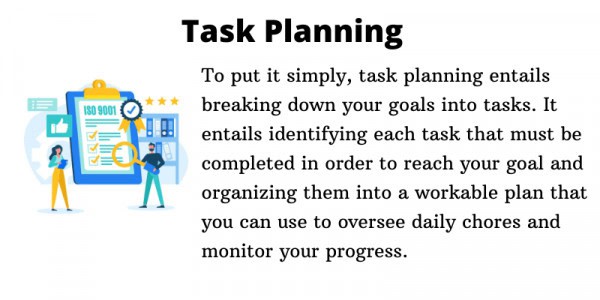
Assigning tasks to specific individuals ensures that every team member understands their responsibilities and knows how their work contributes to the broader objective. While task planning may appear straightforward on the surface, it involves a significant degree of strategic thought. When done correctly, it becomes one of the most powerful instruments available to a project manager.
How to Plan Tasks?
Creating a task plan can seem daunting at first, but breaking the process into structured steps makes it far more manageable. The goal is to find an approach that works for both the project and the team, allowing planning to become a repeatable, efficient practice over time. A clearly defined plan gives every team member a shared understanding of what needs to be done and when.
Project managers use a variety of tools and techniques to structure their task plans effectively. These include:
- Gantt charts for visual scheduling
- Network diagrams for mapping task dependencies
- Critical path analysis for identifying the sequence of tasks that directly affect the project end date
Here are the core steps for building a solid task plan:
- Define the Goal of the Project: Begin by establishing what the project is intended to achieve. Setting a clear goal ensures that every subsequent task serves a defined purpose, reducing the risk of scope creep or wasted effort.
- Break the Project Down Into Smaller Tasks: Decompose the overall goal into individual, actionable tasks. Smaller tasks are easier to assign, track, and complete, and they make it simpler to spot bottlenecks early.
- Assign a Due Date to Each Task: Sequencing tasks and attaching realistic deadlines creates a logical workflow. This step involves identifying which tasks depend on others and scheduling them in an order that supports efficient delivery.
- Create a Visual Representation: Use project management software or a simple visual checklist to map your task plan. Tools such as Trello and Notion are accessible options that help teams stay aligned and informed throughout the project.
Use Task Planning Online Tools
Task planning tools are essential for project managers who need to coordinate work across teams, track deadlines, and maintain visibility into overall progress. Many teams also rely on productivity tools like Akiflow to keep tasks organized across calendars and workflows. The right tool can eliminate confusion, reduce manual effort, and keep every stakeholder informed in real time.
Several platforms have become industry standards due to their flexibility and depth of features. These platforms range from simple visual boards to fully integrated work management systems that support everything from marketing campaigns to development sprints. Here are some of the most widely used task planning tools available today:
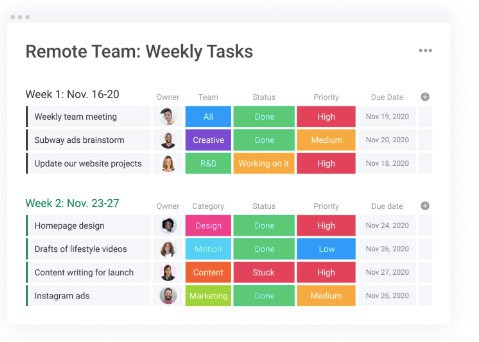
1. Monday.com
A highly versatile platform that supports time tracking, calendar views, timeline views, and collaboration features. It is designed to accommodate a wide range of use cases, making it suitable for teams of varying sizes and project types.
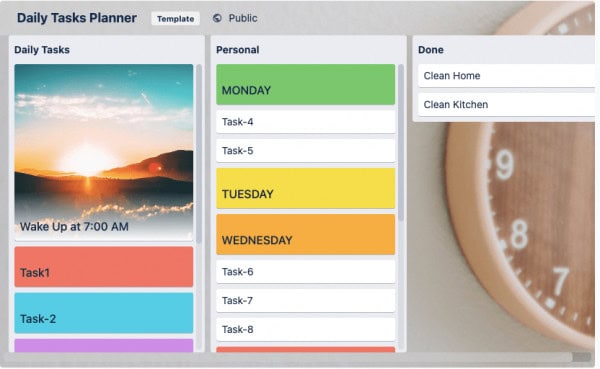
2. Trello
A flexible, card-based tool that allows users to create and name lists freely, without restrictions on how many are displayed simultaneously. Its simplicity makes it a popular choice for teams that want a low-friction visual planning system.
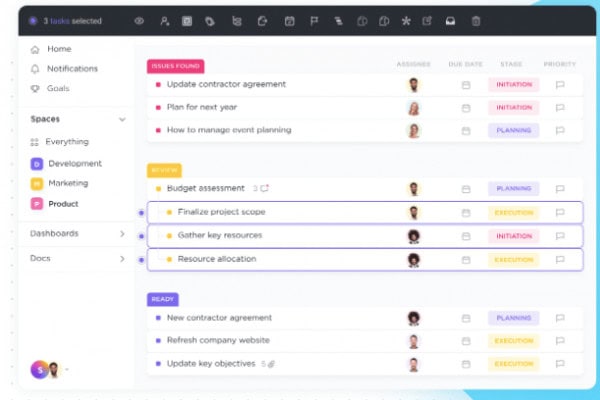
3. ClickUp
A comprehensive platform that enables teams to plan, track, and collaborate on any project in a single workspace. It supports marketing campaigns, development sprints, and custom workflows, making it one of the most adaptable tools available.
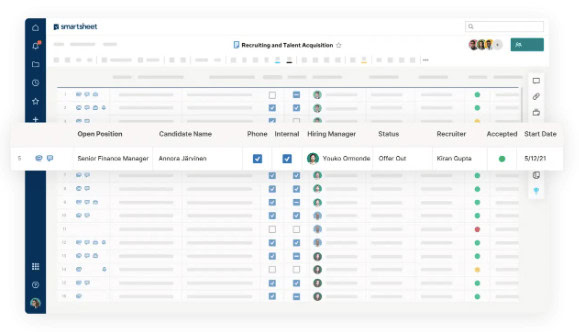
4. Smartsheet
A powerful platform known for its robust integration capabilities and enterprise-grade scalability. It enables organisations to align global teams instantly, making it particularly well-suited to large, distributed projects.
Tips for a Successful Task Planning
Effective task planning requires more than just listing what needs to be done. It demands realistic thinking, careful resource assessment, and a structured approach to both delegation and uncertainty. Teams that invest time in planning tend to navigate challenges more efficiently and deliver stronger outcomes.
There is no single formula that guarantees successful task planning, but a set of consistent practices can significantly improve results. The following guidelines reflect best practices drawn from experienced project managers across a range of industries. Here are the key principles to keep in mind:
- Be Realistic in Your Planning: Set attainable goals and account for potential obstacles from the outset. If a task appears too large or complex, break it into smaller, more achievable steps to avoid team overwhelm.
- Define Your Goals and Objectives: Before assigning a single task, establish precisely what the project is meant to achieve. A well-defined objective provides the foundation for every subsequent planning decision.
- Create a Timeline: Once goals are clear, build a structured timeline that sequences tasks in a logical order. A timeline provides a shared frame of reference and helps teams identify where their time and effort should be focused at any given point.
- Know Your Resources: Assess the labour, materials, and budget available before committing to a plan. Understanding resource constraints early enables more accurate scheduling and prevents overcommitment.
- Delegate Tasks: Assign work to the individuals or teams best equipped to complete it. Effective task delegation distributes responsibility, reduces bottlenecks, and ensures that all tasks move forward in parallel where possible.
- Account for the Unexpected: No project unfolds exactly as planned, so build contingency thinking into your approach from the start. Flexibility and a willingness to adapt are as important as the initial plan itself.
Improve Yourself
Strengthening your task planning skills is an ongoing process that benefits from structured learning and practical application. Projectmanagers.net offers project management resources and professional development courses designed for aspiring and practising project managers. The platform covers foundational concepts as well as more advanced techniques relevant to managing complex, multi-stakeholder projects.
Completing these programmes equips professionals with the skills to manage tasks effectively, lead project teams, communicate clearly with stakeholders, and meet demanding deadlines. Whether you are new to project management or looking to sharpen your existing capabilities, structured training provides a disciplined framework for consistent improvement.
Video About Project and Task Planning With Notion
Watch how Notion can transform the way you plan and manage projects. In this video, Marie Poulin walks through how to build a powerful project and task planning system inside Notion — perfect for project managers looking to streamline their workflow.
Conclusion
Task planning is the foundation upon which successful projects are built. By defining clear goals, breaking work into manageable components, assigning resources thoughtfully, and selecting the right tools, project managers can significantly improve both team performance and project outcomes. The practices outlined in this article provide a practical framework for any project, regardless of size or complexity.
When task planning becomes a disciplined habit rather than an afterthought, teams gain confidence, reduce uncertainty, and deliver results more consistently. Investing in your planning skills, whether through professional training or daily practice, pays dividends across every project you lead. Start applying these principles today and build the habits that drive lasting project success.
FAQs
What is task planning in project management?
Task planning in project management is the process of creating a detailed plan for how a project will be executed. It includes a comprehensive list of all tasks required, the timeline for each, assigned resources, and dependencies between tasks. The goal is to ensure that the project is completed on time and within budget, with every team member clear on their role.
What are the best tips to improve task planning?
Start by breaking the project into smaller, clearly defined components. Involve all relevant stakeholders in the planning process to ensure nothing important is overlooked. Use visual tools such as Gantt charts to map the project timeline and track progress, and revisit the plan regularly to reflect changes in scope or resources.
Why is it important to plan tasks as a project manager?
Task planning is critical because it keeps projects on track against deadlines, helps control costs by preventing unplanned resource use, and ensures the team can work effectively and efficiently. Without a structured task plan, it becomes very difficult to identify risks early, assign accountability clearly, or maintain momentum throughout the project lifecycle.
How do you plan tasks as a project manager?
Begin by identifying the project’s goals and breaking them down into specific, actionable tasks. Assign each task to the appropriate team member and set realistic deadlines for completion. Then track progress consistently, using your chosen project management tool to monitor status and make adjustments as circumstances change.
Which task planning tools are most widely used?
Among the most widely adopted tools are Monday.com, Trello, ClickUp, and Smartsheet. Each platform offers a distinct set of features suited to different team sizes and project types. The right choice depends on your team’s workflow preferences, the complexity of the project, and the level of integration required with other business systems.
Suggested articles:
- The Importance and Advantages of Subtasks
- 4 Free Project Planning Templates For Better Project Management
- Advantages of Fast Tracking vs Crash Planning

Shane Drumm, holding certifications in PMP®, PMI-ACP®, CSM, and LPM, is the author behind numerous articles featured here. Hailing from County Cork, Ireland, his expertise lies in implementing Agile methodologies with geographically dispersed teams for software development projects. In his leisure, he dedicates time to web development and Ironman triathlon training. Find out more about Shane on shanedrumm.com and please reach out and connect with Shane on LinkedIn.