
Writing a request for proposal, or responding to one, takes more coordination than most teams expect. Subject matter experts need to weigh in, content has to stay consistent across documents, and deadlines rarely leave room for error. RFP writing software exists to remove the friction from that process so teams spend less time formatting and more time refining their message.
This guide walks through 14 applications that support different parts of the proposal workflow, from content libraries to AI-assisted drafting. It also covers how to evaluate these tools, what has changed as artificial intelligence has entered the category, and which features actually move the needle on win rates. The next section breaks down how to think about your selection criteria. The Requests for Proposals (RFPs) tools below are grouped by their core strength so you can scan for what matches your team’s needs.
What Is RFP Writing Software?
RFP writing software is a category of applications that help teams draft, organize, and submit requests for proposals or respond to RFPs issued by other organizations. These platforms typically combine a searchable content library with collaboration tools, formatting templates, and increasingly, AI features that draft or suggest responses based on prior submissions.
The category has shifted noticeably in recent years. Generative AI adoption among proposal teams has roughly doubled in a single year, moving from about a third of teams to over two-thirds, according to industry tracking by Loopio’s research team. That shift means most platforms now offer some form of AI assistance, though the depth of that assistance varies widely between simple content retrieval and genuine draft generation.
How to Choose RFP Writing Software
Selecting the right platform depends on your team’s size, the complexity of the RFPs you handle, and how much existing content you already have to work from. A short evaluation checklist makes the decision process more structured:
- Content Library Maturity: Teams with years of approved proposal content benefit most from retrieval-based tools that surface existing answers, while newer teams may need platforms that generate fresh content from scratch.
- AI Transparency: Look for confidence scores, source citations, and audit trails so reviewers can verify where an AI-generated answer originated before it goes into a submission.
- Integration Depth: Check whether the platform connects natively to your CRM, file storage, and communication tools, since manual data transfer undermines most of the time savings.
- Compliance and Security Certifications: Regulated industries should confirm SOC 2, ISO 27001, or applicable FedRAMP authorization requirements before committing to a vendor. When evaluating government contract proposal writing software, teams should also assess CUI handling and support for compliance-focused workflows.
- Implementation Timeline: Some platforms are usable within days, while others require weeks of configuration, which matters if you have an active proposal pipeline already in motion.
- Pricing Transparency: Vendors that publish clear pricing tiers make it easier to forecast costs, while opaque quote-based pricing can delay procurement decisions.
Top RFP Response & Management Tools
These platforms are purpose-built to manage complex Request for Proposal (RFP) responses, security questionnaires, government tenders, and enterprise bidding processes. They combine AI-powered drafting, centralized knowledge management, workflow automation, and compliance tracking to help proposal teams respond faster while maintaining quality and consistency.
1. RFPIO (Responsive)
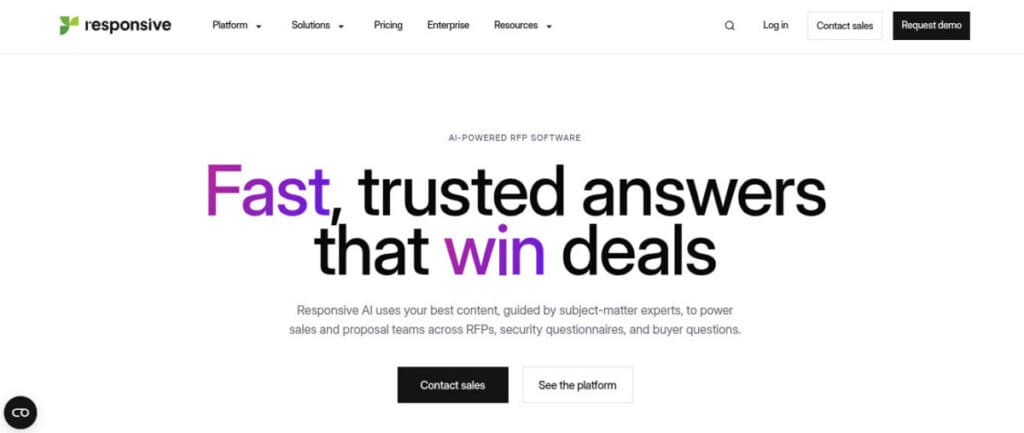
RFPIO rebranded as Responsive to reflect a broader focus on strategic response management rather than RFP drafting alone. The platform remains an automation tool built around extracting information from historical RFPs, responses, and reference documents, helping teams assemble proposals with considerably less manual searching across departments.
Responsive’s value shows up most clearly in a few key areas:
- Integration Depth: The platform offers 20 or more native integrations and over 75 API connections, making it a strong fit for organizations already invested in Salesforce, Office, and Slack.
- Compliance Matrix Automation: Responsive reviews submitted documents and automatically highlights key requirements, which speeds up the early stages of building a compliant response.
- Analytics and Reporting: Leadership gets visibility into cycle times and response performance, useful for spotting bottlenecks across a busy proposal pipeline.
- Generative AI Limitations: AI writing features sit on a legacy content management foundation, so output for high-stakes narrative proposals often needs editing, even though structured questionnaire responses perform well.
2. Loopio
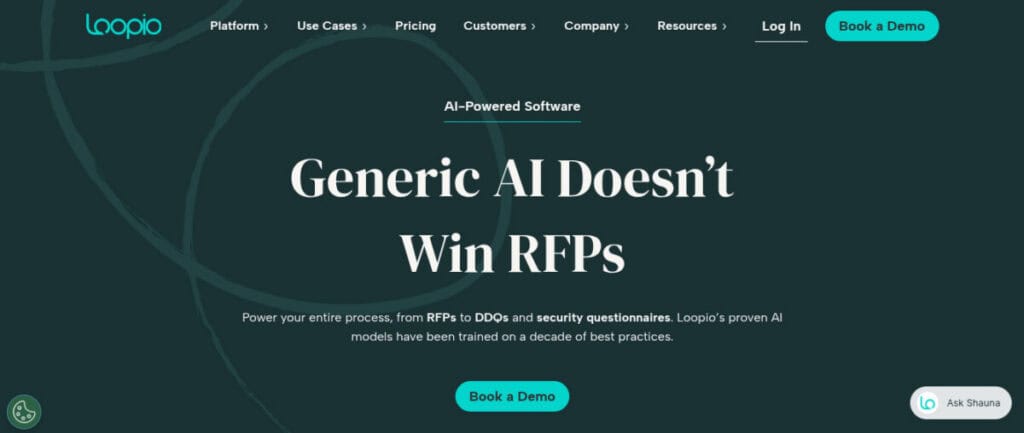
Loopio has built a reputation as one of the most established content library and RFP response platforms on the market. The platform automatically flags duplicate or stale content to keep the library accurate as RFP volume scales, supported by scheduled review cycles and role-based AI permissions backed by transparent citations.
Loopio’s standout capabilities fall into a few distinct categories:
- Portal Automation: An industry-first browser extension autofills answers directly within procurement portals, saving significant manual entry time on vendor questionnaires hosted on third-party sites.
- Governance and Version History: Role-based AI permissions are backed by transparent citations and a complete version history for every generated answer.
- Retrieval-Based AI: The AI surfaces existing content rather than synthesizing new responses when the library has gaps, which works best for teams with a large, well-maintained content base.
- Content Freshness Checks: Scheduled review cycles flag duplicate or outdated entries automatically, reducing the manual upkeep that content libraries usually require.
3. AutoRFP.ai
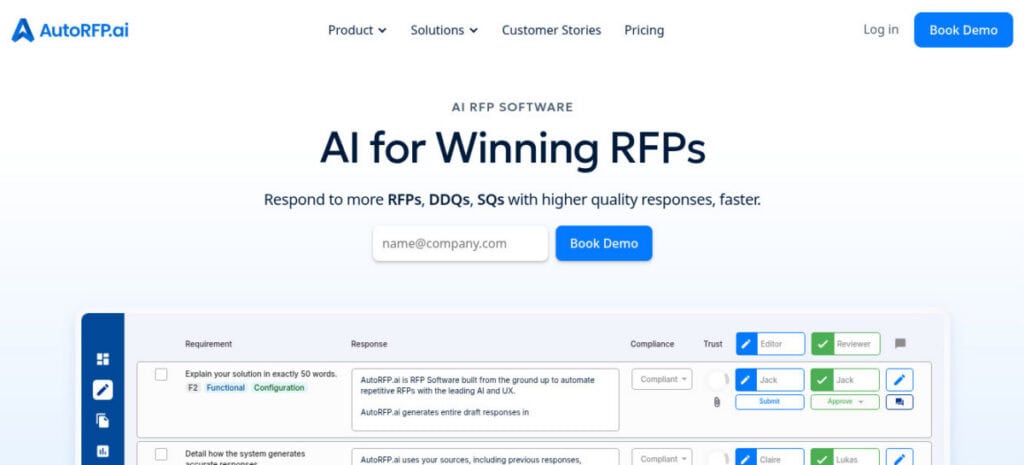
AutoRFP.ai is an AI-native proposal platform built to automate the most time-consuming aspects of responding to Requests for Proposals. Unlike traditional content library software that requires constant manual maintenance, AutoRFP.ai continuously updates its knowledge base as users work, allowing future responses to become progressively more accurate. The platform also helps teams determine whether an opportunity is worth pursuing before significant resources are invested.
AutoRFP.ai delivers its greatest value through several key capabilities:
- Self-Updating Knowledge Library: The platform automatically learns from approved responses and continuously expands its centralized content library without requiring extensive manual updates.
- AI Requirement Extraction: Complex RFP documents are analyzed automatically to identify mandatory requirements, deadlines, evaluation criteria, and requested deliverables.
- Go/No-Go Decision Support: An AI-powered qualification engine evaluates opportunities against predefined business criteria to help proposal teams prioritize high-value bids.
- Workflow Automation: Proposal creation, answer generation, reviewer assignments, and content retrieval are coordinated through automated workflows that reduce manual administrative work.
4. AutogenAI
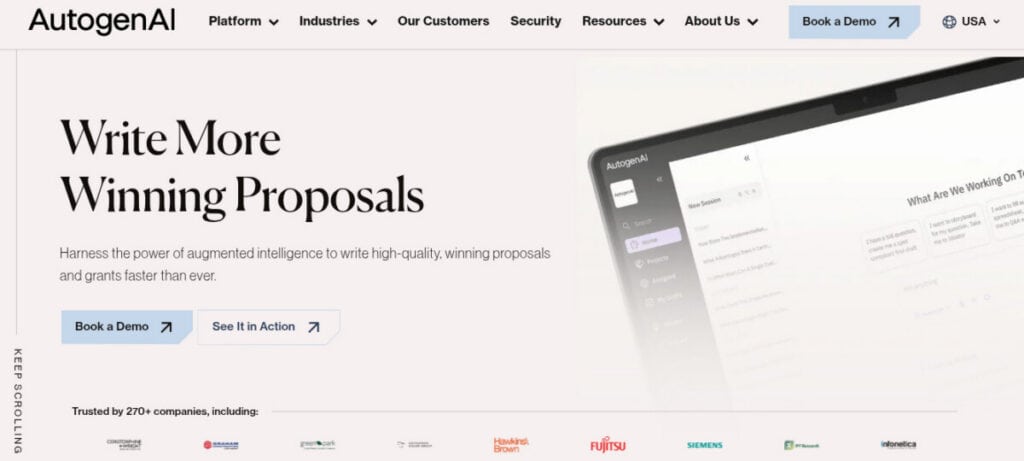
AutogenAI is an AI-first proposal writing platform designed specifically for organizations responding to complex commercial, government, and regulated procurement opportunities. Rather than simply retrieving existing answers from a content library, the platform analyzes solicitation documents, understands evaluation requirements, and generates structured proposal drafts tailored to each opportunity.
Several capabilities make AutogenAI particularly valuable for proposal teams:
- AI Proposal Drafting: The platform automatically generates proposal narratives, executive summaries, and technical responses using advanced large language models.
- Requirement Analysis: Solicitation documents are broken down into individual requirements, helping teams ensure every evaluation criterion receives an appropriate response.
- Compliance Monitoring: AI continuously checks proposal content against tender requirements to identify missing information or potential compliance gaps before submission.
- Government Tender Support: The platform performs particularly well on lengthy public-sector procurements, grants, and highly regulated enterprise proposals.
5. DeepRFP
DeepRFP focuses on one of the most difficult aspects of proposal management: understanding highly complex procurement documents. Its AI analyzes multiple RFP files simultaneously, extracts detailed requirements, and organizes them into structured response plans before writing even begins. This significantly reduces the manual effort involved in interpreting large tender packages.
DeepRFP stands out in several important areas:
- AI Tender Shredding: The platform automatically breaks large procurement documents into individual requirements, compliance items, and evaluation criteria.
- Multi-Document Analysis: Multiple attachments, appendices, specifications, and supporting documents can be analyzed together to create a comprehensive proposal framework.
- Structured Draft Generation: AI produces organized response drafts aligned with each requirement, making proposal development significantly more efficient.
- Compliance Visibility: Teams gain a clear overview of mandatory requirements, helping reduce the risk of missing critical submission criteria.
Top Proposal Creation & Sales Tools
While dedicated RFP platforms focus on compliance, content management, and enterprise workflows, proposal creation tools emphasize document design, customer engagement, approvals, and sales automation. They are ideal for agencies, consultants, sales organizations, and growing businesses that regularly create business proposals but may not require full-scale enterprise RFP management.
6. PandaDoc
PandaDoc is a document automation platform that extends naturally into proposal creation through its combination of templates, collaboration tools, workflow automation, and electronic signatures. Although it is not exclusively designed for enterprise RFP management, it provides an efficient solution for organizations that need to create professional proposals while managing approvals and client interactions within a single platform.
PandaDoc offers several strengths that make proposal creation more efficient:
- Proposal Templates: Professionally designed templates help teams produce consistent, branded proposals while reducing formatting time.
- Integrated E-Signatures: Proposal approval and contract execution occur within the same platform, eliminating the need for separate signing software.
- Document Analytics: Teams can monitor when recipients open proposals, how much time they spend reviewing sections, and where engagement begins to decline.
- Workflow Automation: Automated approvals, reminders, and document routing reduce administrative work throughout the proposal lifecycle.
7. Proposify
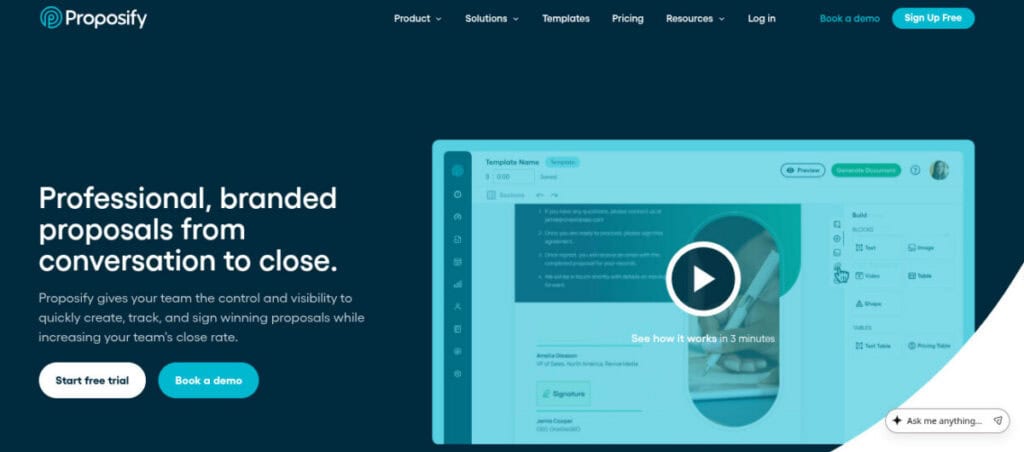
Proposify is a proposal management platform built primarily for sales organizations, agencies, and consulting firms that regularly produce client-facing business proposals. The platform combines branded document creation with analytics that help sales teams understand how prospects interact with proposals after delivery.
Several features make Proposify particularly effective for customer-facing teams:
- Professional Proposal Builder: Customizable templates and drag-and-drop editing simplify the creation of visually polished proposals.
- Client Engagement Analytics: Teams receive detailed insights into document views, reading time, and buyer engagement across proposal sections.
- Brand Consistency: Shared templates, reusable content, and approval workflows help maintain consistent messaging across every proposal.
- Sales Workflow Integration: CRM integrations streamline proposal generation by automatically pulling customer information into documents.
8. Qwilr
Qwilr modernizes traditional proposals by converting static documents into interactive web pages that provide a more engaging customer experience. Rather than sending downloadable PDFs, organizations can deliver multimedia-rich proposals featuring videos, pricing calculators, testimonials, and interactive acceptance forms.
Qwilr provides several advantages for modern proposal teams:
- Interactive Web Proposals: Documents become responsive web pages that improve readability across desktop and mobile devices.
- Rich Multimedia Support: Videos, images, embedded content, and interactive pricing tables create a more engaging buying experience.
- Real-Time Analytics: Teams can monitor proposal views, visitor activity, and customer engagement throughout the sales process.
- Integrated Acceptance: Clients can approve proposals electronically without leaving the proposal page, shortening sales cycles.
9. Better Proposals
Better Proposals is designed to simplify proposal creation for freelancers, consultants, and small businesses that need professional-looking documents without enterprise-level complexity. The platform emphasizes speed, ease of use, and affordability while still providing many of the features found in larger proposal management systems.
Better Proposals offers several practical benefits:
- Ready-Made Templates: Professionally designed templates allow users to create polished proposals quickly with minimal customization.
- Electronic Signatures: Clients can review, approve, and sign proposals within the same workflow.
- Proposal Tracking: Users receive notifications when proposals are opened, viewed, or accepted, improving follow-up timing.
- Fast Implementation: The platform requires little training, making it accessible for smaller organizations without dedicated proposal teams.
Specialized & All-in-One Proposal Management Tools
10. Bonsai
Bonsai is an all-in-one business management platform that combines proposals, contracts, invoicing, CRM, project management, and time tracking within a single workspace. While it is not a dedicated enterprise RFP solution, it provides freelancers and small agencies with an efficient way to manage the complete client lifecycle from proposal to payment.
Bonsai delivers value through several integrated capabilities:
- Unified Business Workflow: Proposals, contracts, invoices, and project management operate together within one centralized platform.
- Proposal Automation: Reusable templates speed up proposal creation while maintaining a professional appearance across client documents.
- Client Management: CRM functionality allows users to manage leads, projects, and communications alongside proposal activity.
- Financial Integration: Time tracking, invoicing, and payment collection are directly connected to accepted proposals, reducing administrative overhead.
11. QorusDocs
QorusDocs is a proposal management platform designed specifically for organizations that rely heavily on Microsoft 365. It integrates directly with Microsoft Word, PowerPoint, Outlook, and Teams, enabling proposal teams to build documents using familiar productivity tools while leveraging AI-assisted content recommendations.
QorusDocs stands out through several enterprise-focused capabilities:
- Microsoft 365 Integration: Proposal creation occurs directly inside Word, PowerPoint, and Outlook without switching between multiple applications.
- AI Content Recommendations: The platform suggests approved content from centralized knowledge libraries to improve consistency and reduce manual searching.
- Collaboration Workflows: Subject matter experts can review, edit, and approve proposal sections through coordinated workflows integrated with Microsoft Teams.
- Content Governance: Version control, approval workflows, and centralized content management help organizations maintain accurate messaging across every proposal.
Collaboration & Document Management Tools
Although these platforms are not dedicated RFP response solutions, many organizations use them to organize proposal documentation, collaborate across departments, and manage document versions. They work particularly well alongside specialized RFP software or for businesses that only respond to occasional proposals.
12. Confluence
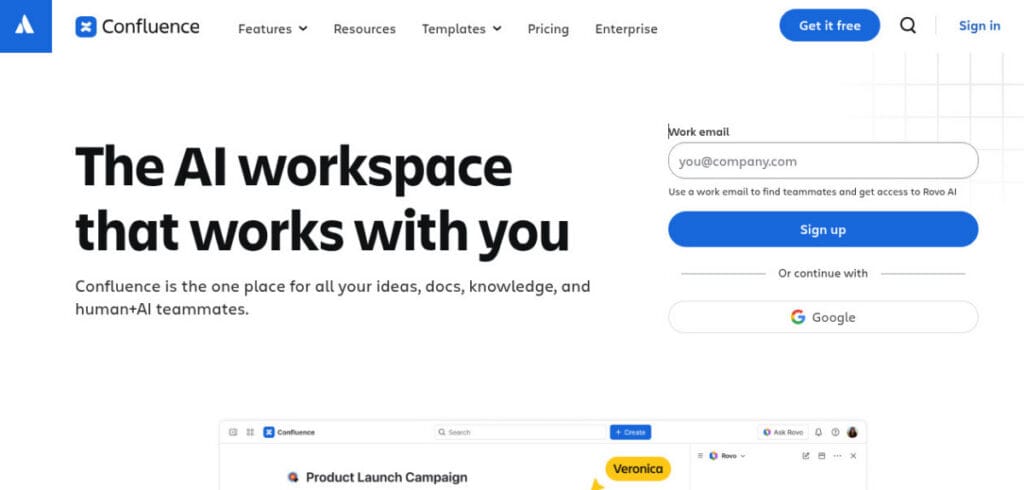
Confluence, developed by Atlassian, is a general-purpose collaboration platform that helps teams create, organize, and share documentation in a centralized workspace. Although it is not specifically designed for RFP management, its flexible page structure and collaborative editing features make it a practical option for organizations that already rely on Atlassian products for knowledge management.
Confluence offers several advantages for proposal collaboration:
- Familiar Workspace: Subject matter experts already using Confluence for internal documentation can contribute to proposal development without learning a new platform.
- Centralized Knowledge Base: Pages, spaces, and searchable documentation help teams organize proposal content alongside policies, technical documentation, and internal resources.
- Real-Time Collaboration: Multiple contributors can edit, comment on, and review proposal content simultaneously, improving coordination across departments.
- Limited RFP Functionality: Confluence lacks dedicated proposal features such as AI-assisted drafting, compliance matrices, content libraries, and automated questionnaire responses, making it better suited as a supporting collaboration tool.
13. SharePoint
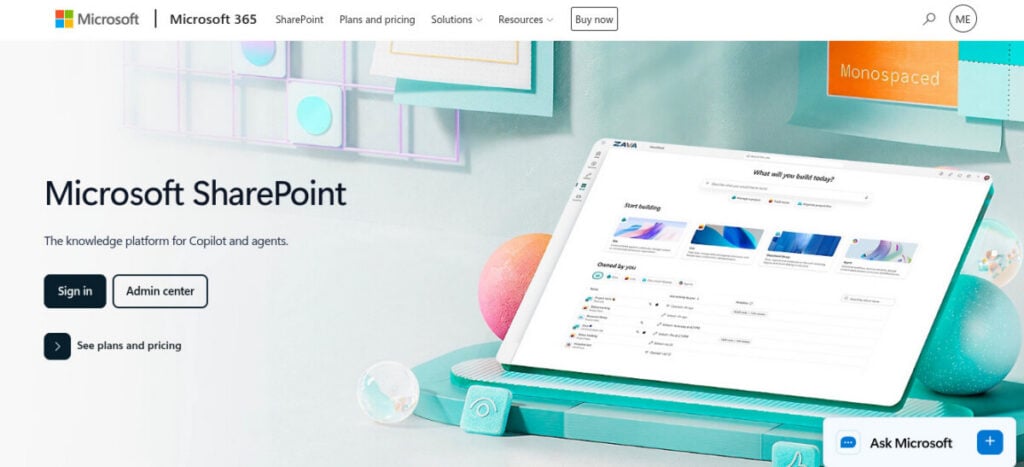
Microsoft SharePoint remains one of the most widely used enterprise document management platforms, particularly among organizations standardized on Microsoft 365. Its robust document storage, version control, and permission management capabilities provide proposal teams with a secure environment for managing drafts throughout the proposal lifecycle.
SharePoint’s strengths become most apparent in several areas:
- Version Control: Comprehensive document versioning and audit trails help proposal teams track revisions as documents move through technical, legal, and executive reviews.
- Microsoft 365 Integration: Native integration with Microsoft Word, Excel, Outlook, Teams, and OneDrive allows users to manage proposal content within familiar productivity tools.
- Access Management: Granular user permissions make it easy to control who can view, edit, approve, or publish proposal documents throughout the review process.
- Enterprise Document Governance: Organizations benefit from centralized storage, document retention policies, and security controls that support compliance requirements.
- Not a Dedicated RFP Platform: While SharePoint excels at document management, it lacks built-in AI proposal writing, compliance tracking, automated content libraries, and RFP-specific workflow automation.
14. Google Workspace
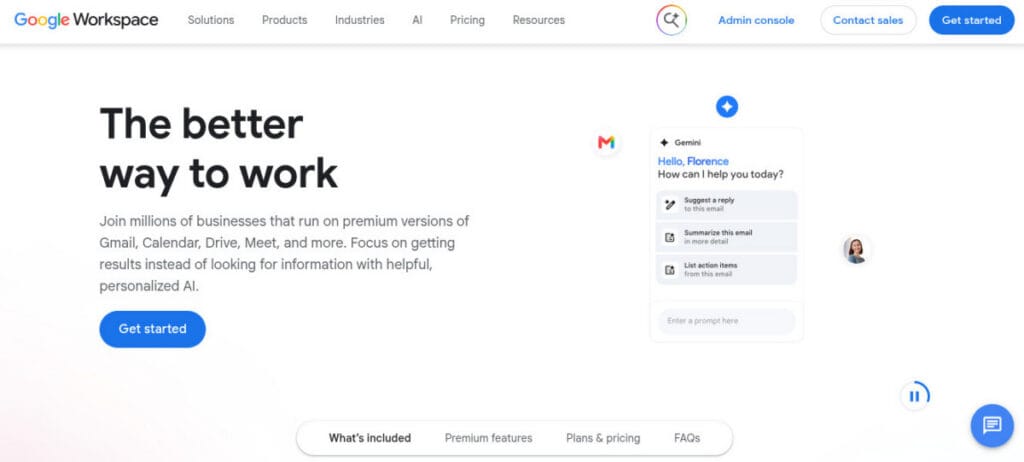
Google Workspace, including Google Docs, Sheets, Slides, and Drive, provides a simple cloud-based collaboration environment for proposal creation. Although it lacks specialized RFP management functionality, its accessibility and ease of use make it a popular choice for startups, small businesses, and distributed teams managing occasional proposals.
Several features make Google Workspace attractive for proposal teams:
- Real-Time Collaboration: Multiple contributors can edit documents simultaneously without worrying about conflicting file versions or manual merging.
- Cloud Accessibility: Proposal documents are available from virtually any device with internet access, making remote collaboration straightforward.
- Low Learning Curve: Most users are already familiar with Google Docs and Sheets, reducing onboarding time compared to dedicated proposal management software.
- Affordable for Small Teams: Organizations can collaborate effectively without investing in specialized RFP software, making it a cost-effective solution for occasional proposal work.
- Limited RFP-Specific Features: Google Workspace does not include AI-powered response generation, centralized proposal content libraries, compliance management, or automated RFP workflows, so organizations with growing proposal volumes may eventually require dedicated RFP software.
Comparison of RFP Writing Software Options
The table below summarizes the core strengths of each platform to help you identify the best solution based on your organization’s proposal complexity, team size, and workflow requirements.
| Tool | Core Strength | Best Fit |
|---|---|---|
| Responsive (formerly RFPIO) | Enterprise response management, AI automation, compliance tracking, and extensive integrations | Large enterprises with complex proposal workflows |
| Loopio | AI-powered content library management, governance, and collaboration | Organizations with mature knowledge bases and recurring RFPs |
| AutoRFP.ai | AI-first proposal automation with a self-updating knowledge base and bid qualification | Teams seeking autonomous AI-assisted RFP workflows |
| AutogenAI | AI-generated proposal writing and compliance analysis | Government contractors, enterprise proposals, and regulated industries |
| DeepRFP | AI tender shredding, multi-document analysis, and structured draft generation | Organizations handling highly technical or complex procurement opportunities |
| PandaDoc | Proposal automation, document workflows, e-signatures, and payment collection | Sales teams, growing businesses, and service providers |
| Proposify | Branded proposal creation with customer engagement analytics | Agencies, consultants, and B2B sales organizations |
| Qwilr | Interactive web-based proposals with multimedia and dynamic pricing | Creative agencies, SaaS companies, and modern sales teams |
| Better Proposals | Affordable proposal creation with templates and proposal tracking | Freelancers, consultants, and small businesses |
| Bonsai | All-in-one business management with proposals, contracts, CRM, and invoicing | Freelancers, agencies, and independent consultants |
| QorusDocs | Microsoft 365 proposal management with AI-assisted content recommendations | Enterprises heavily invested in the Microsoft ecosystem |
| Confluence | Collaborative documentation and centralized knowledge management | Teams already using Atlassian products for documentation |
| SharePoint | Enterprise document management, version control, and access governance | Microsoft 365 organizations requiring secure document collaboration |
| Google Workspace | Cloud-based collaboration and real-time document editing | Small businesses, startups, and teams with occasional proposal needs |
Common Mistakes to Avoid When Using RFP Writing Software
Even the most advanced RFP writing software cannot compensate for poor proposal processes. Avoiding these common mistakes will help your team get the most value from your investment while producing stronger, more competitive proposals.
- Choosing Software Based Only on AI Features: AI can accelerate proposal creation, but it should complement—not replace—well-organized content, experienced proposal writers, and subject matter experts. Focus on the overall workflow rather than AI alone.
- Failing to Customize Proposal Content: Reusing the same responses across every RFP can result in generic proposals that fail to address a buyer’s unique requirements. Always tailor your content to the specific opportunity.
- Neglecting Content Maintenance: Proposal libraries should be reviewed regularly to remove outdated information, update product details, and ensure AI tools recommend accurate, approved content.
- Overlooking Team Collaboration: Successful proposals require input from sales, technical experts, legal teams, and management. Choosing software without effective collaboration and approval workflows can slow the proposal process.
- Ignoring Integration Requirements: Before selecting a platform, verify that it integrates with your existing CRM, document storage, communication, and productivity tools. Strong integrations reduce manual work and improve overall efficiency.
- Skipping User Training: Even intuitive platforms require onboarding. Providing proper training helps teams adopt new workflows more quickly and take full advantage of automation, reporting, and collaboration features.
- Treating AI-Generated Content as Final: AI-generated proposals should always be reviewed for accuracy, compliance, tone, and customer relevance before submission. Human expertise remains essential for producing persuasive, high-quality proposals.
Conclusion
Choosing the right RFP writing software can significantly improve how your team creates, manages, and submits proposals. Whether you need AI-powered content generation, a centralized knowledge base, workflow automation, or simple collaboration tools, the best platform depends on your proposal volume, team size, and business goals.
Enterprise organizations may benefit from feature-rich solutions like Responsive, Loopio, or AutogenAI, while smaller businesses and agencies can achieve excellent results with PandaDoc, Proposify, or Better Proposals. Before making a decision, compare each platform’s AI capabilities, integrations, ease of use, pricing, and collaboration features to ensure it fits your workflow. If you’d like to explore additional ways to improve your proposal quality, read this review by John Milovich about more professional writing services.
Frequently Asked Questions About RFP Writing Software
What is RFP writing software?
RFP writing software helps businesses create, manage, and submit Request for Proposal (RFP) responses more efficiently. Most platforms include features such as AI-powered content generation, centralized content libraries, collaboration tools, workflow automation, and compliance tracking to reduce manual work and improve proposal quality.
What features should I look for in RFP writing software?
The most important features include AI-assisted proposal writing, searchable content libraries, document collaboration, workflow automation, compliance management, version control, reporting, and integrations with platforms like Microsoft 365, Salesforce, or Google Workspace. The right combination depends on your team’s size and proposal volume.
Is AI-powered RFP writing software accurate?
Modern AI RFP software can significantly speed up proposal creation by generating drafts, recommending approved content, and identifying compliance requirements. However, AI-generated responses should always be reviewed by subject matter experts to ensure technical accuracy, consistency, and alignment with the customer’s requirements.
Which RFP writing software is best for small businesses?
Small businesses, consultants, and agencies often benefit from user-friendly platforms such as PandaDoc, Better Proposals, Proposify, or Bonsai. These solutions provide proposal templates, collaboration features, and automation without the complexity or cost of enterprise-grade RFP management systems.
Which RFP software is best for enterprise organizations?
Large organizations responding to complex commercial or government tenders typically require platforms like Responsive, Loopio, AutogenAI, DeepRFP, or QorusDocs. These tools offer advanced AI capabilities, centralized content management, compliance tracking, and enterprise workflow automation.
Can RFP writing software integrate with other business applications?
Yes. Most leading platforms integrate with popular business tools such as Microsoft 365, Salesforce, Slack, Google Workspace, CRM systems, cloud storage services, and project management software. These integrations help teams collaborate more efficiently while reducing duplicate data entry.
Does RFP writing software improve proposal win rates?
While no software can guarantee contract awards, RFP writing software helps improve proposal quality by reducing repetitive work, maintaining consistent messaging, improving collaboration, and ensuring compliance with customer requirements. These advantages allow proposal teams to focus more on creating compelling, customized responses.
Is RFP writing software worth the investment?
For organizations that regularly respond to RFPs, proposal software can save hundreds of hours each year through automation, AI-assisted drafting, and centralized content management. Businesses handling only occasional proposals may find that general collaboration tools are sufficient, while frequent bidders often see the greatest return from dedicated RFP platforms.
Suggested articles:
- How AI Writing Assistants Improve Project Proposals
- Request For Proposal Template for Project Managers
- Project Proposal Template for Project Managers

Daniel Raymond, a project manager with over 20 years of experience, is the former CEO of a successful software company called Websystems. With a strong background in managing complex projects, he applied his expertise to develop AceProject.com and Bridge24.com, innovative project management tools designed to streamline processes and improve productivity. Throughout his career, Daniel has consistently demonstrated a commitment to excellence and a passion for empowering teams to achieve their goals.