
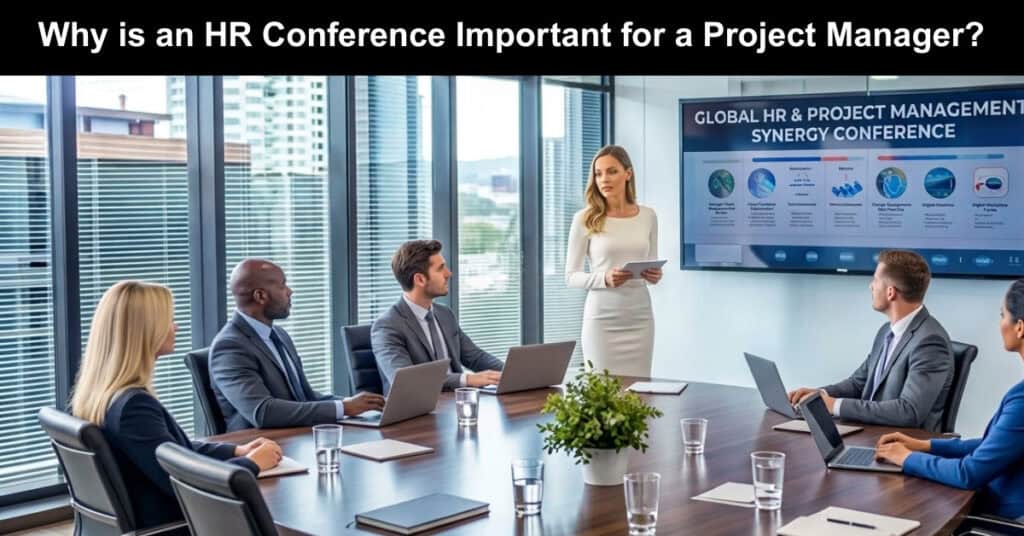
Project managers rarely picture themselves sitting in a room full of recruiters and compensation specialists, yet HR conferences have quietly become one of the most useful resources for improving how teams are led, motivated, and retained. These events now cover leadership, workplace technology, and team psychology, all of which directly shape how well a project performs.
So why is an HR conference important for a project manager? These gatherings expose managers to fresh people management tactics, current HR trends, emerging workplace technology, and peer insight that rarely surfaces in standard project management training or certification programs. The sections below break down exactly how these events translate into stronger teams, smarter planning, and better long-term project outcomes.
How Have HR Conferences Expanded Over the Years?
HR conferences looked very different a generation ago, focused mostly on basic compliance training and legally required workplace policy updates. Sessions followed a lecture format with little room for discussion, and attendees generally left with binders of material rather than practical, applicable skills. That rigid structure limited how much value project managers could realistically extract from attending.
Modern HR conferences function more like collaborative labs than classrooms, built around interactive workshops, panel debates, and structured networking. Technology now shapes nearly every session, with hybrid and virtual formats making attendance accessible to teams that once had no travel budget. Current programming leans heavily into artificial intelligence adoption, mental health support, and inclusive design, making these events more relevant to project leadership.
Why is an HR Conference Important for a Project Manager?
HR conferences carry value for professionals well beyond the human resources department, and project managers stand to gain as much as anyone in the room. These HR events combine networking, current research, and expert commentary into a single setting focused on people and performance. Each theme below explains a specific way that value translates into stronger project outcomes.
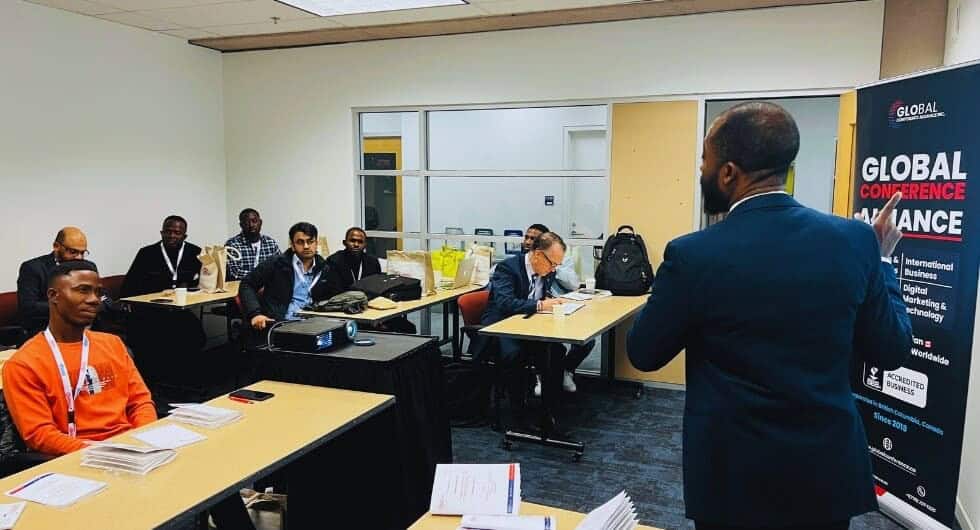
Building Connections
An HR conference brings HR professionals, business leaders, and project managers into a single shared space built for candid conversation. That setting makes it easier to network with people facing comparable staffing and communication challenges. Relationships formed here often lead to resource sharing, mentorship, and support systems that continue paying off well after the event ends.
Learning Current Trends
Project managers depend on current HR trends to keep their leadership approach aligned with broader industry standards. Conference sessions dig into emerging priorities such as remote and hybrid workforce management, employee wellbeing programs, and skills-based hiring. Awareness of these shifts helps managers adjust their strategies early, rather than reacting after a trend has already reshaped how their organization operates.
Gaining Expert Knowledge
Conference sessions are typically led by practitioners who have already solved the problems attendees are currently facing. For a project manager, that means direct access to proven conflict resolution techniques, team dynamics research, and HR strategy that rarely appears in standard project management curricula. Gaining this expertise strengthens a manager’s ability to navigate complex, people-related project challenges with more confidence.
Improving Team Management
Effective team management remains one of the clearest predictors of project success, and HR conferences are built to strengthen exactly that skill set. Sessions typically cover leadership development, collaborative team building, and strategies for managing diverse and distributed teams. Applying these lessons helps project managers build a more motivated, cohesive team, which tends to show up directly in project performance and delivery timelines.
Exploring New Technologies
HR technology increasingly shapes how project teams communicate, track performance, and manage daily workflows. Conferences now dedicate entire expo floors to HR tech platforms, giving project managers hands-on access to tools built for scheduling, engagement tracking, and workforce analytics. Exploring these innovations firsthand helps managers identify solutions that genuinely reduce friction rather than adding another disconnected system to the workflow.
Supporting Employee Morale
Employee morale plays a direct role in whether a project stays on schedule or quietly stalls. HR conferences regularly address stress management, work-life balance, and burnout prevention, giving project managers practical strategies for supporting their teams during high-pressure phases. Implementing these approaches consistently leads to healthier, more engaged teams and fewer costly disruptions during critical project milestones.
Planning Strategically
Conferences also strengthen how project managers approach organizational development and long-term strategic planning across the business. Sessions on aligning team goals with broader HR and business strategy help managers connect daily project work to the company’s larger mission. That alignment ensures individual projects contribute meaningfully to long-term organizational success rather than operating as isolated initiatives.
Attending HR conferences can meaningfully change how project managers approach their day-to-day responsibilities. These events deliver practical strategies for strengthening team management and driving project success, all built around the evolving needs of today’s workplace.
How to Attend an HR Conference?
Attending a HR conference can be genuinely valuable for professional growth, offering a concentrated opportunity to learn, connect, and build momentum in your career. Getting real value out of the experience requires deliberate planning rather than simply showing up and hoping something useful happens. The following steps outline exactly how to prepare before, during, and after the event.
Follow this five-step sequence to plan and prepare for the conference:
Step 1. Researching Conferences
Research several HR conferences to find one that matches your professional goals and current interests. Look specifically for events that align with the challenges your team is facing, since regional programming can matter as much as topic focus. For example, an HR conference in Canada may offer insight into region-specific labor trends and compliance practices that a domestic event would not cover. Choosing the right conference upfront ensures the sessions you attend are directly relevant to your work.
Step 2. Registering Early
Register as soon as you identify the right conference, since early registration typically unlocks discounted pricing and priority access to popular sessions. Waiting too long often means missing out on workshops that fill up quickly or paying a higher rate for the same experience. This step also gives you more time to plan travel, request time off, and structure your schedule around the event.
Step 3. Preparing for the Event
A productive conference experience starts well before the opening keynote. Review the full agenda in advance and select sessions that align directly with your current project challenges. Prepare specific questions for speakers and fellow attendees so conversations stay focused and useful. This preparation keeps your attention sharp and ensures you walk away with information you can actually apply.
Step 4. Networking Strategically
Conferences offer a rare concentration of professionals facing similar workplace challenges, so treat networking as a core part of the agenda rather than an afterthought. Take advantage of structured networking sessions as well as informal conversations between breakout sessions. Exchanging contact information with the right people can lead to mentorship, collaboration, and long-term professional opportunities that extend well past the event itself.
Step 5. Following Up
After the conference ends, follow up promptly with the contacts you made and revisit the notes you took during sessions. Put the strategies and insights you gathered into practice within your own team as soon as possible. Following up consistently helps solidify what you learned and keeps the professional relationships you built from fading over time.
Following these steps helps ensure a productive conference experience and maximizes the return on the time and money invested. A deliberate approach turns a single event into a lasting boost for both your professional growth and your project outcomes.
Impact of HR Conferences on Project Management Strategies
HR conferences directly shape project management strategy by introducing new frameworks, tools, and leadership approaches that managers can apply immediately. These events give project managers practical techniques for improving execution and team dynamics, drawn from professionals solving similar problems across different industries. Engaging with experts and peers helps managers stay ahead of workplace trends rather than catching up after the fact.
Developing Strategic Thinking
HR conference sessions regularly introduce new strategic frameworks and planning methodologies drawn from case studies across multiple industries and company sizes. Learning directly from experienced leaders helps project managers refine how they set goals, sequence work, and evaluate progress. This sharper strategic thinking translates into clearer project plans and more consistent, measurable results over time.
Improving Team Collaboration
Sessions focused on team collaboration expose project managers to current tools and practices for improving how teams work together. Sharing these techniques with your own team helps build a more collaborative environment where communication flows more naturally. Applying these practices consistently tends to improve both productivity and morale across distributed and in-office project teams alike.
Adapting to Change
Project management is a field defined by constant change, and HR conferences provide practical strategies for managing that shift without losing momentum or team buy-in. Sessions often examine how other organizations navigate reorganizations, leadership transitions, and shifting workforce expectations. Understanding these approaches gives project managers a clearer playbook for keeping projects on track when circumstances change unexpectedly.
Use of Technology
Technology now sits at the center of modern project management, and HR conferences consistently showcase tools built to support planning, execution, and reporting. Expo floors give managers a chance to test new platforms firsthand rather than relying on vendor demos alone. Exploring these innovations helps managers identify solutions that genuinely improve efficiency and simplify otherwise fragmented workflows.
Developing Leadership Skills
Strong leadership remains the foundation of successful project management, and HR conferences offer focused training on exactly that skill set for practicing managers. Sessions typically cover leadership development, coaching techniques, and strategies for motivating teams through difficult project phases. Applying these principles helps project managers strengthen their leadership presence and guide projects toward successful, on-time completion.
HR conferences offer meaningful guidance for improving how project managers lead their teams and structure their work. From adopting new technology to sharpening leadership skills, these events equip managers with tools that translate directly into stronger project outcomes.
Future Trends in HR Conferences: What’s Next for Project Managers?
HR conferences continue evolving to reflect the realities shaping today’s workforce, and the trends emerging now will influence how project managers lead teams for years to come. Staying current with these shifts is becoming less optional and more essential for managers who want to remain effective as workplace expectations and available technology continue changing rapidly.
The following trends are already reshaping HR conference programming this year:
- AI and Agentic Automation: HR conference programming now centers heavily on artificial intelligence, particularly agentic AI systems capable of coordinating multistep tasks rather than simply automating single steps. Recent industry research shows a growing share of large organizations have already adopted agentic AI tools in HR, with adoption expected to climb further as governance practices mature.
- Cross-Functional Collaboration: Sessions increasingly emphasize collaboration between HR, IT, and project teams, since deploying new workplace technology now requires input from all three groups. Closer coordination between these functions helps project managers implement new tools without creating friction between departments that once operated independently.
- Sustainability Practices: HR conferences are dedicating more programming to environmentally responsible workplace practices, encouraging project managers to factor sustainability into resource planning and vendor selection. This shift reflects broader organizational pressure to reduce environmental impact without sacrificing project efficiency or timelines.
- Smart Decision Making: Advances in people analytics are giving project managers access to better data for forecasting outcomes and identifying risk earlier in a project’s lifecycle. Sessions on data-driven decision-making show managers how to translate workforce analytics into more accurate planning and resource allocation.
- Remote and Hybrid Management: With hybrid work now standard across most industries, conferences continue addressing how to manage teams spread across multiple locations and time zones. These sessions give project managers practical strategies for maintaining engagement, communication, and accountability in distributed team environments.
- Personalized Learning Experiences: HR conferences are shifting toward personalized training tracks that let attendees build a schedule around their specific role and skill gaps. This approach helps project managers walk away with targeted knowledge rather than generic content that applies broadly but helps narrowly.
- Diversity, Equity, and Inclusion: DEI programming remains a consistent focus at HR conferences, helping project managers understand how to build more inclusive teams and equitable project processes. Practical sessions cover bias awareness, inclusive hiring practices, and strategies for creating project environments where every team member can contribute fully.
These trends point toward a more integrated, technology-driven approach to HR conference programming going forward. Staying current with these developments will matter increasingly for project managers who want to keep pace with how workplaces are evolving.
Conclusion
Attending HR conferences offers project managers far more than a break from routine work. These events sharpen leadership skills, introduce practical workplace technology, and provide access to peers and experts navigating similar challenges. Engaging consistently with this material helps managers refine their approach and stay ahead of shifts reshaping how teams are built and led.
Ultimately, HR conferences give project managers practical tools for improving team performance, strengthening leadership, and aligning projects with broader organizational goals across the business. Choosing the right event, preparing deliberately, and following up afterward all determine how much value you actually gain. Make your next HR conference a defined, recurring part of your professional development plan.
Frequently Asked Questions About HR Conferences for Project Managers
Do project managers really need to attend HR conferences?
Project managers do not need to attend every HR conference, but sessions focused on leadership, team management, and workplace technology offer direct, practical value. Since project success depends heavily on people management, exposure to current HR strategy often strengthens a manager’s ability to lead teams effectively.
What should a project manager look for when choosing an HR conference?
Look for programming focused on team leadership, workplace technology, and change management rather than pure HR compliance topics. Conferences with dedicated project or people management tracks, hands-on workshops, and strong networking opportunities tend to deliver the most practical return for a project manager’s time.
How much does attending an HR conference typically cost?
Costs vary widely depending on the event, format, and how early you register, with many major conferences ranging from roughly one thousand to more than two thousand dollars per attendee. Early registration, group rates, and virtual attendance options can meaningfully reduce the total cost.
Can virtual HR conferences deliver the same value as in-person events?
Virtual HR conferences can deliver strong educational value, particularly for accessing expert sessions and current research without travel costs. In-person events typically offer stronger networking opportunities, so many project managers benefit from combining both formats depending on their goals for the year.
How often should a project manager attend HR conferences?
Attending one to two relevant HR conferences per year is generally enough to stay current on workplace trends without pulling too much time away from active projects. Consistency matters more than frequency, since applying what you learn is what ultimately drives better team performance.
Suggested articles:
- Top 10 Pros & Advantages of HR or HRIS Software
- How Does Integrating AI Recruiting Software With HR Platforms Enhance End-to-End Recruitment Workflows?
- The HR Tools Project Managers Need When Teams Start to Scale

Daniel Raymond, a project manager with over 20 years of experience, is the former CEO of a successful software company called Websystems. With a strong background in managing complex projects, he applied his expertise to develop AceProject.com and Bridge24.com, innovative project management tools designed to streamline processes and improve productivity. Throughout his career, Daniel has consistently demonstrated a commitment to excellence and a passion for empowering teams to achieve their goals.