
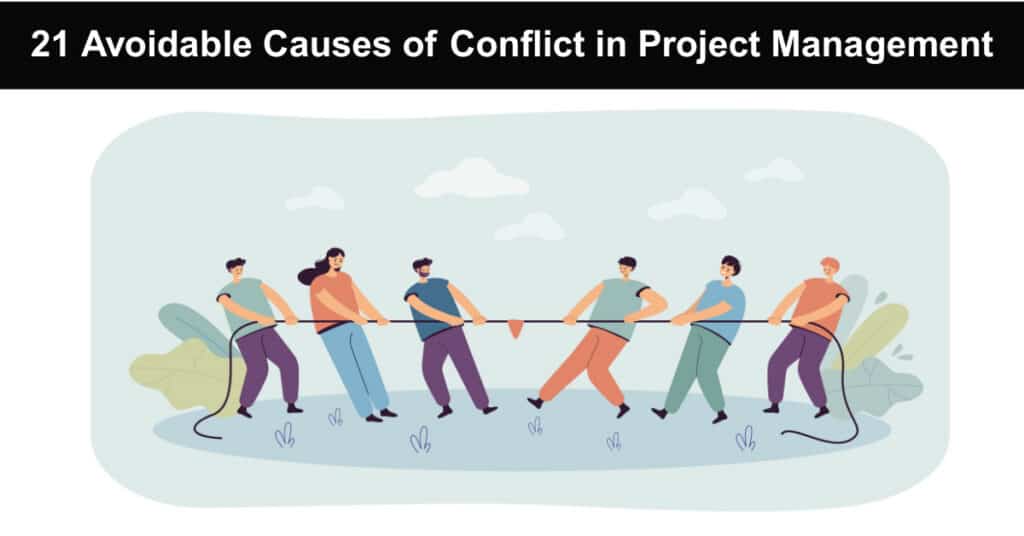
Conflict is an inevitable part of working life, and for project managers, understanding its root causes is one of the most valuable skills they can develop. Not all conflicts are created equal: some arise from interpersonal tensions, others from cultural misunderstandings, and still others from structural weaknesses in how teams are organized and led. The first step toward effective conflict resolution is recognizing what type of conflict you are dealing with before it escalates.
Managing stakeholder relationships well reduces the likelihood of conflicting expectations taking hold across a project. There is no one you will ever work with who agrees with you all the time, and the reverse is equally true. Accepting this reality and building systems to navigate it is what separates reactive project managers from proactive ones.
Understanding the Sources of Conflict
Because disagreements can occur regardless of their severity, it is vital to be prepared with the right tools to resolve and manage conflicts before it disrupts your project. An important component of conflict resolution is the ability to define and identify potential friction points early, rather than waiting for them to surface on their own.
Conflict, as defined by Oxford, is a serious disagreement arising from incompatibility or variance between parties. It can manifest through differences of opinion, direct confrontations, or prolonged discord between opposing elements or ideas. The spectrum ranges from mild professional disagreements to emotionally charged confrontations that affect morale, productivity, and team cohesion.
Avoidable Causes of Conflict
Many of the most disruptive conflicts in project management are not only predictable but preventable. They tend to cluster around two primary sources: the dynamics of the team environment itself and the friction that arises from cultural differences. Understanding both categories gives project managers a stronger foundation for building cohesive, high-performing teams.
Conflicts from the Team Environment
No project exists without people, and agile project teams bring together individuals with varying personalities, priorities, and working styles. This diversity is often a strength, but without deliberate management, it also creates fertile ground for underlying conflict. The challenge is compounded when projects rely on multiple managers for execution, since inconsistent direction can quickly breed confusion and resentment.
A particularly common trigger is when team members who are unfamiliar with one another are immediately expected to collaborate under pressure toward shared goals and deadlines. Before trust has been established, even minor misunderstandings can calcify into lasting friction. When team conflicts do arise, the goal should always be to achieve a win-win resolution rather than allowing lose-lose outcomes to take hold.
Differences in motivation and behavioral styles can surface at any stage of the project life cycle. Some team members bring visible enthusiasm to their roles while others remain disengaged, and the gap between those two groups can create real tension. The specific environmental factors that contribute to this include:
- Manager Credibility: When a project manager has not yet earned the trust or confidence of their team members, it becomes difficult to align effort and resolve disputes constructively.
- Unhealthy Competition: When team members compete against rather than alongside each other, collaboration breaks down, and interpersonal tensions rise.
- Unproductive Meetings: Meetings that lack clear purpose, outcomes, or facilitation drain morale and signal poor leadership, compounding existing frustrations.
- Insufficient Collaboration: When there are no meaningful structures for connection between team members, silos form, and miscommunication becomes routine.
Conflict from Cultural Differences
Culture shapes how people communicate, what they value, and how they interpret the behavior of others. When team members come from different communities, countries, or professional backgrounds, their assumptions about appropriate conduct can diverge in ways that are easy to misread. A project manager who is unaware of these differences risks allowing small misunderstandings to escalate into significant interpersonal problems.
Common cultural friction points within diverse project teams include:
- Language Barriers: Differences in language fluency or communication style can lead to misinterpretation of intent, instructions, or feedback, even when everyone is technically speaking the same language.
- Food and Dietary Practices: Shared meals and team events that fail to account for dietary restrictions or cultural food practices can inadvertently exclude or offend team members.
- Celebrations and Observances: Recognizing some cultural or religious observances while overlooking others sends an implicit message about whose background is valued within the team.
- Style of Dress: Expectations around professional attire vary widely across cultures, and uninformed judgments about appearance can create unnecessary tension and bias.
Project managers must lead their teams toward cultural adaptability and awareness. Even small offenses, if left unaddressed, can compound and create larger problems down the line.
21 Techniques to Manage Causes of Conflict
Effective conflict management draws on a range of approaches depending on the nature and severity of the disagreement. The following techniques are organized into resolution strategies and team roles, both constructive and destructive.
Resolution Strategies
- Confronting: Also called problem-solving, this approach addresses the problem directly rather than the person involved, dealing with issues head-on rather than allowing them to fester.
- Collaborating: This strategy brings individuals or teams together to jointly solve a problem, drawing on the strengths of multiple perspectives to reach a shared solution.
- Compromising: Both parties make concessions to reach an agreement, making this approach effective when a perfect solution is unlikely but progress is still needed.
- Smoothing: The severity of the problem is played down in order to redirect attention toward shared goals, buying time, or reducing immediate emotional charge.
- Forcing: The issue is resolved through authority or pressure rather than consensus. While sometimes necessary, this approach carries a cost to team morale and is not sustainable long-term.
- Withdrawal: The conflict is avoided in the hope that it resolves itself. This is rarely effective and can allow tensions to grow beneath the surface.
Constructive Team Roles
Certain behaviors within a team actively contribute to healthier conflict resolution and stronger communication:
- Initiators: Team members who actively propose ideas and kick off activities, providing energy and direction when momentum stalls.
- Information Seekers: Those who pursue knowledge and context proactively, ensuring decisions are grounded in the most complete picture available.
- Information Givers: Members who freely share relevant knowledge, reducing information asymmetries that can otherwise create mistrust.
- Encouragers: People who maintain a positive and realistic attitude, helping to stabilize team morale during difficult phases.
- Clarifiers: Those who ensure that conversations and decisions are fully understood by everyone involved, preventing costly misalignments.
- Harmonizers: Members who enrich discussions in ways that deepen mutual understanding and reduce unnecessary friction.
- Summarizers: Individuals who distill complex discussions into clear, accessible takeaways, keeping the team aligned on what matters.
- Gatekeepers: Those who actively draw quieter team members into conversations, ensuring a broader range of voices is heard.
Destructive Team Roles
Not all team behaviors support resolution. Some patterns actively impede it:
- Aggressors: Members who are openly hostile toward others, damaging psychological safety, and making productive dialogue nearly impossible.
- Blockers: Those who obstruct access to information or create unnecessary obstacles, slowing progress and breeding frustration.
- Withdrawers: Team members who disengage from conversation and collaboration, leaving gaps in communication and decision-making.
- Recognition Seekers: Those who evaluate every situation through the lens of personal gain, prioritizing their own visibility over team outcomes.
- Topic Jumpers: Members who derail conversations by constantly shifting the subject, preventing any single issue from being resolved properly.
- Dominators: Those who assert their opinions forcefully and without openness to others, shutting down collaborative thinking.
- Devil’s Advocates: Members who reflexively oppose suggestions regardless of merit, turning constructive debate into circular disagreement.
Conclusion
Conflict in project management is unavoidable, but many of its most damaging forms are entirely preventable with the right awareness and tools. By understanding the environmental and cultural conditions that create friction, and by recognizing the team behaviors that either resolve or amplify it, project managers can build environments where disagreements are handled constructively rather than allowed to erode trust and progress.
The 21 techniques and roles outlined here provide a practical framework for both prevention and resolution. Whether you are navigating a misalignment between team members or addressing a deeper cultural disconnect, having a clear language for conflict equips you to act early and effectively. The project managers who invest in this understanding are the ones who build teams capable of performing even under pressure.
Frequently Asked Questions
What is the most common cause of conflict in project management?
The most common causes include unclear roles and responsibilities, communication breakdowns, differences in work styles, and misaligned expectations among stakeholders. Environmental factors such as unproductive meetings and a lack of collaboration also contribute significantly.
What is the difference between constructive and destructive conflict?
Constructive conflict leads to better ideas, improved decisions, and stronger team relationships when handled well. Destructive conflict, by contrast, damages trust, stalls progress, and undermines morale. The difference often lies not in the disagreement itself but in how it is managed.
How should a project manager handle cultural differences within a team?
Project managers should invest in cultural awareness training, create inclusive team norms, and model respectful behavior themselves. Acknowledging cultural differences openly rather than ignoring them helps prevent small misunderstandings from escalating into larger interpersonal conflicts.
When is forcing the right conflict resolution technique to use?
Forcing should be reserved for situations where a decision must be made quickly, and other approaches have failed or are not feasible. It is not a sustainable long-term strategy because it can damage morale and erode trust within the team over time.
What does a win-win conflict resolution look like in practice?
A win-win resolution means both parties walk away feeling their core interests were addressed, even if neither got everything they wanted. It typically involves open dialogue, active listening, and a willingness to explore solutions that go beyond the initial positions of each side.
Suggested articles:
- Agile Conflict Management: A Guide for Modern Leaders
- 4 Types of Organizational Conflict (Levels)
- How to Recognize the 5 Conflict Levels in the Workplace

Shane Drumm, holding certifications in PMP®, PMI-ACP®, CSM, and LPM, is the author behind numerous articles featured here. Hailing from County Cork, Ireland, his expertise lies in implementing Agile methodologies with geographically dispersed teams for software development projects. In his leisure, he dedicates time to web development and Ironman triathlon training. Find out more about Shane on shanedrumm.com and please reach out and connect with Shane on LinkedIn.